
Cabaret
An Unseasonal Warm and Cozy Evening


A fully packed house at Don’t Tell Mama recently attested to the esteem in which Frank Dain is held in the cabaret community. In addition to being the editor of Cabaret Scenes magazine, Dain is also an actor, designer, award-winning supporter of the arts and a vocalist.
He lost his beloved husband Bill Sensenbrenner several years ago to COVID; this show entitled “A Celebration (24 years in the making) as well as his latest CD I’ve Had a Love were dedicated–most lovingly–to him. This context provides insight into the total effort. The emotional intensity Dain conveyed in this show made the audience feel a bit guilty for eavesdropping on a series of very private moments. His voice welcomes you into his heart, and a most generous heart it is in that it shares emotions that some of us have never experienced. Another strength of Dain’s is that none of his interpretations sounds like any other I’ve heard. This truly is his heart singing. One of the surprises of the evening was “I Cover the Waterfront” (Heyman/Johnny W. Green) — these rarely heard lyrics were a treat. “Sleepy Man” (Uhry/Waldman) was so tenderly delivered that it could have been a lullaby.
Dain was ably supported in this effort by Kathleen Landis, who provided arrangements and musical direction in addition to piano accompaniment. She led a pair of superlative musicians to heights of sheer perfection, delicately underscoring Dain’s efforts: Boots Maleson on bass and Peter Calo on guitar. Overall direction was provided by Lennie Watts.
Dain has seen, heard and known the best singers the cabaret world has to offer. He has learned what makes them superlative: be yourself. Dain understands his vocal range, never tries to exceed it, he stays firmly in his lane with an occasional unexpected turn along the way.
The best way to describe this show, as well as Dain’s warm and Perry Como-esque delivery is the Danish word “hygge” (pronounced hoo-gah). It translates as a quality of coziness that makes one feel content. Perhaps this word should be considered Dain-ish, at least for these immediate purposes. As I sat in the crowded room on a stifling evening, part of me was longing for my favorite quilt and a cup of tea. That’s hygge!
This CD is not Dain’s first; I Thought About You was produced in 2001 after he and Bill were settled in their relationship. It contains one of the best interpretations of Cole Porter’s “Night and Day” in recent memory, and thankfully it was included in this show. Rather than get overly dramatic with the music, Dain lets the lyrics tell the story, most effectively. No hysterics, loud singing, and vocal pearl- clutching—just the song, as Porter wrote it, and a welcome change of pace.
The penultimate offering of the evening was “Hello, Young Lovers” (Rodgers and Hammerstein), delivered with such heart-breaking intensity and honesty that one could weep. Coupled with the last song “Some Other Time” (Comden, Green and Bernstein) these two poignant tunes were the perfect ending to a moving performance.
Photo credit James Gavin


Well, the word came down from Raissa Katona Bennett, the Dutch Treat Club’s entertainment chair: “Guess Who’s Coming to Dinner?” A quick mental spin through my New York City Entertainment Rolodex produced just one name that could possibly explain the excitement in Raissa’s voice. One name that would make this more than just another Tuesday dinner. Marilyn Maye!
One of Marilyn’s most devoted fans, Johnny Carson was brought to life through the words of the nights speaker… comedian, filmmaker, and host of The Carson Podcast, Mark Malkoff, who gave us tempting snippets of information from his book, Love Johnny Carson: One Obsessive Fan’s Journey to Find the Genius Behind the Legend. Mr. Malkoff interviewed over 400 friends and close associates of Carson.
The Dutch Treat Tuesday Dinner was, predictably, oversold, with tables packed with guests who had grown up watching Johnny Carson. The entertainment portion opened with a video and Ed McMahon’s unmistakable “Heeeeere’s Johnny!” followed by Carson introducing his self-proclaimed “super singer,” Marilyn Maye. The Dutch Treat dining room erupted in a standing ovation, with cheers filling the room, as Marilyn—who had been watching the same video of her younger self singing on The Tonight Show—made her dramatic entrance to greet an audience already on its feet.
For Eda and me, it was a wonderful trip back in time, to an era of entertainment that holds so many memories. But the real magic was yet to come. To sit there and watch 98-year-young Marilyn Maye take command of the room, displaying the same extraordinary talent, vitality, and sheer joy of performing that have defined her remarkable career, was simply exhilarating. I found myself thinking how fortunate we all were to be there to witness it. Some evenings are enjoyable, some are memorable, and then there are evenings like this one. Marilyn didn’t just entertain us; she gave us a memory we will carry with us for a very long time. What a night for the Dutch Treat Club!
Marilyn took on this “gig” with nothing more than a pianist at her side, a testament to the extraordinary strength and endurance of her vocal instrument. At the keyboard was the remarkable David Pearl, whose accompaniment provided the perfect musical partnership. And what a job he did as Marilyn did some “creative” improvising.
And, by the way, the ever-witty Marilyn leaned over toward my front-row table and made a point of instructing me to be sure to include the word “Creative” in my review. Consider it done! Just another delightful, inspiring and thoroughly entertaining evening with the one and only Marilyn Maye!

Marilyn Maye & Susie Clausen

MARILYN MAYE

MARILYN MAYE & MARILYN MAYE

MARILYN MAYE

MARILYN MAYE

DAVID PEARL

MARILYN MAYE

THE DUTCH TREAT CLUB

HEEEEER’S JOHNNY

JOHNNY CARSON

RAISSA KATONA BENNETT & MARILYN MAYE

DAVID PEARL & MARILYN MAYE

MARK MALKOFF

MARK MALKOFF

MARILYN MAYE & MARK MALKOFF

NANCY McGRAW

SUSIE CLAUSEN, RAISSA KATONA BENNETT, MARILYN MAYE

SHANA FARR & JEFF HARDY

EDA SOROKOFF & MARY PORTER

BONNIE ROSEMAN & MARIEANN MERINGOLO

THE DUTCH TREAT CLUB

MARILYN MAYE

MARILYN MAYE

RAISSA KATONA BENNETT


Jill Morley’s wickedly funny, painfully honest theatrical memoir returns to The Triad Theatre, challenging everything women have been taught about sexuality, respectability, and empowerment.

Jacqueline Frances Photo by Jill Morley
There is a wonderful film called Dangerous Beauty, based on the life of Veronica Franco, a 16th-century Venetian courtesan who understood that intelligence, wit, sexuality, and independence could give a woman power in a world determined to deny it to her. While respectable women were expected to marry, obey, and produce heirs, Franco found another way to navigate a society in which women’s choices were severely restricted. Her freedom came at a price, but at least she understood the bargain.

Jacqueline Frances Photo by Jill Morley
Centuries later, Jill Morley’s True Confessions of a Go-Go Girl, now enjoying a return engagement at The Triad Theatre, raises many of the same questions. What happens when a woman discovers that her body can be a source of income rather than shame? Who decides what makes a woman respectable? And why is a woman who profits from male desire so often condemned by a society that has spent centuries teaching women to organize their lives around attracting men?

Andrew Adubsa, Jacqueline Frances and Sydney Langford Photo by Jill Morley
Morley’s autobiographical work takes us into the decidedly unglamorous world of New Jersey’s go-go clubs during the 1990s, where the lights were unforgiving, the clientele unpredictable, and the money could be surprisingly good. Based on her own transformation from tomboy to top-ranked bikini dancer, the production is a vivid, frequently hilarious, and unexpectedly moving examination of sexuality, self-discovery, and the complicated economics of being female.

Jacqueline Frances, Andrew Adubsa, and Sydney Langford Photo by Jill Morley
Taking over the role Morley originally created and performed, Jacqueline Frances proves a compelling storyteller, navigating the material’s shifting emotional landscape with humor, vulnerability, and considerable theatrical intelligence. She understands that this is not simply a story about taking one’s clothes off. It is about discovering an identity beneath the expectations other people have placed upon you.

Jacqueline Frances and Sydney Langford Photo by Jill Morley
The transformation is particularly fascinating because Morley’s journey into the go-go world was not initially one of sexual confidence. Her discovery of femininity came through unlikely teachers, including a gay roommate who helped her recognize aspects of herself she had never fully explored and a bouncer who taught her how to move onstage. In a world where women are routinely told how to look, behave, and present themselves, there is something deliciously ironic about a woman learning to inhabit her own sexuality in a seedy club off the Jersey Turnpike.

Jacqueline Frances and Sydney Langford Photo by Jill Morley
Frances moves through a gallery of colorful characters drawn from Morley’s experiences, giving the evening the texture of a theatrical memoir rather than a conventional solo confession. Andrew Adubsa, wonderfully limber and unabashedly sexy, and Sydney Langford contribute movement, energy, and physical allure, helping transform recollection into a living, breathing world. Their presence reinforces the production’s central idea that dance is not merely decoration. It is a language through which confidence, vulnerability, fantasy, and power can be expressed.

Andrew Adubsa and Sydney Langford Photo by Jill Morley
Director Dan Wackerman, an OBIE Award winner, gives the material both structure and heart, allowing its humor to flourish without sacrificing the darker realities beneath it. Jo Weldon’s choreography is entirely at home in this environment, capturing the sensual vocabulary of go-go performance without turning the evening into a gratuitous display. The movement belongs to the storytelling.

Jacqueline Frances and Sydney Langford Photo by Jill Morley
And what stories there are.

Jacqueline Frances Photo by Jill Morley
The women who populate Morley’s world are neither helpless victims nor uncomplicated symbols of liberation. They are individuals negotiating money, ambition, sexuality, survival, and the often uncomfortable realities of working in an industry built around male desire. The financial rewards are real, as are the dangers. So is the exhilaration of discovering that something society has taught you to conceal can become a source of confidence and economic independence.
This is where True Confessions of a Go-Go Girl becomes considerably more interesting than its provocative title suggests.
For generations, women were taught that sex belonged within marriage, that desire was something to suppress until the appropriate man arrived, and that their greatest security would come from being chosen as someone’s wife. Yet those same women were expected to be attractive, desirable, accommodating, and endlessly available to the men they married. Society established the rules, then judged women according to how obediently they followed them.
The contradiction is extraordinary.
Morley’s story turns that arrangement inside out. Here is a woman who discovers that male attention has an economic value, that sexuality need not be synonymous with shame, and that she can make choices about her own body without first obtaining society’s permission.
Of course, earning money from male desire is not automatically the same thing as possessing power. The clubs have their own hierarchies, dangers, and forms of exploitation. Financial independence can coexist with vulnerability, and a woman can exercise agency while still operating within a system designed largely for male gratification. Morley’s honesty about those contradictions is precisely what gives the piece its substance.
What makes the evening empowering is not the suggestion that every woman should become a go-go dancer. It is the insistence that a woman’s choices, her intelligence, her pleasure, and her sense of self belong to her.
That brings us back to Veronica Franco and Dangerous Beauty. The courtesan and the go-go dancer inhabit vastly different centuries and social worlds, but both challenge the notion that female virtue must be measured by obedience. Both expose the uncomfortable relationship between sexuality and economics. Both force us to confront the difference between a woman being desired and a woman having the freedom to decide what she wants.
There is also something liberating about the show’s refusal to treat sexual experience as a permanent moral verdict. Women are permitted to change, to experiment, to make mistakes, to enjoy themselves, to earn money, and to reconsider their decisions. Their identities need not be reduced to the most provocative chapter of their lives.
The Triad Theatre, at 158 West 72nd Street, provides an appropriately intimate setting for this theatrical confession. The cabaret room, considerably cleaned up from its less distinguished days, has become a respectable venue for an evening devoted to questioning precisely what respectability means.
True Confessions of a Go-Go Girl is evocative, fully realized, wickedly funny, and painfully honest. Beneath its sequins, sensuality, and Jersey Turnpike grit lies a surprisingly sophisticated examination of the ways women learn to see themselves—and the freedom that comes when they stop allowing everyone else to do the defining.
The most provocative thing about this production is not the dancing, the sexuality, or even the confessions.
It is the realization that women have spent generations being told what they should want, whom they should love, and how much of themselves they must surrender to be considered worthy.
Jill Morley’s story offers a different proposition: A woman does not have to surrender herself to be desired, and she does not have to be chosen by a man to choose the life she wants.
True Confessions of a Go-Go Girl continues its limited 14-performance engagement at The Triad Theatre, 158 West 72nd Street, through December 11, 2026.
Cabaret
My View: Mikayla Smith Brings Love, Dreams & Me To The Maltz Theatre…A Story Worth Following

Every artist has a story, but few tell it quite like Mikayla Smith. On October 23, the rising vocalist delivered an extraordinary evening of music, memories, and emotion with Love, Dreams & Me, her third consecutive sold-out concert at the Maltz Jupiter Theatre. What unfolded was far more than a concert. It was an intimate musical journey celebrating the people, places, and artists who helped shape one of South Florida’s most promising young talents.
The evening began with a beautifully produced video montage featuring childhood memories, family photographs, and performances alongside celebrated artists including Wendy Moten and Joshua Henry, as well as moments with jazz sensation Samara Joy. Particularly touching was footage of a young Mikayla, barely more than a toddler, already displaying her love for music at a keyboard. “Before I wrote my own music or found my own voice, I was listening to someone else’s,” Smith explained. “Every artist has a story. This is mine.”
And what a story it was!
Accompanied by her outstanding professional trio, musical director and pianist Juan Tobon, drummer Carlos Rodriguez, and bassist Jamie Ousley, Smith opened with a beautifully expressive rendition of “I Wish You Love.” The chemistry between these accomplished musicians was exceptional, with Tobon’s masterful arrangements and expressive solos providing a brilliant foundation throughout the evening.
The concert also marked a poignant homecoming. After relocating from Southwest Louisiana to South Florida for her senior year of high school, Smith found both a musical home and her voice as a jazz vocalist with The King’s Academy Jazz Ensemble under the direction of Wes Lowe. Now, as she prepares to graduate from Palm Beach Atlantic University, reuniting with the very ensemble where her jazz journey began brought her story full circle. Their spirited performances of “Straighten Up and Fly Right” and “Everybody Wants to Be a Cat” filled the theatre with the energy of a swinging big band. Among the ensemble’s standout young musicians were tenor saxophonist Liam Shane and trombonist Aiden Phillips, whose impressive solos and sensitive contributions alongside Smith during several intimate selections demonstrated remarkable musicianship.
Smith’s versatility was on full display as she moved effortlessly from a sophisticated French rendition of “La Vie en Rose” to a soul-stirring performance of “Angels,” featuring her younger brother, William Smith. An award-winning young trumpeter, William is currently an 11th-grade member of The King’s Academy Jazz Ensemble with aspirations of pursuing music professionally. His performance was another reminder of the extraordinary young talent represented onstage. Smith continued with classics by Ray Charles and Al Green before joining celebrated guitarist and mentor Ted Perlman for an electrifying performance of Alicia Keys’ “Fallin’.” Smith even picked up the guitar herself, revealing yet another dimension of her artistry.
But perhaps the evening’s greatest revelation came when Smith introduced her original compositions, “Scary” and “Time.” Until that moment, audiences had experienced her remarkable interpretations of familiar music. Now they were hearing the power of her own pen. Both compositions revealed a confident, thoughtful songwriter with a distinctive artistic voice. Smith is clearly more than an exceptional interpreter of the Great American Songbook. She is an emerging artist with something original to say.
A deeply moving reimagining of Louis Armstrong’s “What a Wonderful World” followed, before Smith briefly surrendered the spotlight to her younger brother for a delightful rendition of Stevie Wonder’s “Isn’t She Lovely.”
The evening reached another unforgettable high point with Smith’s original composition “Home,” a heartfelt tribute to her Louisiana roots. The song transitioned into a jubilant New Orleans-style second-line celebration of “When the Saints Go Marching In,” bringing the audience to its feet as handkerchiefs waved throughout the theatre. For a few magical moments, Jupiter, Florida, felt like the streets of New Orleans!
A touching presentation of roses from Smith’s father added another emotional moment before the young vocalist returned to a standing ovation and delivered a profoundly moving encore of “The Rainbow Connection.”
What made Love, Dreams & Me exceptional was the way Smith combined first-class musicianship with genuine intimacy. The evening moved seamlessly between laughter and tears, sophistication and celebration, powerful vocals and delicate storytelling. Every song felt purposeful, every moment personal.
Three consecutive sold-out performances at the Maltz Jupiter Theatre are impressive for any artist, particularly one just beginning her professional career. Yet what makes Mikayla Smith so compelling is not simply her remarkable voice, but her ability to make audiences feel connected to the music and to one another.
The Great American Songbook has inspired generations of extraordinary performers. Mikayla Smith honors that tradition while confidently beginning to write her own chapter. And judging by this unforgettable evening, hers is a story worth following.
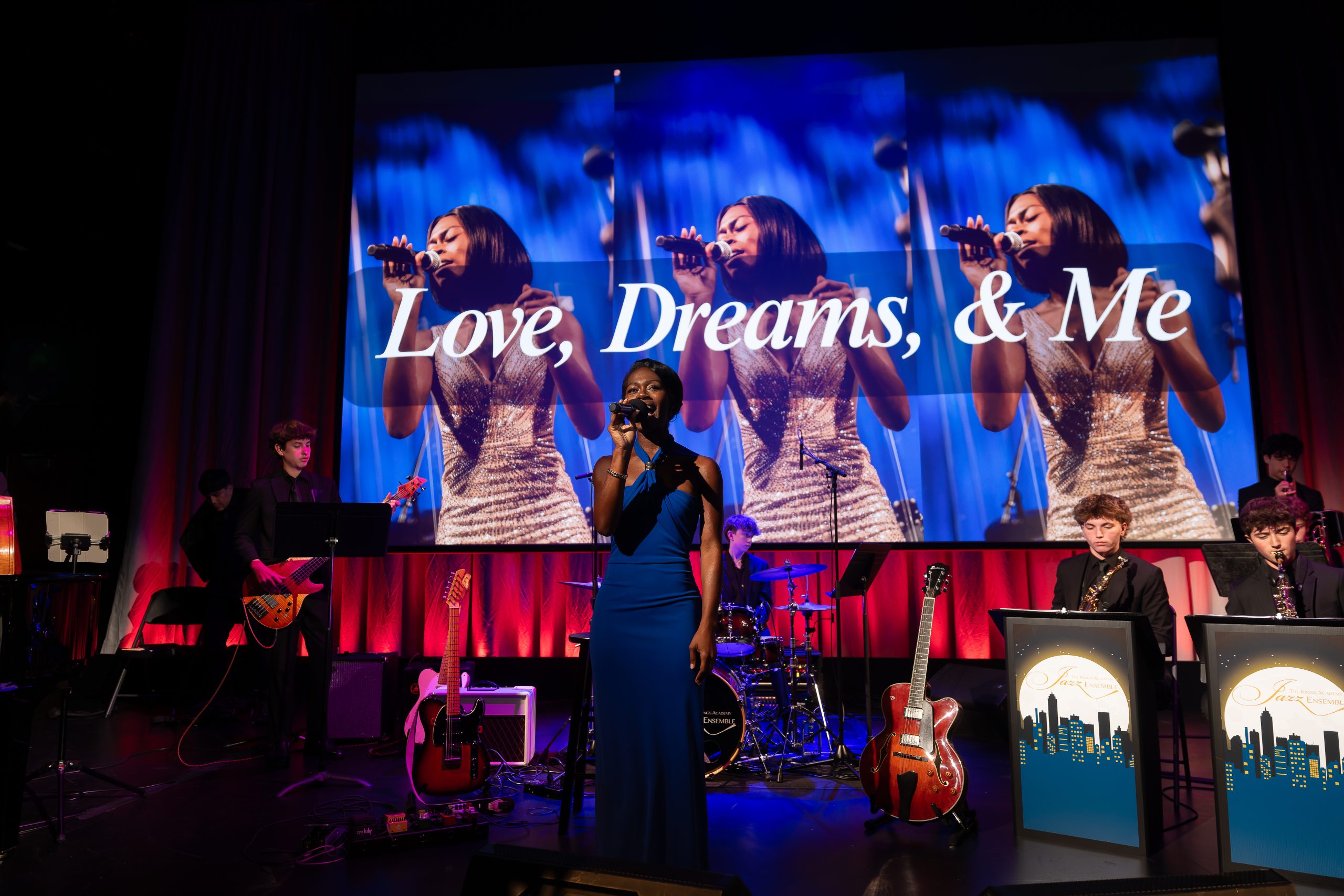
MIKAYLA SMITH
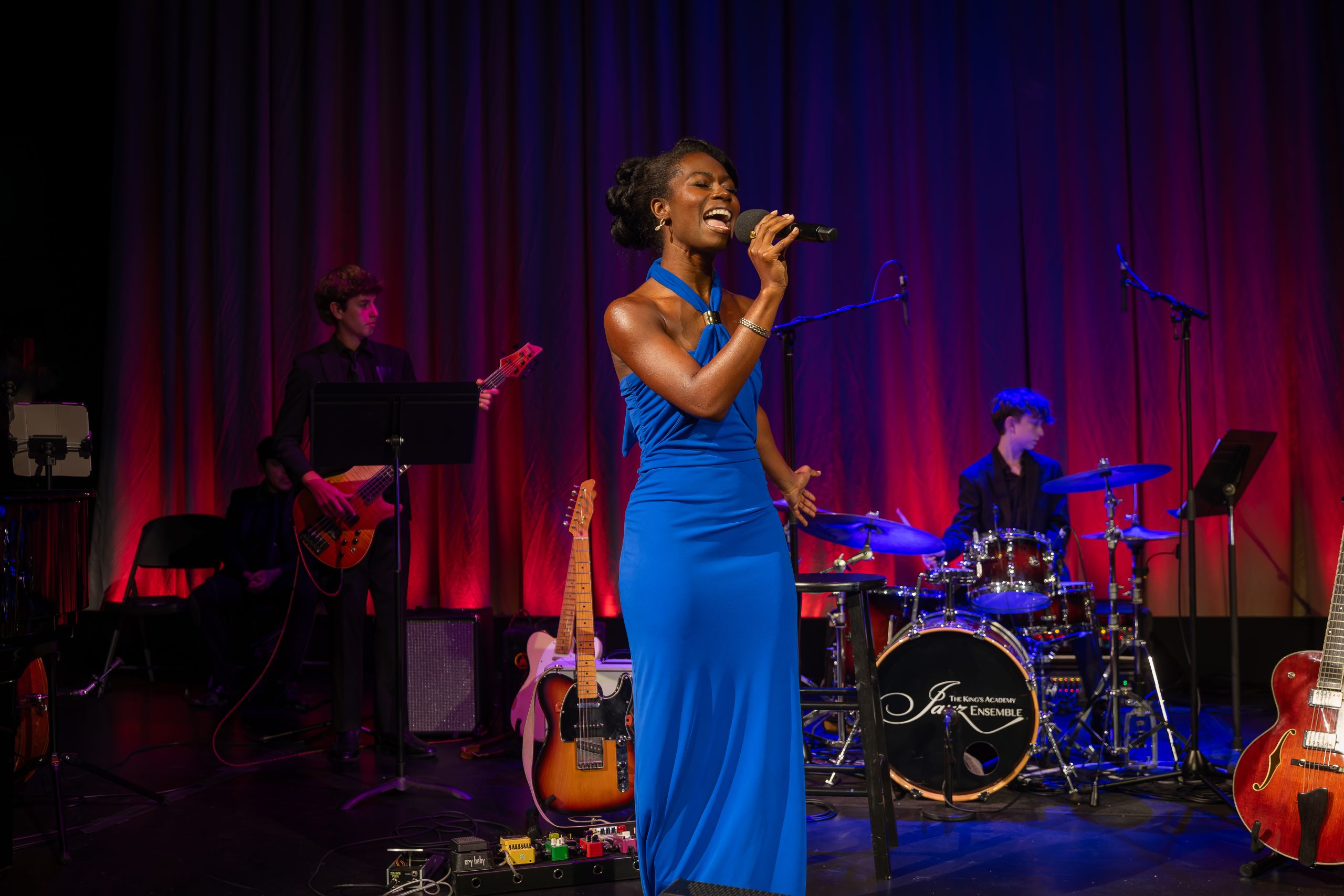
MIKAYLA SMITH

MIKAYLA SMITH & THE KINGS ACADEMY JAZZ ENSEMBLE
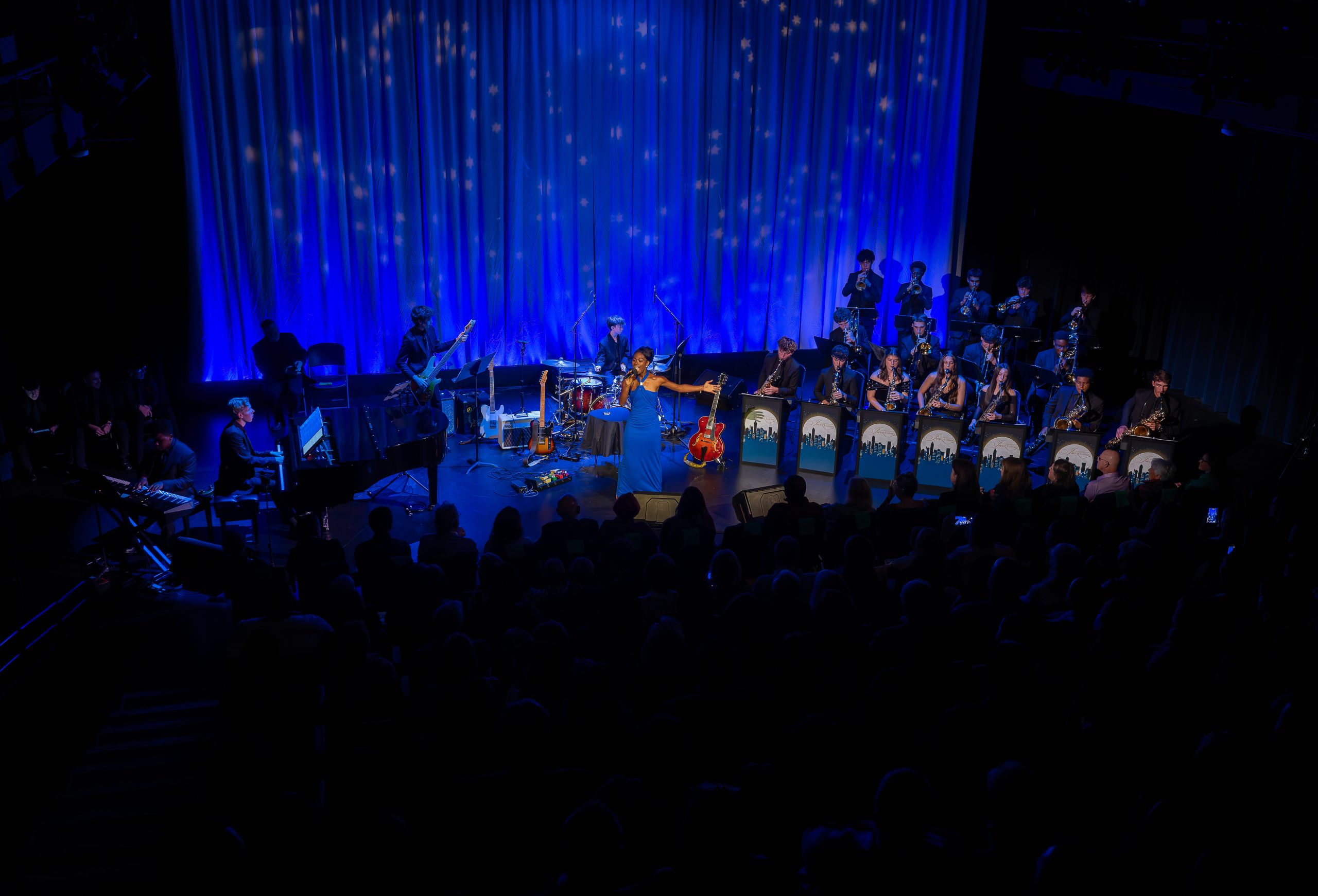
MIKAYLA SMITH
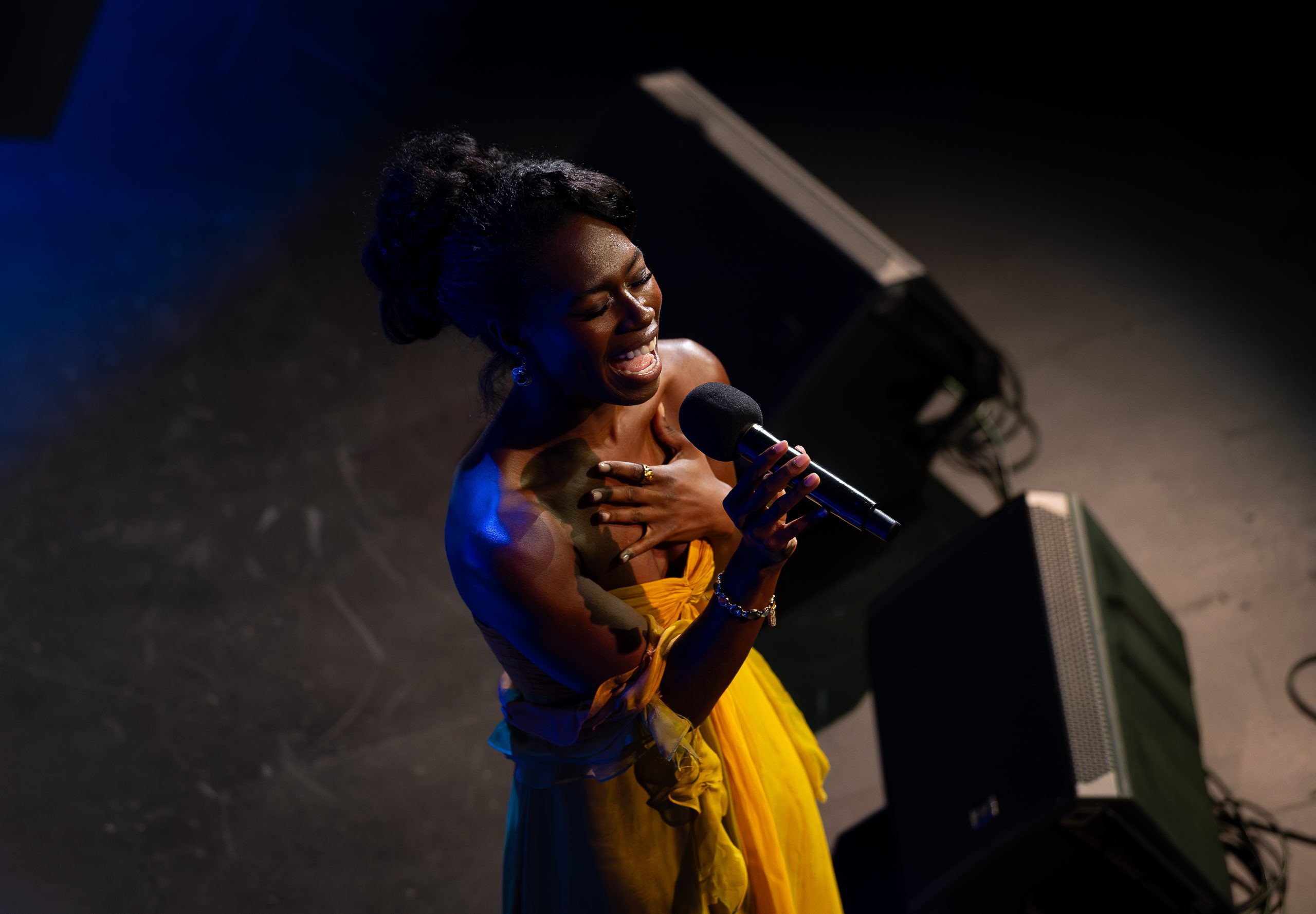
MIKAYLA SMITH
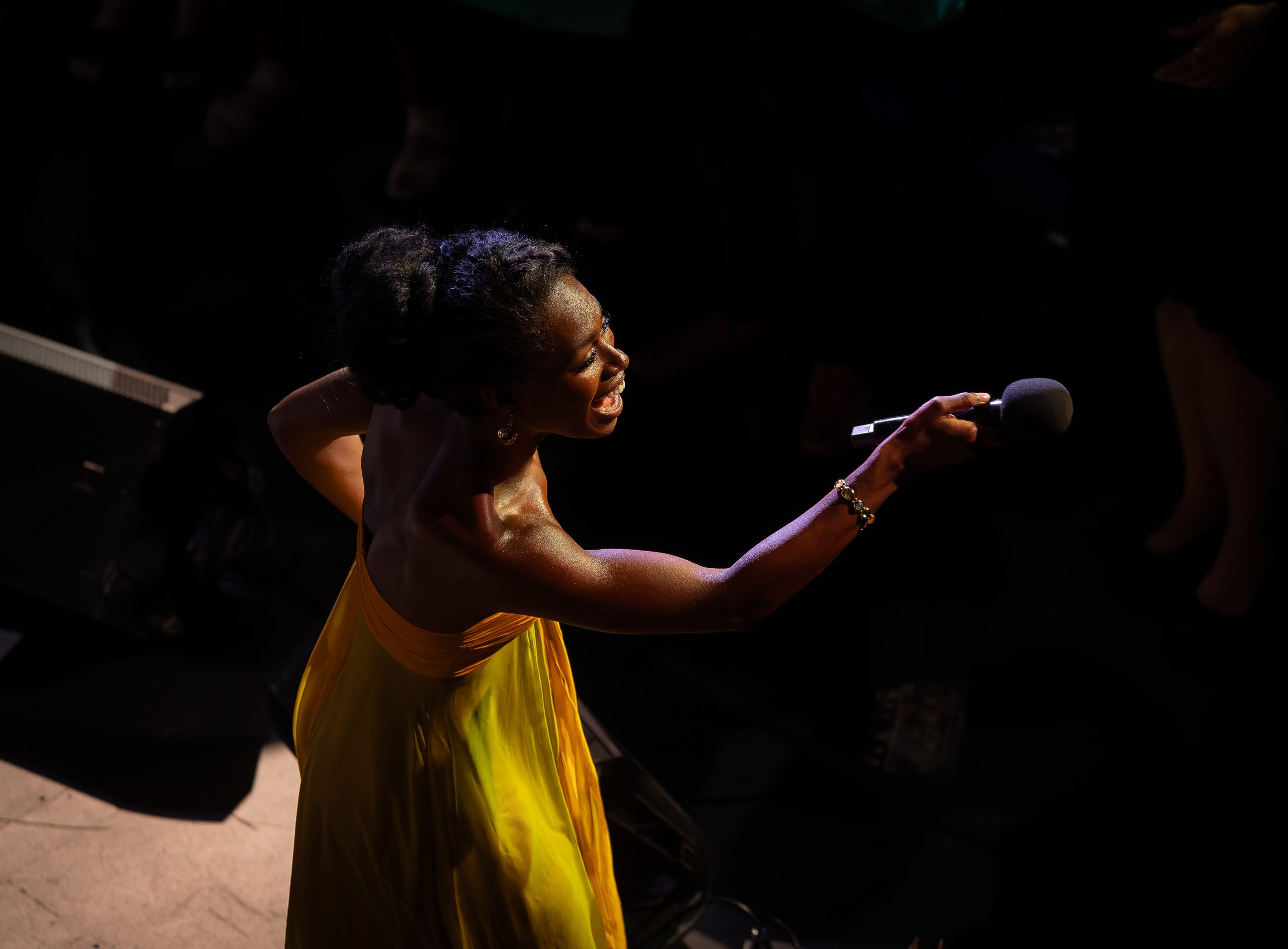
MIKAYLA SMITH

MIKAYLA SMITH
The Dutch Treat Club consistently delivers terrific guest speakers and entertainers, but the Tuesday Dutch Treat lunches have another delightful distinction: the impressive guests members invite. The October 27 gathering was a perfect example, with author James Gavin and jazz singer Anaïs Reno the headlined entertainment, while among the members’ special guests was none other than Tony- and Emmy-nominated Broadway/Television star Michele Lee. She joined in the festivities with characteristic warmth and graciously posed for selfies with fellow Dutch Treaters, making an already memorable afternoon even more special!
James Gavin, called “a killer biographer” by The Hollywood Reporter, started his presentation at the Dutch Treat Club with a vintage video of jazz legend, Anita O’Day, the subject of his latest biography, Cool Heat: The Dangerous Jazz Life of Anita O’Day. It was a fascinating glimpse into the life of this incredibly talented and troubled performer. Gavin related how she went from near death due to heroin addiction, to headlining at the JVC Jass Festival. We learned that her doctors had to manage her substance abuse, by keeping her on a codeine laced cough syrup for the rest of her life, after she lived through 13 years of heroin addiction, followed by alcohol and marijuana, all while keeping up a brutal performing pace with cheer and stunning vocals. The particularly fun surprise in Gavin’s talk, was the inclusion of a video featuring Sidney Myer, interviewing O’Day at Michael’s Pub. Myer, legendary, long-time booking manager, host, and award-winning cabaret artist, was in attendance on Tuesday, and added his remembrances of a rainy night where only 6 people were in the audience. Concerned, because of O’Day’s addiction reputation, he soon had nothing to fear, because she said she was a band singer and had a job to do. Myer said, “She wanted to lift up her audience whether there were 6 or 60, and she did!”
A Grammy nominee and two-time recipient of the ASCAP Deems Taylor-Virgil Thomson Award, Gavin is also a celebrated music journalist and worldwide public speaker. His writing has appeared in The New York Times, Vanity Fair, the Los Angeles Times, and other major publications, and he has made hundreds of radio and television appearances, including on NPR, the BBC, Today, Good Morning America, and PBS NewsHour.
Gavin then presented the dynamic young jazz interpreter, Anaïs Reno, a New York City-based singer and composer, who has headlined and been featured in venues such as Birdland, Dizzy’s, Ronnie Scott’s and the Edinburgh Jazz Festival. In 2021, she released her debut album, “Lovesome Thing,” celebrating Ellington and Strayhorn, and she recently released her second studio album titled “Lady of the Lavender Mist”. Accompanied on bass by the incredibly talented Sameer Shankar, you could have heard a pin drop as she commanded the space with a polish far beyond her years, on gorgeous arrangements of “Night and Day”, “A Nightingale Sang in Berkley Square” and “As Long As I Live”. Reno told us that she was intimidated to discover that she was the ONLY singer Gavin had requested for this day, and related that although she did not share the addictions of O’Day, she was inspired by her in many ways – but Reno clearly has her very own delightful charm and authenticity, holding us all spellbound as she wove a magical spell with her unique style and lush vocals.

SIDNEY MYER, EDA SOROKOFF, RAISSA KATONA BENNETT, MICHELE LEE
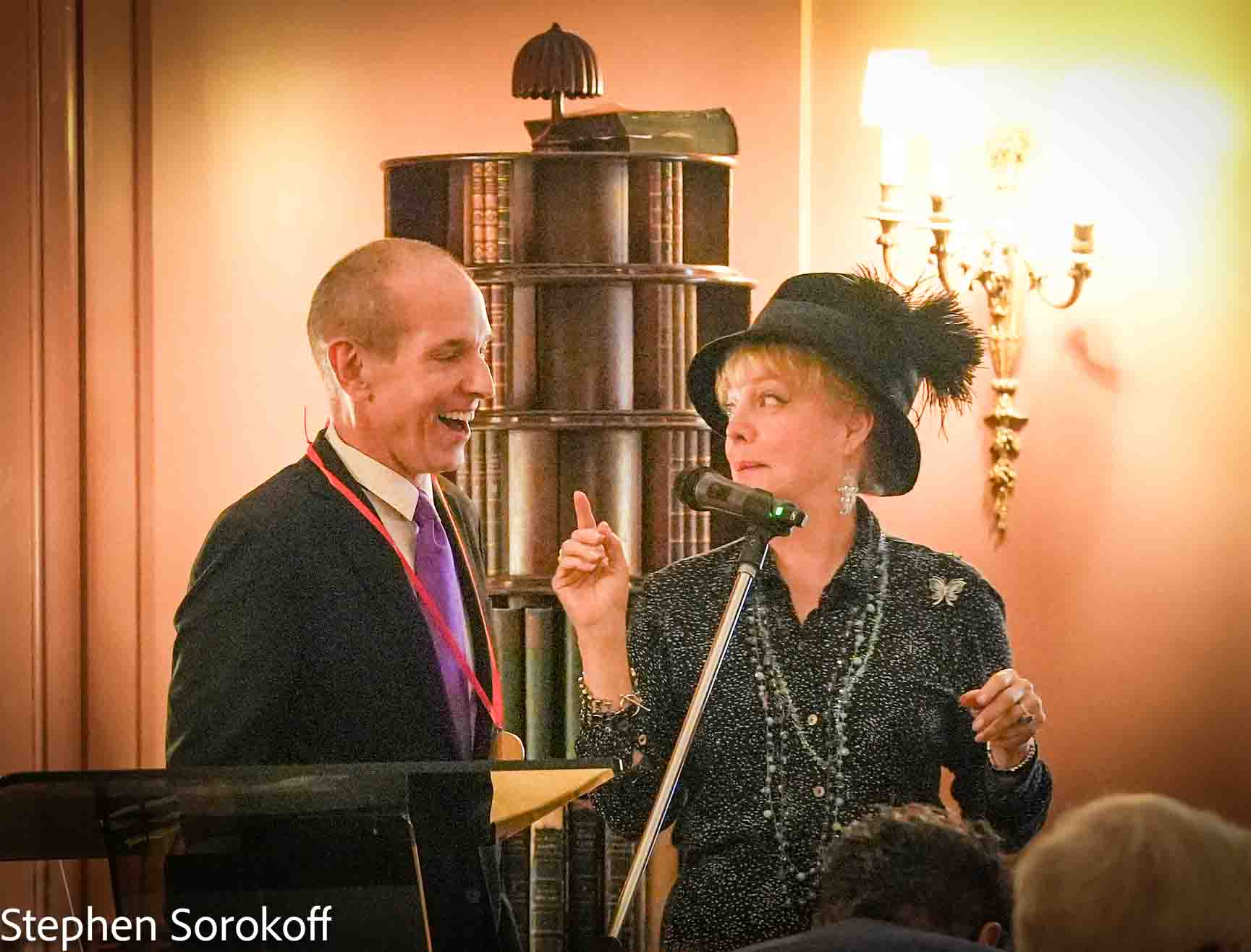
JAMES GAVIN & KT SULLIVAN
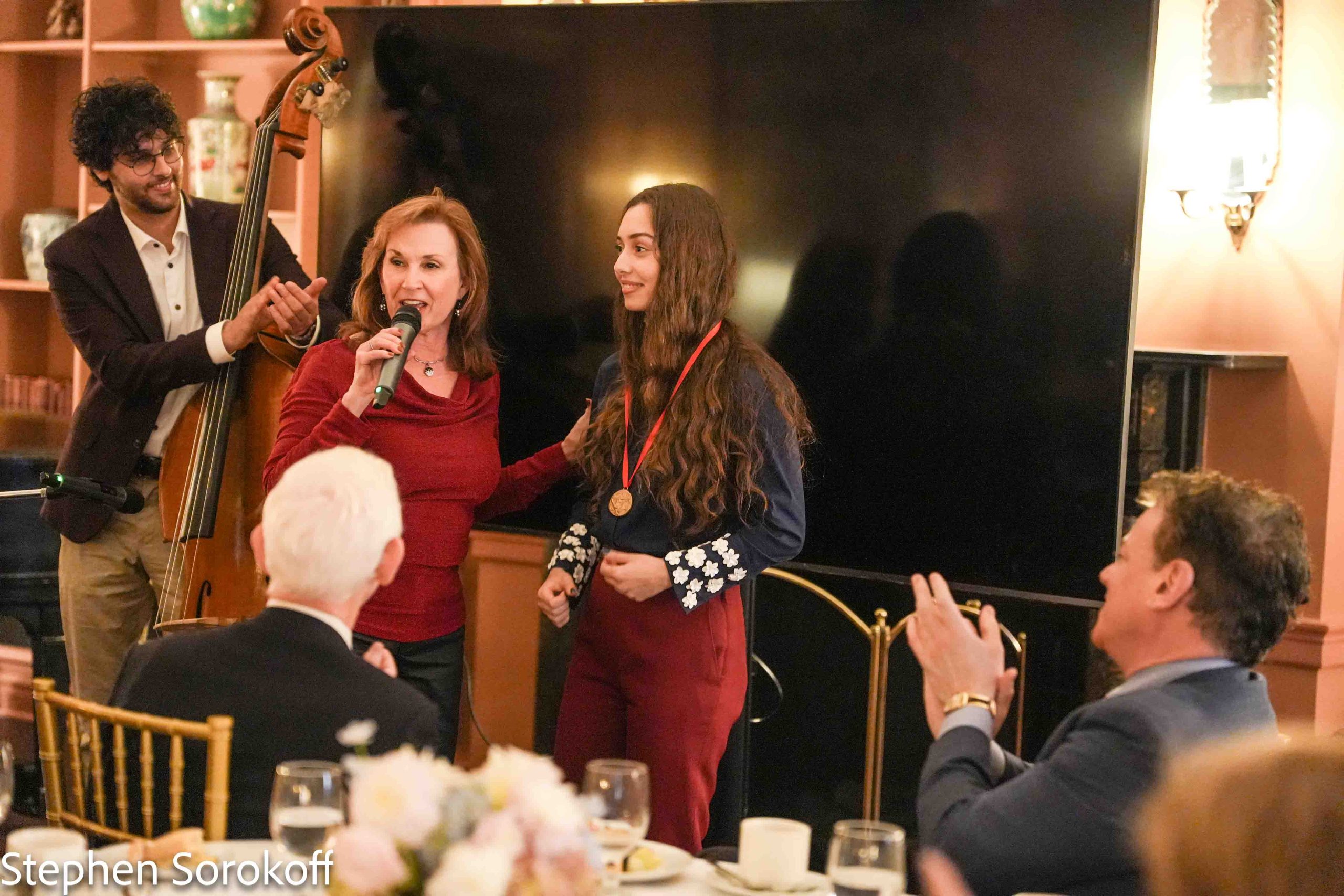
RAISSA KATONA BENNETT & ANAÏS RENO

JAMES GAVIN

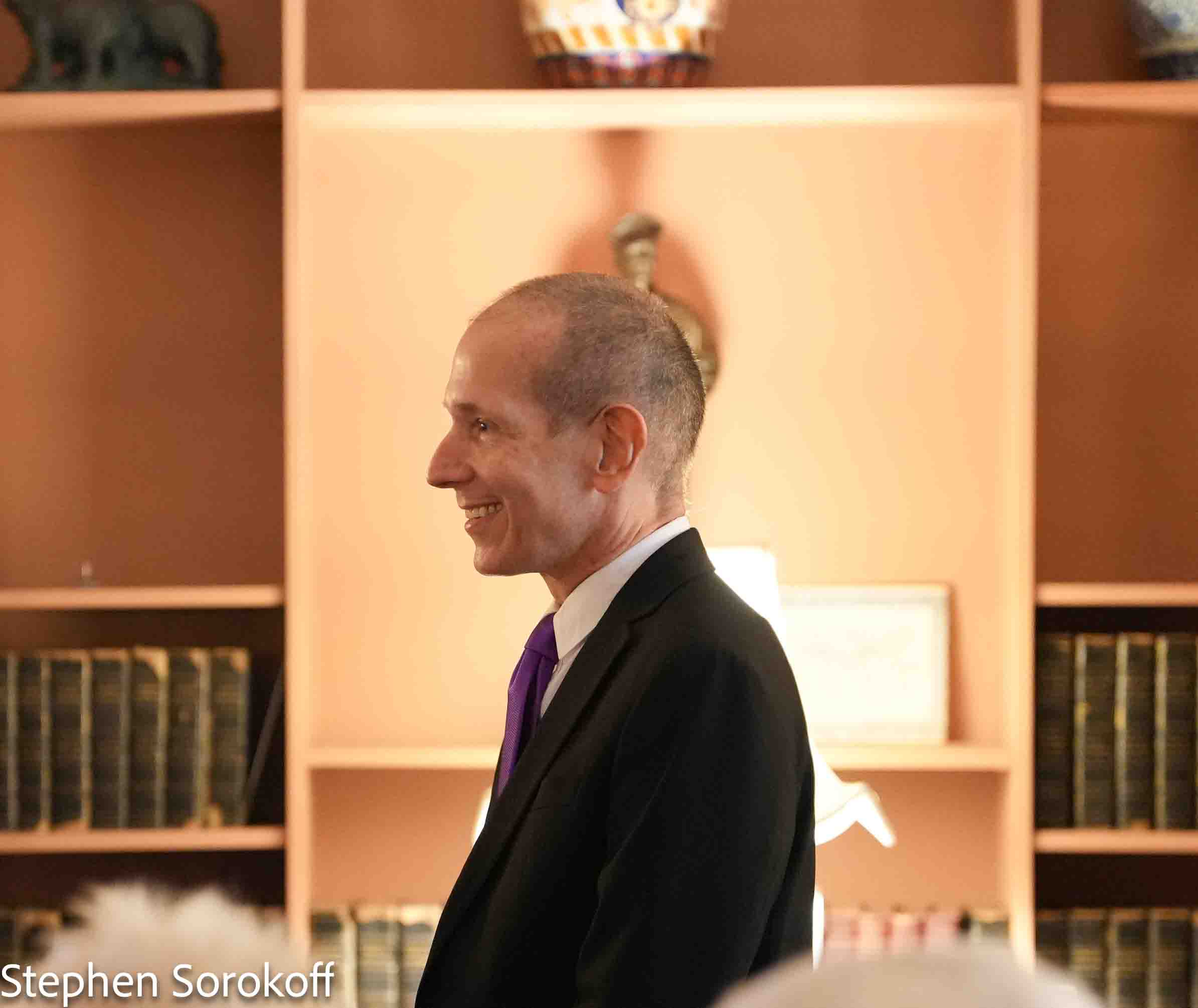
JAMES GAVIN

SAMEER SHANKAR & ANAÏS RENO

ANAÏS RENO
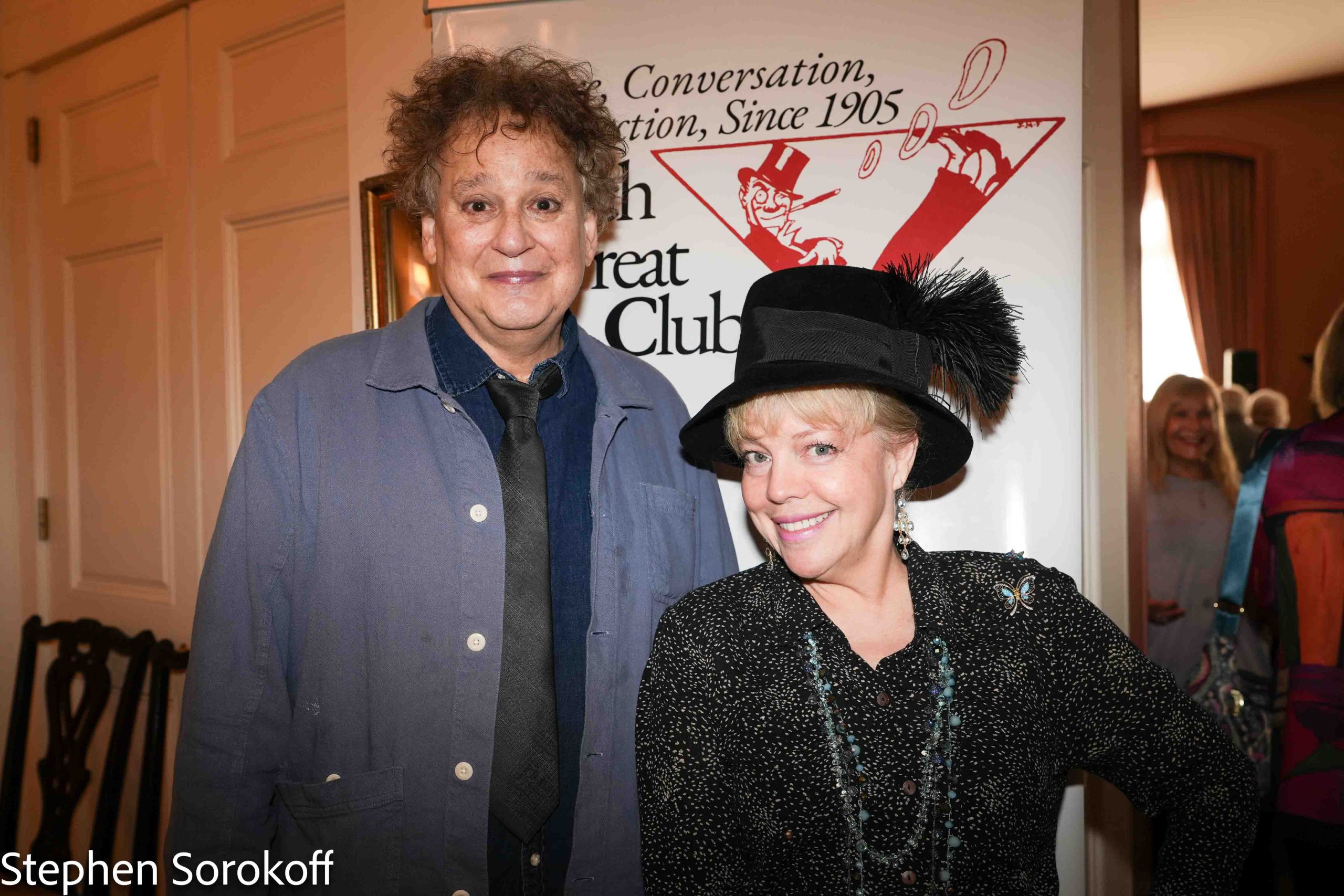
SIDNEY MYER & KT SULLIVAN

NANCY McGRAW & JAMES GAVIN

MICHELE LEE & ANAÏS RENO

SAMEER SHANKAR & ANAÏS RENO
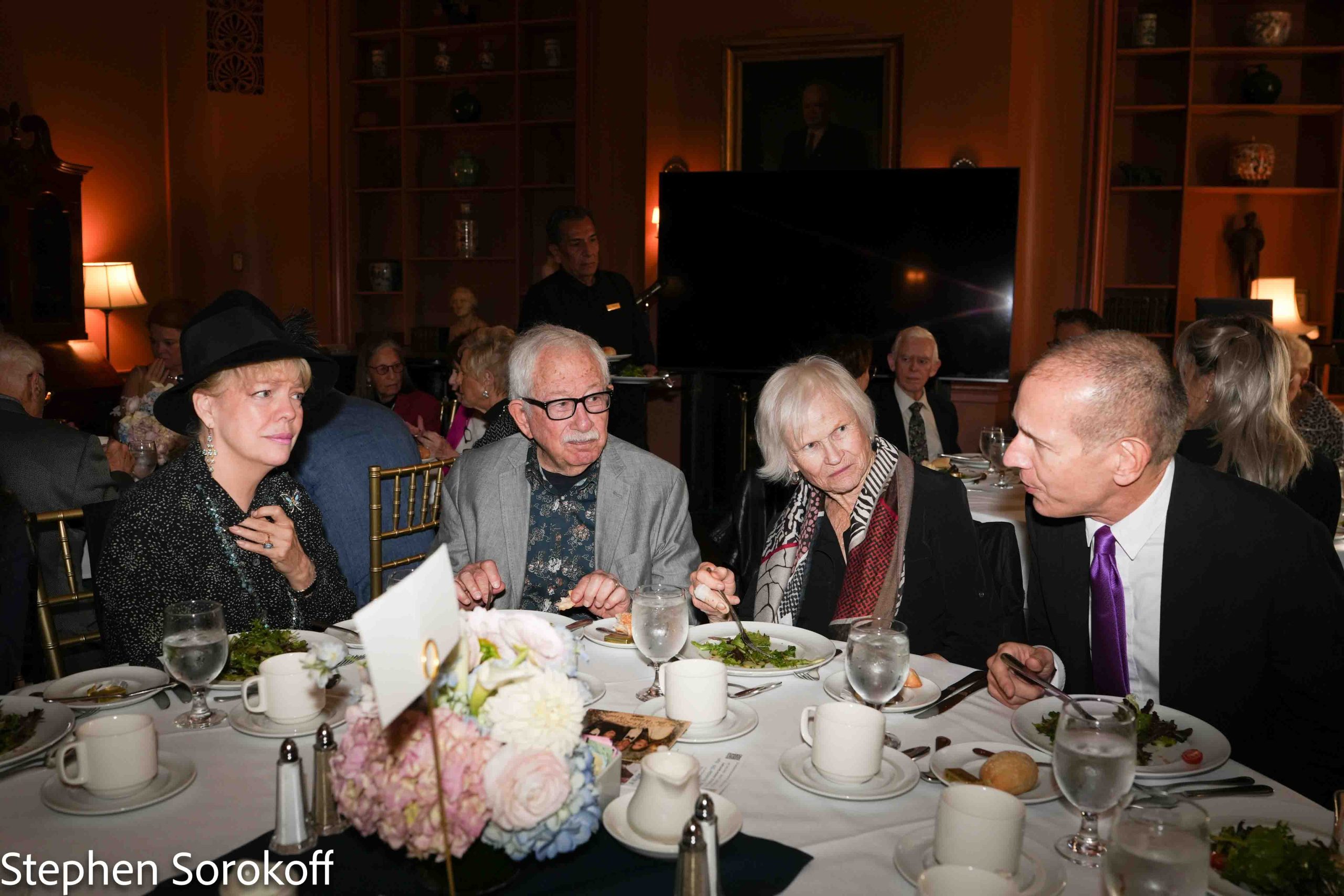
THE DUTCH TREAT CLUB

KT SULLIVAN & JAMES GAVIN
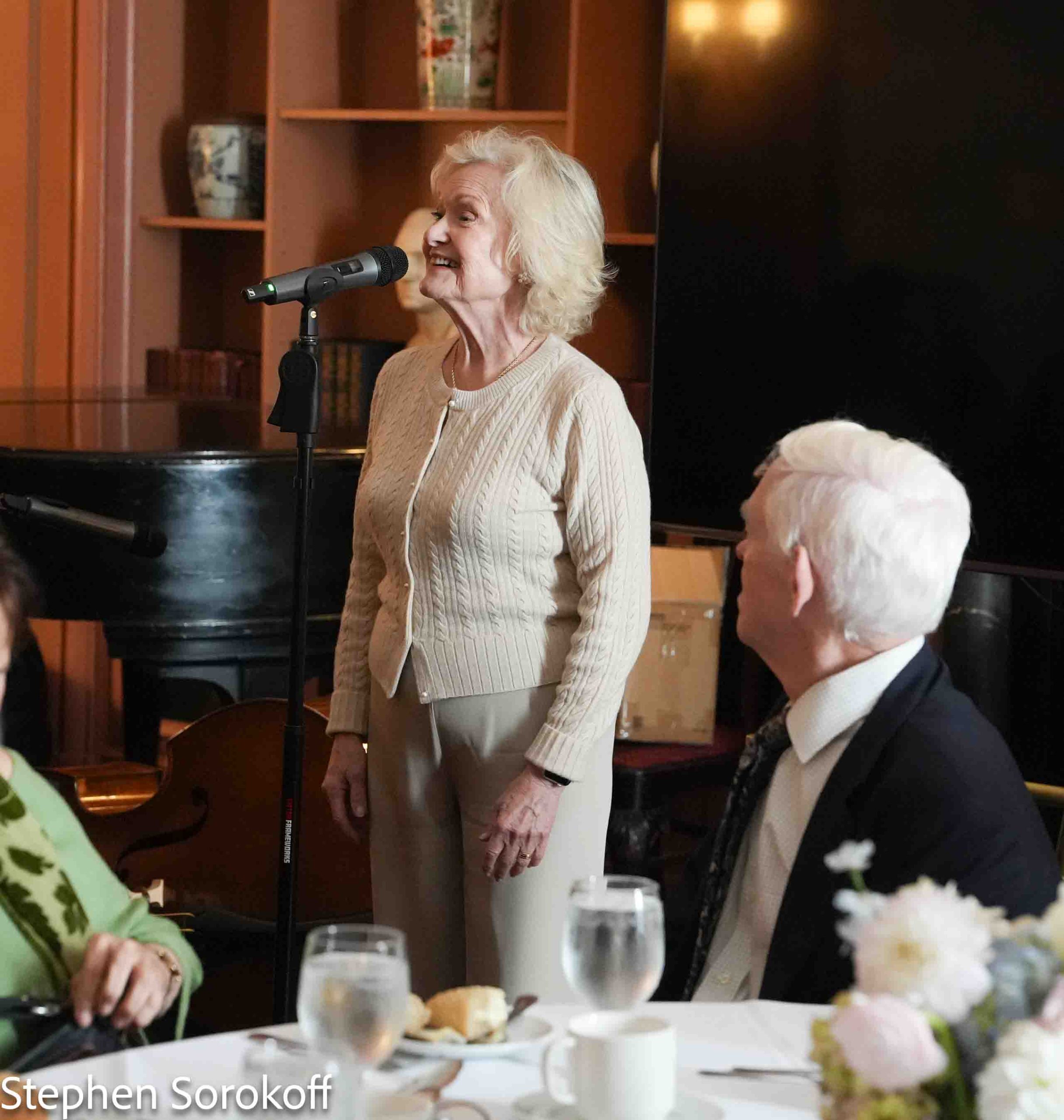
NANCY McGRAW
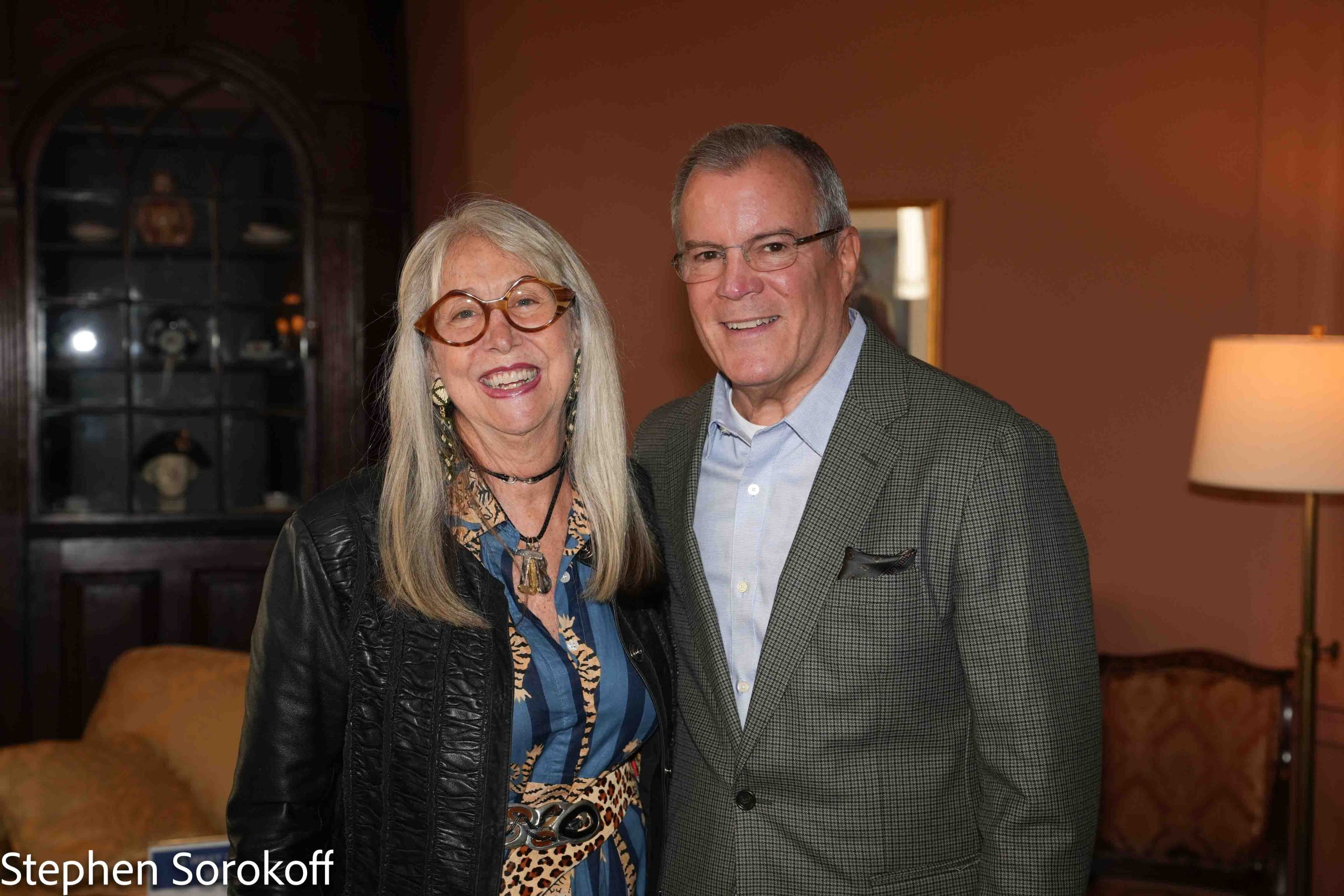
BONNE ROSEMAN & JERRY JOHNSON

There is a special kind of anticipation that comes with a perfectly chosen wine pairing—the promise that two distinct pleasures, brought together, will create something greater than the sum of their parts. The same excitement accompanies an evening with two extraordinary talents: Christine Ebersole with Billy Stritch, who opened a 5 night engagement at 54 Below last night.
Whether in a wineglass or on a stage, the secret is much the same: the right pairing can elevate two exceptional ingredients into something extraordinary. And when Christine Ebersole is on stage with Billy Stritch serving as music director, the result is a vintage all their own.
Over the course of their distinguished careers, both have performed individually with an exceptional roster of singers and musicians. Having enjoyed the privilege of seeing many of these performances, I can attest that when Christine and Billy come together, the result is something quite special. Their musical chemistry, impeccable harmonic and melodic sophistication create a synergy that transforms a performance into an experience.
Christine’s exquisitely nuanced voice blends haunting beauty with an irresistible playful sparkle, mesmerizing the sold-out opening-night audience at 54 Below from her very first note to a final whisper that seemed to linger in the legendary club’s intimate air—especially on ballads, where she completely held the audience spellbound.
Billy’s sophisticated keyboard artistry and warmly expressive vocals offered the perfect musical complement. Together, they create a musical conversation that keeps you eagerly anticipating every musical turn they take. Add the natural wit and affectionate banter of a friendship spanning 25 years, and the magic becomes all the more apparent.
Speaking of pairings, there’s a special kind of magic when wonderful company, a delicious dinner, and great entertainment come together in one unforgettable evening. Eda & I found that magic once again at 54 Below, where we shared our table with American Theatre Wing Board member Nadine Wang and her friend Barbara Waldman. Between the lively conversation, and the excitement of live performance, it was another evening to savor. There’s the reason they call 54 Below Broadway’s living room!
The song list was inspired and Billy’s tasteful arrangements were impeccably executed by the Maestro at the piano, Michael O’Brien, Bass, Warren Odze, Drums, & Aaron Heick, Reeds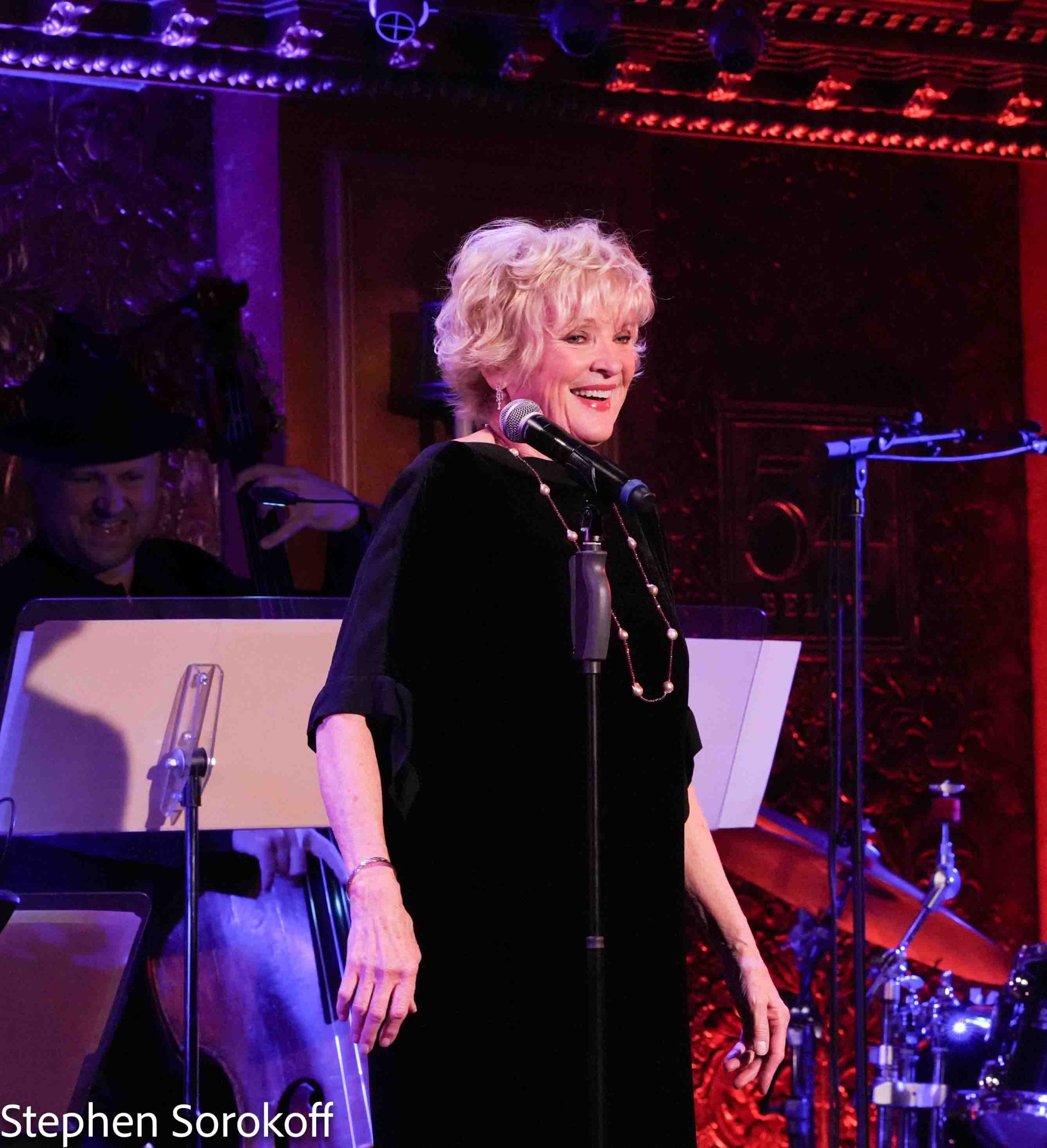

CHRISTINE EBERSOLE & BILLY STRITCH

BILLY STRITCH & CHRISTINE EBERSOLE

BILLY STRITCH & CHRISTINE EBERSOLE
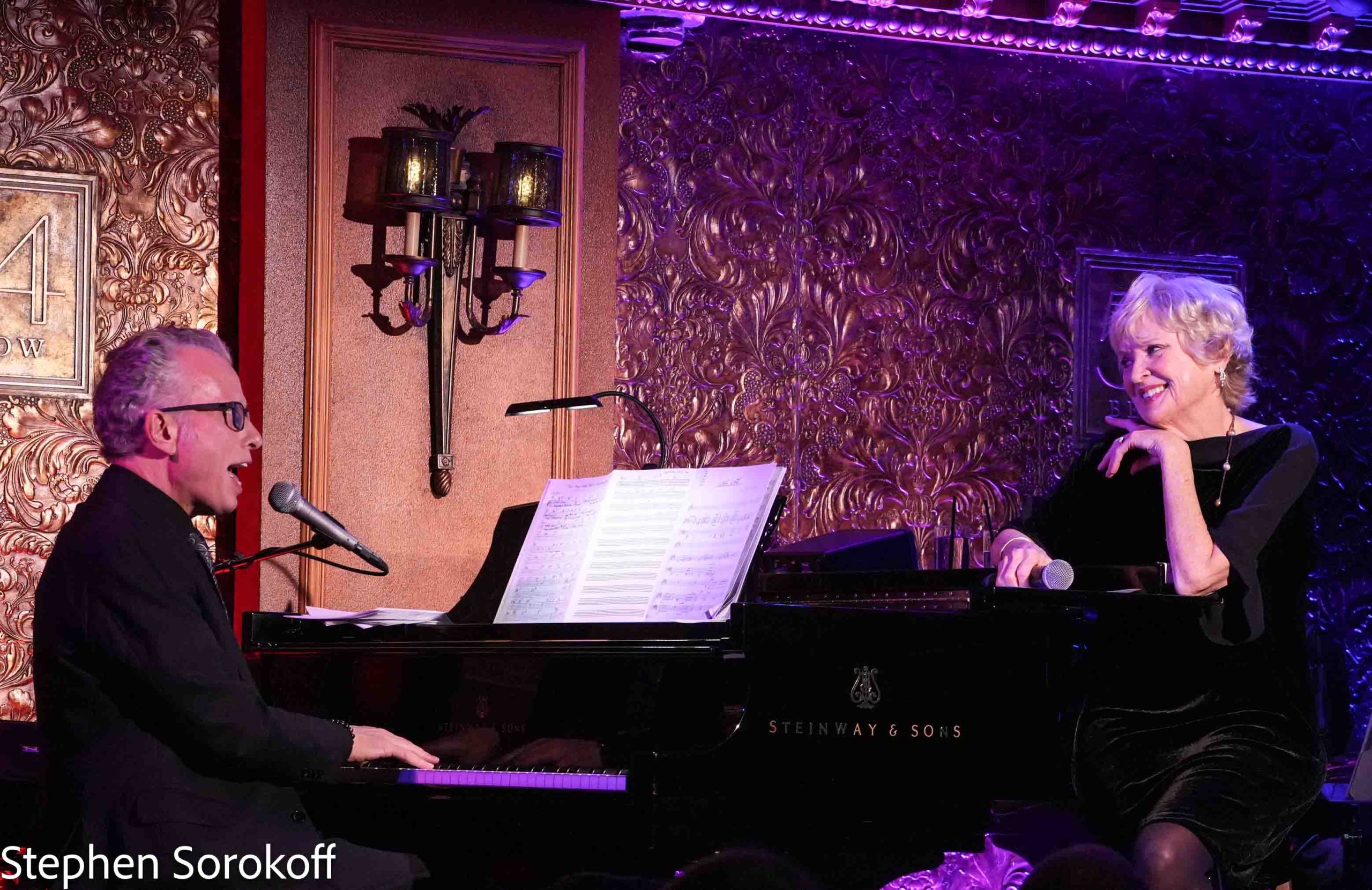
BILLY STRITCH & CHRISTINE EBERSOLE
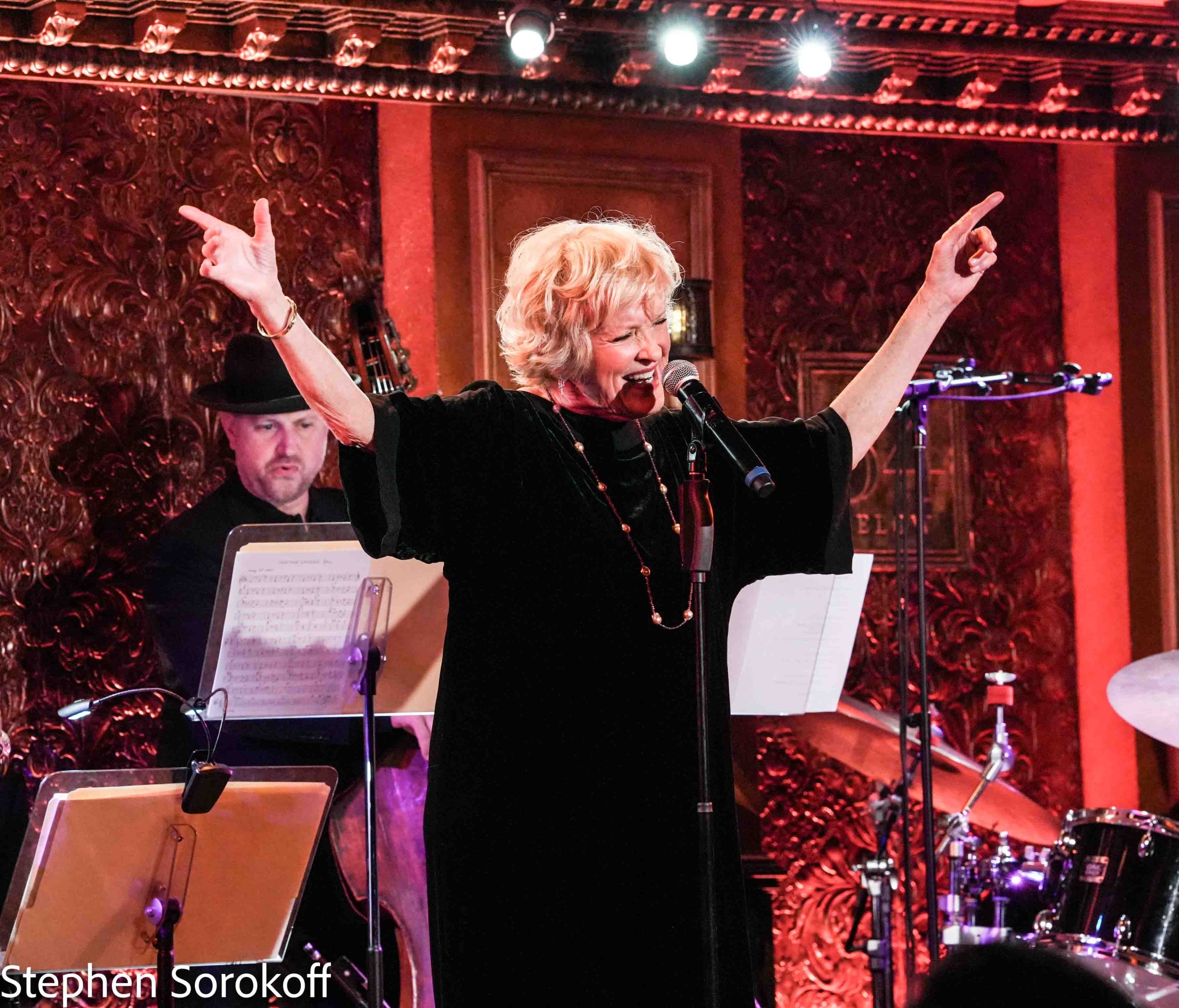
CHRISTINE EBERSOLE

BILLY STRITCH & CHRISTINE EBERSOLE
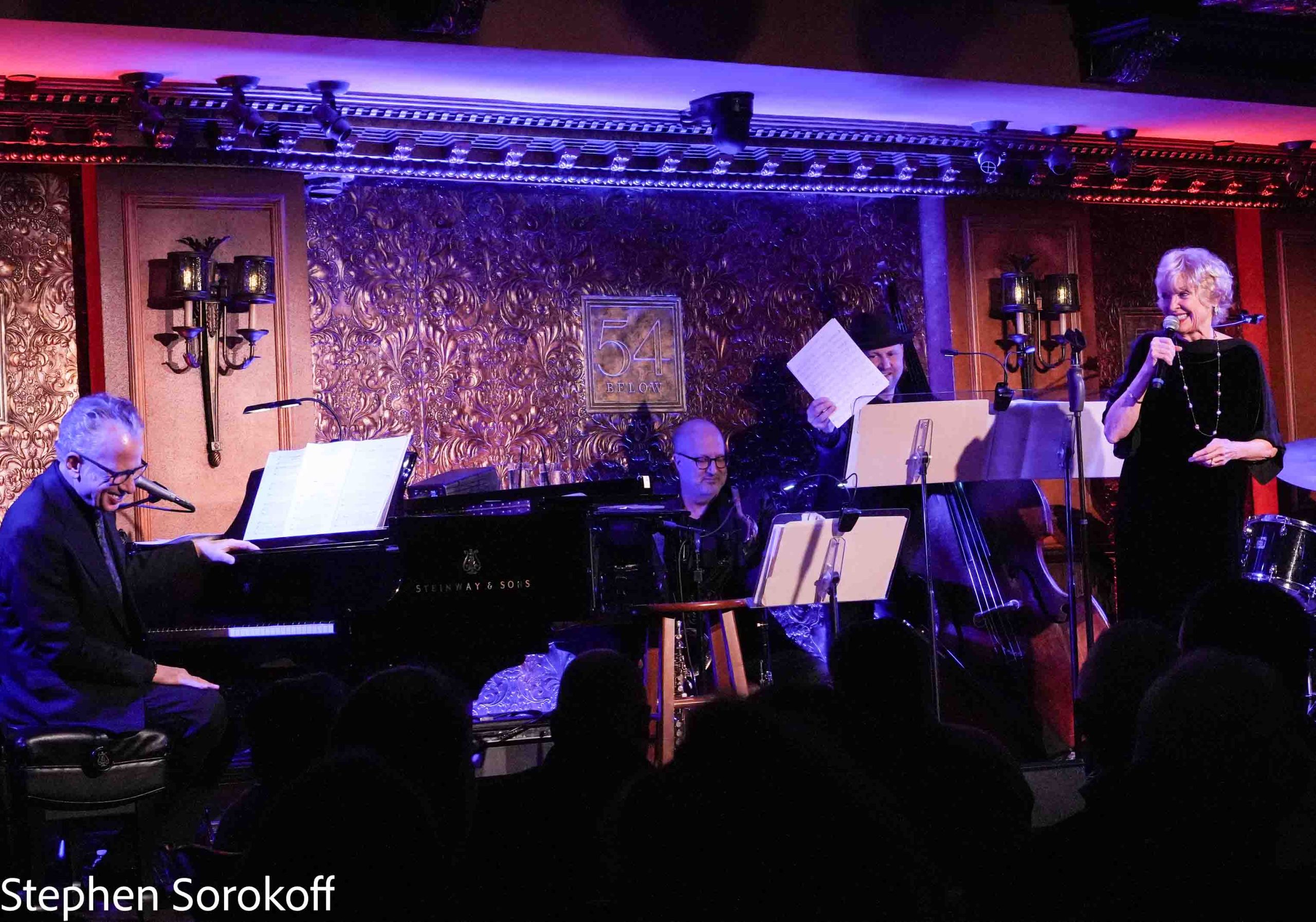
BILLY STRITCH & CHRISTINE EBERSOLE
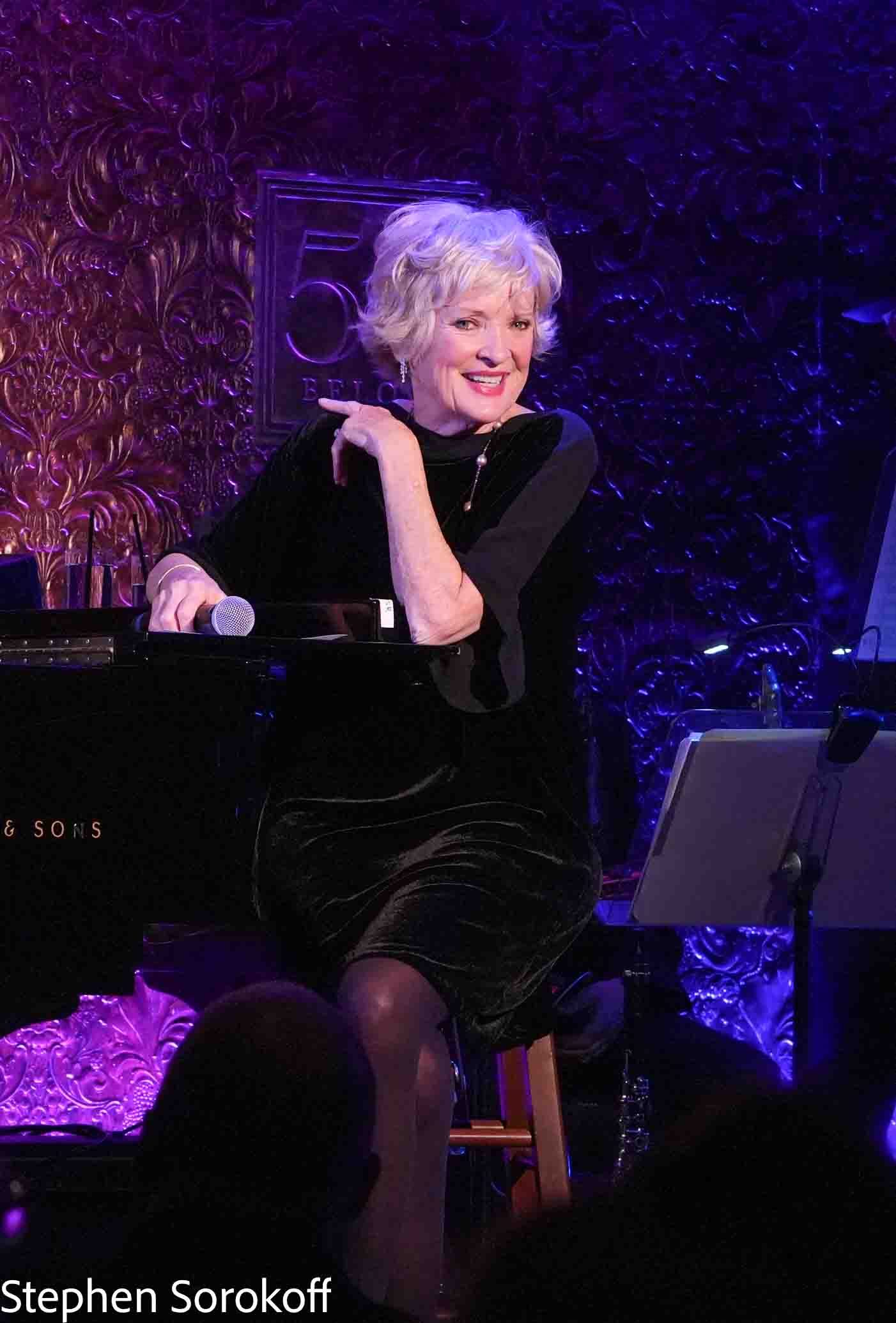
CHRISTINE EBERSOLE
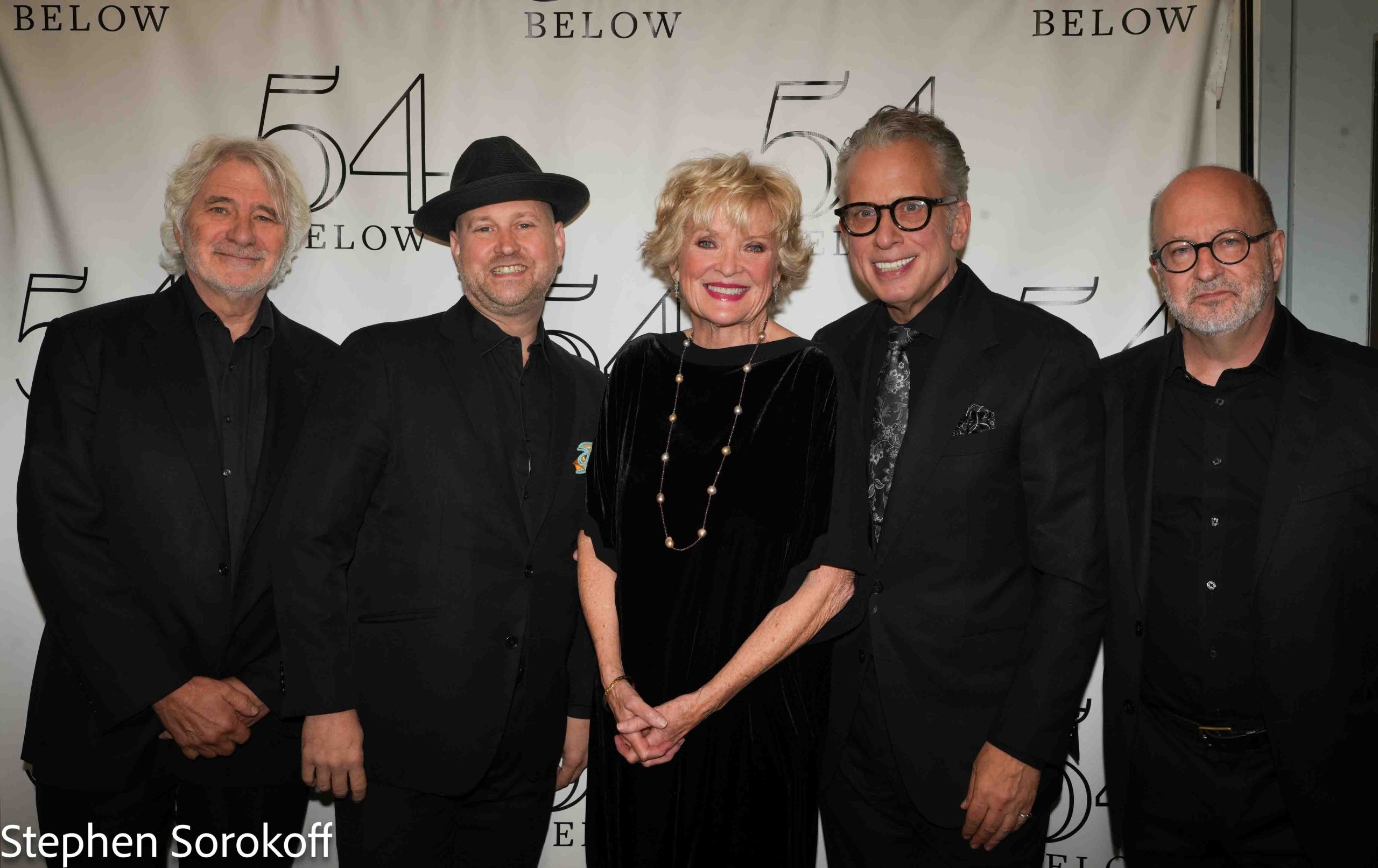
WARREN ODZE, MICHAEL O’BRIEN, CHRISTINE EBERSOLE, BILLY STRITCH, AARON HEICK
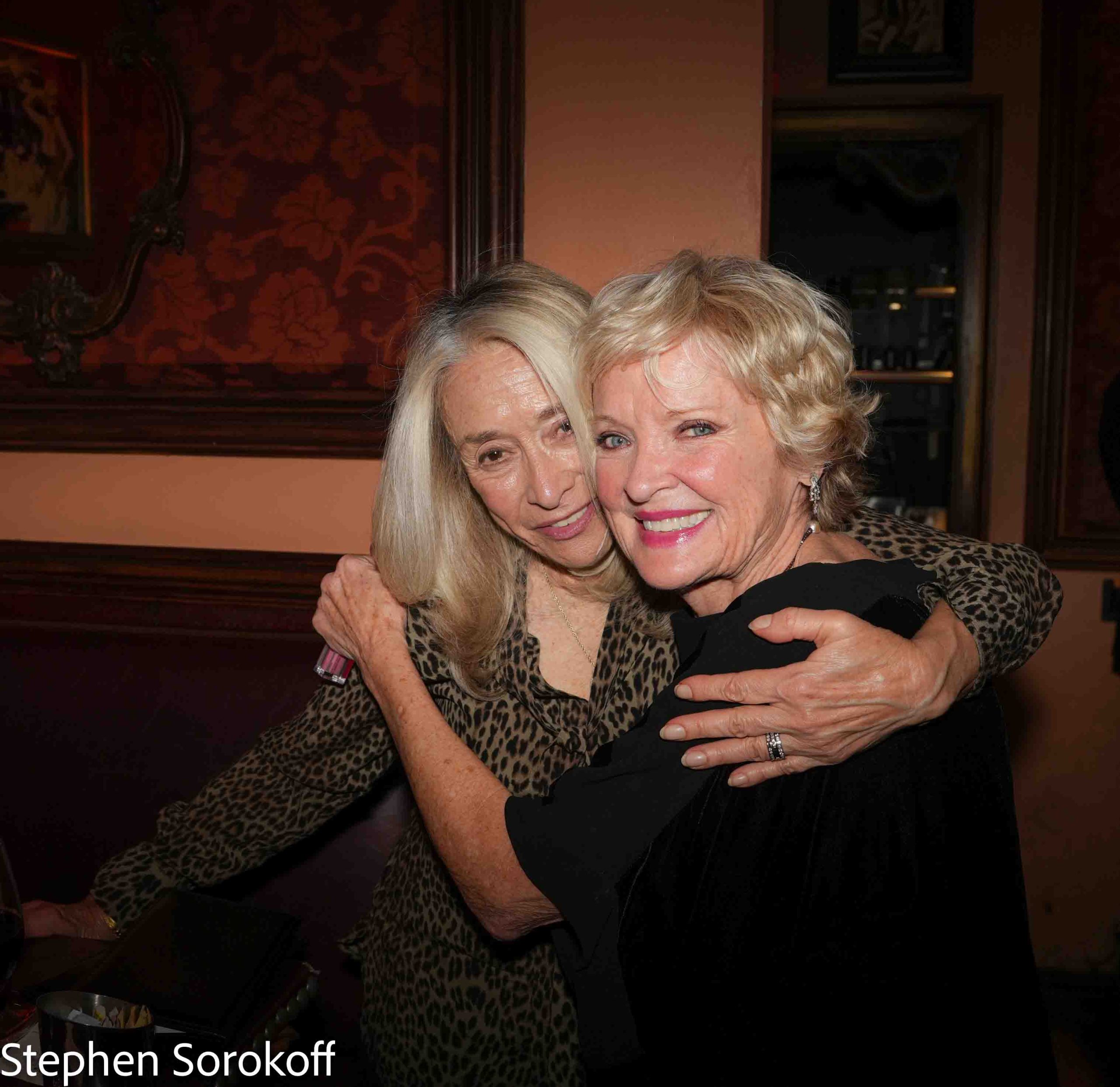
EDA SOROKOFF & CHRISTINE EBERSOLE
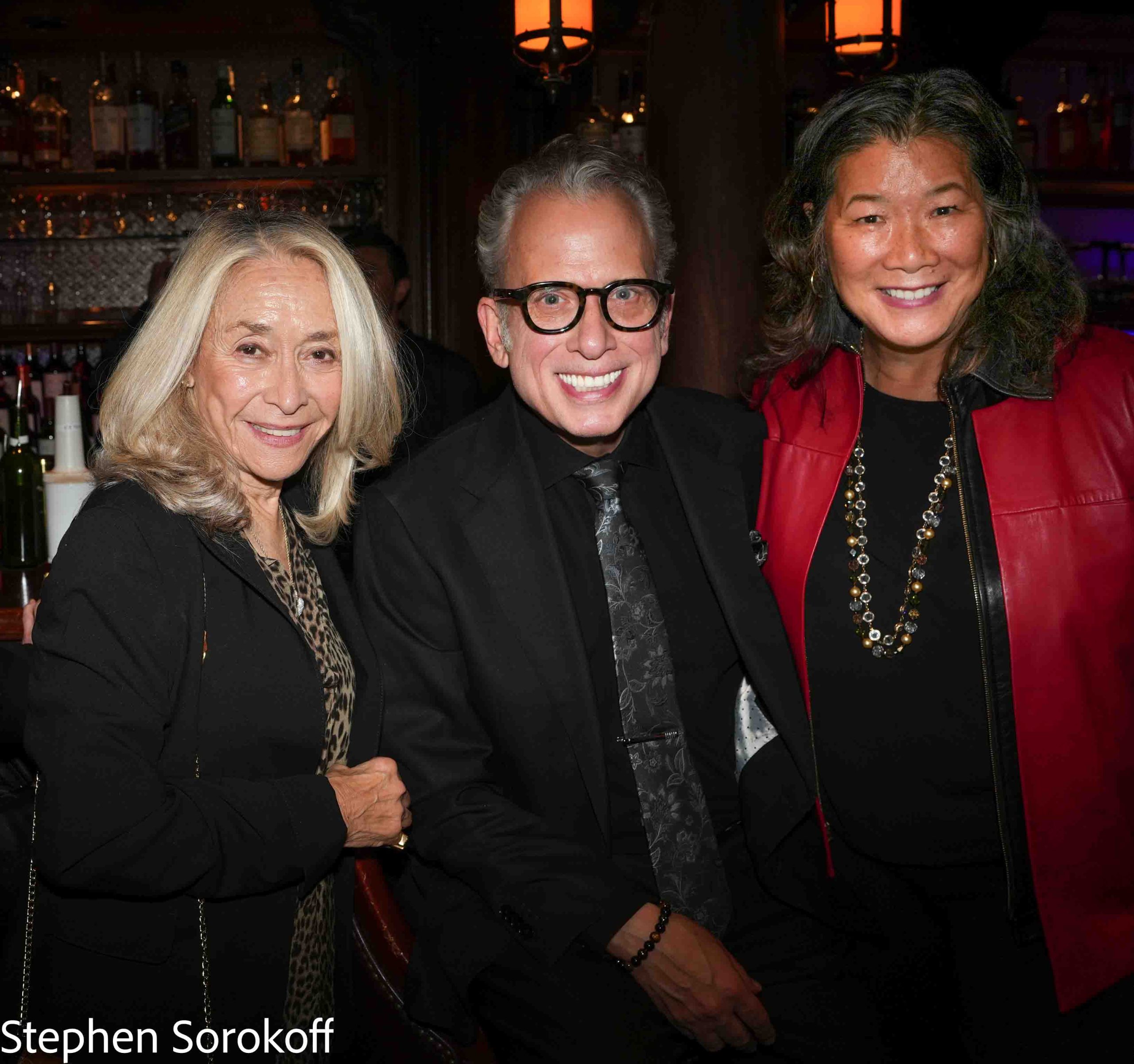
EDA SOROKOFF, BILLY STRITCH, NADINE WONG

NADINE WONG, EDA SOROKOFF, BARBARA WALDMAN


The Glorious Corner

Six Plays, One Night: Inside The 24 Hour Plays on Broadway

Prince Mario-Max Schaumburg-Lippe Counted The 20 Years Celebration Of Families First Of Palm Beach In Here Are The Photos!

Only 13% of CIOs Say AI Has Delivered Significant Value. The Gap Comes Down to Measurement

24 Hour Plays on Broadway: A Timeless Tradition

2:22 – A Ghost Story: The Loudest Thing in the Room Isn’t the Ghost

Rockers on Broadway 33: In Pictures

Prince Mario-Max Schaumburg-Lippe Special Royal Celebrity Appearance For Families First Palm Beach Today!
The Glorious Corner
Six Plays, One Night: Inside The 24 Hour Plays on Broadway
Prince Mario-Max Schaumburg-Lippe Counted The 20 Years Celebration Of Families First Of Palm Beach In Here Are The Photos!
Only 13% of CIOs Say AI Has Delivered Significant Value. The Gap Comes Down to Measurement
24 Hour Plays on Broadway: A Timeless Tradition
2:22 – A Ghost Story: The Loudest Thing in the Room Isn’t the Ghost
Rockers on Broadway 33: In Pictures
Prince Mario-Max Schaumburg-Lippe Special Royal Celebrity Appearance For Families First Palm Beach Today!
-

 Film3 days ago
Wild Horse Nine Gives John Malkovich and Sam Rockwell a Killer Double Act
-

 Entertainment3 days ago
Prince Mario-Max Schaumburg-Lippe NEW SERIES: Inside The Unions, From SAG-AFTRA’s Sean Astin, it’s Health Plan’s Michael Estrada, AGVA’r Rockettes At Radio City Music Hall and more…
-

 Broadway4 days ago
Rockers on Broadway 33 Part Two: Corey Glover — A Rock Legend Who Refused to Play by the Rules
-

 Cabaret4 days ago
My View: Guess Who’s Coming To Dinner? Marilyn Maye at The Dutch Treat Club
-

 Broadway3 days ago
Rockers on Broadway 33 Part Three: Celebrating Duncan Sheik and the Revolutionary Spirit of Spring Awakening
-

 Business3 days ago
Enterprise AI Spending Hits Roughly $177 Billion as Agents Outrun Budgets
-

 Broadway4 days ago
A Few Good Men: Michael Arden’s Brilliant Broadway Revival Is a Masterclass in Theatrical Precision
-

 Entertainment4 days ago
Prince Mario-Max Schaumburg-Lippe – The Working Royal: The Lesson of Love We Inherited From My Royal Grandmother Princess Feodora Of Denmark!