
Music
Georgia Stitt’s Bell Tower Songbook Gives Broadway’s Most Poetic Composer a Permanent Place on the Music Stand


There are Broadway composers who write songs for productions, and then there are composers who quietly build a musical vocabulary that lives beyond the stage. With the release of Bell Tower and Other Art Songs, Georgia Stitt firmly plants herself in the latter category.
Released by Concord Theatricals Recordings in both digital and print editions, the collection gathers 35 songs spanning nearly three decades of Stitt’s career, offering singers, teachers, coaches and recital programmers something increasingly rare: contemporary art songs that feel equally at home in the concert hall and the theatre.
The publication arrives just months after the release of Bell Tower, Stitt’s acclaimed recording featuring 26 theatrical art songs interpreted by some of Broadway’s most celebrated voices. Rather than existing as a companion piece, the new songbook transforms the recording into a living repertoire, inviting performers everywhere to make the music their own.

Georgia Stitt Photo by Matthew Murphy
That accessibility has always been central to Stitt’s writing.
“My compositional voice has always lived in the shared space between classical and musical theatre,” Stitt says. “These poems are actable, funny, both literary and common, and I am delighted that they are now part of the art song canon.”
It’s a fitting description for a composer whose work has consistently resisted easy categorization.

Georgia Stitt, Mairi Dorman-Phaneuf (cello) Rebecca Luker
The collection includes the complete Alphabet City Cycle, downloadable instrumental parts for singers and teachers, and a carefully curated selection of songs written between the late 1990s—when Stitt was still an undergraduate at Vanderbilt University’s Blair School of Music—and “The Trumpet,” composed in 2025. Together they chart not only the evolution of a composer but the steady refinement of an artistic voice that has become unmistakably her own.
If the music feels theatrical, so does the roster of artists who have championed it.

Georgia Stitt, Kate Baldwin Photo by Heather Gershonowitz
The Bell Tower album features performances by Broadway luminaries including Kate Baldwin, Sierra Boggess, Tituss Burgess, Nikki Renée Daniels, Andrea Jones-Sojola, Marc Kudisch, Rebecca Luker, Ruthie Ann Miles, Kelli O’Hara, and two-time Grammy Award winner Hila Plitmann—an extraordinary lineup that speaks as much to Stitt’s reputation within the industry as it does to the quality of the material itself.

Tituss Burgess, Georgia Stitt
The title Bell Tower draws inspiration from Rainer Maria Rilke, but the poetry collected throughout the volume spans an impressive literary landscape. Stitt sets texts from Sara Teasdale, Dorothy Parker, Edna St. Vincent Millay, Christina Rossetti, Georgia Douglas Johnson, and many others, while also embracing contemporary voices and commissioned works from playwrights and lyricists including Angelica Chéri, Mindi Dickstein, Anika Chapin, Faye Greenberg, and Ta’Rea Campbell.
The result is a songbook that feels remarkably democratic. Great poetry appears alongside words discovered in unexpected places—including a poem by Alicia Partnoy first encountered in a New York City subway advertisement—proving that inspiration is rarely confined to traditional literary spaces.
At a time when young performers are increasingly searching for repertoire that reflects contemporary language and emotional complexity, Bell Tower and Other Art Songs arrives as both a practical resource and an artistic statement. These aren’t museum pieces. They’re living works, crafted to be interpreted, inhabited, and passed from one generation of singers to the next.
More than a collection of sheet music, the volume serves as a portrait of a composer who has spent three decades writing at the intersection of storytelling and song. In doing so, Georgia Stitt has quietly expanded what the American art song can be—lyrical without being precious, theatrical without sacrificing musical sophistication, and deeply human throughout.
Bell Tower and Other Art Songs is now available in both print and digital editions through Concord Theatricals Recordings.




Music
Midnight: Todrick Hall Has Created a Musical Masterpiece That Broadway Cannot Afford to Ignore
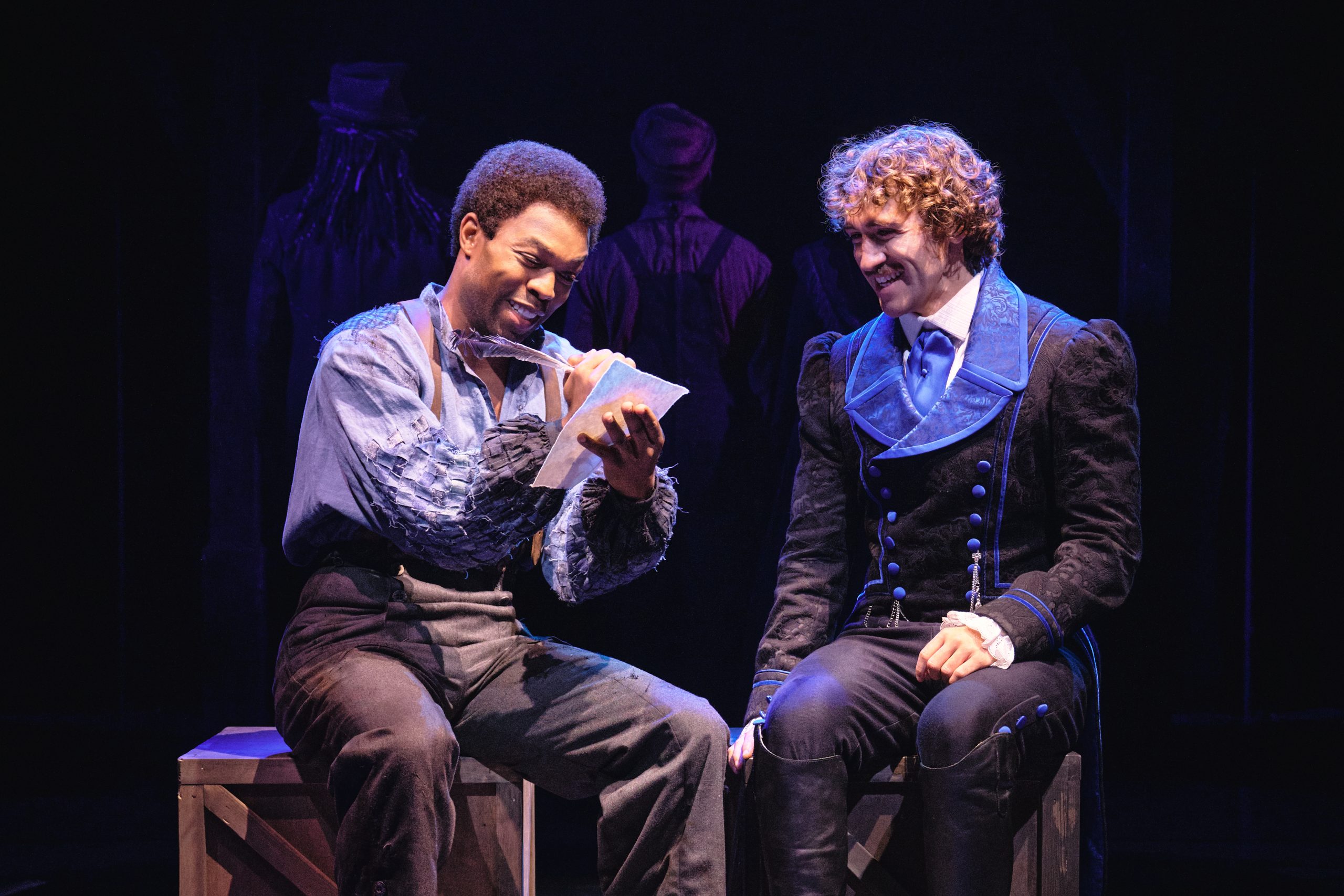
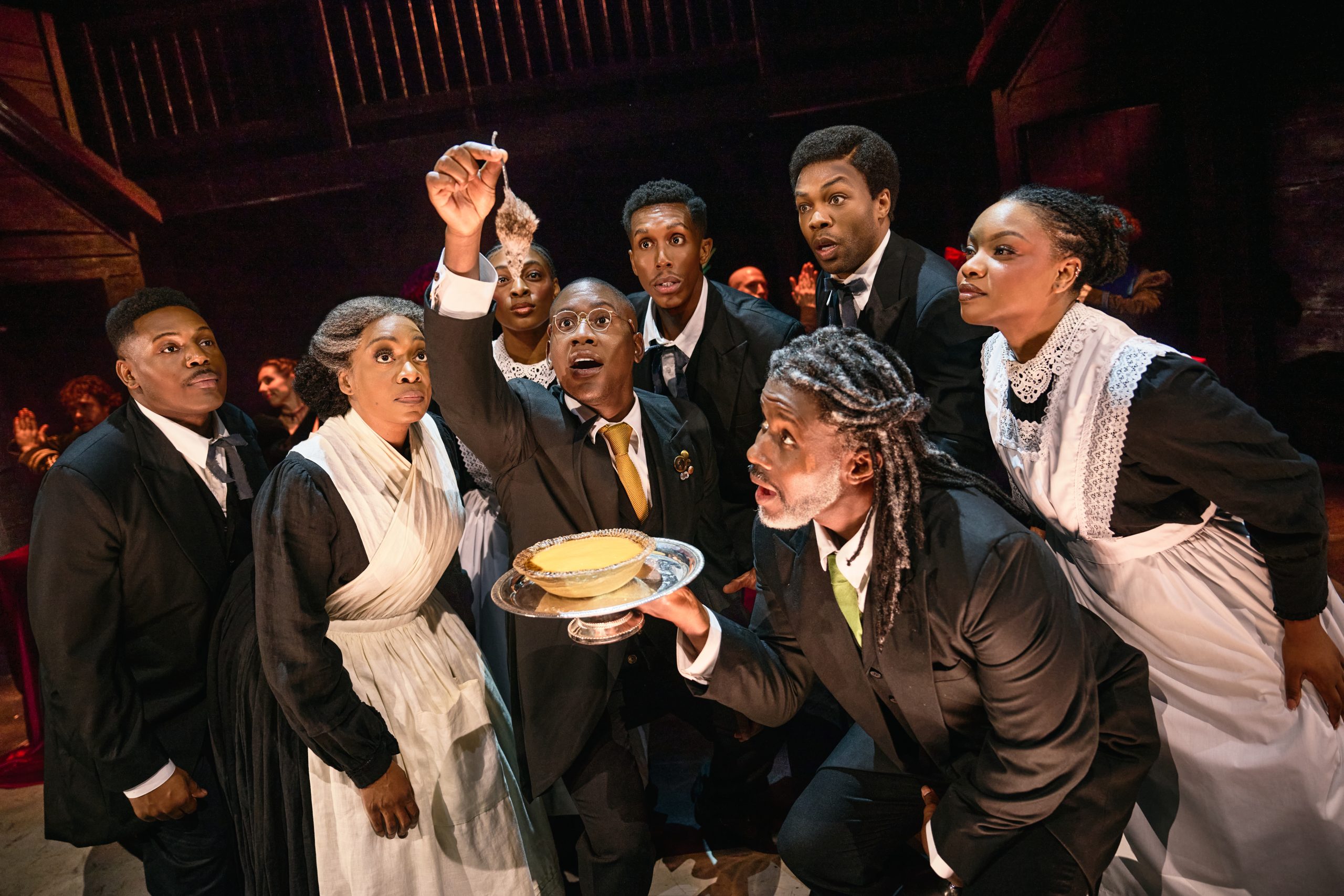
The Company of Midnight Photo by Valerie Terranova
Every so often, a musical comes along that reminds me why I fell in love with theater in the first place. Not because it is perfect, not because it follows the rules, but because it possesses that rare, electrifying combination of originality, extraordinary talent, emotional intelligence, and sheer theatrical audacity. Midnight, written, directed, choreographed, and starring Todrick Hall, is that musical. Currently playing at the Daryl Roth Theatre, it is, hands down, the best new musical I have seen this season. Frankly, I cannot imagine what could possibly surpass it.
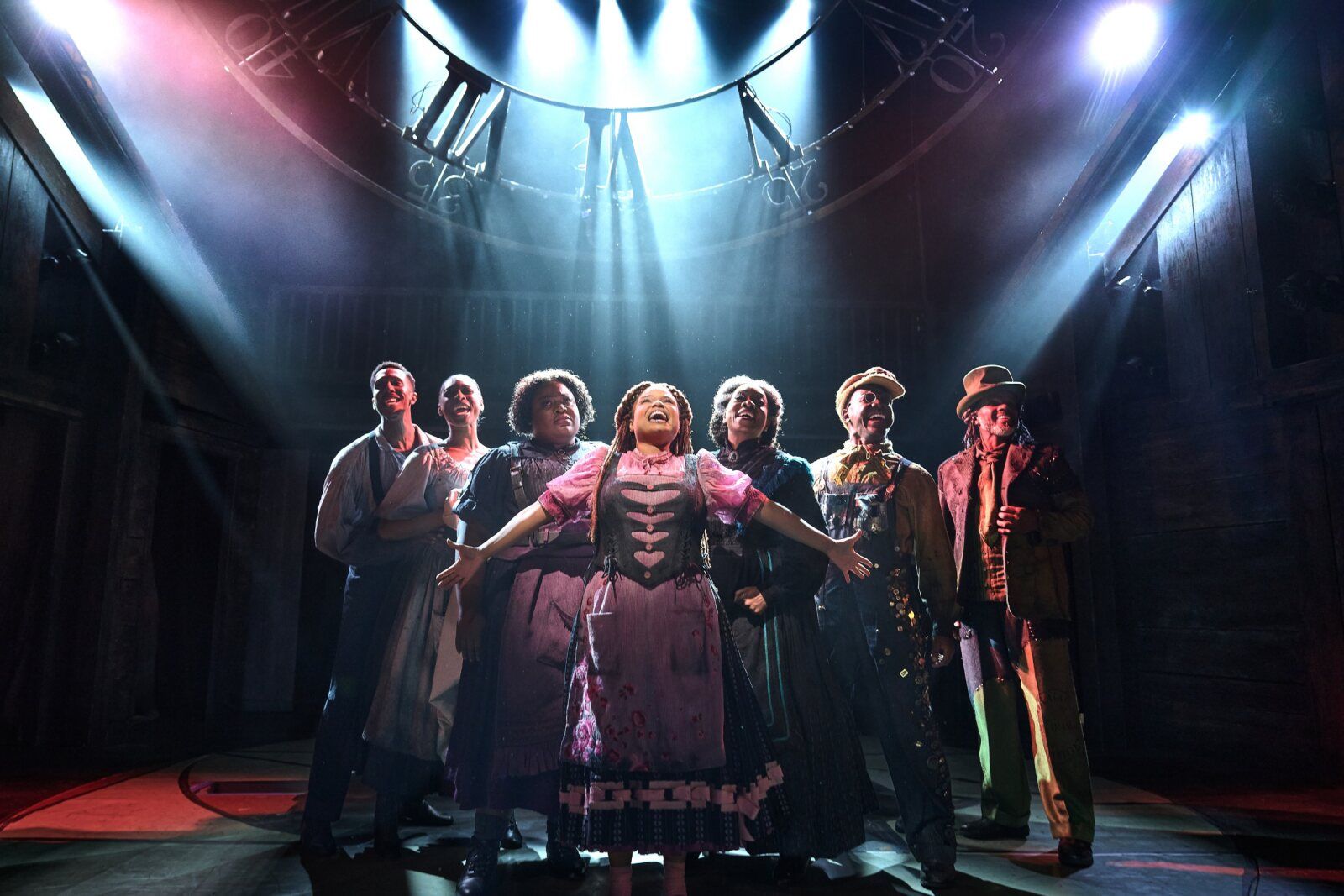
Charlotte Odusanya and the Company Of Midnight Photo by Valerie Terranova
I have been a fan of Hall’s since his brilliantly inventive Beauty and the Beat video. His imagination, musicality, humor, and ability to transform popular culture into something uniquely his own have always fascinated me. But nothing, and I mean nothing, prepared me for what is happening at 101 East 15th Street.
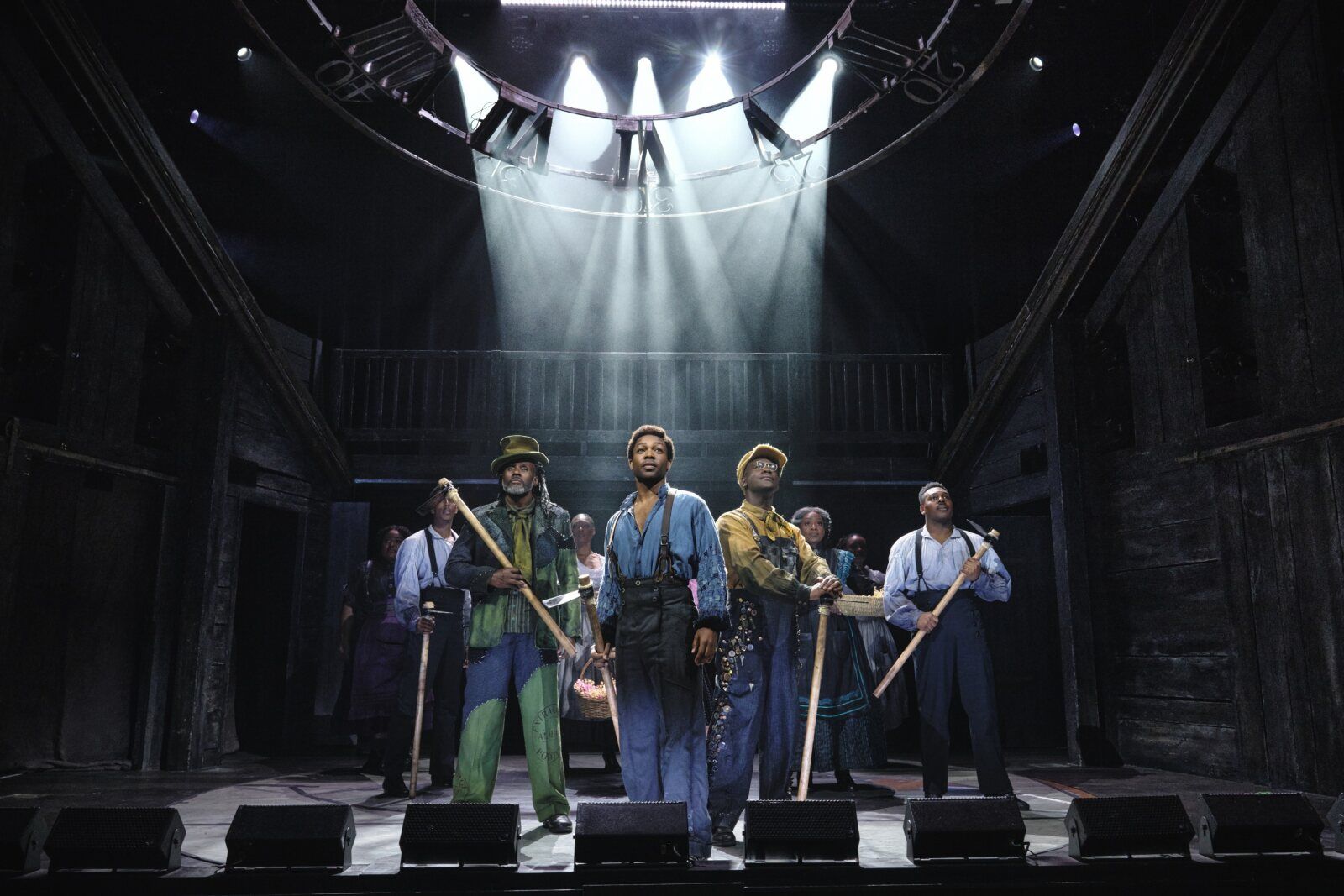
Todrick Hall and. the Company Of Midnight Photo by Valerie Terranova
First, there is the score. Gospel, rhythm and blues, soul, pop, rock, folk, and even opera collide in a glorious explosion of musical styles. This is a sung-through musical, with no spoken dialogue, and the vocal and instrumental arrangements are nothing short of extraordinary. Multiple harmonies overlap, voices soar into unexpected intervals, and riffs build upon riffs until the entire theater seems to vibrate with sound. The musical sophistication is staggering. I found myself sitting there in a state of absolute bliss, wondering how Hall had managed to assemble so many extraordinary voices in one production.
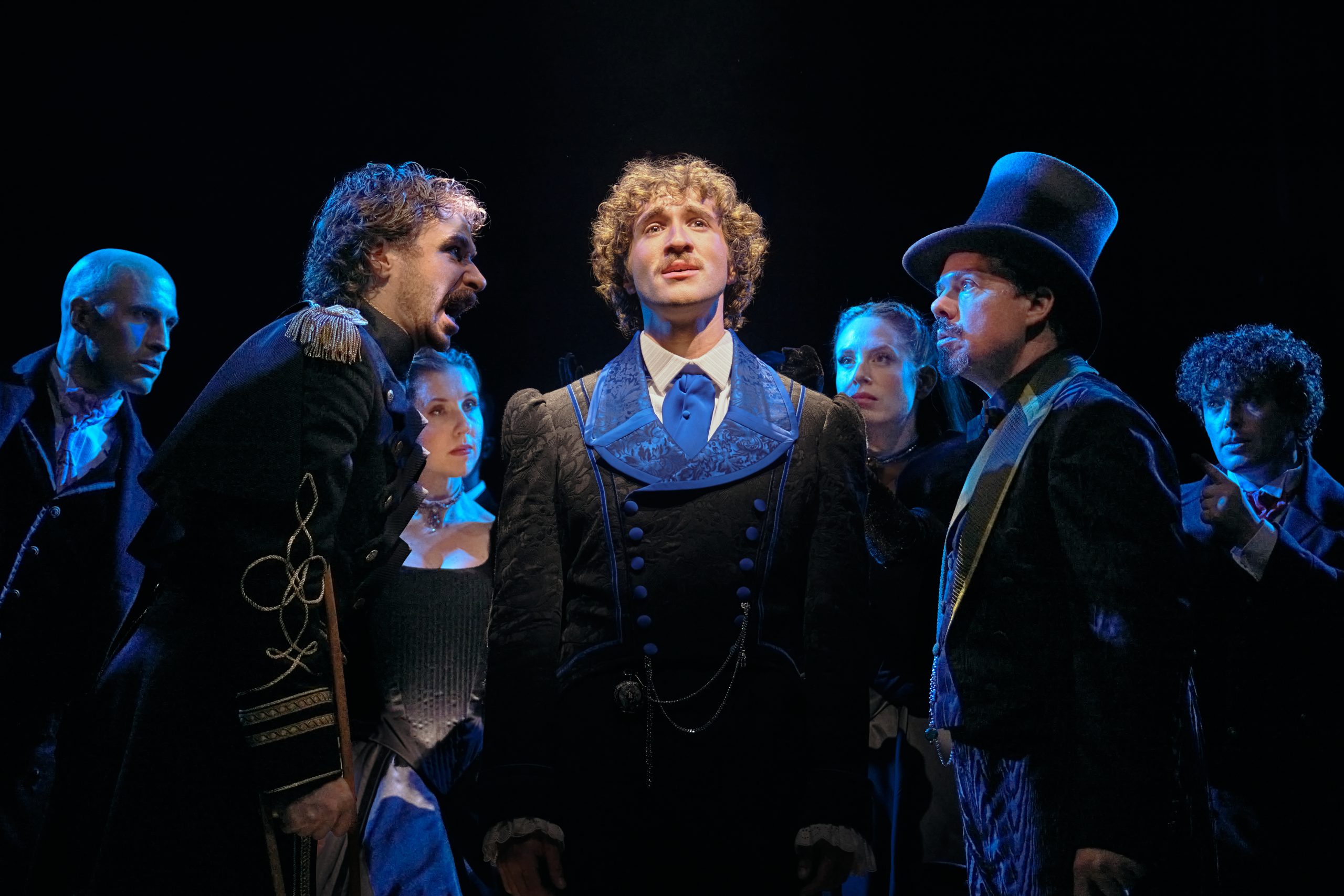
Jimmy Brewer, Jeremy Beloate and Ciarán McCarthy The Company of Midnight photo by Valerie Terranova
Set in the nineteenth-century American South, Midnight follows twelve interconnected characters, six Black and six white, whose lives are defined by race, class, power, identity, and the complicated nature of love. At its center is Rail, a young enslaved Black man portrayed by Hall, whose emotional world becomes increasingly complicated by Lily Rose, played with irresistible sweetness by Charlotte Odusanya affection, and his forbidden attraction to Richard, a wealthy white neighbor portrayed by the phenomenally gifted Jeremy Beloate.
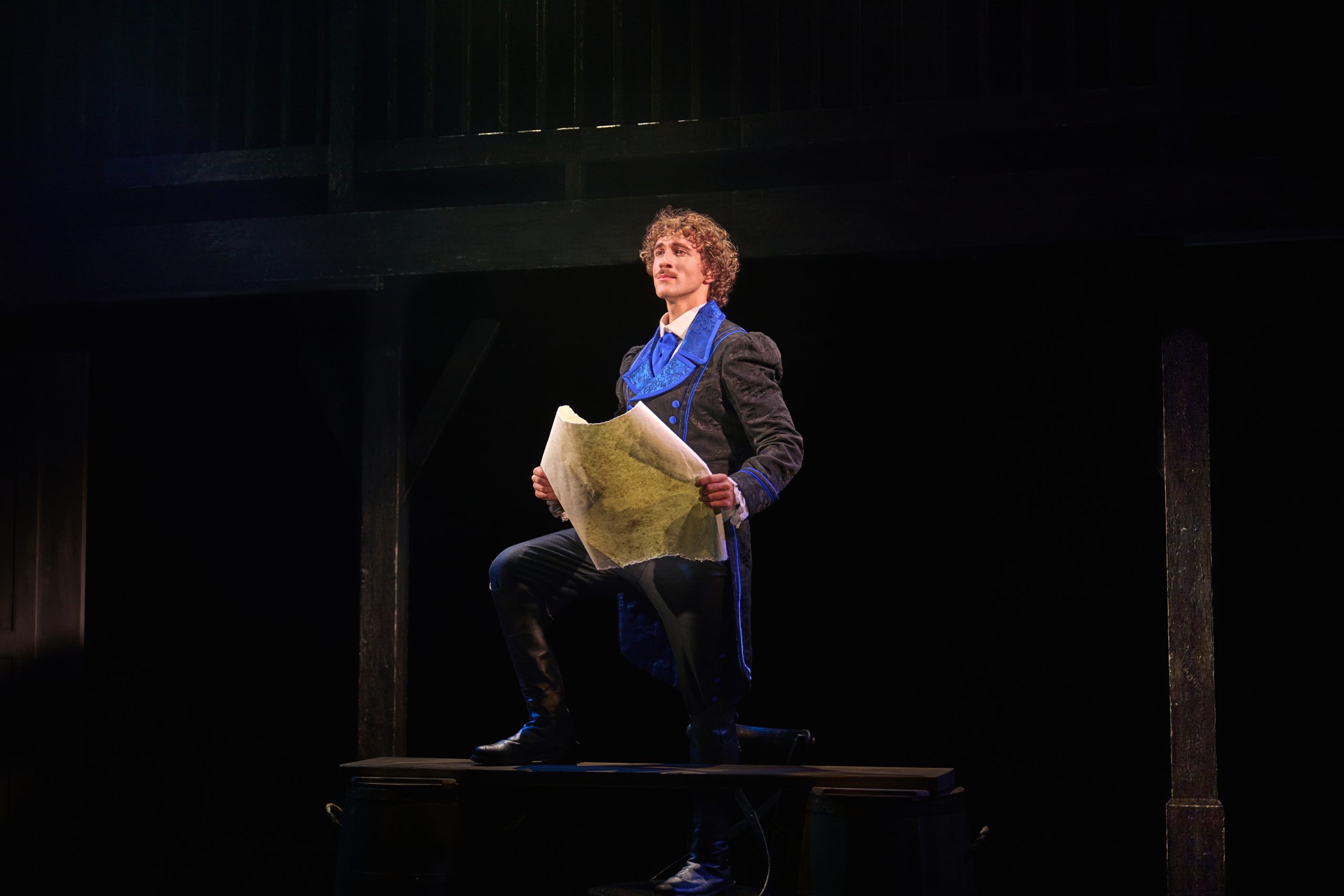
Jeremy Beloate photo by Valerie Terranova
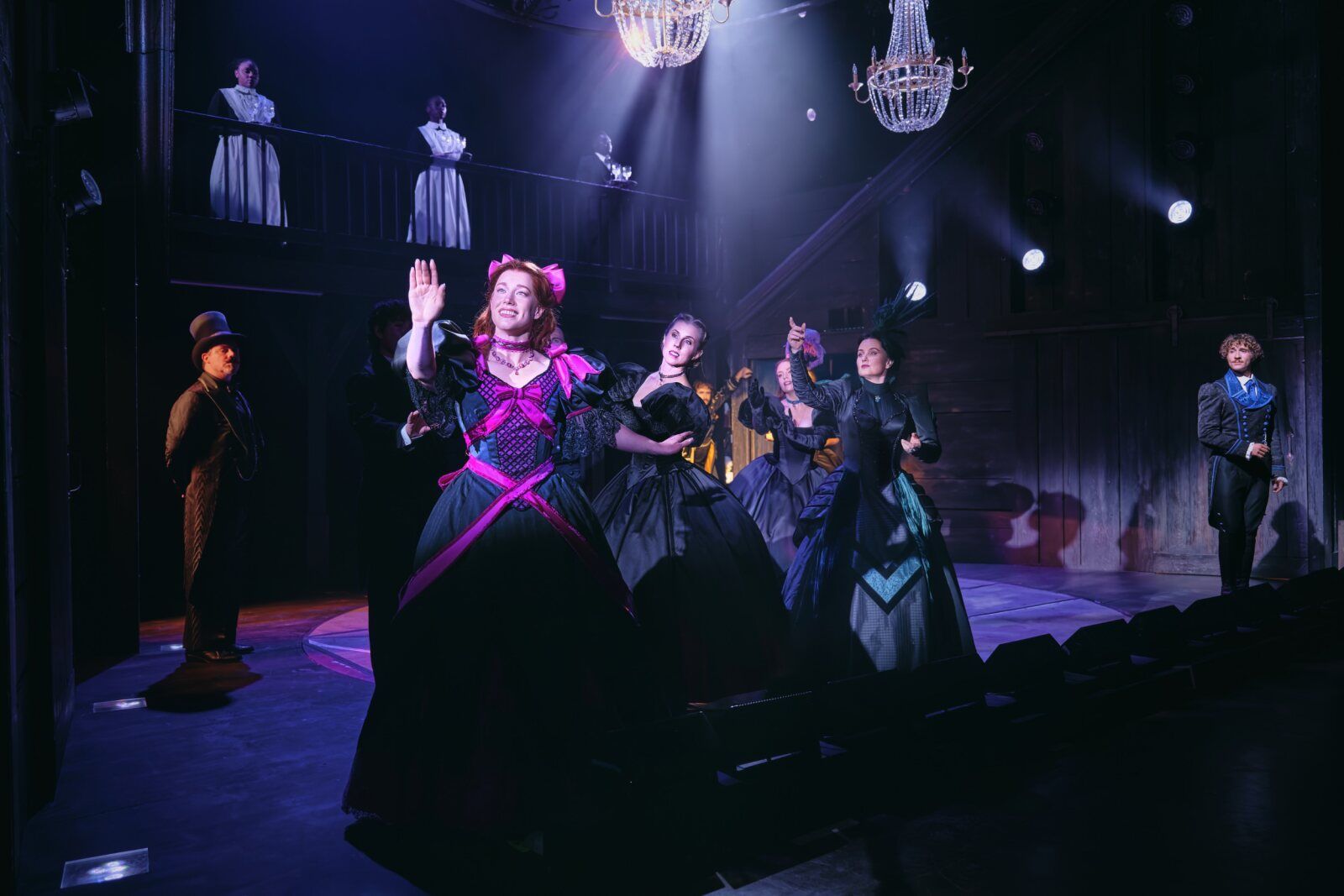
Kennedy Caughell and the company of midnight Photo by Valerie Terranova
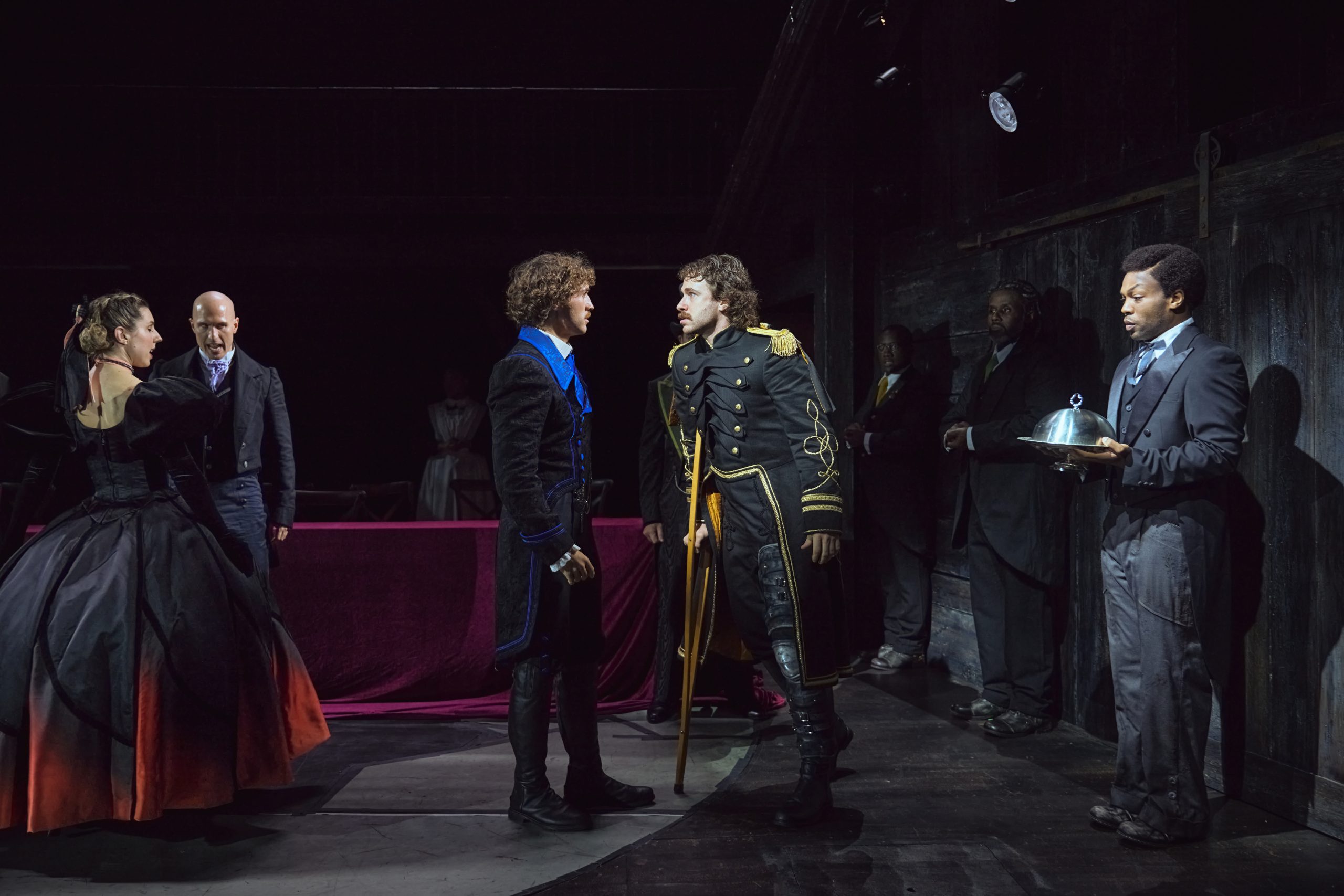
Jimmy Brewer, Jeremy Beloate, Todrick Hall Photo by Valerie Terranova
What makes this so effective is that Hall does not simply ask us to imagine injustice. He makes us watch familiar characters experience it from the opposite side. The reversal exposes the arbitrary cruelty of a system in which one person’s humanity is determined by another person’s authority. It is bold, unsettling, and theatrically ingenious.
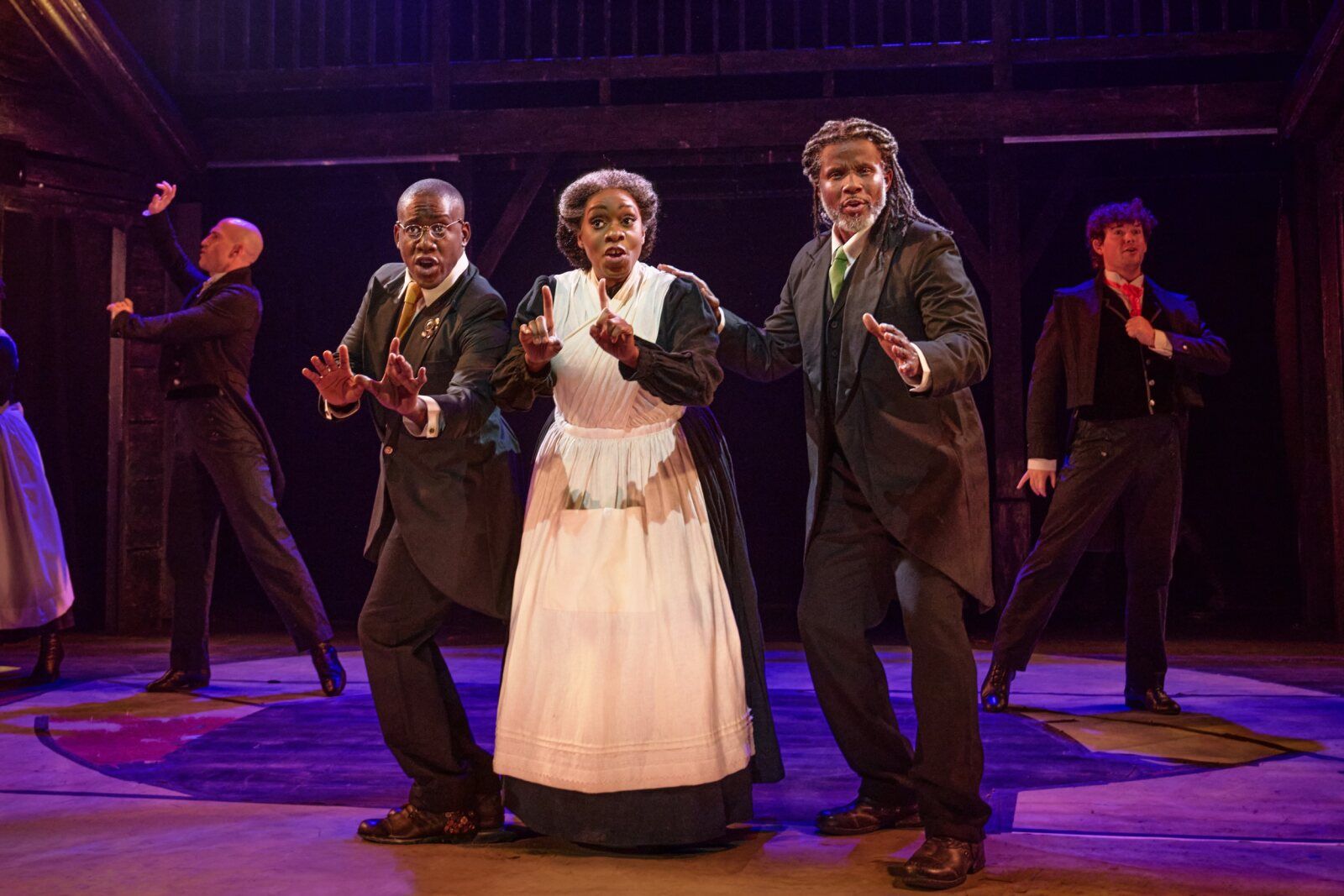
Sidney Dupont, Ayana George, and Dwayne Clark Photo by Valerie Terranova
Ayana George, as Ethel, serves as one of the musical’s principal narrators, and her voice is simply magnificent. She possesses the kind of vocal authority that makes an audience surrender from the first note. There is richness, power, and emotional command in everything she sings, and she anchors the production with remarkable assurance.
Charlotte Odusanya brings warmth and charm to Lily Rose, making her far more than a romantic counterpoint to Rail’s complicated desires. There is an innocence to her performance, but also an emotional intelligence that keeps the character from becoming sentimental.
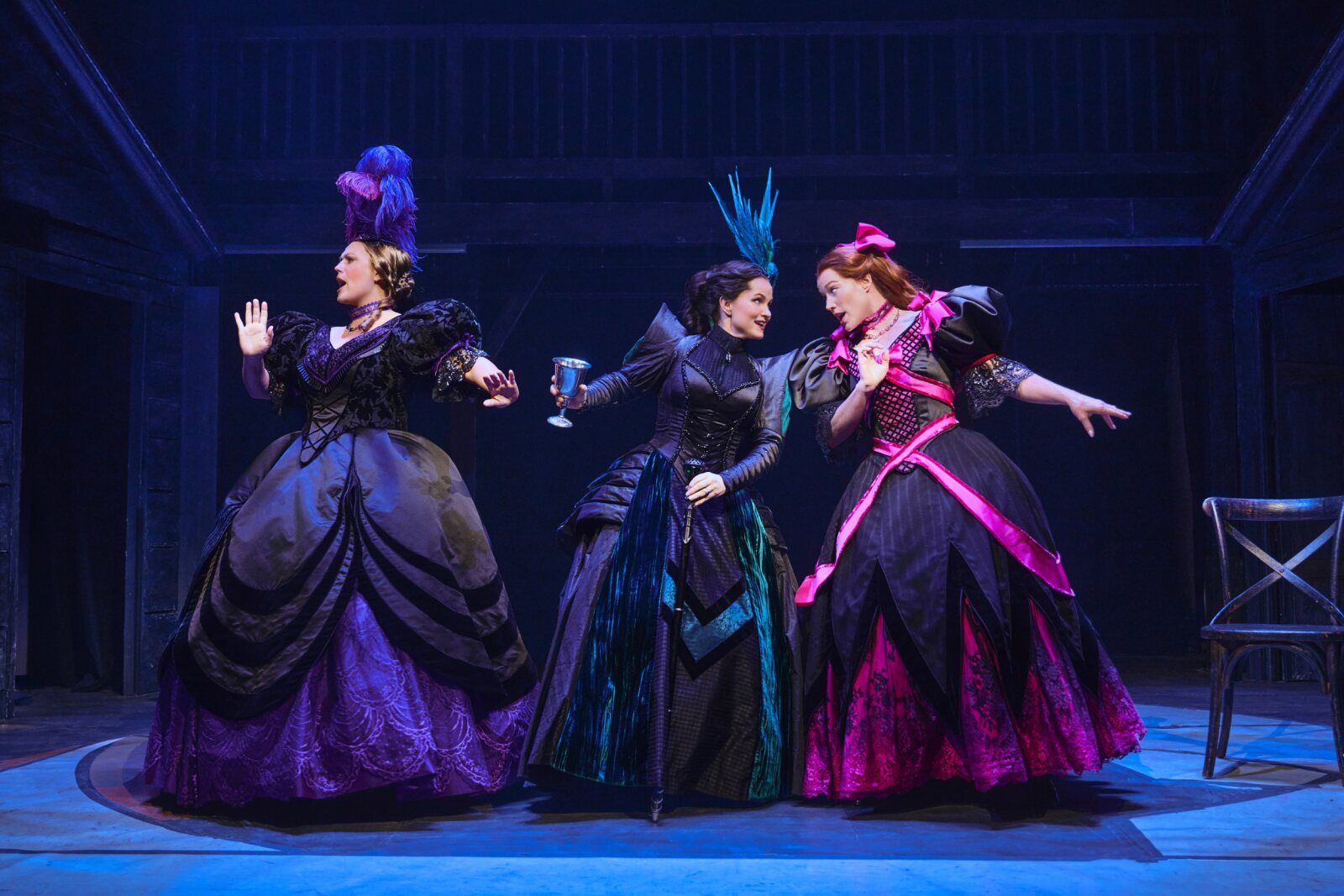
Bella Coppola, Autumn Hurlbert and Kennedy Caughell Photo by Valerie Terranova
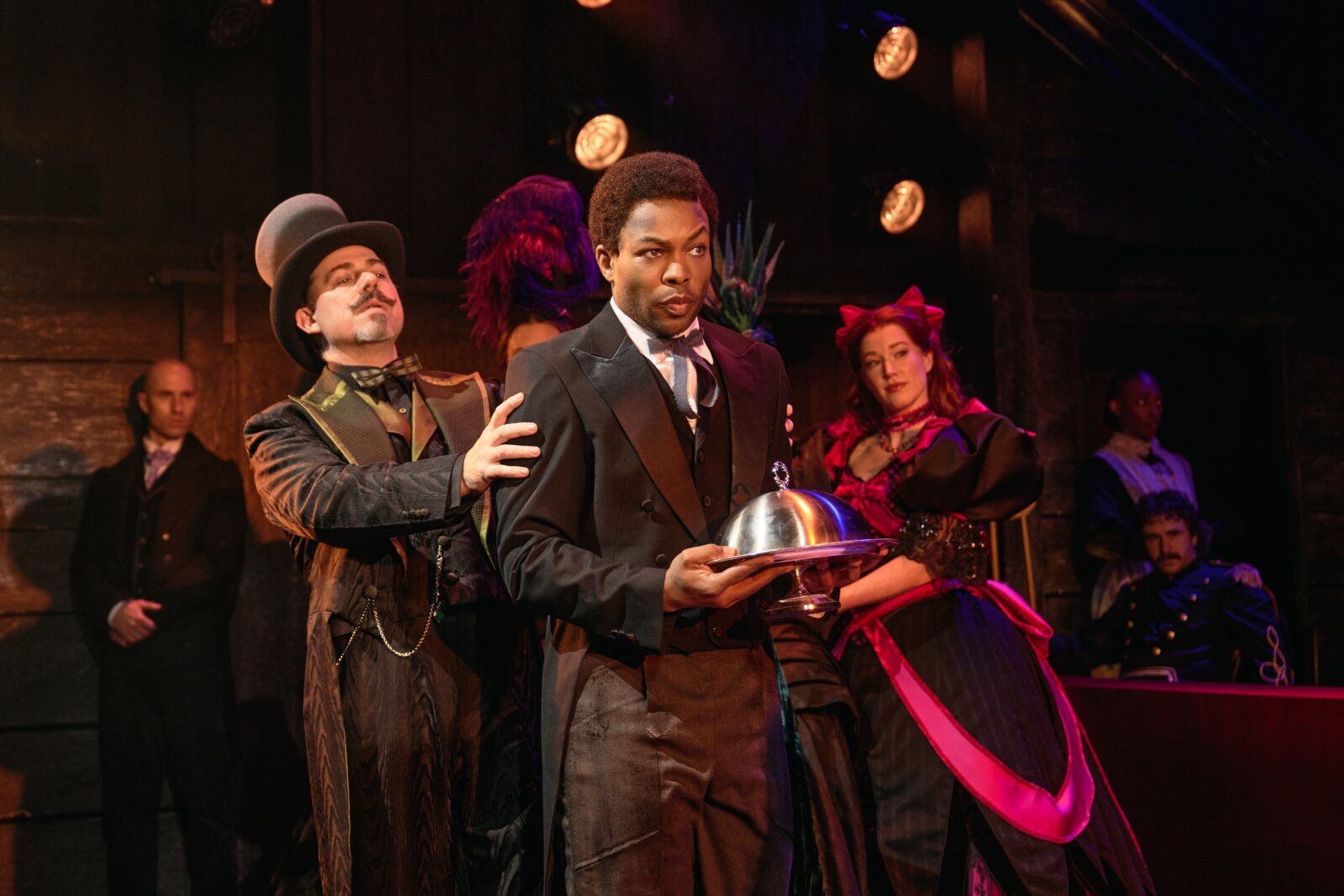
Ciaran McCarthy, Todrick Hall, Kennedy Caughell and the company of midnight Photo by Valerie Terranova
What Hall has accomplished vocally is especially impressive because the musical demands so much more than beautiful singing. The performers must negotiate complicated harmonies, shifting musical styles, demanding choreography, and emotionally charged storytelling without the relief of spoken dialogue. There is nowhere to hide. Every thought, every confrontation, and every revelation must be communicated through music and movement. My only criticism is diction.
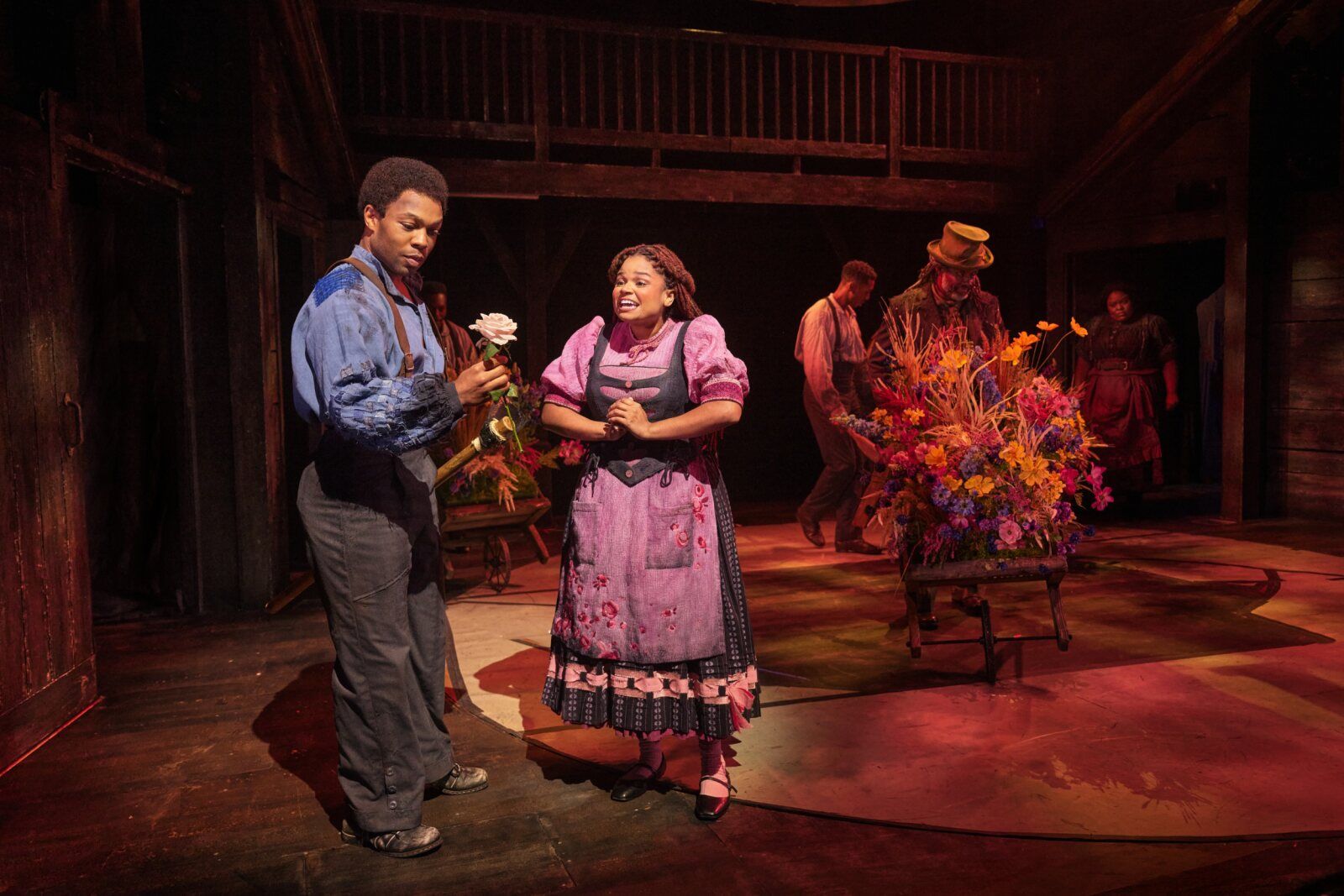
Todrick Hall and Charlotte Odusanya and the Company of Midnight Photo by Valerie Terranova
Hall himself is a magnetic performer, bringing charisma, vulnerability, humor, and tremendous physical energy to Rail. He commands the stage with the confidence of someone who knows precisely what he wants his audience to experience. Yet he is also the one person who might benefit most from an editor. Sometimes less really is more.
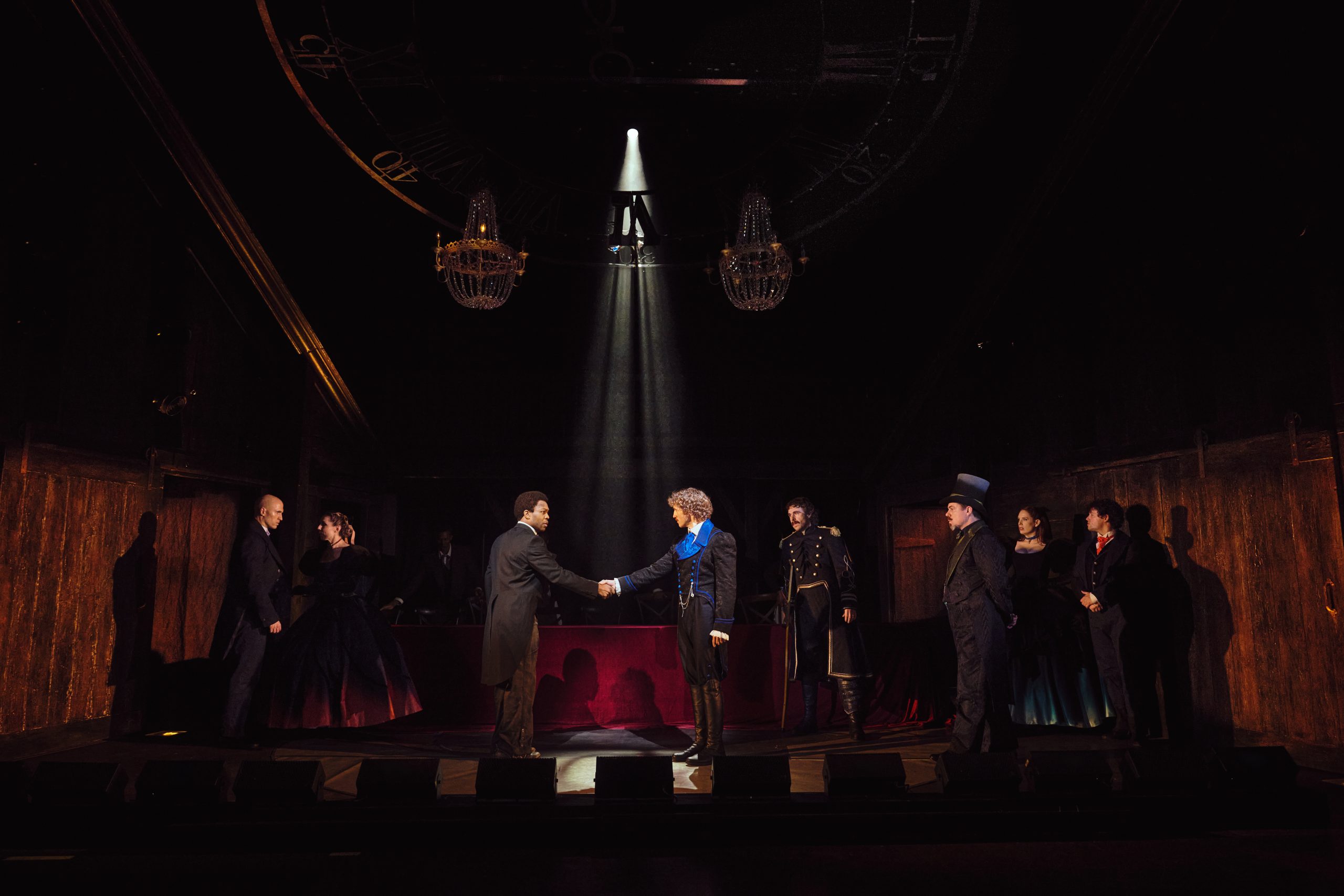
Todrick Hall, Jeremy Beloate and the Company of Midnight Photo by Valerie Terranova
Morgan Large’s scenic design provides a theatrical environment capable of moving between historical realism and the production’s increasingly surreal landscape. Beck Jones’s costumes establish the divisions of class and status that become so essential to the story, while Jake DeGroot’s lighting gives the production both its visual grandeur and its darker emotional textures.


G.H. Harding
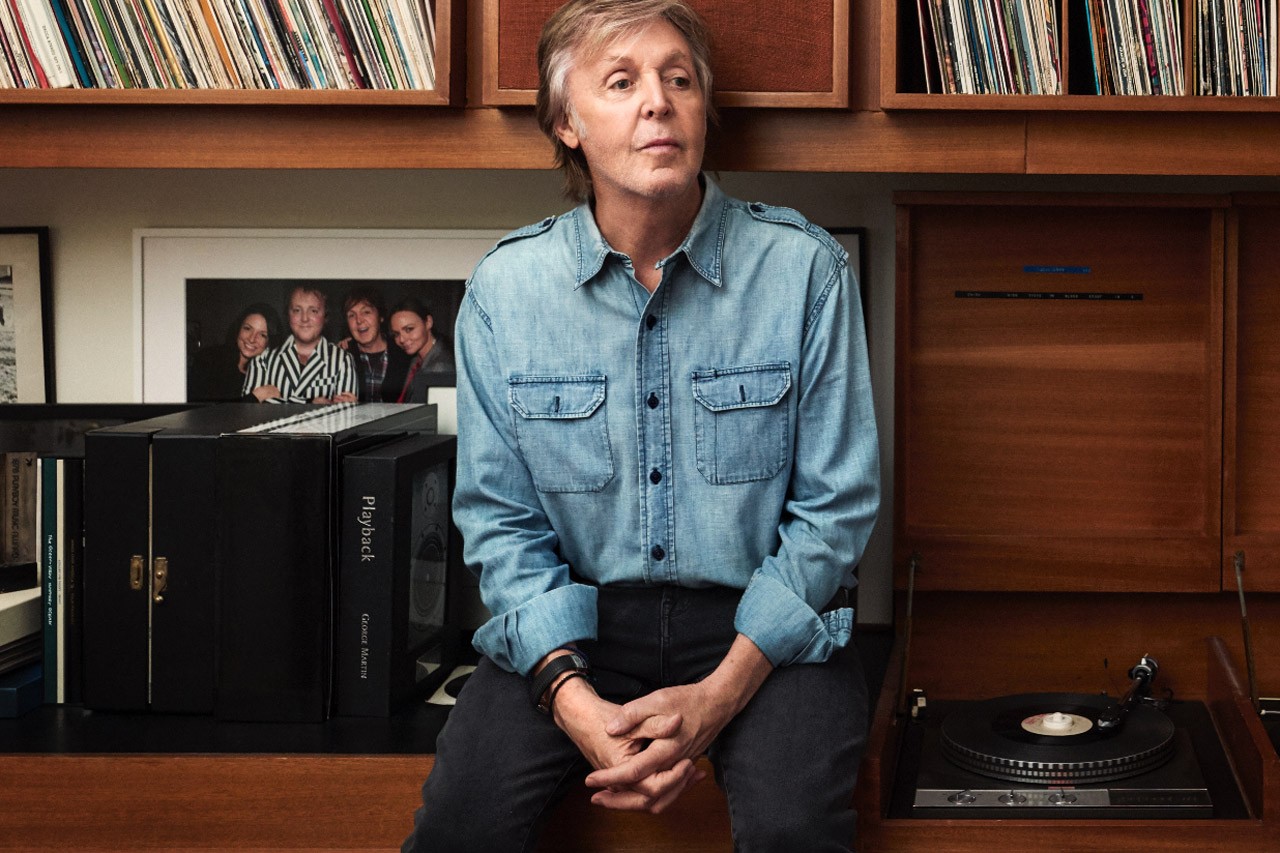
MACCA SPEAKS, AGAIN — Paul McCartney’s promotional efforts for his latest album The Boys of Dungeon Lane, has been really remarkable. Between his efforts and the PR for the Michael Douglas and Sylvester Stallone memoirs, it’s been quite the fall so far. Even though Todd Rundgren in his now infamous interview in Vulture, claimed that “McCartney would go to a mall opening,” but I think what he’s done has been really good.
Credit manager Scott Rodger for the spirited jaunt.
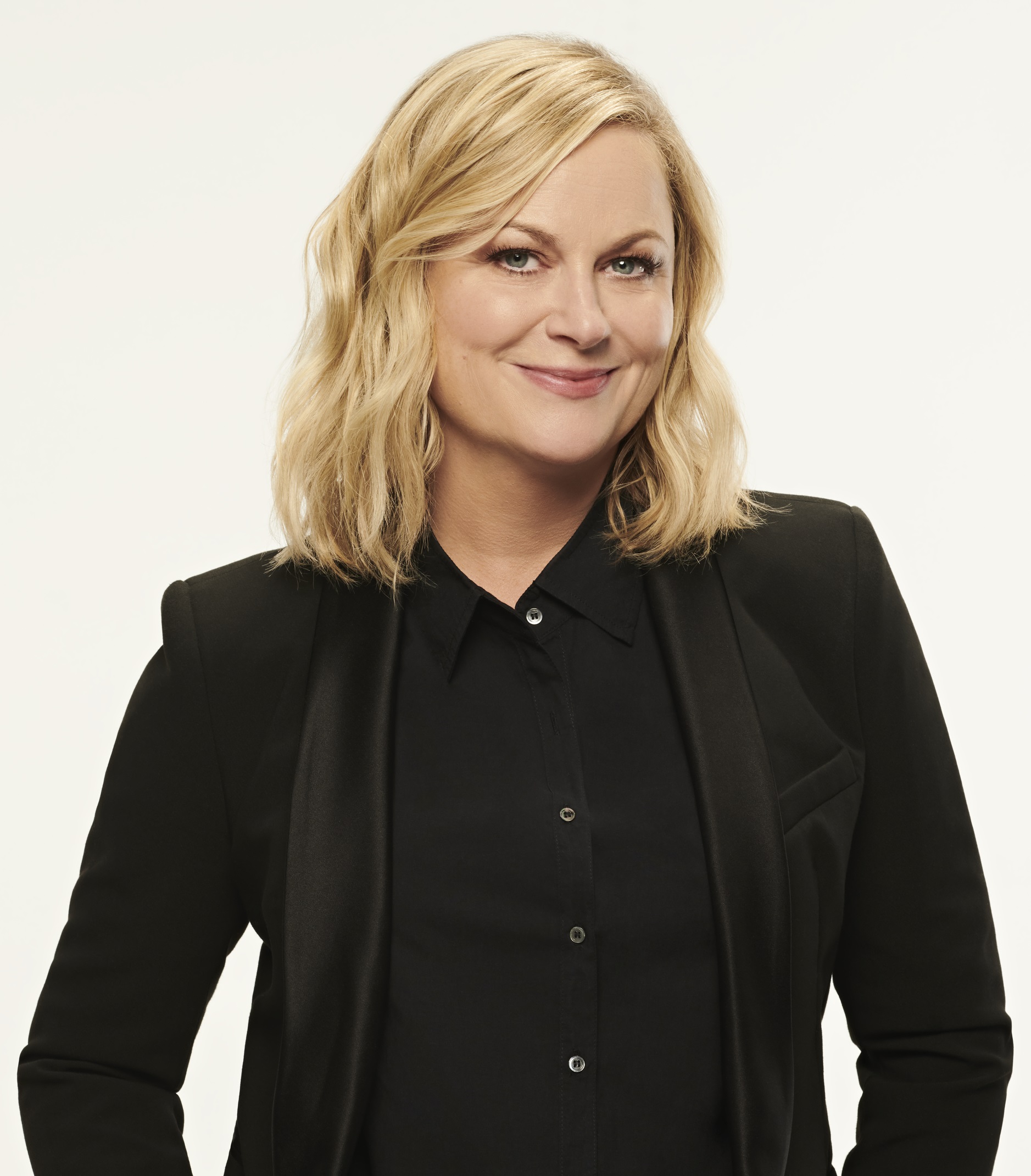
Amy Poehler
But today I heard today what unquestionably must be one of the best interviews he’s ever done and that’s the Good Hang podcast with Amy Poehler.
I never been a huge fan of Poehler, but I must say, her efforts on this really knocked me out, as she covered everything from John, George and Ringo to Linda and got McCartney to talk a lot about his kids. Even 2009’s Nowhere Boy and the forthcoming Sam Mendes movies were referenced. It was McCartney, in a totally different light … a reflective and relaxed light for sure.
I know it seems like everyone and their mother has a podcast right now, but this one was extra-special.
I was knocked out. Take a listen
 X FILES — (Via Deadline) Ryan Coogler’s long-gestating The X-Files reboot starring Emmy nominee Himesh Patel (The Odyssey, Station Eleven) and Danielle Deadwyler (The Bell Jar, The Chaperones), has been ordered to series at Hulu.
From Onyx Collective and 20th Television, the reimagining of Chris Carter’s classic series follows two highly decorated but vastly different FBI agents, played by Deadwyler and Patel, who form an unlikely bond when they are assigned to a long-shuttered division devoted to cases involving unexplained phenomena.
Sinners filmmaker Coogler wrote, directed and executive produced the pilot.
Like the Miami Vice reboot, currently in production, I don’t see it as a success. I mean, how can you do the X-Files with Mulder or scully? But we’ll see.
Crustacean
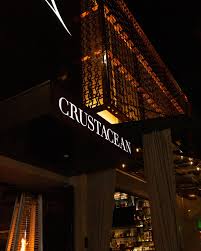
SHORT TAKES — One of my favorite restaurants in LA is closing, Crustacean on Bedford Drive in Beverly Hills. Fish-centric, but just a great, great spot. Been going for a decade. Very sad … Whatever happened to a follow-up date for John Cafferty at NYC’s Cutting Room? We’d love to see him there again … SIGHTING: PR-pasha David Salidor at Din in Brooklyn Heights … Sad to read about Mike Love’s recent health struggles. Here’s hoping for all the best … Maximum Pleasure Guaranteed will be back for another go-round. Apple TV announced Wednesday that it has renewed the dark comedy thriller for a second season. A writers room is underway, we hear, with Season 2 production slated for the first half of 2027. Starring Emmy winner Tatiana Maslany …There’s another trailer for the Blade Runner series on Prime. Take a peak:
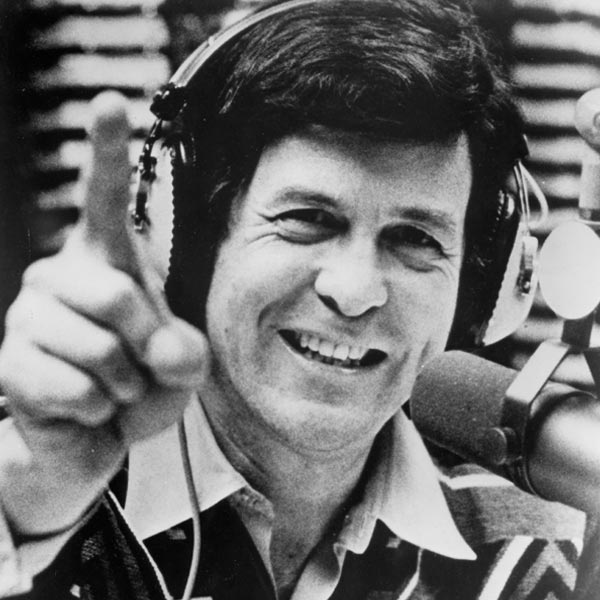
Bruce Morrow
Happy 91 to radio’s Cousin Bruce Morrow. An icon for sure!
NAMES IN THE NEWS — Daryl Hall; Raspin Stuwart; Roy Trakin; John Hughes; Lorne Michaels; Robert Funaro; Ken Sharp; John Sykes; Tom & Lisa Cuddy; Sharon Bush; Anthony Pomes; Chris Carter; Max Sabrin; Michael Domino; Harrison Jordan; Steve Leeds; Steve Walter; Moe Kaplan; Dianna O’Neill; Jacqueline Boyd; Judy Kaufman; Chuck Pulin; Bob Gruen; Markos Papadatos; and CHIP!
Images on this page have been licensed under the Creative Commons Attribution-Share Alike 4.0 International license.

Live From The Hotel Edison Times Square Chronicles Presents, is filmed from the Hotel Edison and is a podcast extension of T2C. We are back after a small hiatus.
Today on Live From The Hotel Edison Times Square Chronicles Presents Our Sinatra’s Christopher Gines. Our Sinatra, a Musical Celebration brings back the original creators/performers – Eric Comstock, Christopher Gines and Hilary Kole. This trio reunites after a quarter century after performing Our Sinatra at the Oak Room in December 1999
Gines has released solo music including his album The Way It Goes, featuring classic standards and theater tunes. Beyond singing, he has worked as an author, playwright, show creator, and nightclub promoter/owner in New York
See Christopher in Our Sinatra at the Marjorie S. Deane Little Theatre running through November 29th.

I am so grateful to Christopher Gines for his conversation, his candidness and his art that captures the imagination.
We are so proud because the show and our guests are featured on the TV screens in the lobby and the hotel rooms.
Thank-you Magda Katz for videoing and creating the content to go live, Rommel Gopez and The Hotel Edison for their kindness and hospitality, Broadway HD and Dr K and at 200 West 54th Street for giving me back my health and my smile.
We have been named by Variety Entertainment News as one of Summer’s Best Picks in the category of Best Television, Radio, Podcasts. The company we are in, has made us so humbled, grateful and motivated to continue.
“The Daily Geek Report” named host Suzanna Bowling on the list of Most Engaging Hosts.
You can catch us on the following platforms:
Spotify:
Apple Podcasts:

G.H. Harding
VICE 2028 — When Michael Mann tried to reboot his series Miami Vice in 2006, it was a commercial and critical disappointment. Miami Vice 85, the latest reboot, is well underway with a most impressive cast, including Austin Butler and Michael B. Jordan as the series lead characters Crockett and Tubbs.

Austin Butler and Michael B. Jordan
When Vice first hit TV screens in September of 1984, audiences had rarely seen anything as ambitious or creative. Mann -and Anthony (Buffalo Club) Yerkovich- hit on something new for the small screen. NBC’s head-honcho at the time Brandon Tartikoff, called them “MTV cops.”

Anthony Yerkovich
MTV was approaching its peak (27 million households) and this TV-show captured not only that, but both the angst and joy of the go-go 80s.
It propelled Don Johnson to mega-stardom, as well as Philip Michael Thomas. The two even recorded albums, which were not bad, but never fully realized.
One major key to the show’s success was the endless streaming of hit music -from Phil Collins; Dire Straits; Steve Jones; to INXS on down. This was before music supervisors came into play and it was often the label’s PR-people that propelled songs and artists to major success. The show also employed various music stars (like Collins and Franz Zappa) as guests stars and often, they were great. Zappa, as a cool-drug merchant on a yacht was great.
PR-man David Salidor was handling PR for The Funhouse, one of the key-clubs of the time, and remembers bringing producer Michael Attanasio down to the club. “They wanted something authentic and since they were going to be shooting in NY for the second season, the club was a perfect fit.”
I was a fan and remain a fan, and even when I watched the episodes now, they’re a bit dated, buy the symbiosis of what’s on the screen and the music remain pretty outstanding.
I honesty doubt whether Mann can do it again, but interest remains high … very high. See you in 2028 Miami Vice!
Read more here: https://www.hollywoodreporter.com/movies/movie-news/miami-vice-85-austin-butler-michael-b-jordan-1236727734/
And here’s a great take from Yerkovich on the creation: https://intelligentcollector.com/miami-vice-creator-anthony-yerkovich-on-the-style-packed-pilot-that-changed-tv-forever/
 SHORT TAKES — I watched the 1998 movie Deep Impact over the weekend and the basic plot was an asteroid was about the hit the Earth and one of the plans President Morgan Freeman came up with was to build immense silos in the mountains. Sounds a tad like the TV-showParadise, right? Amazing …

Sheryl Crow
Sheryl Crow says she’s losing major money on her new album. Interetsing article from Female First. Take a read: https://www.femalefirst.co.uk/music/musicnews/sheryl-crow-says-losing-ton-money-latest-album-reflects-fame-cancer-ageing-radio-1451871.html … Great interview on Rory Kennedy’s The Trial of Alec Baldwin. Check it out: https://deadline.com/2026/10/the-trial-of-alec-baldwin-director-rory-kennedy-interview-1237154646/ … Happy Bday Daryl Hall.
NAMES IN THE NEWS — Bill Maher; Chuck LaBella; David Bowie; Steve Walter; Frank Ucciardo; Thomas Jay; Mark Biggs; Tugg Putt; Tom & Lisa Cuddy; Race Taylor; Chuck Nolan; Bill Evans; Dan Zelinski; David Foster; Michael Hutchinson; Walter Egan; Bill McCuddy; Eppy; Joe Lynch; Linda Wnek; and ZIGGY!
Images on this page have been licensed under the Creative Commons Attribution-Share Alike 4.0 International license.

Christian Borle, Stephanie J. Block, Brandon Uranowitz, Andrew Rannells, Betsy Wolfe, Tracie Thoms in 2026 – Photo Credit Jenny Anderson
Two sold-out Carnegie Hall concerts lead to a third performance and a London Palladium engagement for the beloved original revival cast.

Falsettos 2016 cast Photo by Joan Marcus
Apparently, one night with Falsettos was never going to be enough. What began as a single 10th anniversary reunion concert at Carnegie Hall has blossomed into something considerably more ambitious, with a third New York performance and a transatlantic engagement at London’s legendary Palladium. For a musical about love, family, heartbreak and the complicated business of being human, the response has been nothing short of extraordinary.
The original cast of the acclaimed 2016 Broadway revival will reunite for an additional performance on Monday, February 8, 2027, at 7 p.m. at Carnegie Hall’s Stern Auditorium/Perelman Stage. The company will then cross the Atlantic for three performances at the London Palladium on February 23 and 24, bringing William Finn and James Lapine’s groundbreaking musical to another of the world’s great stages.

Betsy Wolfe, Andrew Rannells, Christian Borle, Tracie Thoms in Falsettos 2016 Photo Credit Joan Marcus
What a company it is. Tony Award winners Stephanie J. Block, Christian Borle and Brandon Uranowitz will be joined by Tony nominees Andrew Rannells and Betsy Wolfe, along with Emmy nominee Tracie Thoms. It is a remarkable gathering of performers whose chemistry helped make the 2016 revival one of Broadway’s most emotionally affecting productions.
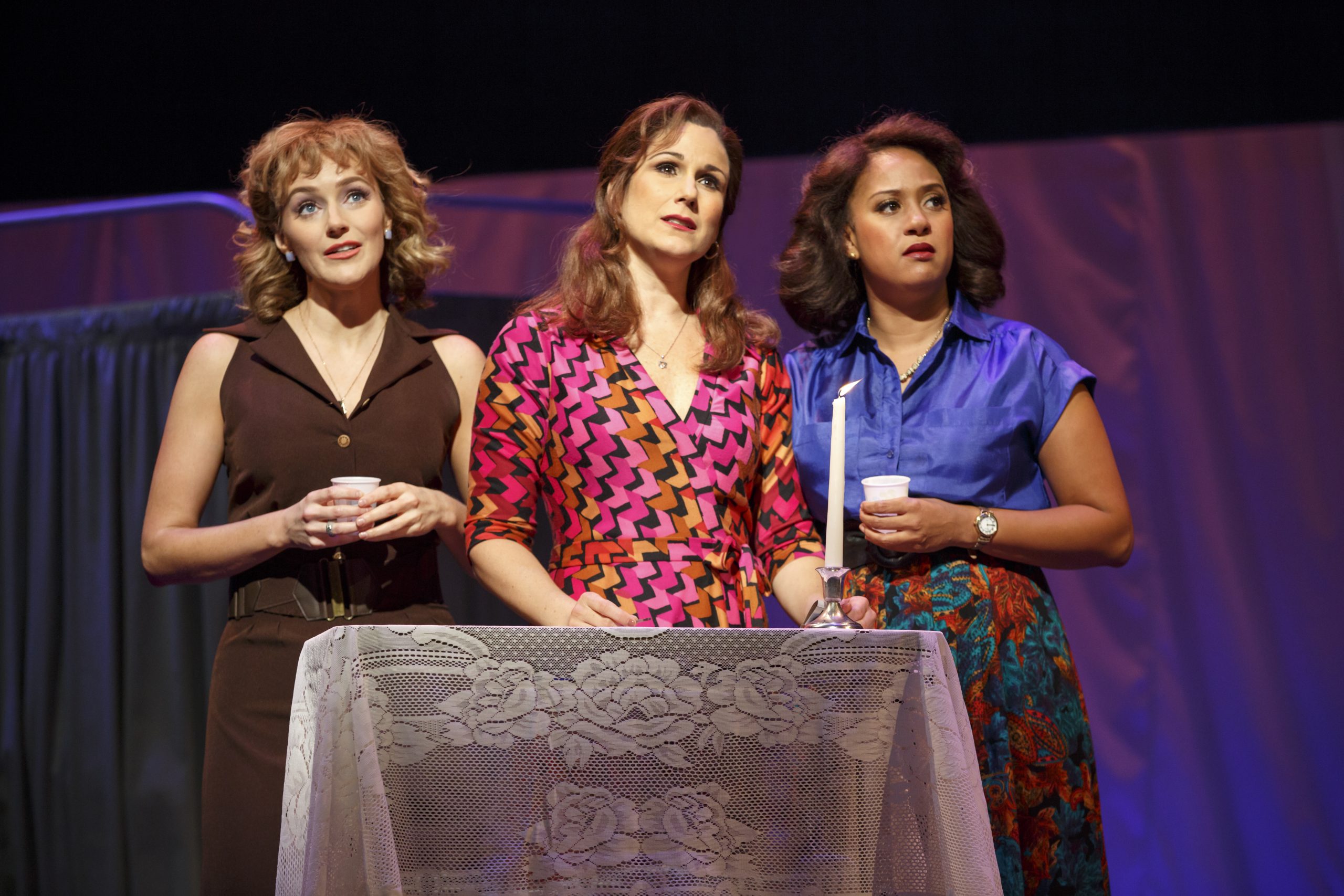
Betsy Wolfe, Stephanie J Block, Tracie Thoms in Falsettos 2016 Photo Credit Joan Marcus
The demand has been almost comically enthusiastic. The original October 18, 2026, benefit concert sold out in fewer than two hours. A second performance, scheduled for November 2, disappeared even faster. Now a third Carnegie Hall date has been added, and London is getting its own opportunity to fall in love with this extraordinary cast.
Tony-nominated director and choreographer Ellenore Scott, who served as assistant choreographer on the 2016 revival, will direct the additional performances. Vadim Feichtner returns as music director and conductor, leading a band featuring many of the revival’s original musicians. This is not simply a concert of familiar songs performed by an impressive cast; it is a reunion of artists who helped give this particular production its identity.
For Wolfe, who is also among the producers bringing the reunion to the stage, the experience has become something far more personal than an anniversary celebration.
“Falsettos found all of us at such a pivotal moment, and we’ve had the extraordinary privilege of watching one another grow, as artists and as friends in the decade since,” she reflected. “I always believed there was more life in this piece and hoped we might one day return to it together.”
That hope has now grown from one night at Carnegie Hall into three New York performances and a London engagement, a development Wolfe describes as extraordinary. “Ten years later, it turns out there’s still more of this story for us to tell.”
Few musicals have examined the beautifully imperfect architecture of family with the wit, intelligence and emotional honesty of Falsettos. Through Marvin, Whizzer, Trina and the wonderfully unconventional family they create, Finn and Lapine explore relationships that refuse to fit into comfortable definitions. The musical’s humor is razor-sharp, its characters gloriously flawed and its heartbreak devastating precisely because the love at its center is so recognizable.
The work’s origins stretch back to Finn’s In Trousers in 1979, followed by March of the Falsettos in 1981 and Falsettoland in 1990. The latter two works were combined into Falsettos, which opened on Broadway in 1992. Set against the changing social landscape of the early 1980s and the emergence of the AIDS crisis, the musical transformed an intimate family story into something with profound cultural resonance.
When the revival opened at the Walter Kerr Theatre on October 27, 2016, it introduced the work to another generation, earning five Tony Award nominations, including Best Revival of a Musical. Its subsequent filming for PBS’s Live from Lincoln Center ensured that audiences beyond Broadway could experience the production’s exceptional performances.
A decade later, the affection has clearly not diminished. If anything, time has deepened the musical’s emotional resonance. What once felt like a groundbreaking examination of unconventional family relationships now stands as both a period piece and a remarkably enduring portrait of love, loss and the families we choose.
The February 8 Carnegie Hall performance will also give something back, with a portion of its proceeds benefiting the TDF Wendy Wasserstein Project, which introduces New York City students to live theatre and helps cultivate the next generation of theatregoers.
The concerts are presented by Betsy Wolfe, Colleen Cook and Cynthia Rose for Table for Three Productions, with the London engagement produced in association with Darren Bell Productions and QUBE Theatricals.
Presale registration is now open, with tickets available to registered patrons beginning Wednesday, October 14, at 11 a.m. Eastern. General sales begin Friday, October 16, at 11 a.m. Eastern. New York presale registration is available at falsettosreunion.com, while London registration is available through Darren Bell Productions. Tickets for the February Carnegie Hall performance will also be available through Carnegie Hall, by telephone at (212) 247-7800 or at the box office.
There is something wonderfully appropriate about a musical devoted to the complicated endurance of love inspiring such an enthusiastic reunion. The actors have grown, the world has changed, and the songs have acquired another decade of meaning. Yet the desire to gather in a theatre and experience this story together remains as powerful as ever.
It seems Falsettos has discovered that the only thing more difficult than saying goodbye is convincing its audience to let go.


Midnight: Todrick Hall Has Created a Musical Masterpiece That Broadway Cannot Afford to Ignore

Memoirs of Amorous Gentlemen: A Beautifully Decadent World With a Star at Its Center

Billy Crystal and Whoopi Goldberg Bring Laughter, Love and a Lifetime of Memories to PaleyFest NY

Prince Mario-Max Schaumburg-Lippe Champions Animal Rescue

Retail Sales Are Rising. That Doesn’t Mean Customers Are Buying More.

High Society, Higher Stakes: The Gilded Age Takes Center Stage at PaleyFest NY

Live From The Hotel Edison Times Square Chronicles Presents The Day With No End a Film Directed by Portrait Photographer Alistair Morrison

The Glorious Corner
Midnight: Todrick Hall Has Created a Musical Masterpiece That Broadway Cannot Afford to Ignore
Memoirs of Amorous Gentlemen: A Beautifully Decadent World With a Star at Its Center
Billy Crystal and Whoopi Goldberg Bring Laughter, Love and a Lifetime of Memories to PaleyFest NY
Prince Mario-Max Schaumburg-Lippe Champions Animal Rescue
Retail Sales Are Rising. That Doesn’t Mean Customers Are Buying More.
High Society, Higher Stakes: The Gilded Age Takes Center Stage at PaleyFest NY
Live From The Hotel Edison Times Square Chronicles Presents The Day With No End a Film Directed by Portrait Photographer Alistair Morrison
The Glorious Corner
-

 Cabaret5 days ago
My View: HER HEART BELONGS TO BROADWAY ANDREA McARDLE HOLDS COURT At The Laurie Beechman Theatre in Times Square
-

 Art4 days ago
Haring Under Glass: Monaco Meets Manhattan in Memory Of Places
-

 Entertainment4 days ago
Prince Mario-Max Schaumburg-Lippe & Mariel Padilla – Hollywood & Philippines Movie Stars Receive Honors By UN Icon Ambassador Monica Sanchez At A Tablet For Dream Gala In NYC!
-

 Cabaret4 days ago
Hello, Macon! A Musical Tribute to Jerry Herman
-

 Business4 days ago
Amazon Built Its Tablet Business on Cheap. Now It Wants Customers to Pay More.
-

 Broadway4 days ago
Falsettos Is Having a Love Affair With Its Audience—and Now It’s Going International
-

 Events3 days ago
Zohran Mamdani, Mayor of New York—Terms and Conditions Apply
-

 Celebrity3 days ago
The Glorious Corner