
Entertainment
Prince Mario-Max Schaumburg-Lippe Hosted MODA Fashion Week Downtown Manhattan NYC and it was a HUGE Success!


Moda Fashion Week 2026 Brings Peruvian Fashion to NYC
Moda Fashion Week 2026 turned downtown Manhattan into a stage for Peruvian creativity, craftsmanship, and international glamour, with H.H. Dr. Prince Mario-Max Schaumburg-Lippe hosting a record-setting runway celebration.
Moda Fashion Week 2026 arrived in downtown Manhattan with the confidence of an event that understood its moment. In a city where fashion is both industry and performance, the evening brought together global style, cultural pride, and the formal energy of a New York runway. With H.H. Dr. Prince Mario-Max Schaumburg-Lippe as host, the event placed international elegance at the center of a season already defined by a wide, energetic return to cultural storytelling across the city’s fashion calendar.
The event’s public presentation positioned it within the September fashion season in New York, with Moda Week International scheduled for Saturday, September 19, 2026, at The Mezzanine, 55 Broadway, in downtown Manhattan. The address mattered. Lower Manhattan gave the evening a sense of ceremony rooted in the city’s architectural scale, bringing fashion into a district more often associated with finance, history, and institutional power. Against that setting, the runway became a contemporary cultural platform, one where craftsmanship and identity could meet the polish of a formal fashion week production.
At the center of the evening was H.H. Dr. Prince Mario-Max Schaumburg-Lippe, whose role as host gave the event a recognizable international presence. His association with New York fashion events in 2026 extended across multiple heritage-focused programs, including International Heritage Fashion Week Season 05, where he was also publicly listed as host during the September calendar. His presence at Moda Fashion Week added continuity to a broader season in which international designers, cultural heritage, and red-carpet presentation carried a visible role in New York’s fashion conversation.
Moda Fashion Week 2026 distinguished itself through the strength of its Peruvian focus. Peruvian fashion dominated the year’s presentation, bringing forward a design language shaped by craftsmanship, textile intelligence, color discipline, and a deep relationship with handwork. In New York, where designers often compete for attention through spectacle, the Peruvian presence offered something more enduring. It placed technique and cultural memory at the forefront, allowing garments to speak through construction, material, and detail.
The phrase “broke records” gave the evening an added sense of momentum. While public reporting available around the event emphasized its scheduled time, venue, formal presentation, and international character, the supplied record-setting achievement points to the scale of attention Moda Fashion Week 2026 generated within its own community of designers, guests, supporters, and cultural partners. The record was less about noise than about visibility, an indication that the platform had moved beyond a standard runway evening and into the larger cultural life of New York fashion.
New York’s fashion season in September 2026 was especially crowded, with major runway shows, off-calendar events, heritage presentations, and culturally specific fashion programs all competing for attention. Vogue described the season as one filled with debuts, returning names, cultural programming, and a full social calendar, while other coverage highlighted how New York’s runway week had become increasingly expansive in format. Within that environment, Moda Fashion Week’s downtown setting and Peruvian emphasis helped create a distinct identity.
A downtown runway with international reach
Downtown Manhattan has a particular relationship with fashion. It is polished without being static, formal without being remote, and global without losing its sense of neighborhood intensity. For Moda Fashion Week 2026, that character served the event well. A showcase centered on Peruvian fashion could have been presented simply as a cultural theme. Instead, in the context of New York, it became part of a larger statement about how international fashion moves, adapts, and commands attention.
The Mezzanine at 55 Broadway offered a location with a clear public identity for the September 19 presentation. The event was scheduled from 6 p.m. to 10 p.m., creating the structure of an evening built around arrival, runway, ceremony, and celebration. This kind of timing is central to fashion culture in New York, where the hours surrounding a show often shape the experience as much as the runway itself. Guests enter with expectation, designers prepare for their brief and defining moment, and hosts guide the room through the rhythm of presentation.
For H.H. Dr. Prince Mario-Max Schaumburg-Lippe, hosting Moda Fashion Week 2026 aligned with a season in which fashion events increasingly leaned into international identity. His role was not merely ceremonial. A host in this setting helps set the tone, frame the occasion, and give the audience a sense that the evening belongs to something larger than a single collection. His participation brought a formal, cosmopolitan presence to an event already shaped by heritage and ambition.
That sense of formality worked especially well with the Peruvian fashion narrative. Peru’s fashion identity is inseparable from textile heritage, regional craft, and the skill of artisans whose work often carries generational knowledge. On a New York runway, those traditions gain a new kind of visibility. They are not frozen as heritage objects. They become part of a living design conversation, one that can move from handwoven technique to contemporary silhouette, from ancestral reference to urban elegance.
The dominance of Peruvian fashion at Moda Fashion Week 2026 also reflected a broader shift in how global fashion audiences understand luxury. The modern luxury conversation is increasingly attentive to origin, process, sustainability, and the human intelligence behind a garment. Peruvian design is particularly suited to that conversation because it carries an established reputation for fiber, handcraft, and detail. When presented in Manhattan, these qualities meet an audience trained to recognize both innovation and provenance.
The power of Peruvian craftsmanship
Peruvian fashion carries a rare combination of technical strength and cultural clarity. Its designers often work from a vocabulary that includes alpaca, cotton, natural textures, artisanal finishing, and patterns shaped by regional histories. Yet the strongest contemporary Peruvian fashion does not rely on nostalgia. It moves forward with urban tailoring, eveningwear discipline, sculptural volume, and refined styling. That balance gave Moda Fashion Week 2026 its creative center.
In a runway context, craftsmanship becomes visible through movement. A garment can be admired in a showroom, but on the body it reveals proportion, weight, structure, and grace. Peruvian fashion has long understood this relationship between fabric and form. Its most compelling pieces do not need excessive theatricality. They gain power from the precision of the maker and the integrity of the material.
New York audiences are receptive to that kind of intelligence. The city’s fashion culture rewards originality, but it is also deeply aware of workmanship. Buyers, stylists, editors, and collectors understand when a garment has been conceived with seriousness. Moda Fashion Week’s Peruvian emphasis therefore entered a city prepared to appreciate design that carries both beauty and substance.
The event also arrived during a broader period of attention to Indigenous and heritage fashion in New York. Indigenous New York Fashion Week, held September 11 through 13, 2026, spotlighted global Indigenous designers, including talent connected to Peru, and emphasized cultural continuity, sustainability, and new-generation design. While Moda Fashion Week stood as its own event, the broader September season showed that New York audiences were engaging deeply with fashion rooted in cultural identity and craft.
This context matters because Peruvian fashion is often at its strongest when it is allowed to be both specific and international. The garments can speak to place, memory, and artisan skill while still belonging naturally on a runway in Manhattan. The result is not a translation from one world to another. It is a meeting of worlds already connected by design ambition.
Moda Fashion Week 2026 understood that connection. By placing Peruvian creativity at the center of the program, the event honored a fashion culture with deep foundations while presenting it through the polished lens of New York production. The evening became a statement about what belongs on an international runway today. Craft belongs there. Heritage belongs there. National identity belongs there when it is handled with sophistication and contemporary purpose.
H.H. Dr. Prince Mario-Max Schaumburg-Lippe and the role of ceremony
Fashion weeks depend on atmosphere, but they also depend on structure. A host gives an event rhythm and clarity. H.H. Dr. Prince Mario-Max Schaumburg-Lippe brought an established public identity to Moda Fashion Week 2026, contributing to the sense that the evening was designed as a formal occasion as much as a fashion presentation.
His presence also connected the show to a broader world of international society, public ceremony, and cultural diplomacy. In an era when runway events often serve as gathering places for artists, entrepreneurs, designers, diplomats, performers, and media figures, the role of host becomes increasingly important. It helps position the event within a social world that extends beyond fashion alone.
At Moda Fashion Week, that role carried particular value because the program celebrated fashion as cultural representation. Peruvian designers were not simply showing clothes. They were bringing forward a national creative language on one of the world’s most visible urban stages. A host with international recognition helped reinforce the evening’s sense of occasion and gave the room a formal point of focus.
The New York fashion calendar has always welcomed reinvention. It began as a practical platform for press and buyers and evolved into a global cultural machine. Today, alongside established designer houses and major industry presentations, the city also makes room for independent platforms, heritage weeks, and international showcases. Moda Fashion Week 2026 belonged to that more expansive vision of fashion week, one in which cultural identity and global participation are not side events but central expressions of the industry’s future.
That future is especially visible in the way audiences now respond to authenticity. The strongest fashion events no longer rely only on celebrity attendance or seasonal trend. They succeed when they create meaning around the clothes. Moda Fashion Week’s Peruvian focus gave the event that meaning. It offered guests a clear point of view and gave designers a framework that celebrated their strengths rather than flattening them into a generic international style.
The New York runway as a cultural platform
To present Peruvian fashion in downtown Manhattan is to understand New York as more than a market. It is a stage where culture is tested, amplified, and remembered. The city’s fashion audience is diverse, impatient, visually literate, and deeply familiar with global references. It rewards designers who arrive with conviction.
Moda Fashion Week 2026 appears to have done exactly that. The event’s record-setting language points to a showcase that resonated with its audience and supporters. Its downtown location gave it proximity to the city’s symbolic center of commerce and ambition. Its host gave it a formal public face. Its Peruvian focus gave it creative distinction.
In fashion, distinction is everything. A runway show may last only minutes, but the identity it projects can last far longer. Peruvian designers brought a sense of continuity to the runway, showing that the future of fashion can be built from inherited skills, regional materials, and contemporary imagination. Their work did not need to choose between tradition and modernity. It could hold both with confidence.
That confidence is part of why Peruvian fashion continues to attract attention in international contexts. The country’s textile traditions are among its great cultural assets, yet the current generation of designers increasingly treats those traditions as starting points rather than limits. They are building collections that can travel, compete, and communicate across cities while maintaining a recognizable creative origin.
Moda Fashion Week 2026 gave that movement a New York platform. It allowed Peruvian fashion to stand within the pace and prestige of September’s fashion season while retaining its own identity. The event’s success suggests a growing appetite for runway programs that feel personal, international, and culturally grounded.
The evening also reflected a larger truth about luxury today. Luxury is no longer defined only by rarity or price. It is defined by care, by the intelligence of material, by the time embedded in a garment, and by the credibility of the story behind it. Peruvian fashion carries those qualities naturally when presented with respect and editorial focus.
For the designers involved, the New York runway offered access to a city that can transform visibility into opportunity. For guests, it offered a polished encounter with craftsmanship that may have felt both fresh and deeply rooted. For Moda Fashion Week, it offered a defining edition, one shaped by records, royalty, and the rise of Peruvian style on an international stage.
As the fashion industry continues to expand its understanding of what global style can look like, events such as Moda Fashion Week 2026 become increasingly important. They create room for designers whose work is grounded in place but ready for the world. They remind audiences that fashion is strongest when it carries human skill, cultural memory, and a clear sense of purpose.
Downtown Manhattan has seen countless fashion moments, from major industry presentations to independent showcases that later became part of the city’s creative history. Moda Fashion Week 2026 now enters that landscape with a story defined by Peruvian dominance, international hosting, and a record-setting sense of arrival. Its significance rests in the way it brought together elegance and identity without losing sight of the clothes.
The result was a fashion week moment with a clear message. Peruvian creativity belongs at the center of the international runway conversation. Its craftsmanship carries luxury, its designers carry vision, and its cultural presence brings depth to the modern fashion calendar. In New York City, under the formal guidance of H.H. Dr. Prince Mario-Max Schaumburg-Lippe, Moda Fashion Week 2026 turned that message into a polished downtown celebration.



Music
Midnight: Todrick Hall Has Created a Musical Masterpiece That Broadway Cannot Afford to Ignore

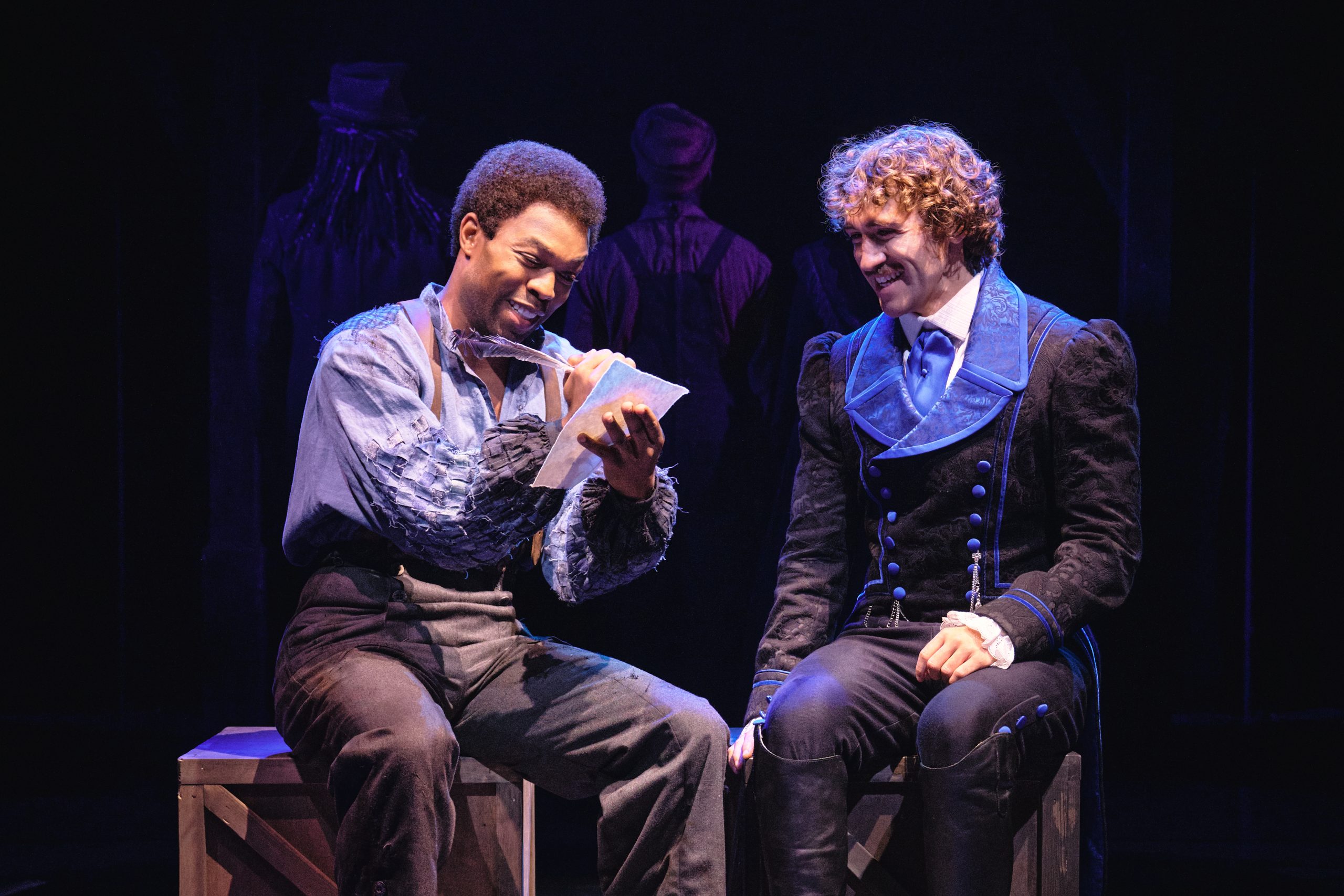
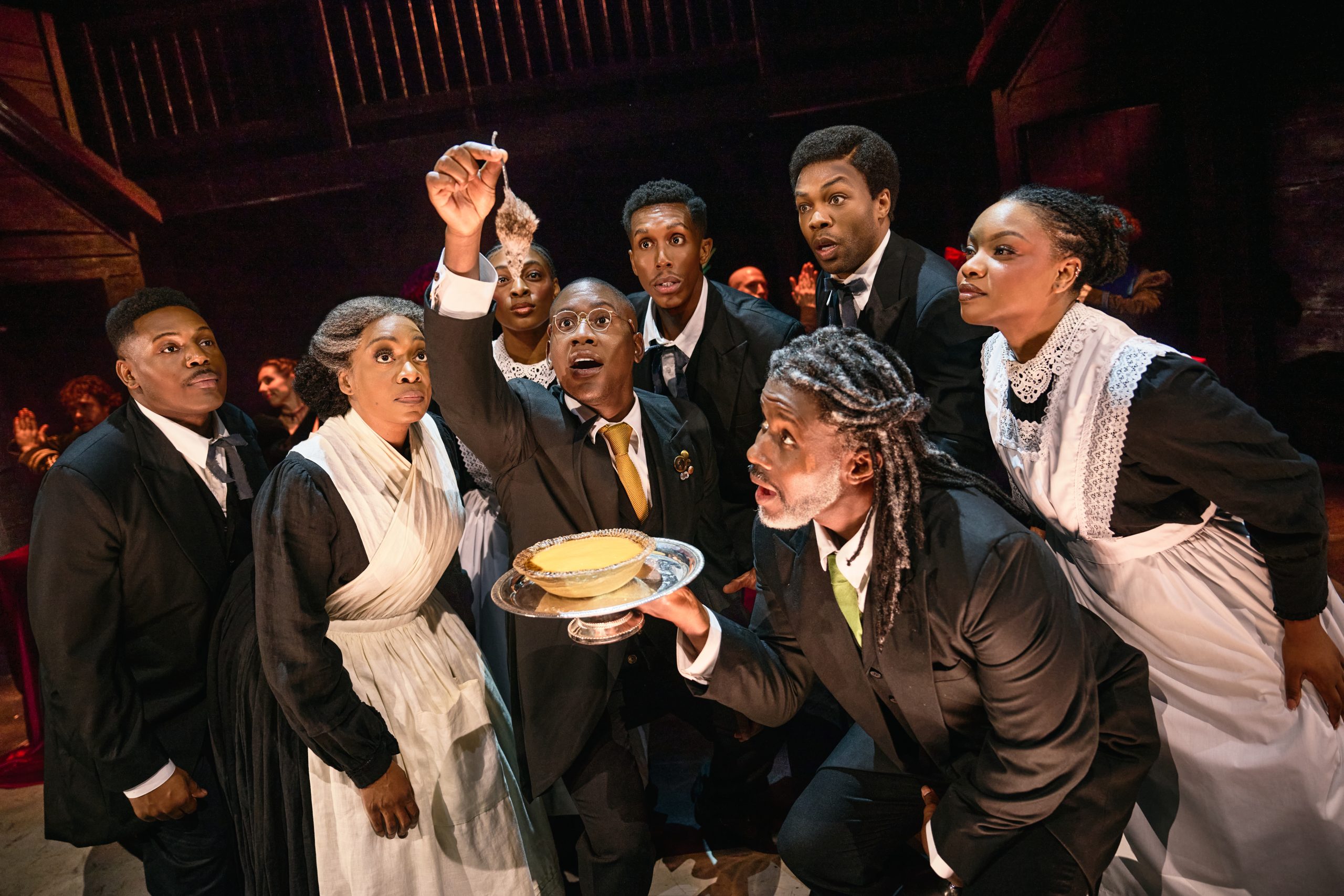
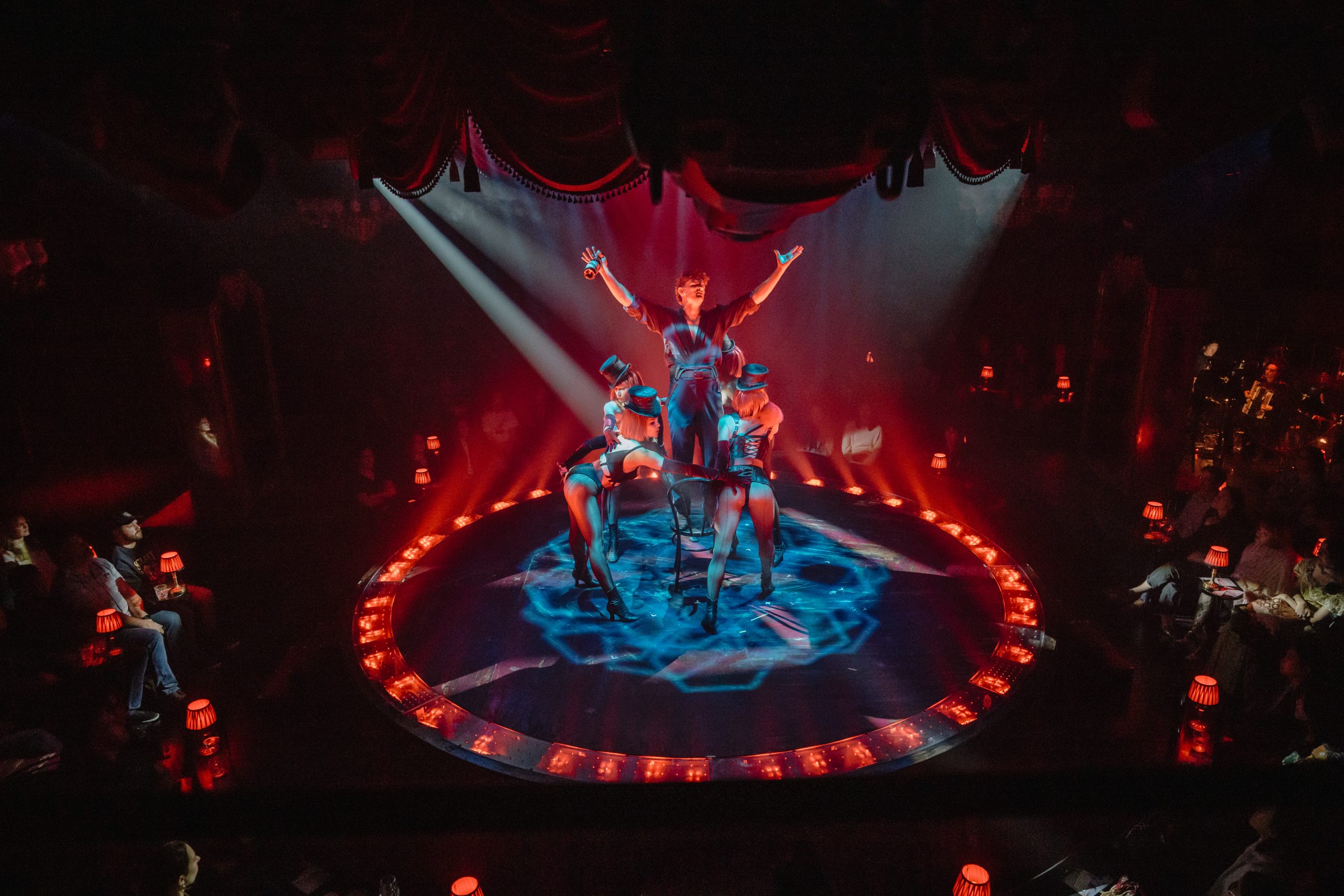
The Company of Midnight Photo by Valerie Terranova
Every so often, a musical comes along that reminds me why I fell in love with theater in the first place. Not because it is perfect, not because it follows the rules, but because it possesses that rare, electrifying combination of originality, extraordinary talent, emotional intelligence, and sheer theatrical audacity. Midnight, written, directed, choreographed, and starring Todrick Hall, is that musical. Currently playing at the Daryl Roth Theatre, it is, hands down, the best new musical I have seen this season. Frankly, I cannot imagine what could possibly surpass it.
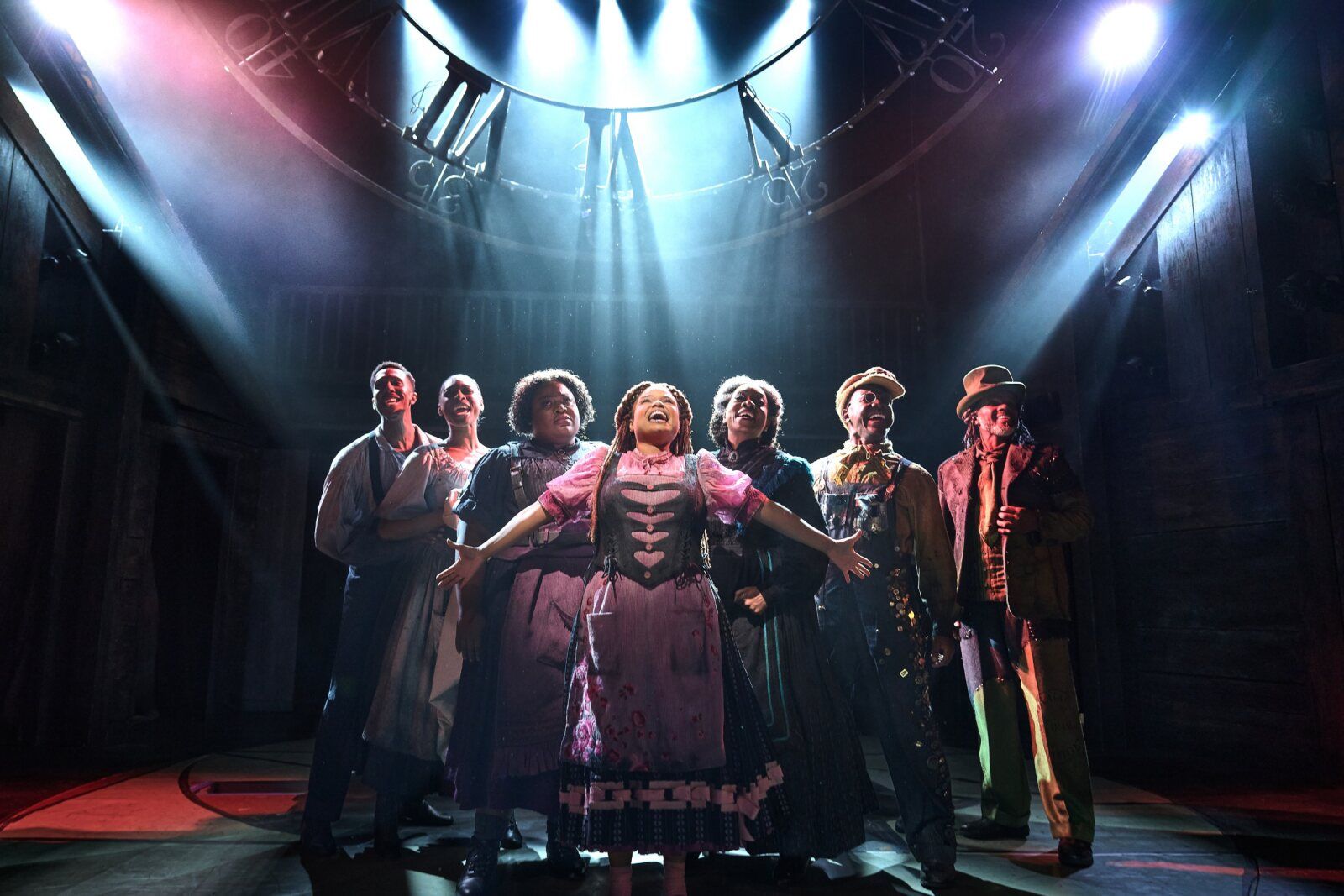
Charlotte Odusanya and the Company Of Midnight Photo by Valerie Terranova
I have been a fan of Hall’s since his brilliantly inventive Beauty and the Beat video. His imagination, musicality, humor, and ability to transform popular culture into something uniquely his own have always fascinated me. But nothing, and I mean nothing, prepared me for what is happening at 101 East 15th Street.
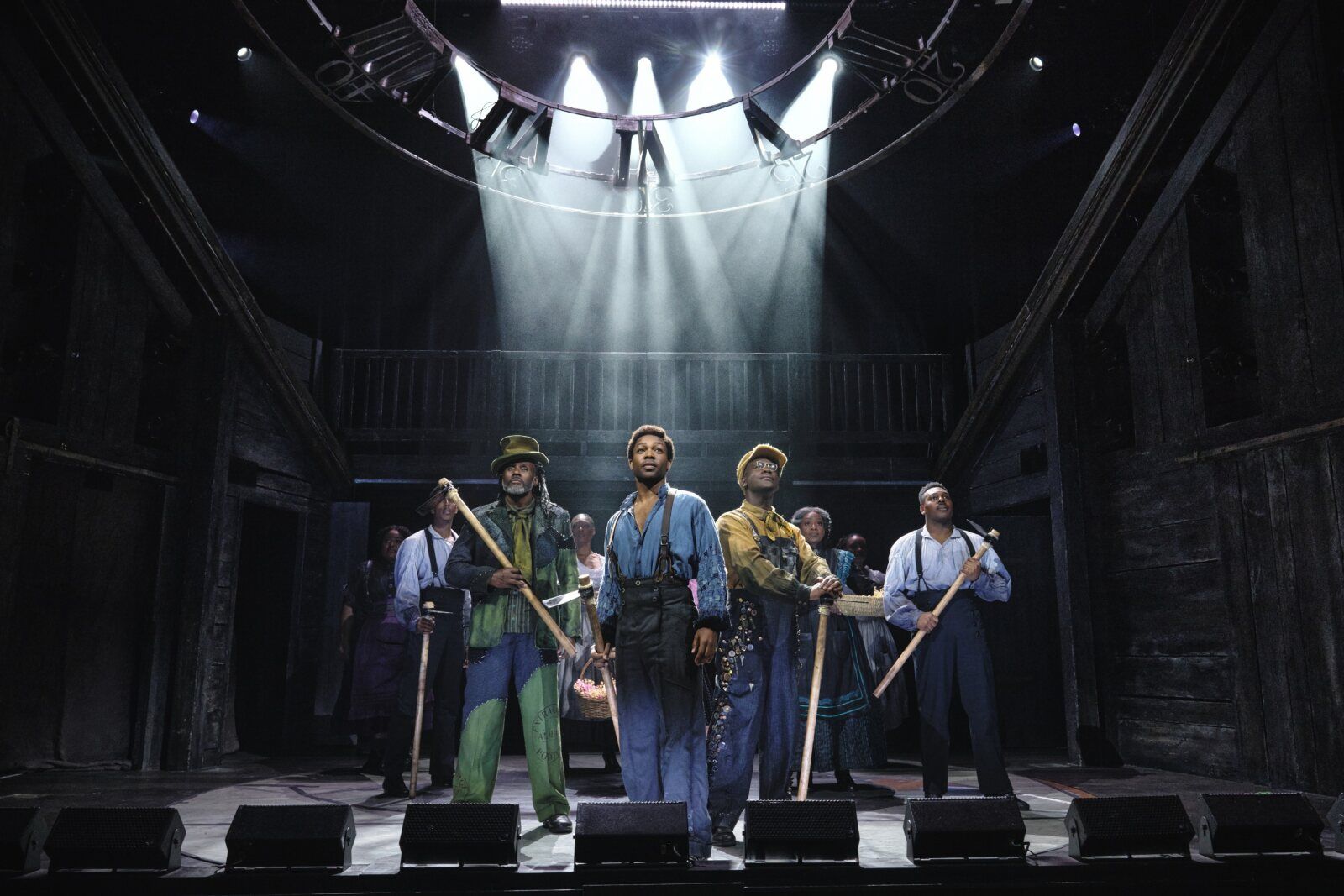
Todrick Hall and. the Company Of Midnight Photo by Valerie Terranova
First, there is the score. Gospel, rhythm and blues, soul, pop, rock, folk, and even opera collide in a glorious explosion of musical styles. This is a sung-through musical, with no spoken dialogue, and the vocal and instrumental arrangements are nothing short of extraordinary. Multiple harmonies overlap, voices soar into unexpected intervals, and riffs build upon riffs until the entire theater seems to vibrate with sound. The musical sophistication is staggering. I found myself sitting there in a state of absolute bliss, wondering how Hall had managed to assemble so many extraordinary voices in one production.
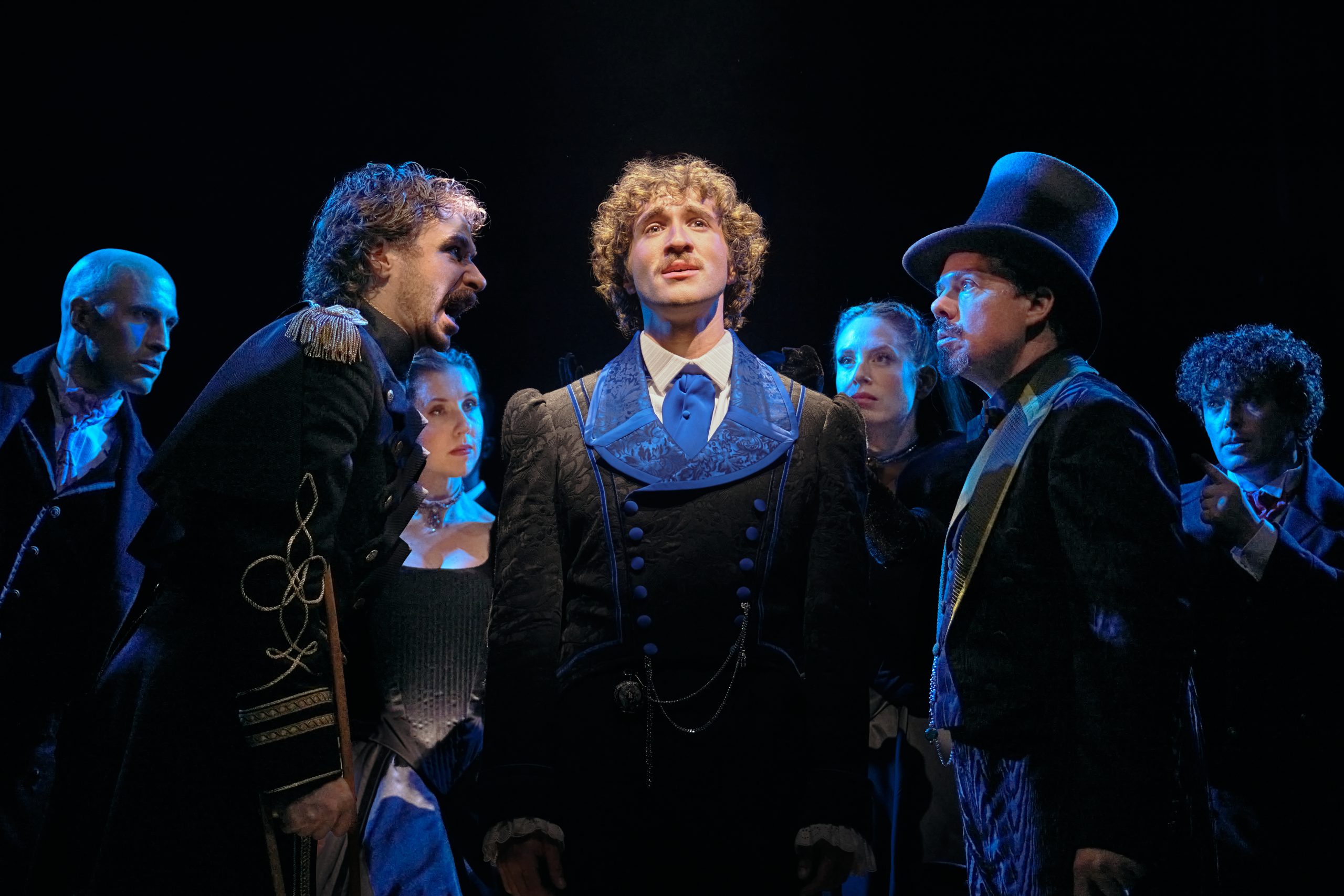
Jimmy Brewer, Jeremy Beloate and Ciarán McCarthy The Company of Midnight photo by Valerie Terranova
Set in the nineteenth-century American South, Midnight follows twelve interconnected characters, six Black and six white, whose lives are defined by race, class, power, identity, and the complicated nature of love. At its center is Rail, a young enslaved Black man portrayed by Hall, whose emotional world becomes increasingly complicated by Lily Rose, played with irresistible sweetness by Charlotte Odusanya affection, and his forbidden attraction to Richard, a wealthy white neighbor portrayed by the phenomenally gifted Jeremy Beloate.
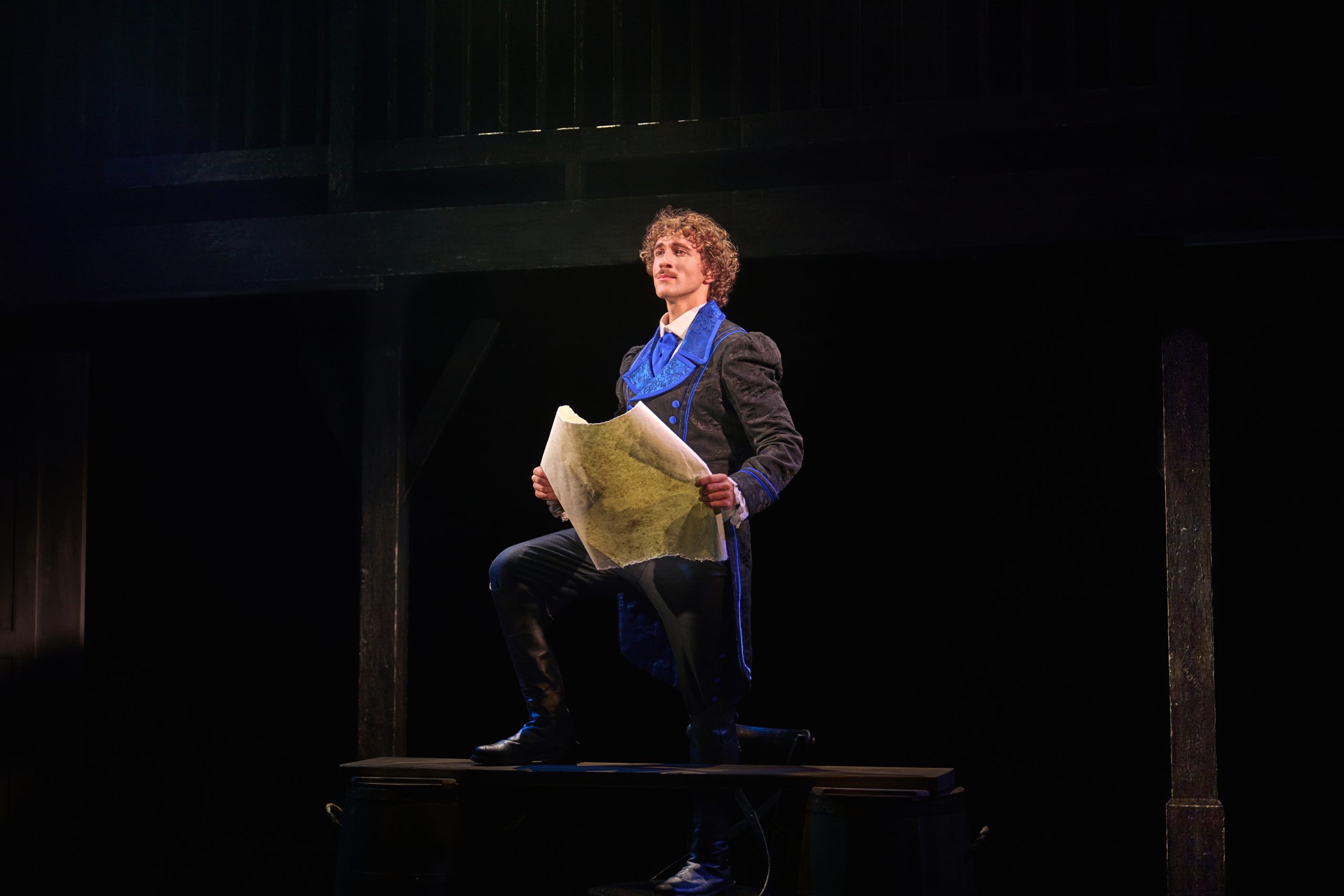
Jeremy Beloate photo by Valerie Terranova
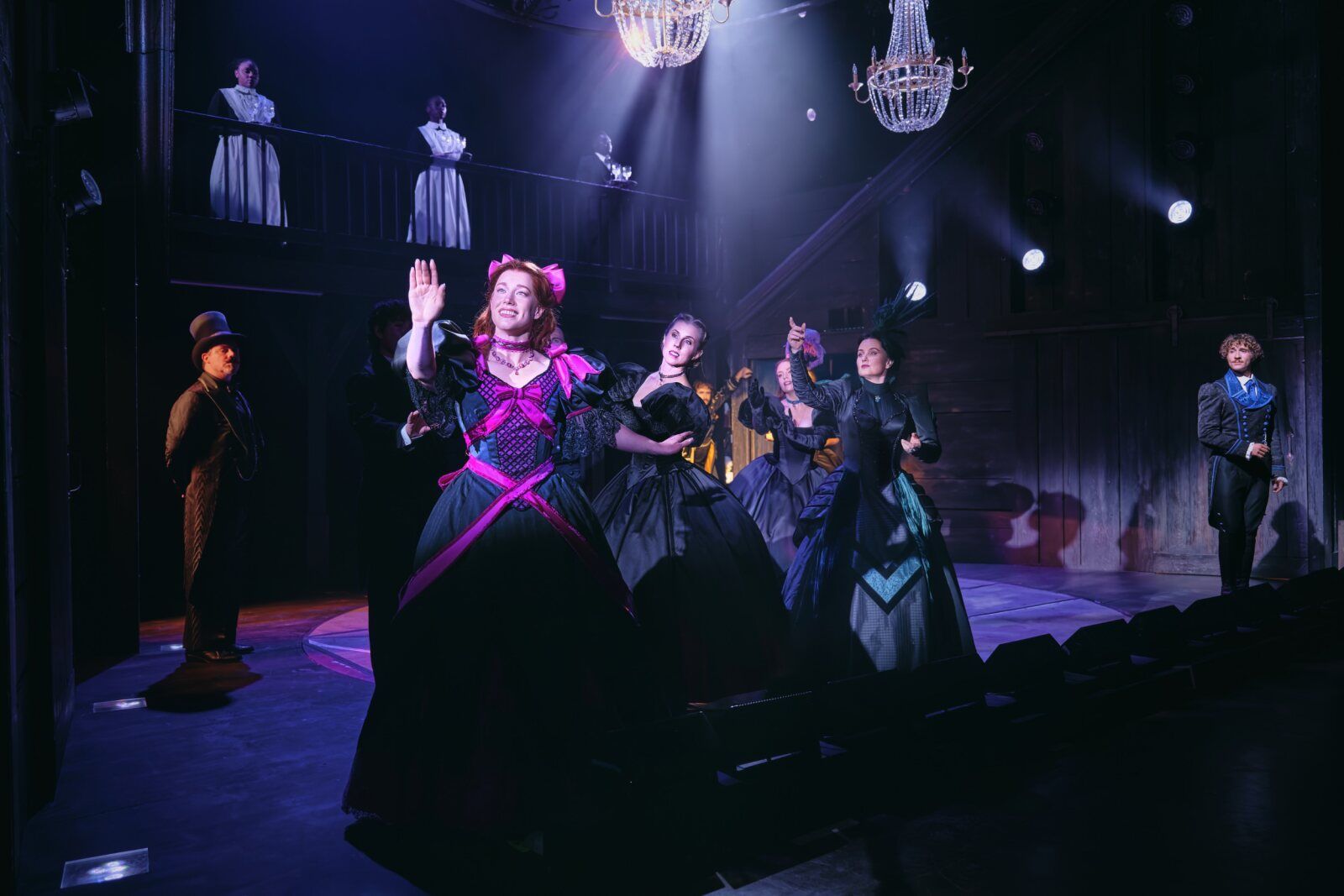
Kennedy Caughell and the company of midnight Photo by Valerie Terranova
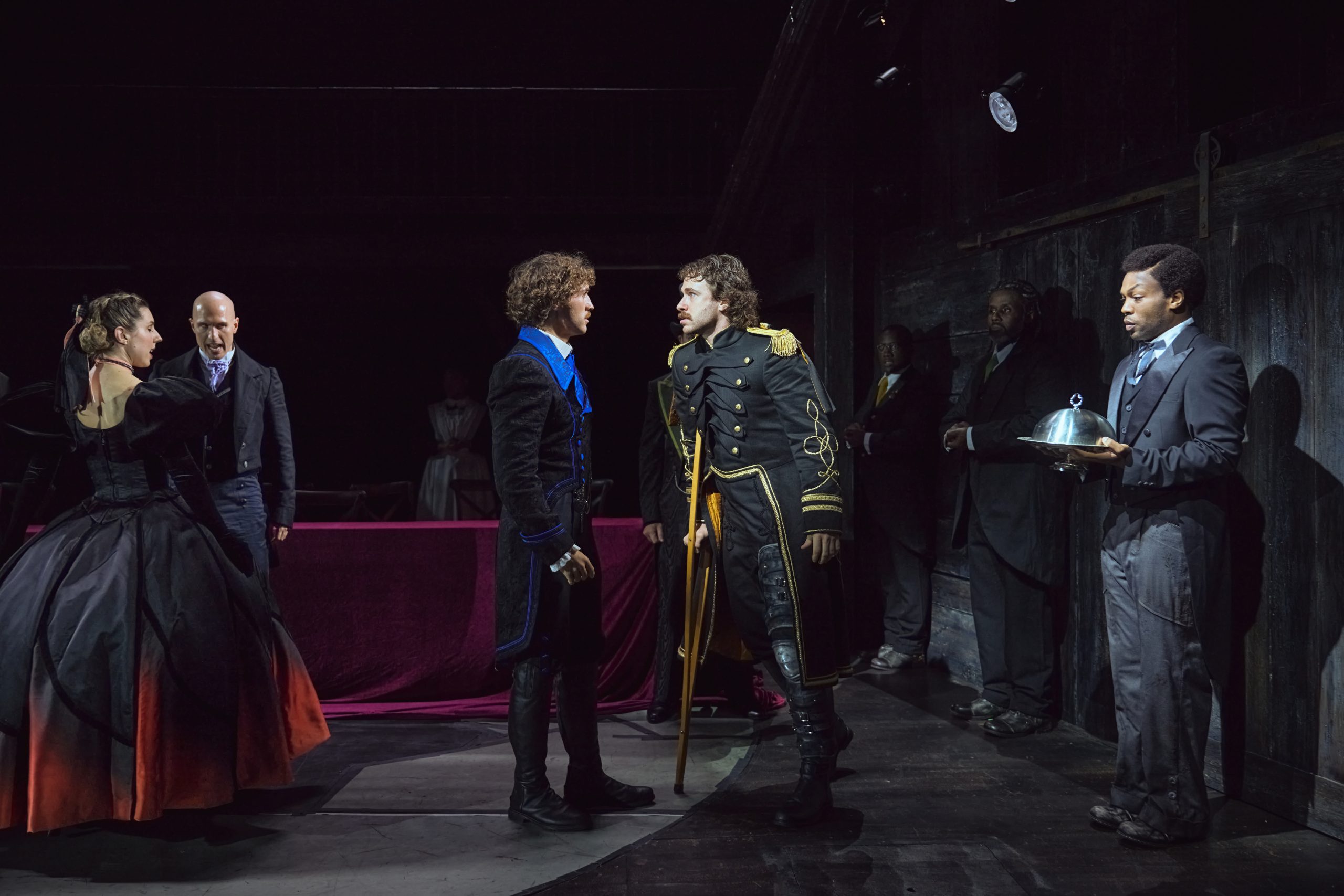
Jimmy Brewer, Jeremy Beloate, Todrick Hall Photo by Valerie Terranova
What makes this so effective is that Hall does not simply ask us to imagine injustice. He makes us watch familiar characters experience it from the opposite side. The reversal exposes the arbitrary cruelty of a system in which one person’s humanity is determined by another person’s authority. It is bold, unsettling, and theatrically ingenious.
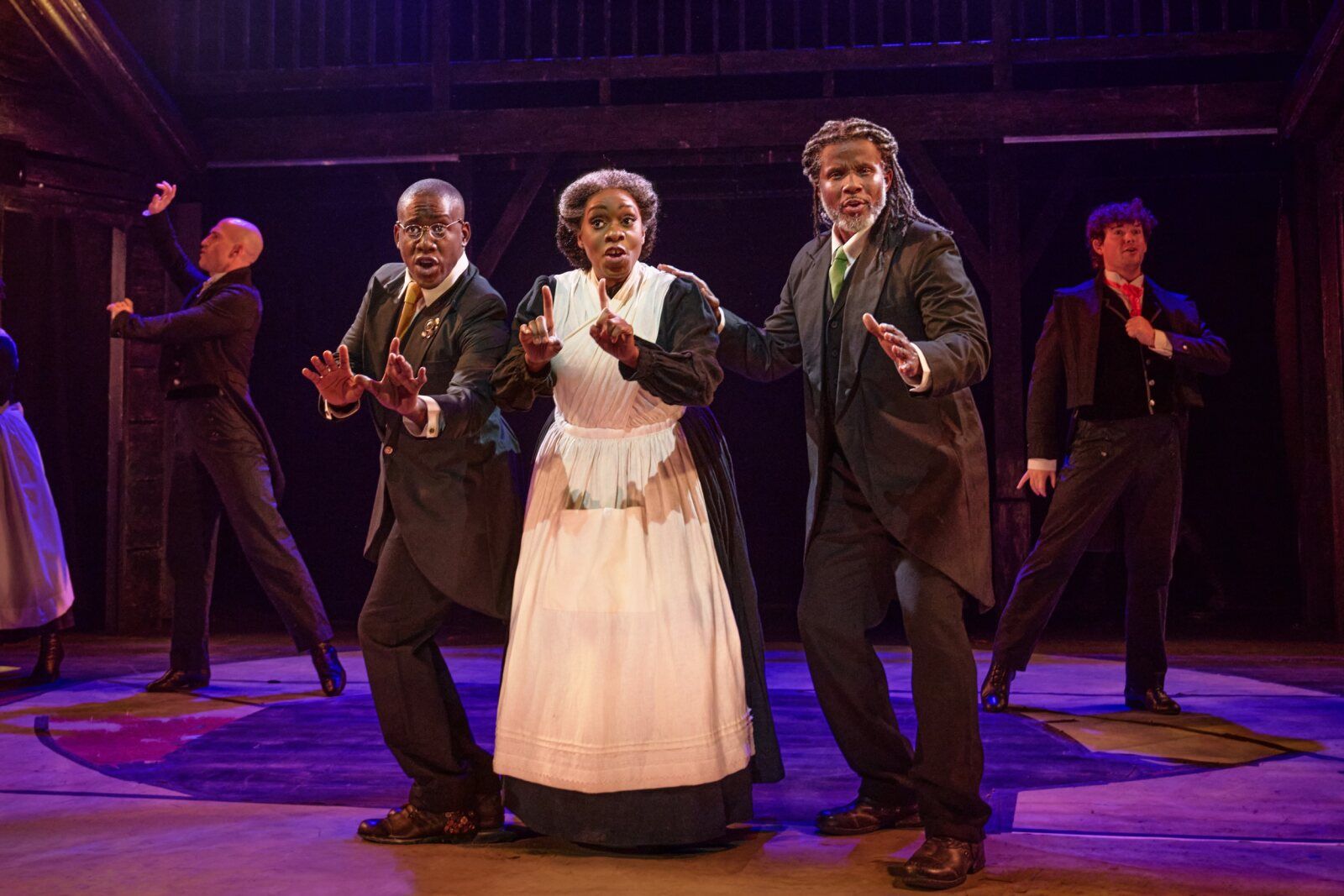
Sidney Dupont, Ayana George, and Dwayne Clark Photo by Valerie Terranova
Ayana George, as Ethel, serves as one of the musical’s principal narrators, and her voice is simply magnificent. She possesses the kind of vocal authority that makes an audience surrender from the first note. There is richness, power, and emotional command in everything she sings, and she anchors the production with remarkable assurance.
Charlotte Odusanya brings warmth and charm to Lily Rose, making her far more than a romantic counterpoint to Rail’s complicated desires. There is an innocence to her performance, but also an emotional intelligence that keeps the character from becoming sentimental.
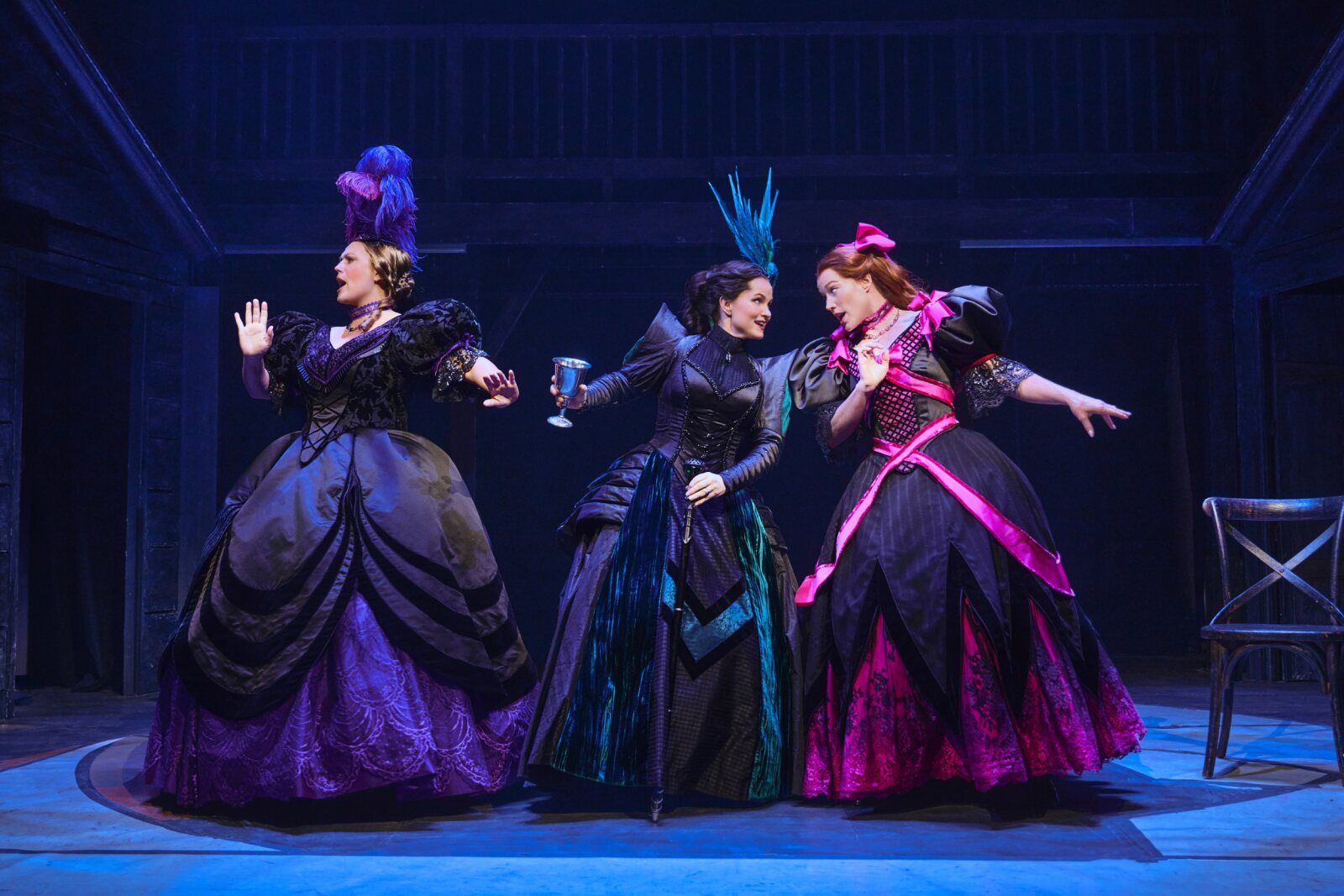
Bella Coppola, Autumn Hurlbert and Kennedy Caughell Photo by Valerie Terranova
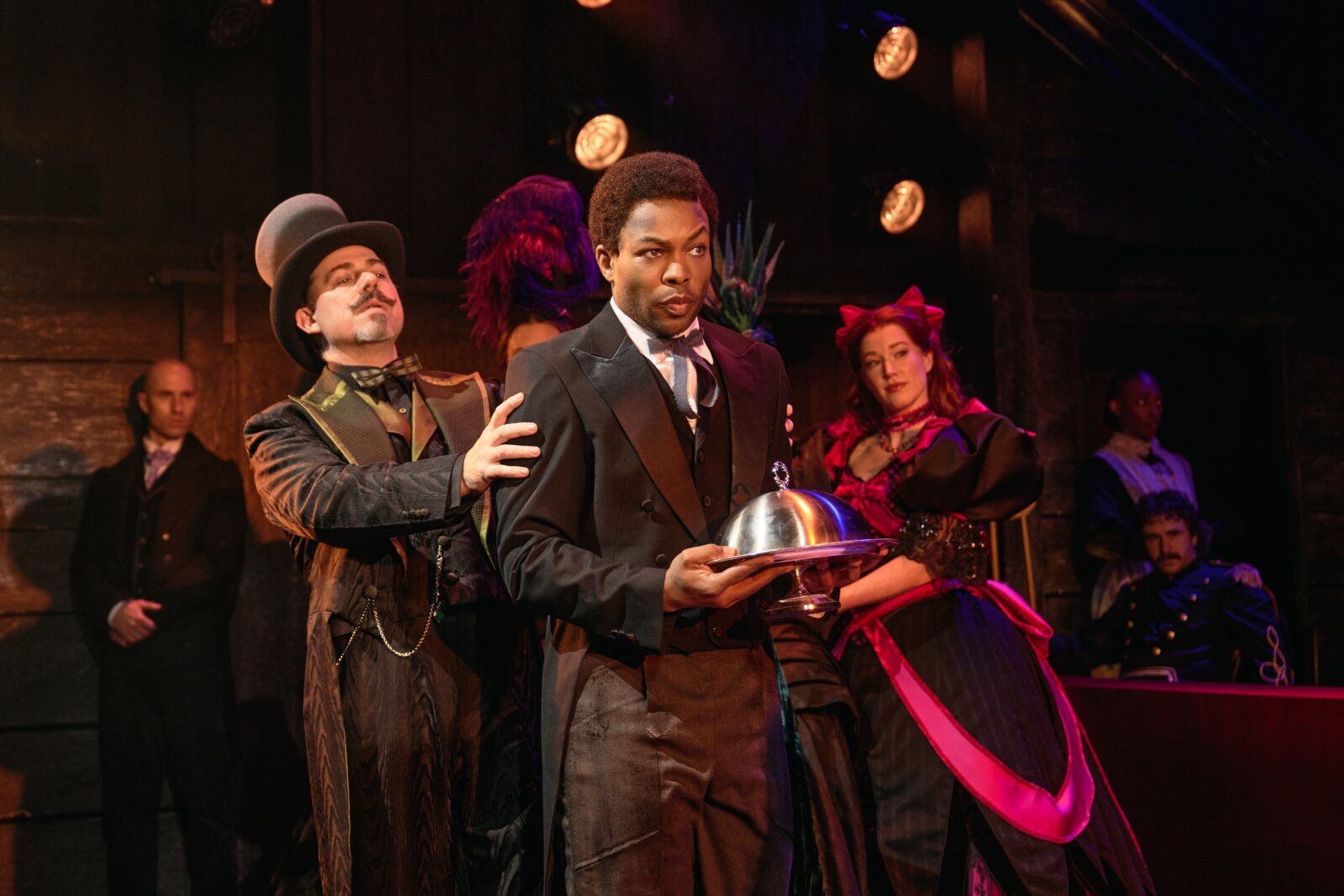
Ciaran McCarthy, Todrick Hall, Kennedy Caughell and the company of midnight Photo by Valerie Terranova
What Hall has accomplished vocally is especially impressive because the musical demands so much more than beautiful singing. The performers must negotiate complicated harmonies, shifting musical styles, demanding choreography, and emotionally charged storytelling without the relief of spoken dialogue. There is nowhere to hide. Every thought, every confrontation, and every revelation must be communicated through music and movement. My only criticism is diction.
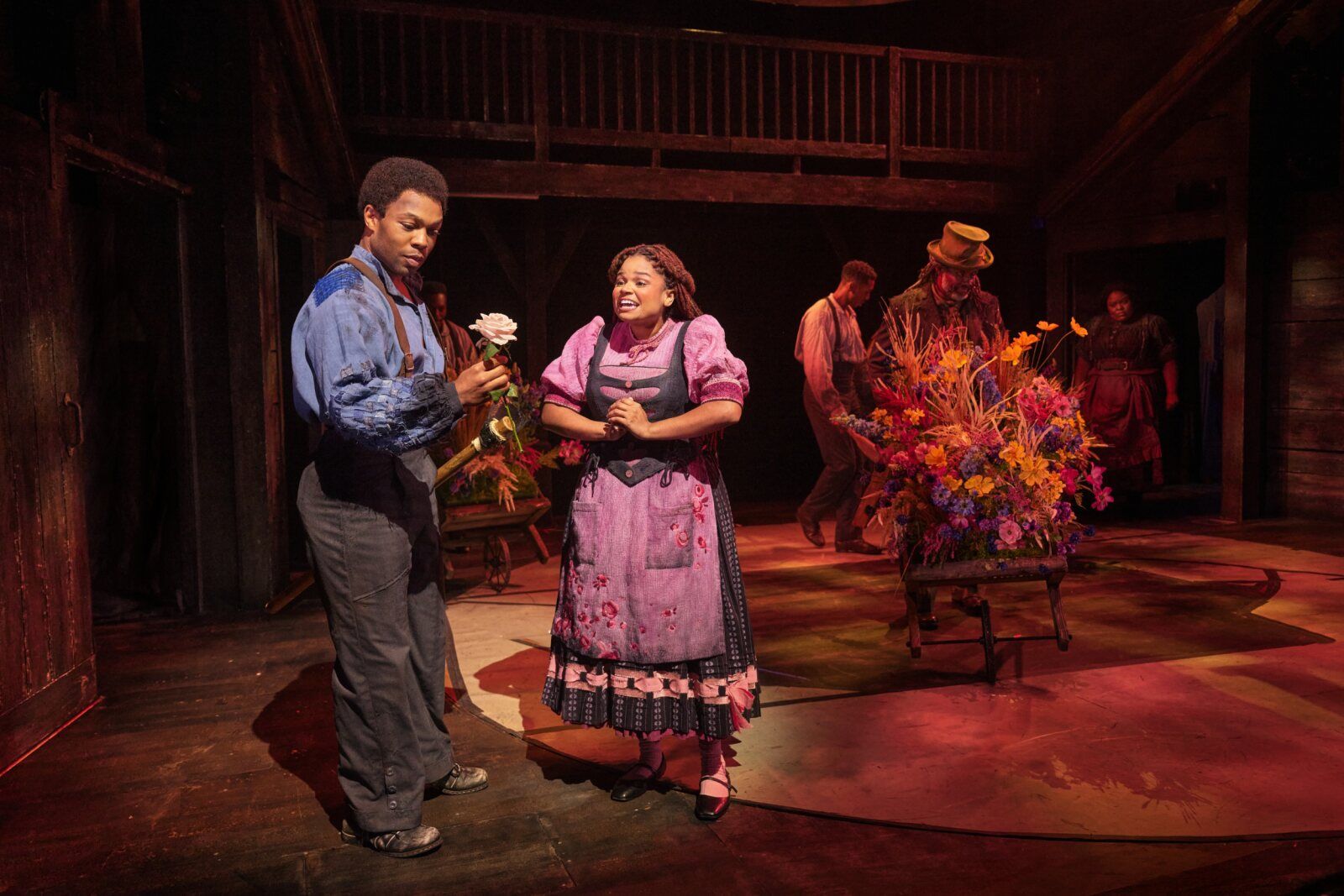
Todrick Hall and Charlotte Odusanya and the Company of Midnight Photo by Valerie Terranova
Hall himself is a magnetic performer, bringing charisma, vulnerability, humor, and tremendous physical energy to Rail. He commands the stage with the confidence of someone who knows precisely what he wants his audience to experience. Yet he is also the one person who might benefit most from an editor. Sometimes less really is more.
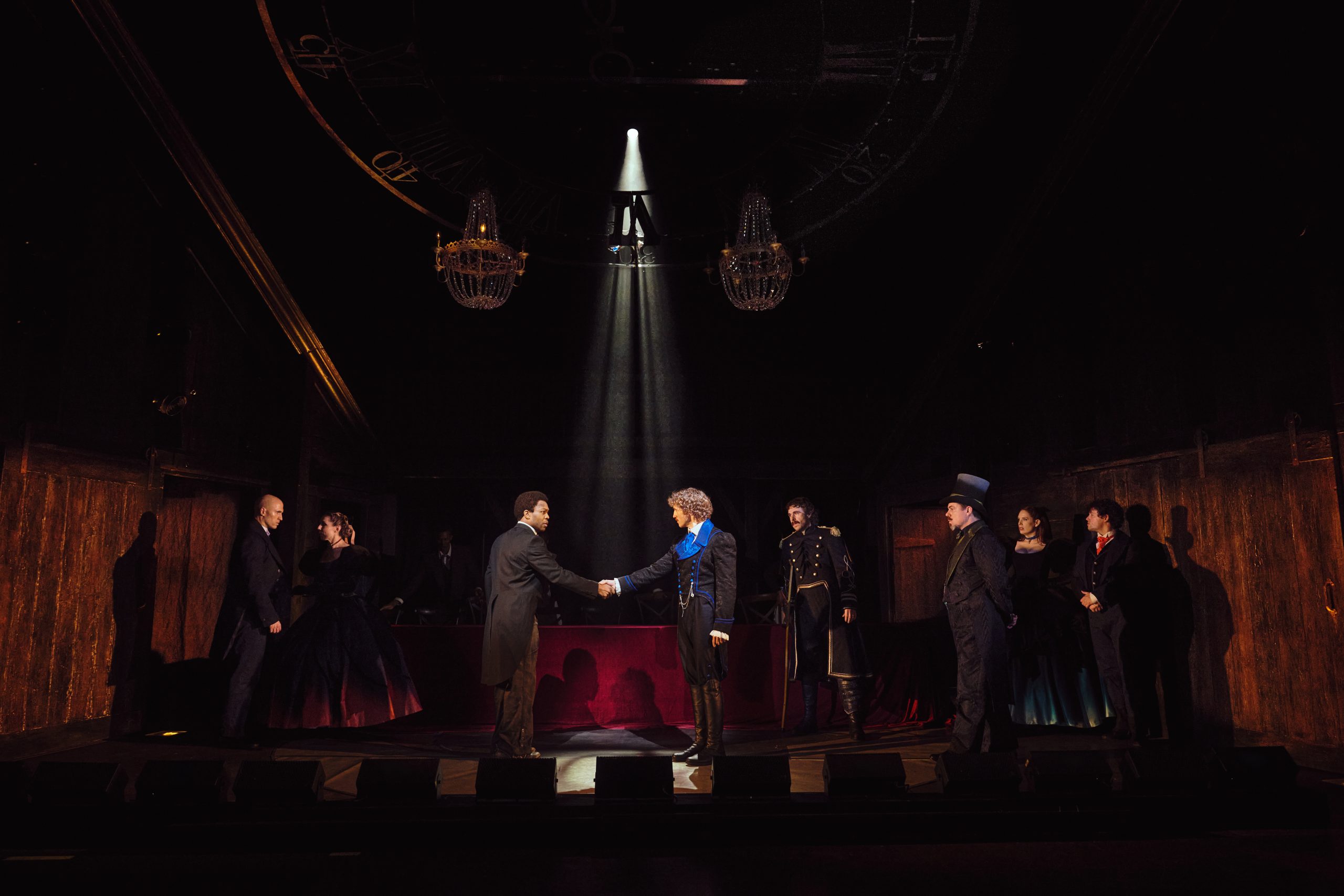
Todrick Hall, Jeremy Beloate and the Company of Midnight Photo by Valerie Terranova
Morgan Large’s scenic design provides a theatrical environment capable of moving between historical realism and the production’s increasingly surreal landscape. Beck Jones’s costumes establish the divisions of class and status that become so essential to the story, while Jake DeGroot’s lighting gives the production both its visual grandeur and its darker emotional textures.
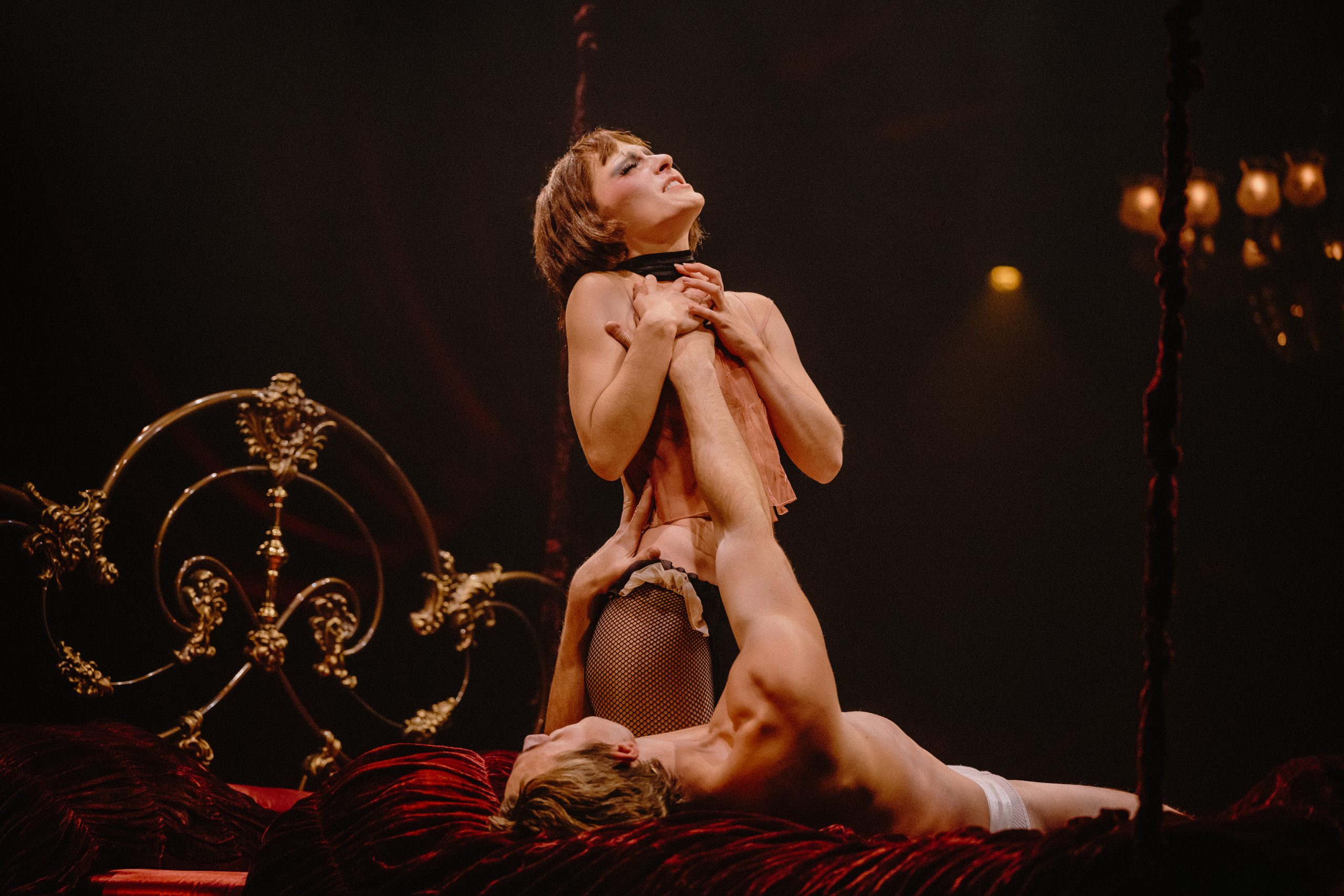
Sophia Anne Caruso delivers a mesmerizing performance in Duncan Sheik’s haunting new musical, where exquisite beauty conceals a far more disturbing reality.
There is something particularly poignant about watching Memoirs of Amorous Gentlemen, one of Duncan Sheik’s final theatrical works, arriving onstage in the shadow of his death. The composer who helped redefine contemporary musical theater with Spring Awakening has left us another haunting score, one whose melodic beauty and emotional darkness seem all the more affecting now that its creator is gone.
Now playing at The Night Egg at The Culture Club, 530 West 27th Street. Imagine the immersive seduction of Sleep No More, filtered through the eroticism of a Parisian brothel, and you begin to understand the atmosphere. This is a production that invites you to look, encourages you to linger, and then makes you question precisely what you have been watching.
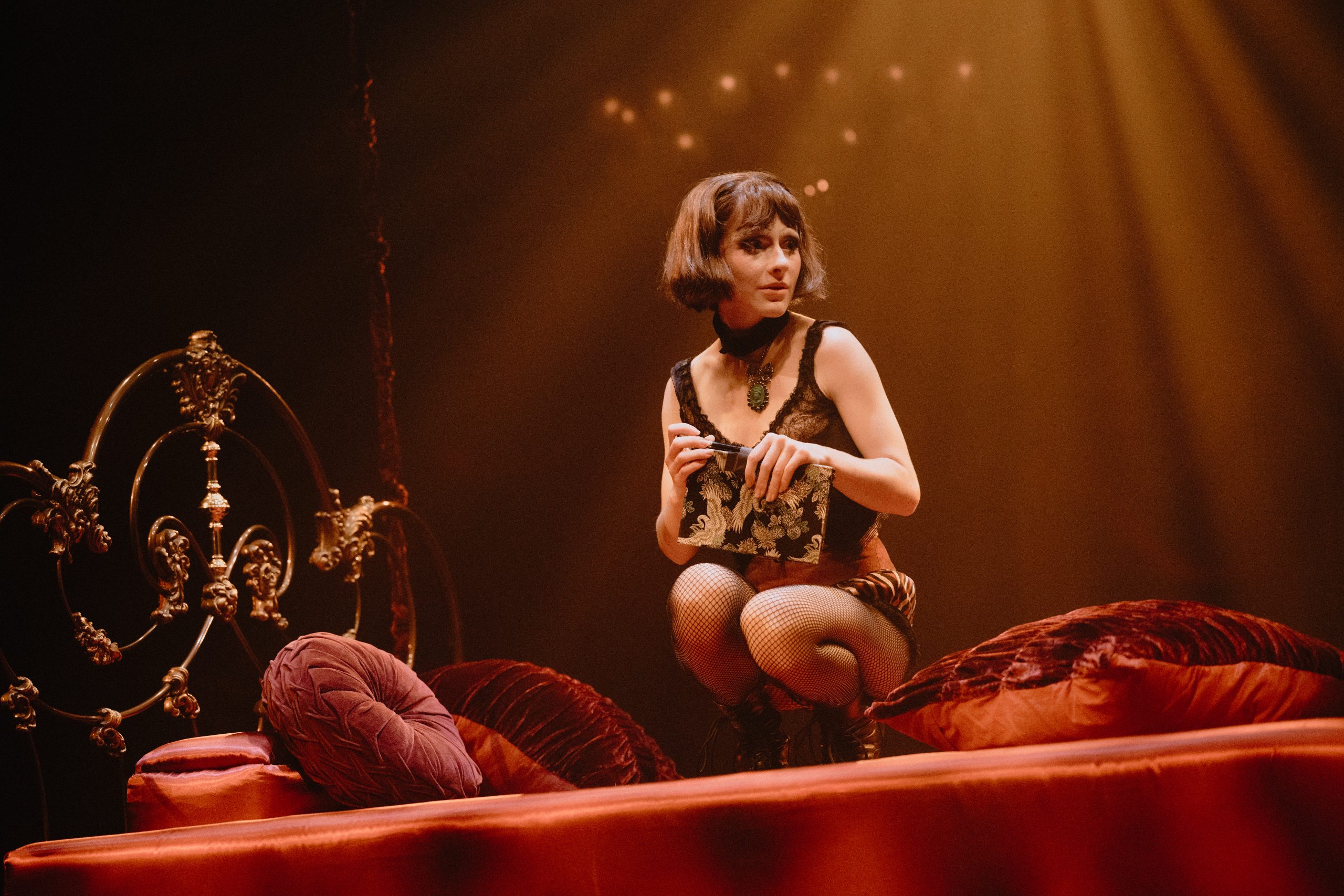
Sophia Anne Caruso photo by Andy Henderson
Make no mistake, this is essentially beautiful soft pornography onstage, wrapped in some of the most exquisite theatrical design currently on display. It is also a production with a frustratingly familiar story, an insufficiently developed book, and one extraordinary young actress who makes the entire evening worth experiencing.
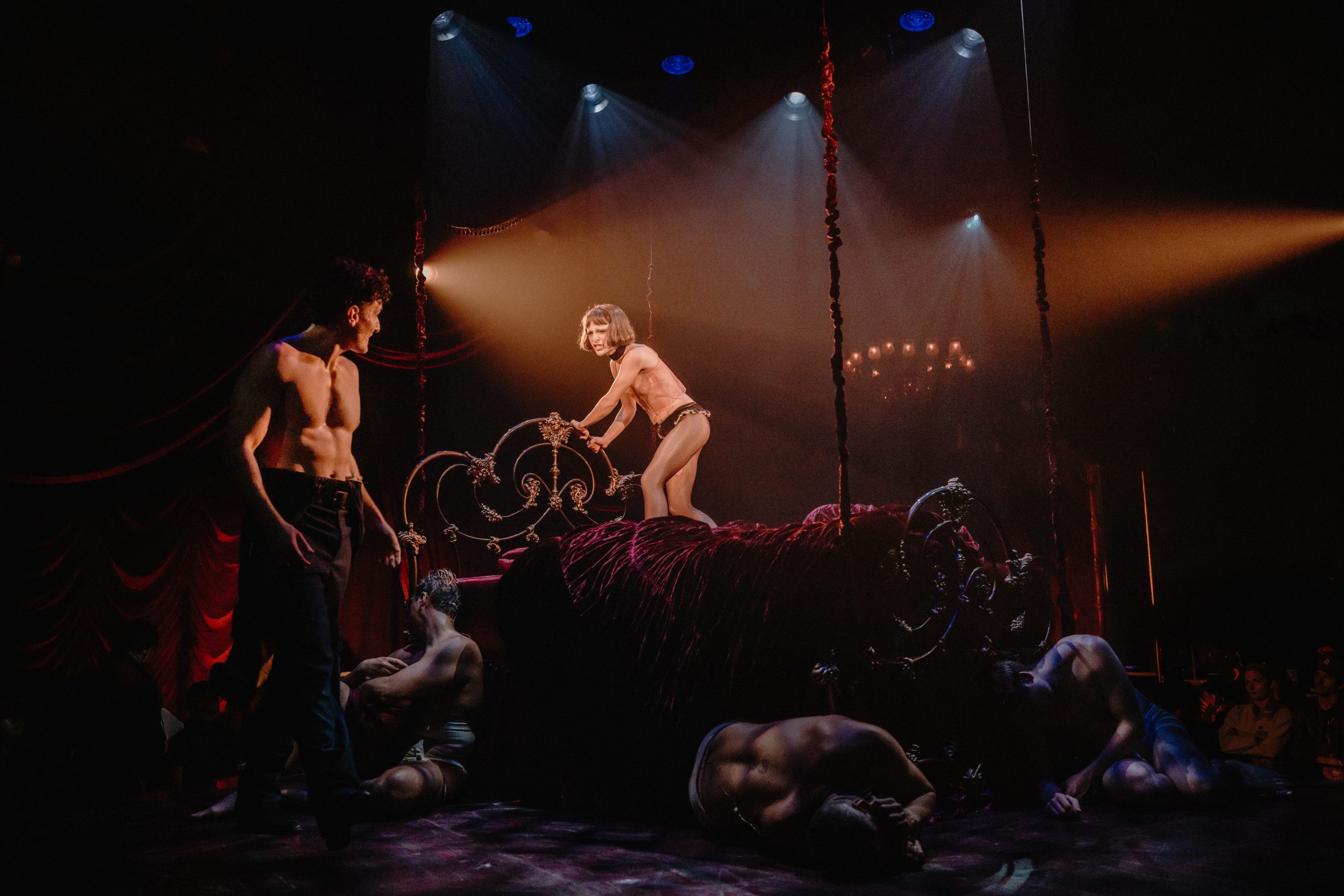
Cory Jeacoma and Sophia Anne Caruso photo by Andy Henderson
Based on Moyoco Anno’s award-winning Japanese manga, with a book by Leah Nanako Winkler, Memoirs of Amorous Gentlemen transports us to a decadent Parisian maison close known as the Night Egg. Here, desire is currency, intimacy is transactional, and the women who inhabit this seductive underworld survive by learning the difference between what men want and what men are willing to give.
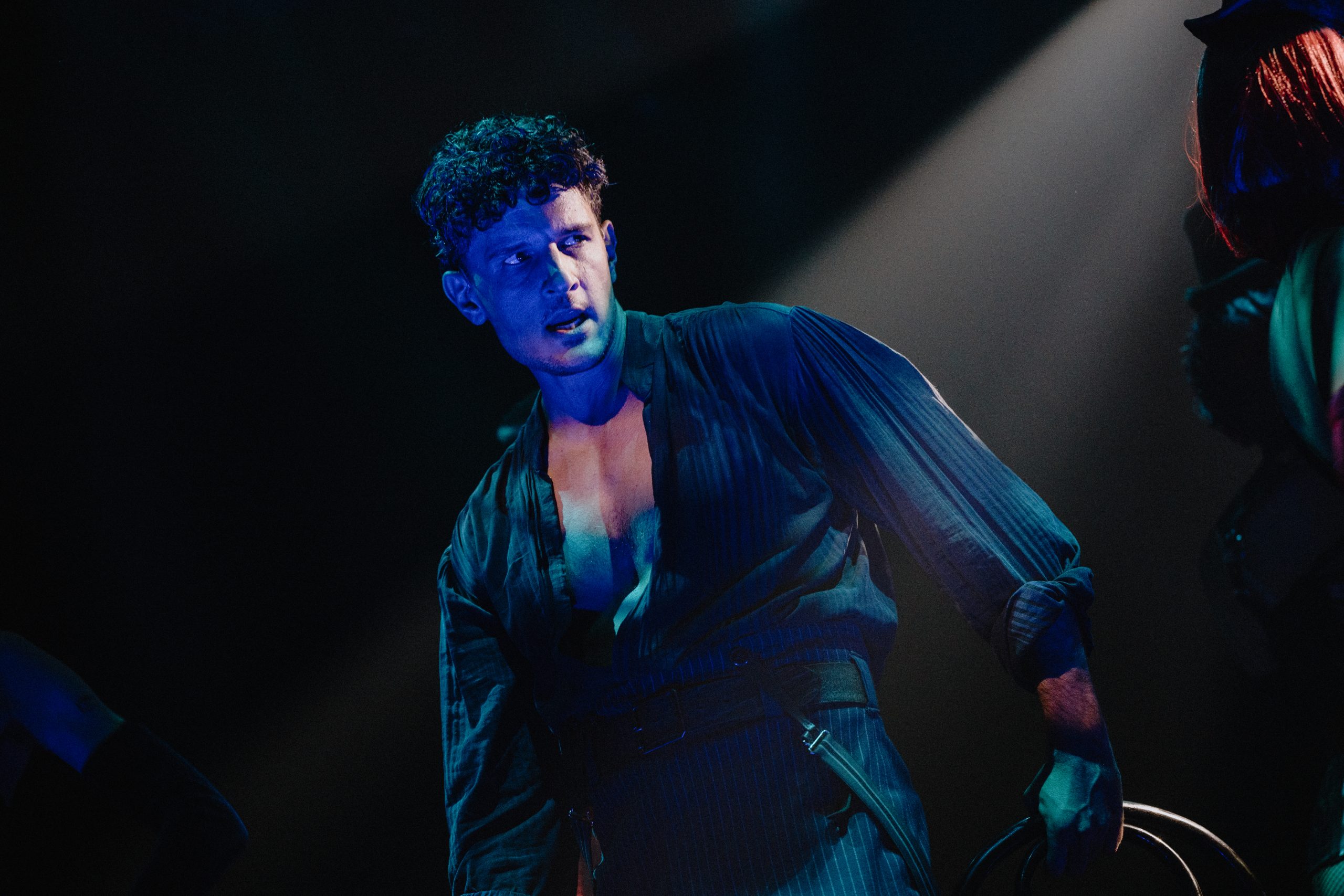
Cory Jeacoma photo by Andy Henderson
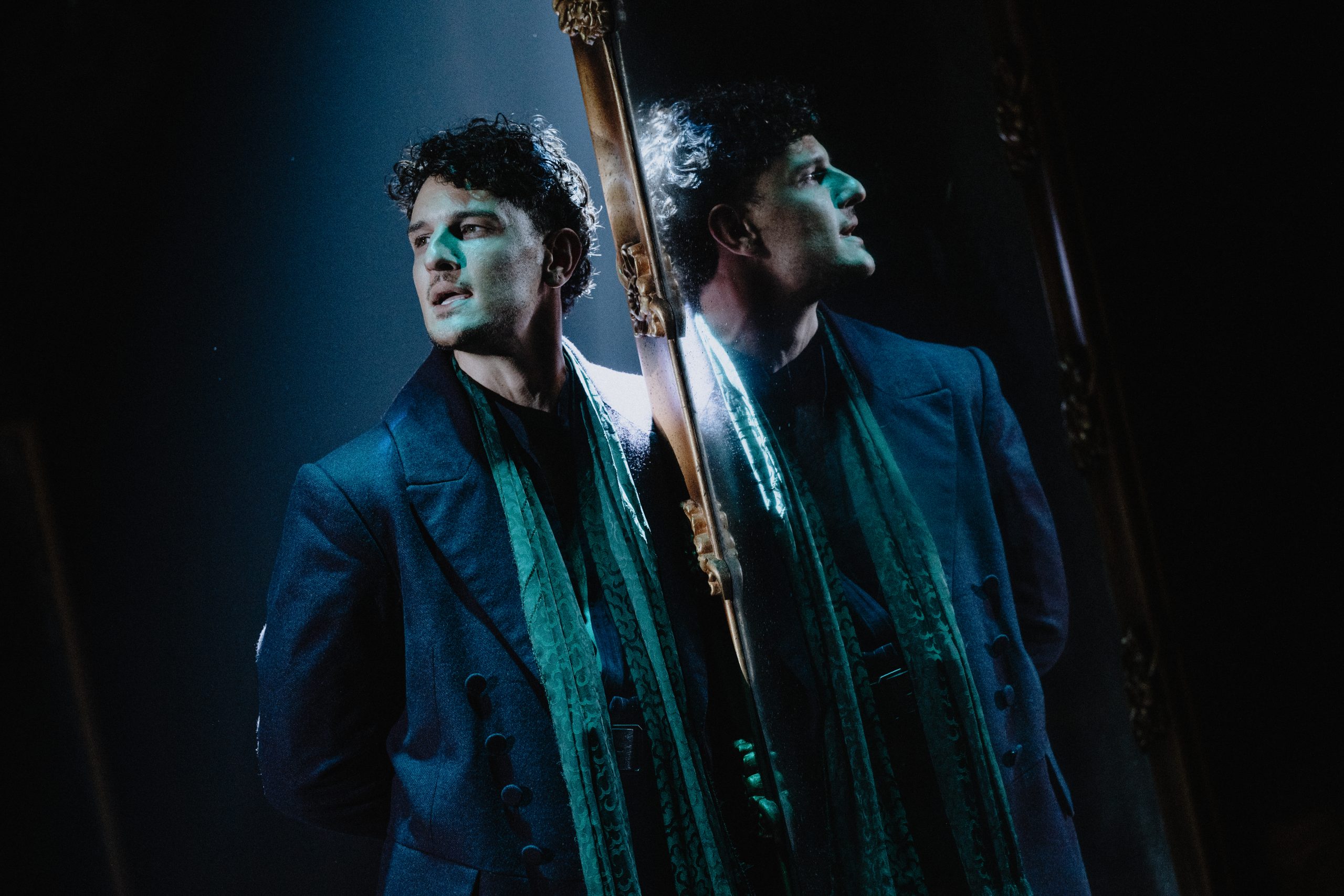
At its center is Colette, a young aspiring writer portrayed by the astonishing Sophia Anne Caruso. Colette works within this elaborate world of fantasy while remaining emotionally entangled with Léon (a rake that Cory Jeacoma makes you want o hear more of), her childhood love, a man whose affections prove considerably less dependable than her devotion.
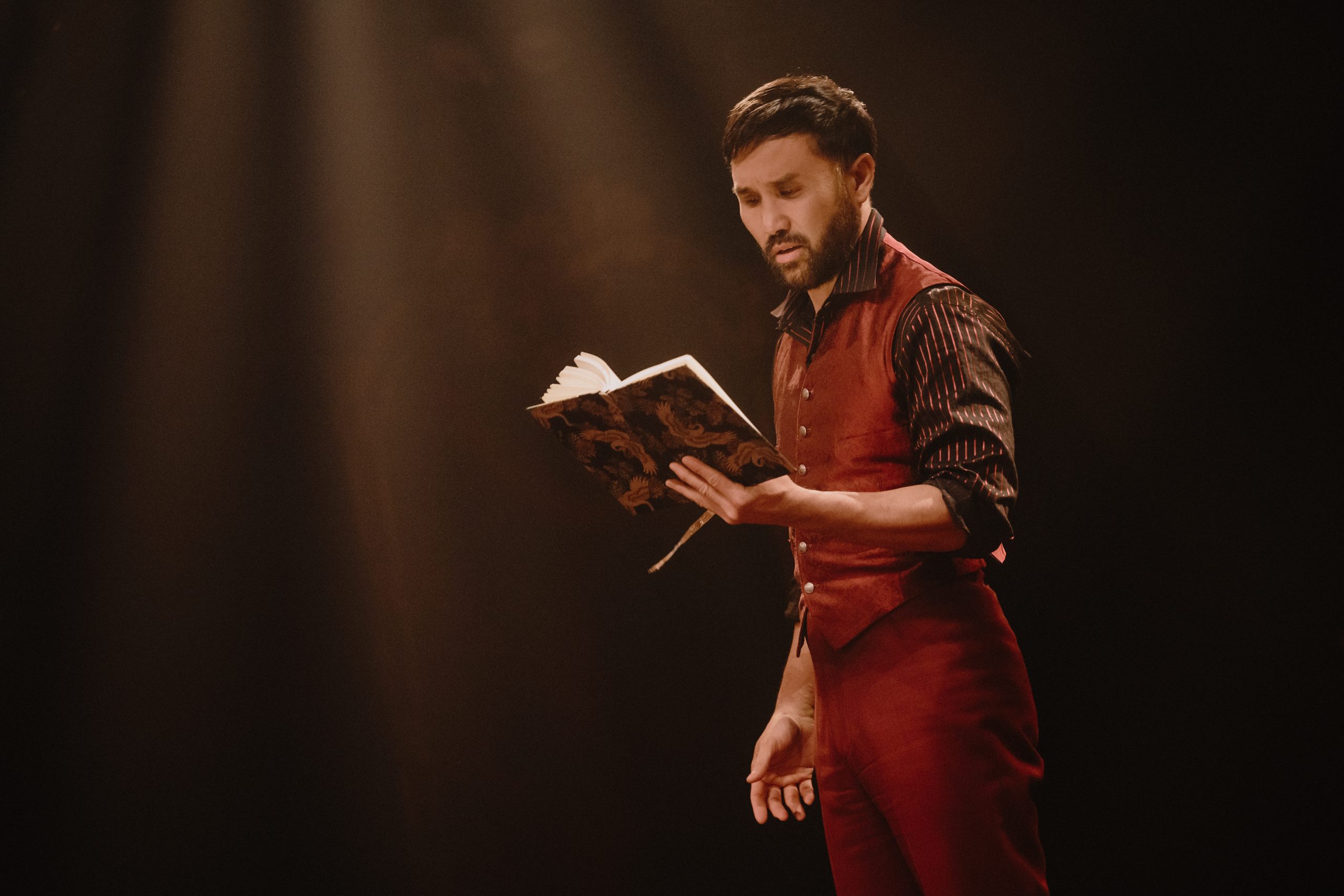
Marc delaCruz photo by Andy Henderson
When a client, Sakae (Marc delaCruz), encourages Colette to put pen to paper, she begins recording the intimate confessions, peculiar fantasies, and private sorrows of the men who frequent the establishment. Through writing, she discovers a means of reclaiming her identity. No longer merely someone to be observed, she becomes the observer, transforming the perversions of others into art.
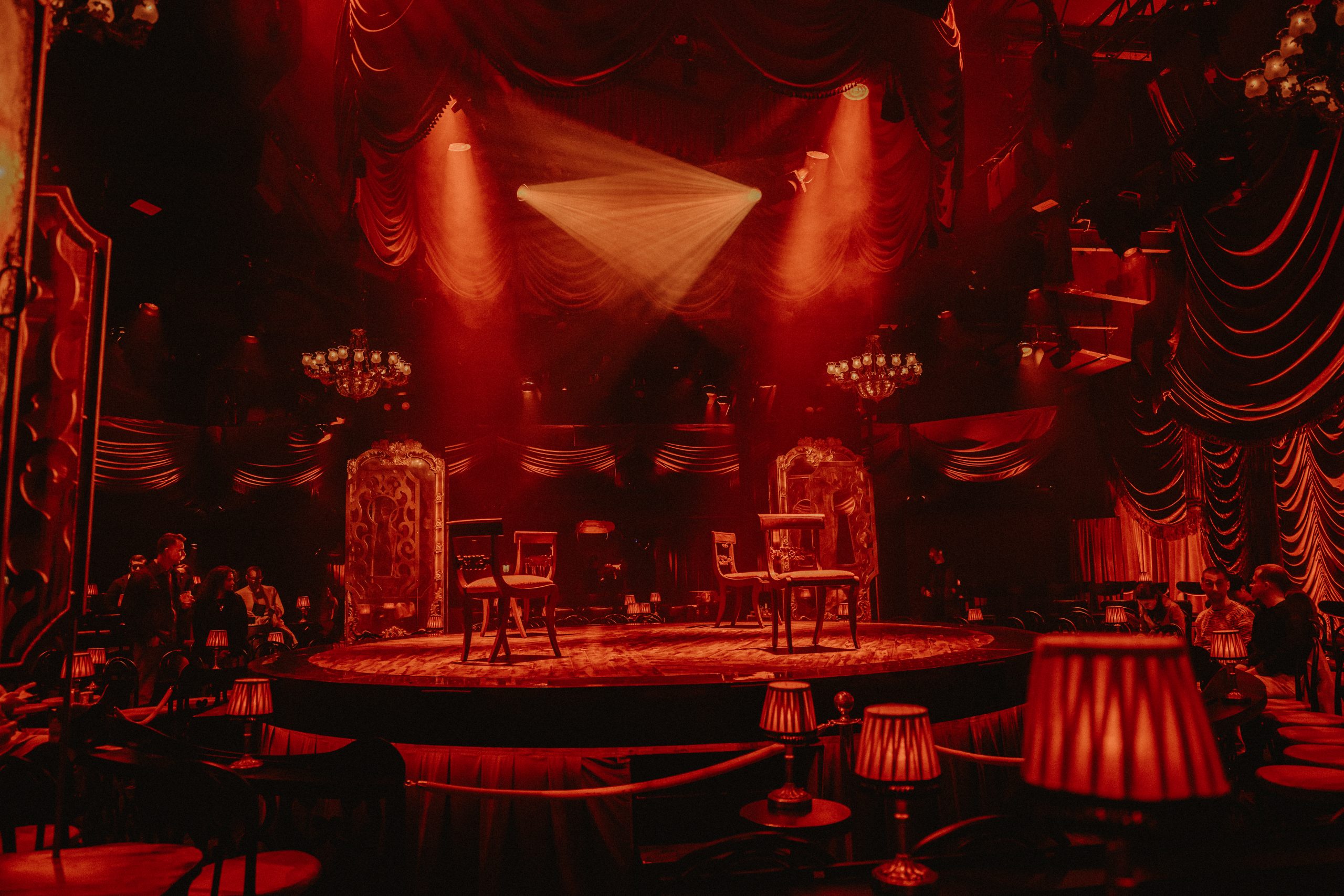
The Night Egg at the Culture Club photo by Andy Henderson
It is a promising premise, but one that feels distressingly familiar. The prostitute with a literary soul, the emotionally unavailable lover, the exploitation masquerading as affection, and the eventual discovery of personal agency are all recognizable dramatic territory. Winkler’s book never quite finds the originality or psychological complexity necessary to elevate these elements into something genuinely revelatory.
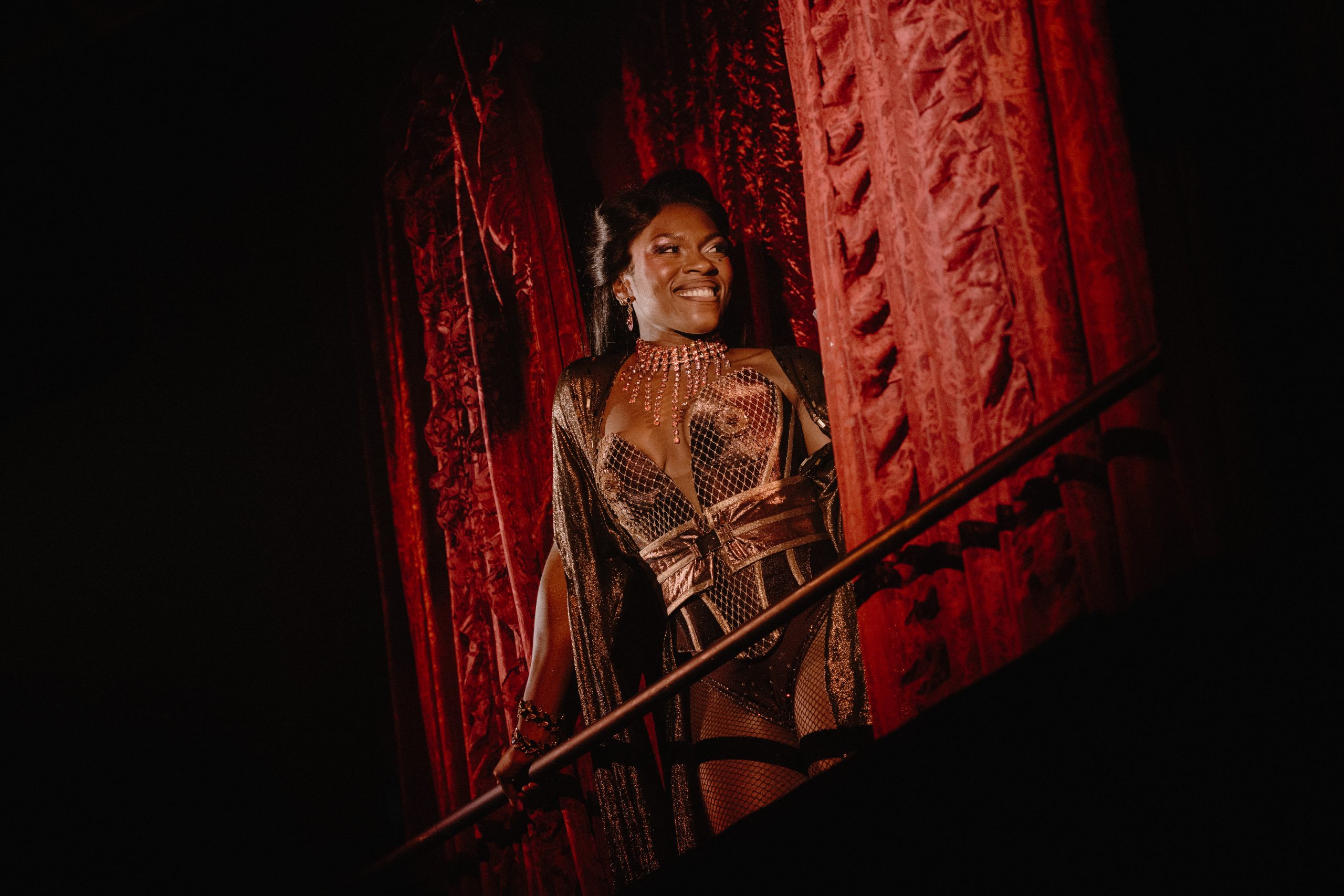
Nkeki Obi-Melekwe photo by Andy Henderson
Léon, meanwhile, exploits Colette’s devotion while directing his money and attention toward Nana, played by Nkeki Obi-Melekwe of Tina: The Tina Turner Musical. Colette continues believing in him long after the audience has recognized the futility of that belief. There is emotional truth in such self-deception, but the writing does not explore it deeply enough to make the relationship as compelling as it should be.
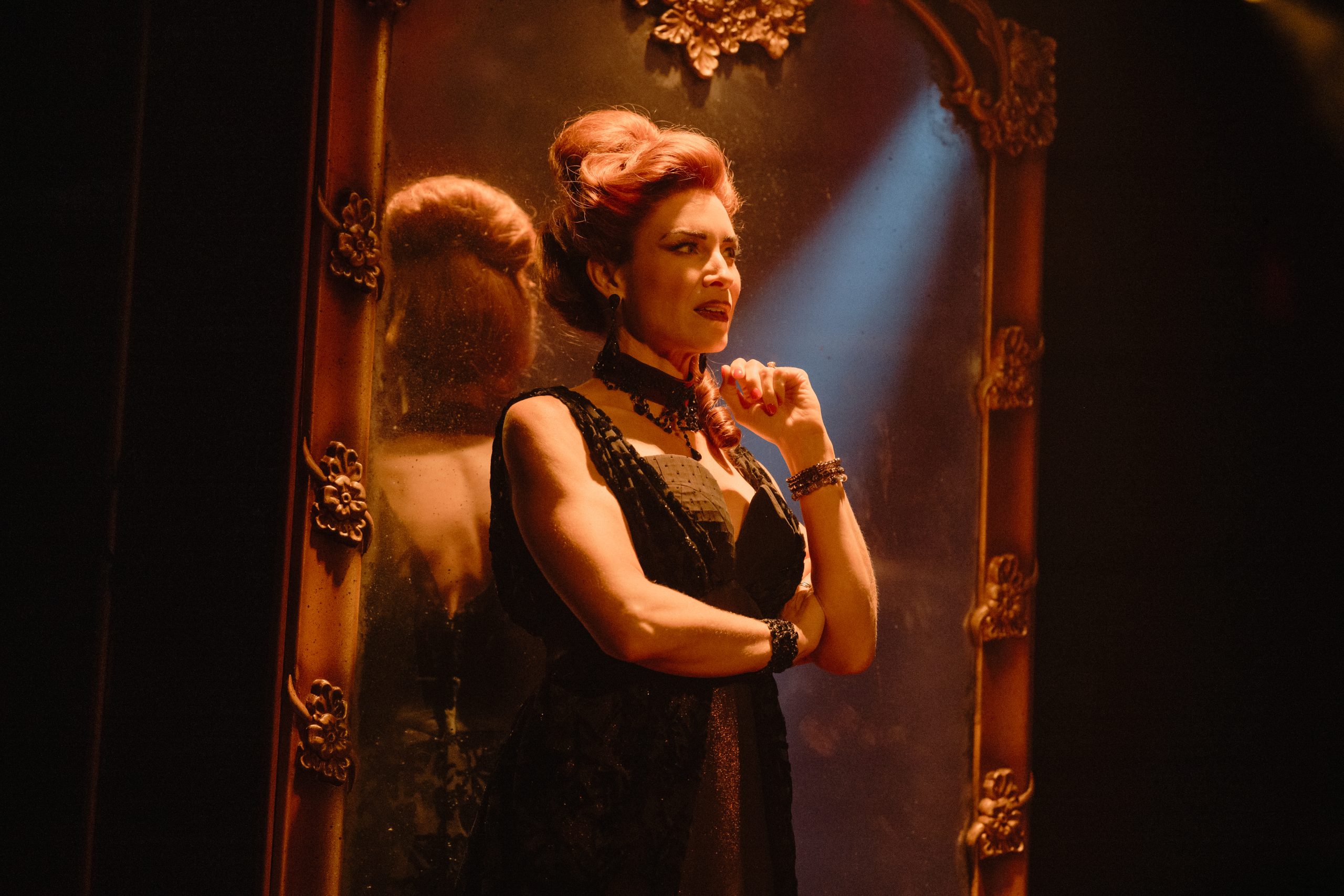
Jenny Powers photo by Andy Henderson
Jenny Powers brings an appropriately chilling authority to Madame, whose coldhearted management of the establishment reminds us that beneath the elaborate costumes and seductive rituals lies a business built upon the commodification of human desire.
What makes the production so compelling is the extraordinary visual and musical world constructed around this underdeveloped narrative.
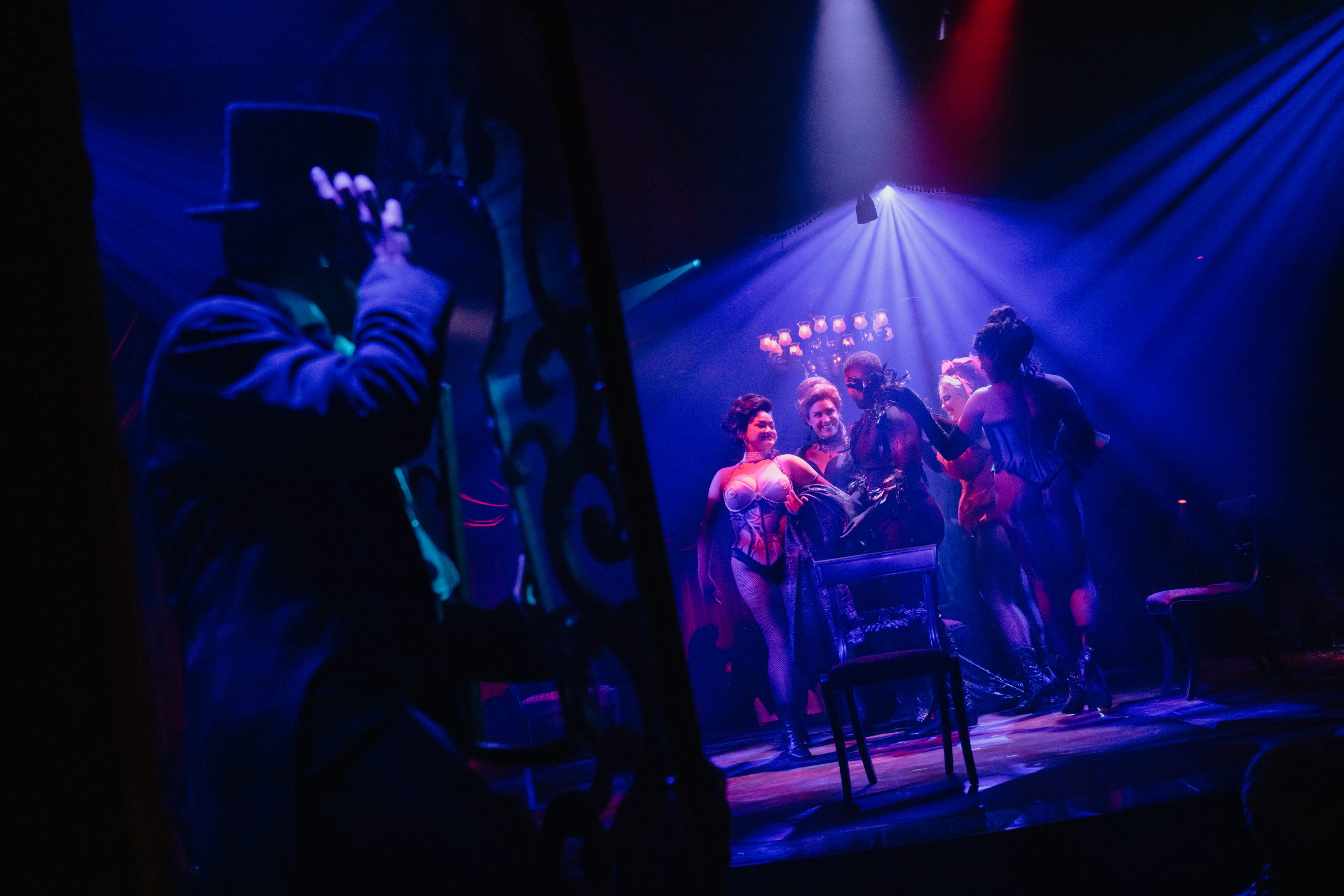
photo by Andy Henderson
Director and choreographer Rob Ashford understands seduction as a theatrical language. His staging is fluid, sensual, and meticulously composed, creating an atmosphere in which movement becomes as expressive as dialogue. The choreography is not simply decorative; it is part of the establishment’s machinery, drawing the audience into a world where beauty and exploitation exist in disturbing proximity.
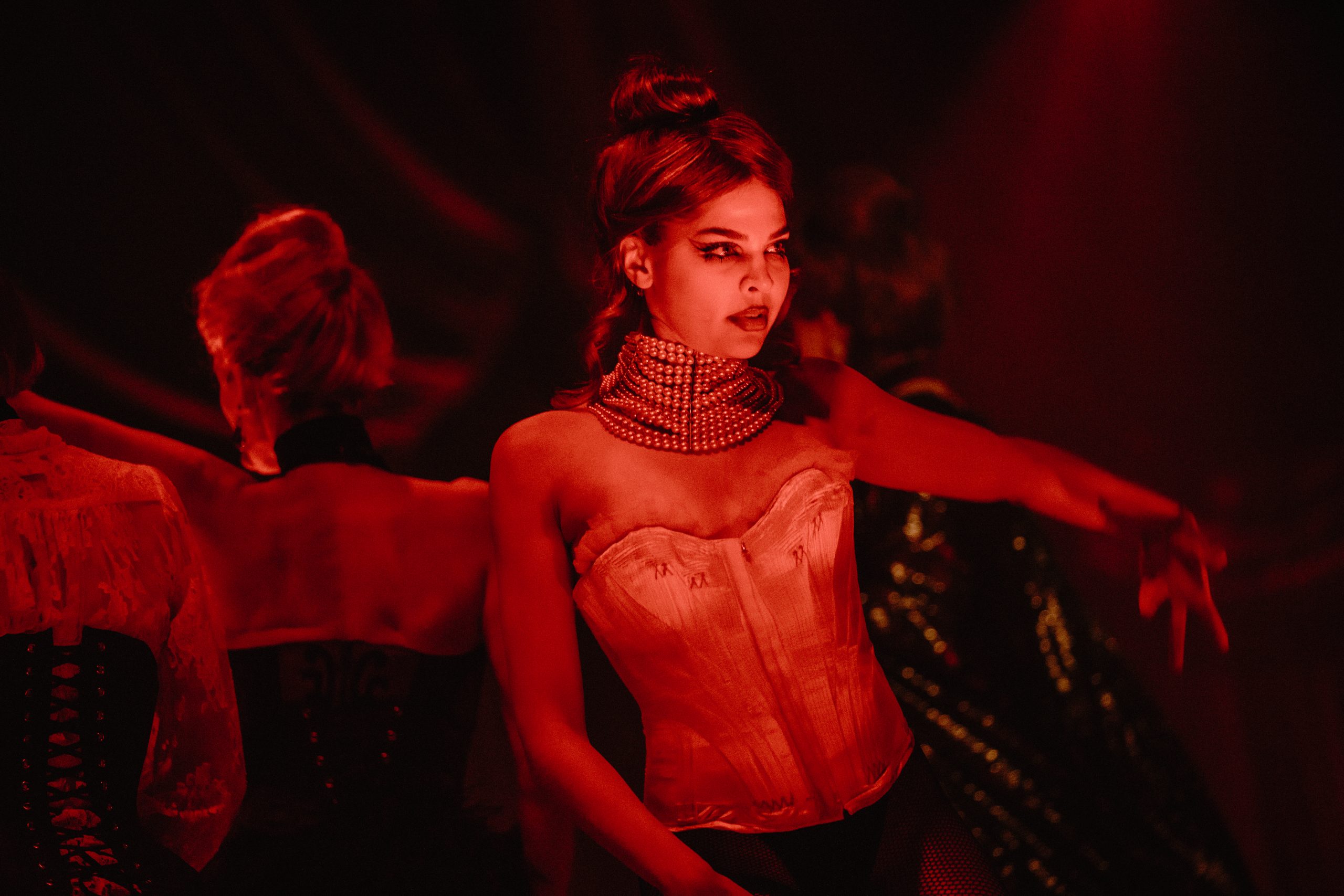
Nika Lindsay photo by Andy Henderson
Scott Pask’s scenic design transforms the space into a decadent Parisian playground, while Catherine Zuber’s costumes are so ravishing that I found myself wanting to purchase practically the entire wardrobe. The textures, silhouettes, and sensual extravagance create a visual feast. If the production occasionally feels more invested in its appearance than its narrative, it is difficult to complain while looking at something this gorgeous.
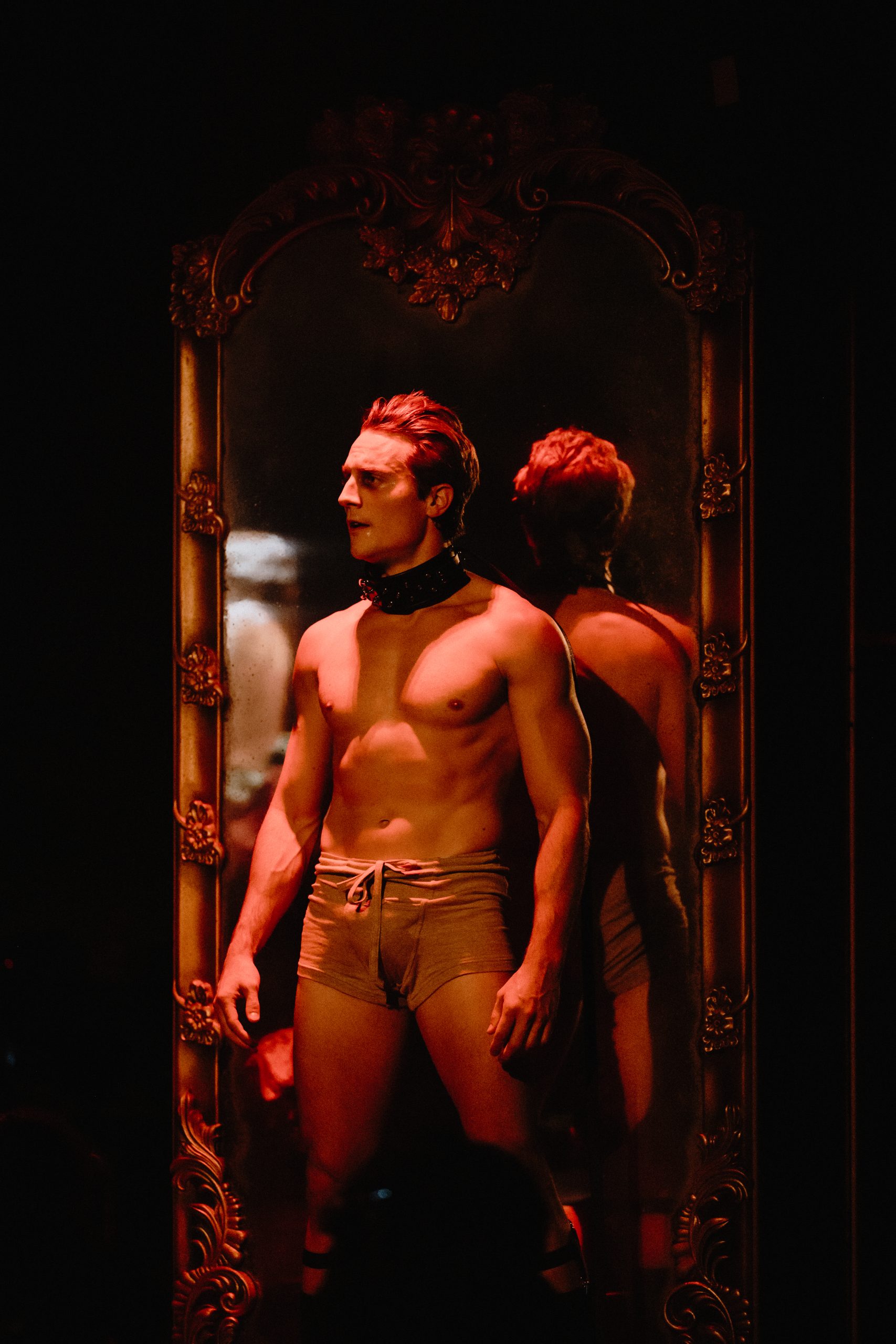
Michael Starr photo by Andy Henderson
Yet that beauty is also the point. The Night Egg is designed to conceal the ugliness of what takes place within its walls. Look from a distance, and everything glitters. Look too closely, and the illusion begins to decay.
Duncan Sheik’s music and lyrics provide the evening with its most haunting dimension. Melodic, atmospheric, and often achingly beautiful, the score has a hypnotic quality that recalls, in spirit, Stephen Sondheim’s Passion. Both works explore the unsettling territory where love becomes obsession and desire slips into emotional captivity.
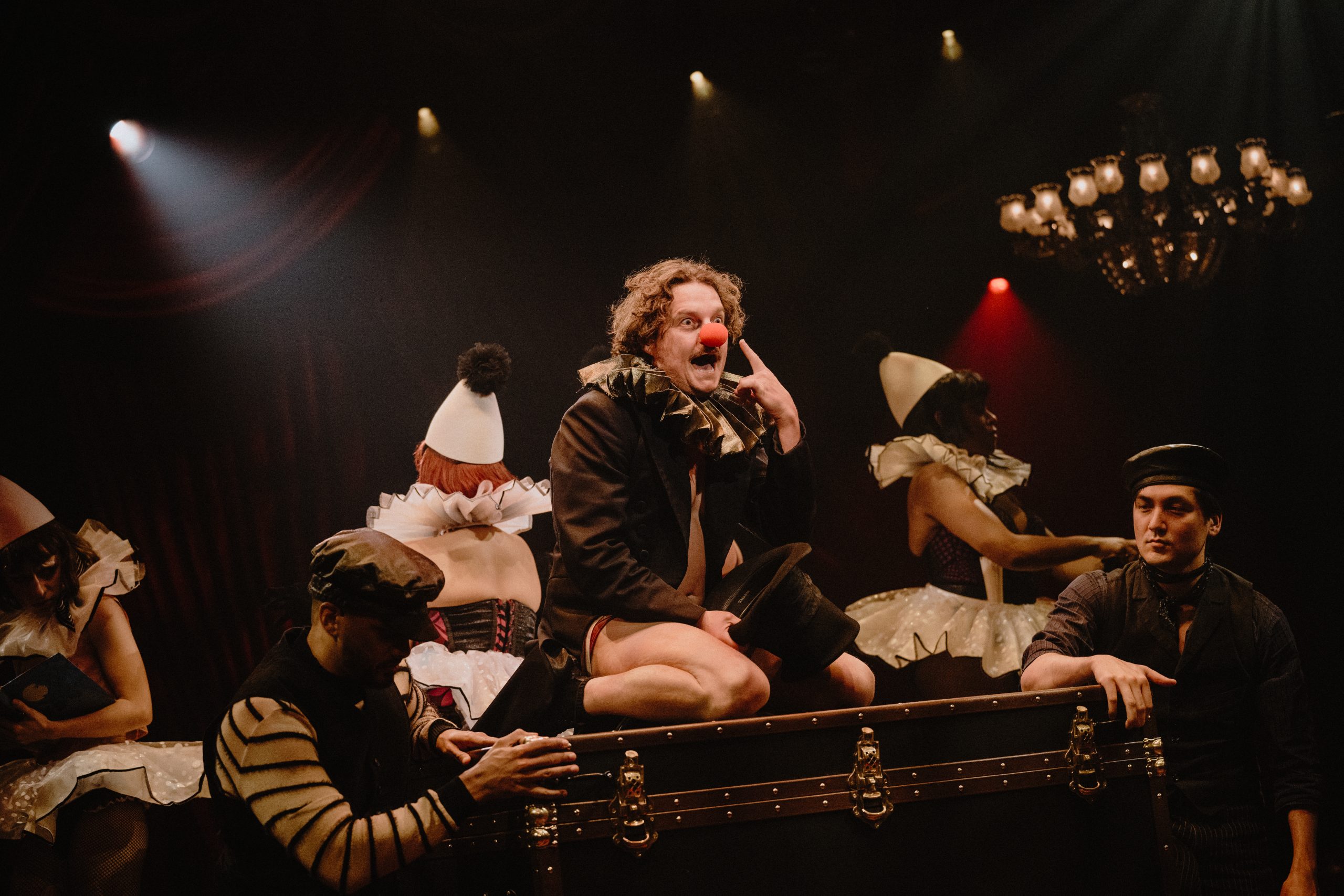
Austin Lesch photo by Andy Henderson
Sheik’s music does not merely accompany the story. It seems to seep through the walls of the Night Egg, making the establishment itself feel alive. There is something almost witchlike about the combination of music, singing, and movement. The melodies draw us inward, creating a seductive spell that makes the eventual recognition of the characters’ suffering all the more unsettling.
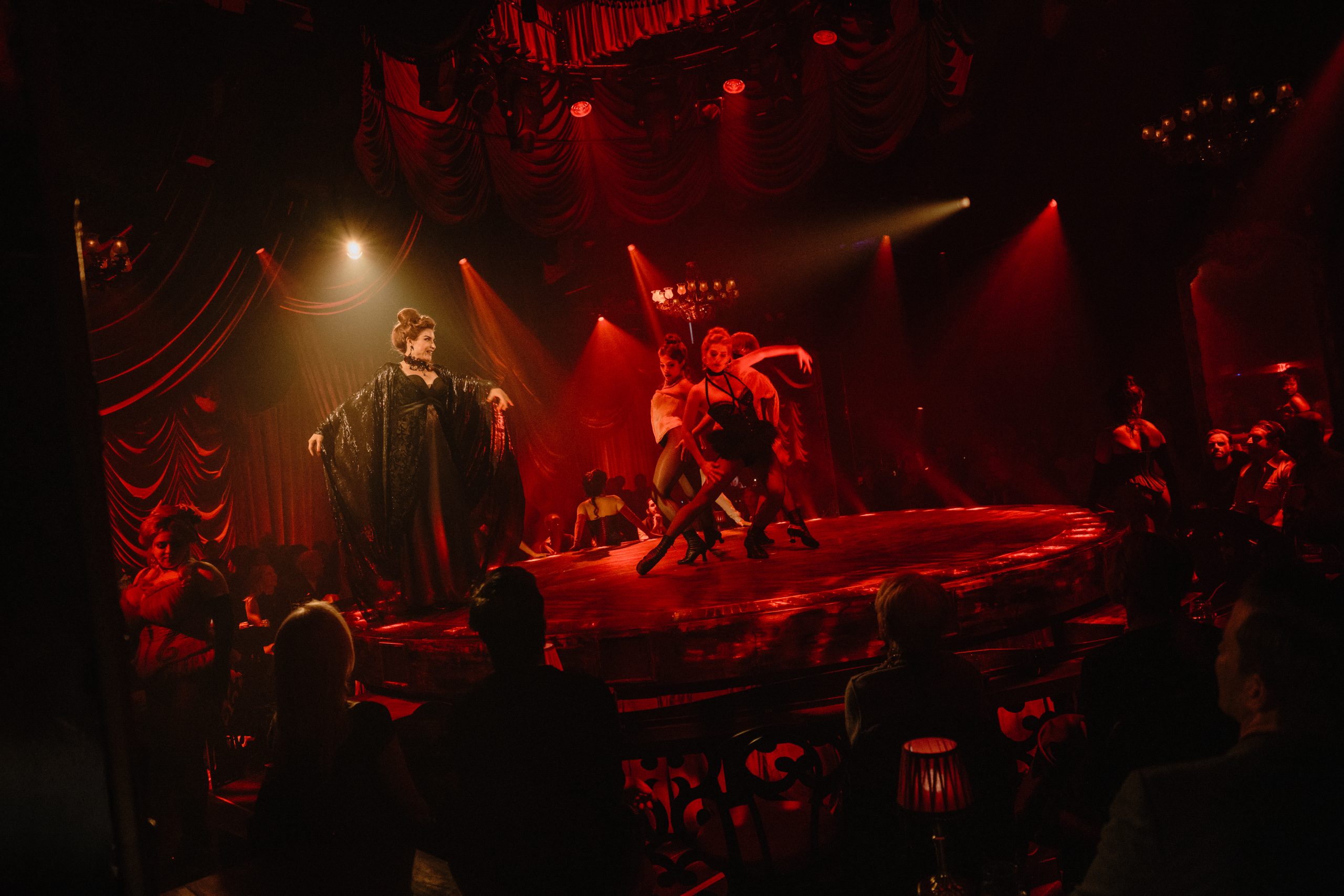
Jenny Powers photo by Andy Henderson
The score is considerably more sophisticated than the book surrounding it. One wishes the writing possessed the same emotional depth and complexity as the music.
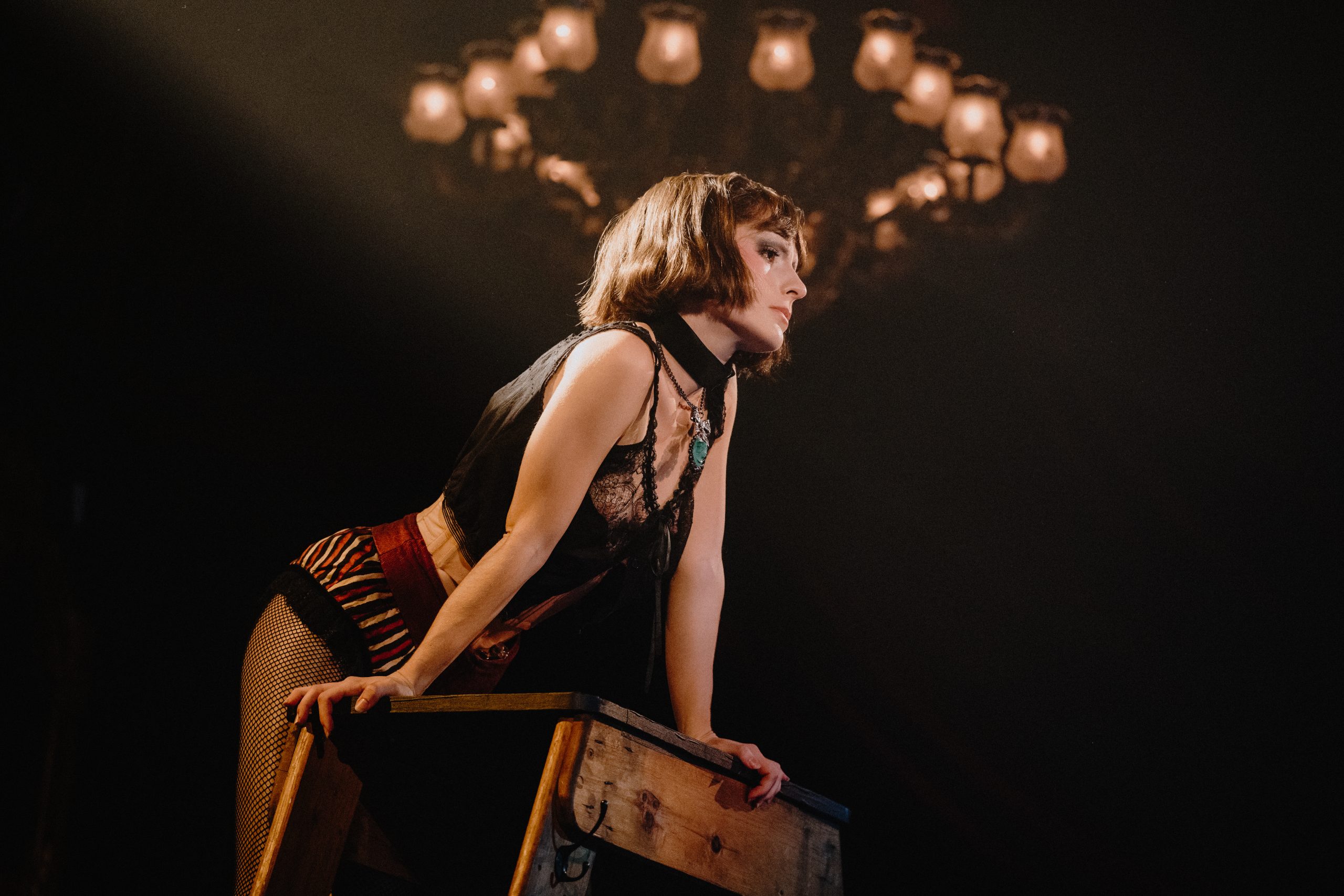
Sophia Anne Caruso photo by Andy Henderson
Then there is Sophia Anne Caruso.
Cory Jeacoma photo by Andy Henderson
I have followed Caruso’s career for years, dating back to The Nether, and watching her artistic development has been a remarkable experience. She has always possessed an arresting theatrical presence, but what she brings to Colette confirms something I have believed for a long time: this young woman is a genuine star.
Cory Jeacoma photo by Andy Henderson
Her voice is extraordinary, rich, powerful, and capable of cutting through Sheik’s lush musical landscape with startling emotional clarity. But it is not simply the voice that distinguishes her. It is her acting.
Caruso possesses that rare combination of vulnerability and underlying strength that cannot be manufactured. She can appear almost painfully exposed one moment and reveal an astonishing inner resilience the next. Even when the writing fails to provide the emotional progression her character deserves, she supplies it through the smallest shifts in expression, posture, and vocal color.
There is nothing generic about her performance. She inhabits Colette with an intelligence and emotional honesty that give the character dimensions the book only begins to suggest. Her vulnerability never feels like weakness; it becomes the very source of her strength.
Quite simply, Sophia Anne Caruso is the reason to see Memoirs of Amorous Gentlemen.
And I wish she had been given a better book.
That is ultimately the frustration of this production. Ashford has created a seductive theatrical experience, Pask and Zuber have fashioned a world of extraordinary beauty, Sheik has supplied a haunting score, and Caruso delivers a performance of genuine star quality. Yet the central story never achieves the originality or dramatic force necessary to match these accomplishments.
For all its sensuality, Memoirs of Amorous Gentlemen is less provocative than it believes itself to be. Voyeurism is not inherently revelation, and exposing the private lives of men does not automatically produce insight into the women whose bodies and emotions they consume.
Still, there is something undeniably compelling about this strange, gorgeous evening. The music lingers, the imagery seduces, and Caruso’s performance refuses to fade from memory.
Memoirs of Amorous Gentlemen is a beautiful illusion with something rotten beneath its surface. Its greatest achievement is not making us believe in the illusion, but allowing us to glimpse the darkness behind it.
Sheik’s death lends this production an unexpected poignancy. His music remains its most haunting achievement, a reminder of a composer who understood that desire, longing, and emotional devastation often speak most eloquently through melody. The book may fail to match the sophistication of his score, but the music is unmistakably his: seductive, intelligent, and achingly human.
Memoirs of Amorous Gentlemen: The Night Egg at The Culture Club, 530 West 27th Street, between Tenth and Eleventh Avenues through January 3, 2027.
Broadway
Billy Crystal and Whoopi Goldberg Bring Laughter, Love and a Lifetime of Memories to PaleyFest NY
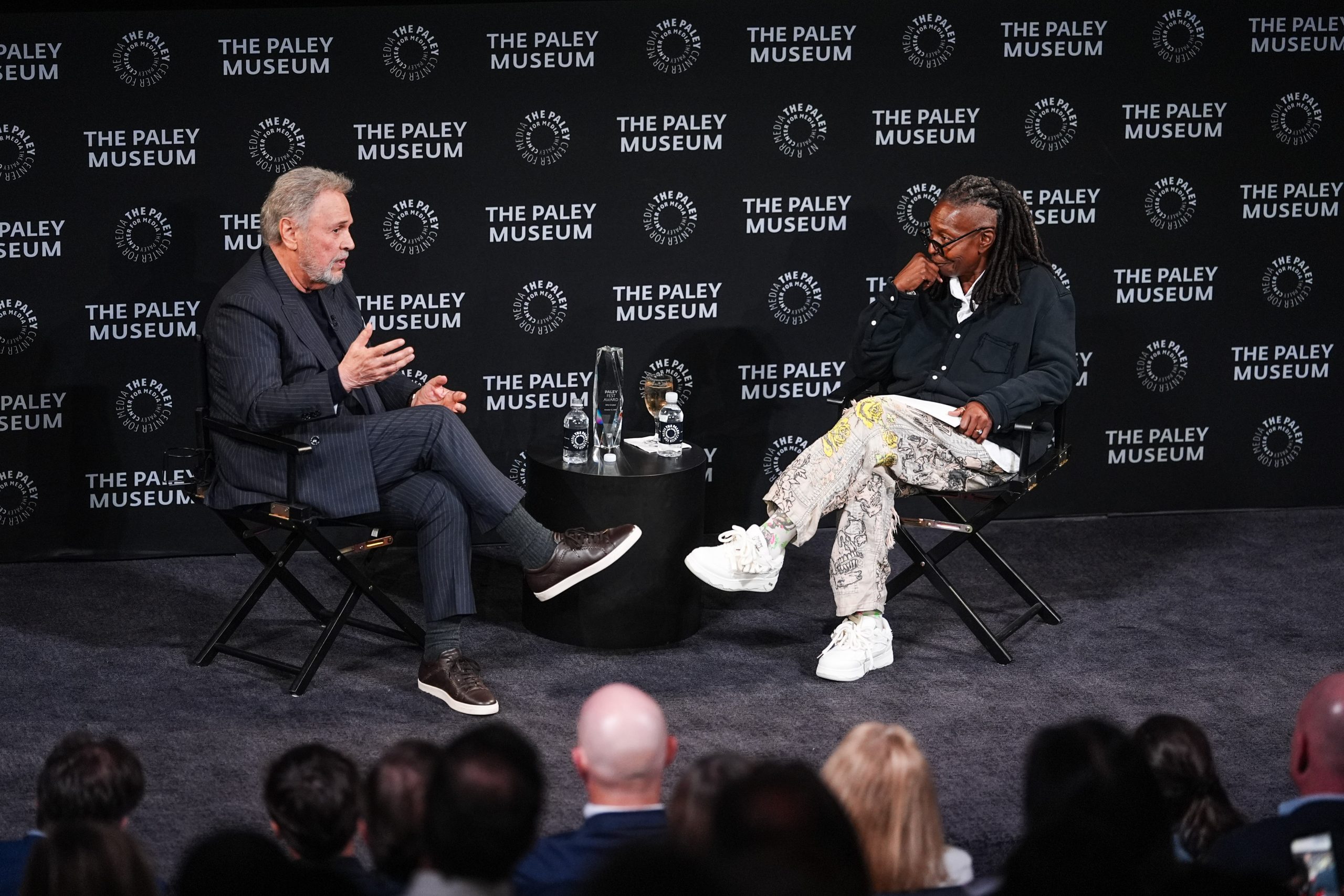
Two entertainment legends, one sold-out theater, and an evening that proved the greatest comedians understand something profound about life: sometimes laughter is the only way through.
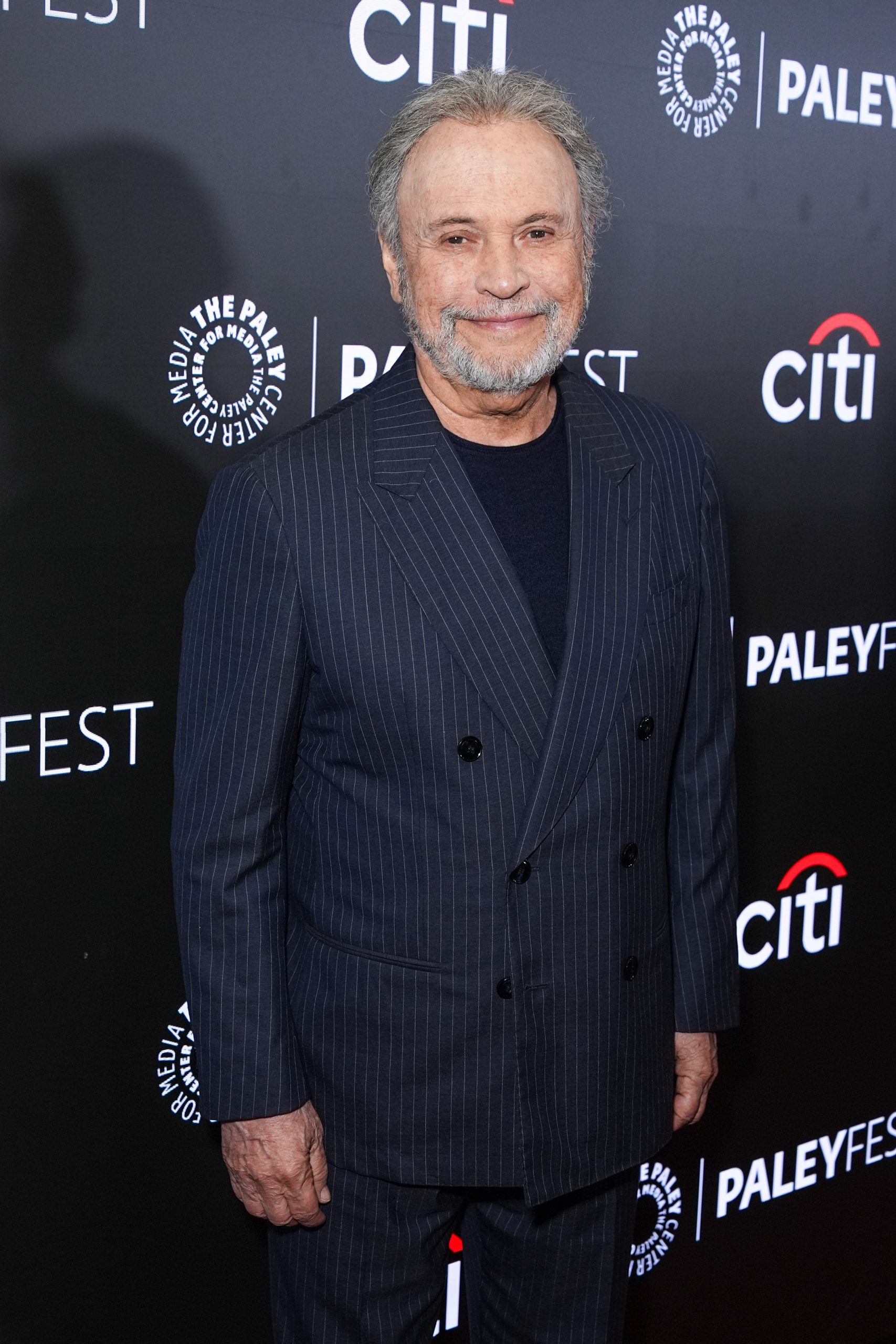
Billy Crystal- Courtesy of The Paley Museum
There are friendships in show business, and then there are friendships that have become part of entertainment history. When Billy Crystal and Whoopi Goldberg share a stage, there is no need for manufactured chemistry, rehearsed spontaneity, or carefully orchestrated charm. Their affection is genuine, their timing impeccable, and their shared history provides enough material to keep an audience entertained for hours.
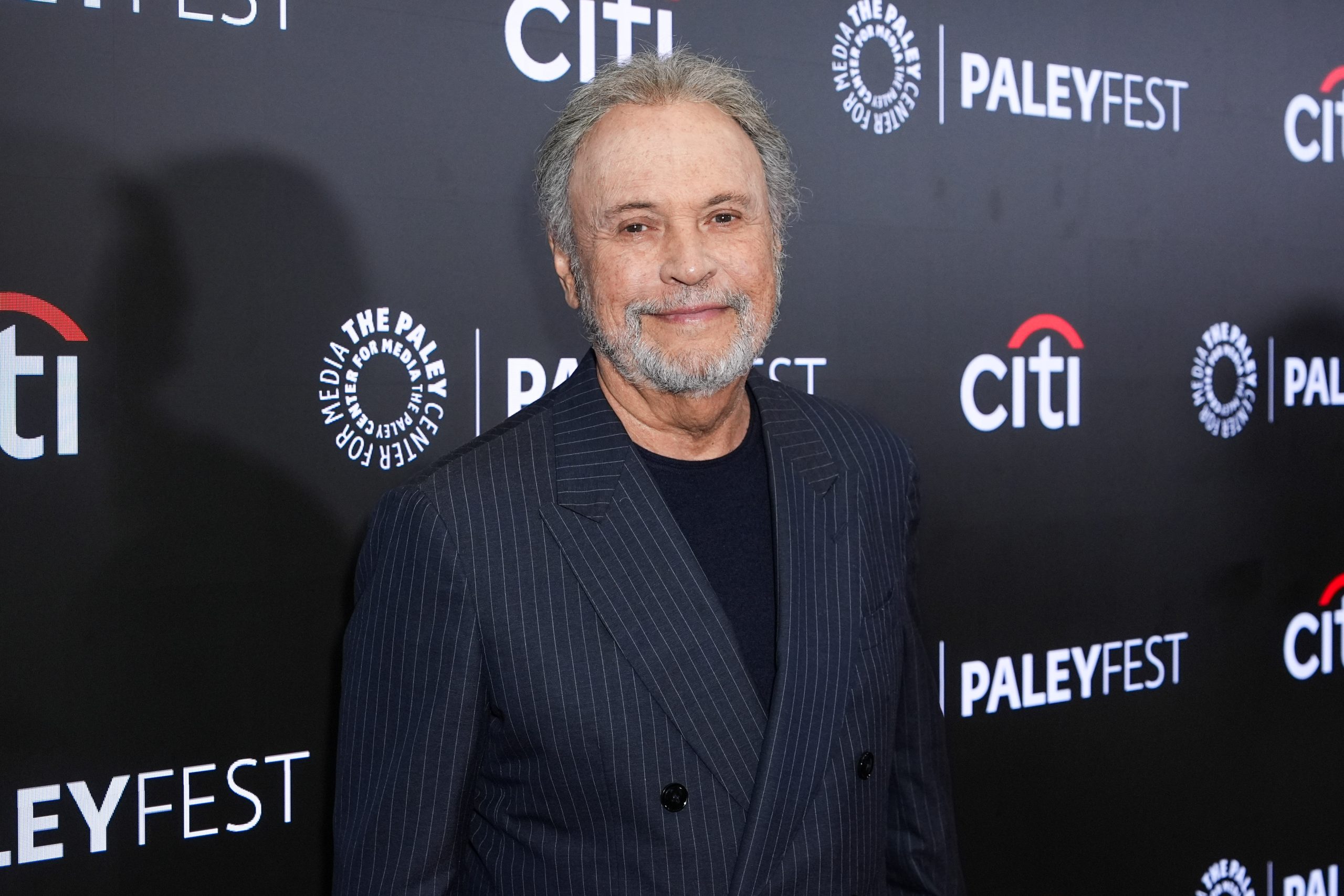
Billy Crystal- Courtesy of The Paley Museum
Such was the atmosphere at The Paley Center for Media’s annual fall festival, PaleyFest NY, where Crystal took center stage for an intimate, frequently hilarious, and unexpectedly moving conversation moderated by Goldberg. The sold-out evening at the Bennack Theater, presented with support from Citi, celebrated Crystal’s extraordinary career and his latest Broadway venture, 860.
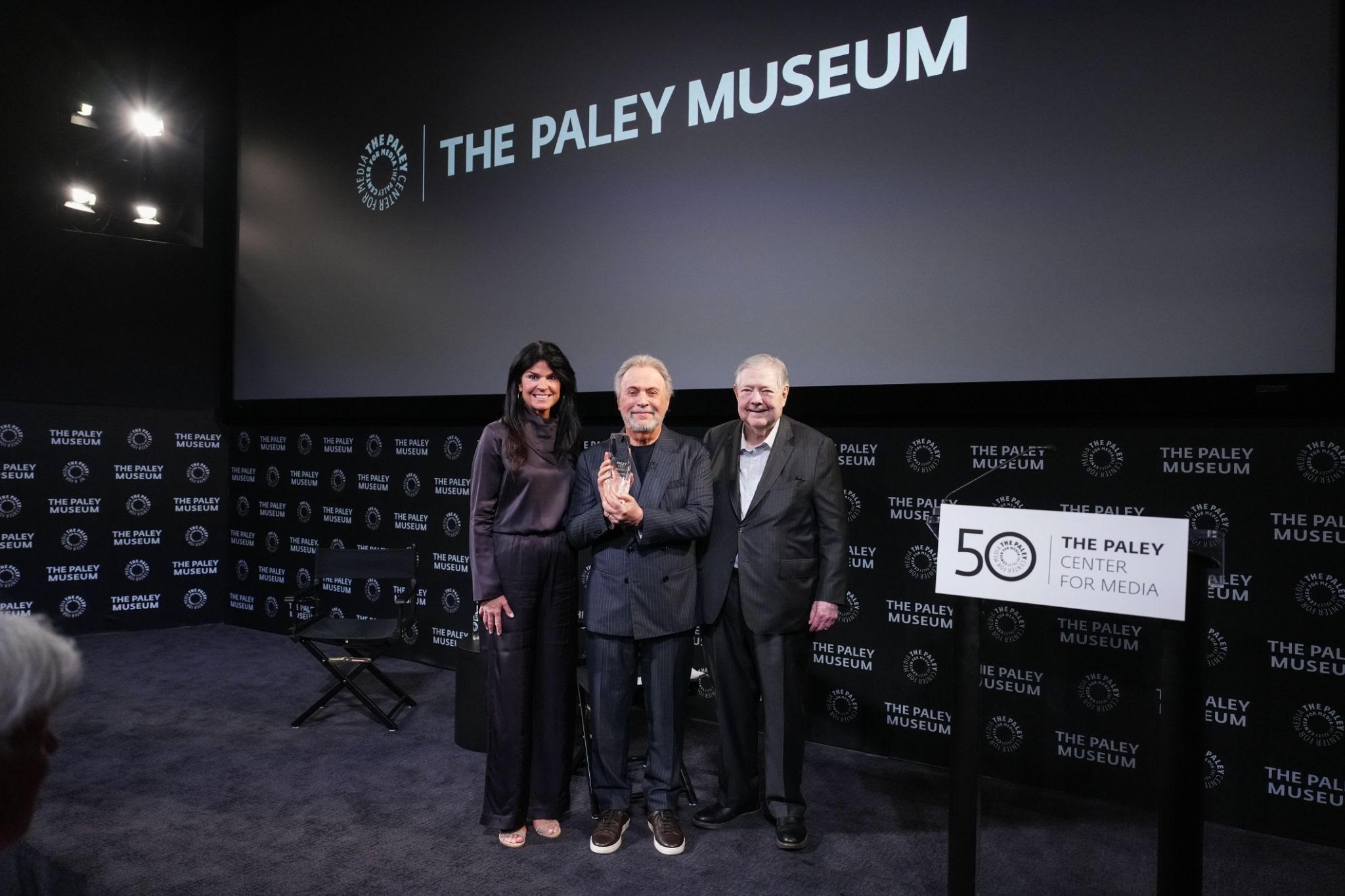
Maureen J. Reidy and Frank A. Bennack, Jr. present the PaleyFest award to Billy Crystal at PaleyFest NY at The Paley Museum Courtesy of The Paley Museum
The evening also marked the inaugural year of the PaleyFest Award, a new honor recognizing excellence in media, television, and entertainment, presented to participating shows. It was an appropriate occasion to celebrate a performer whose career has effortlessly crossed the boundaries between stand-up comedy, television, film, Broadway, writing, producing, and directing.
Crystal has spent decades making audiences laugh, but what distinguishes him from so many comedians is his understanding that humor is not the opposite of heartbreak. Quite often, it is heartbreak’s most eloquent companion.
Goldberg, herself a formidable theatrical and cinematic presence, understood exactly where to take the conversation. Rather than simply retracing a succession of career highlights, she explored the personal experiences that have shaped Crystal’s work and his enduring love affair with live performance.
“I’m so enjoying your love of being on stage,” Goldberg told him, before offering an observation that every theater professional understands: “Live performance you get what you get. Not everybody can do it.”
Indeed, they cannot. There is an extraordinary difference between performing for a camera, where a moment can be captured again and again, and standing before a live audience, where everything happens in real time. The laughter, the silence, the unexpected emotional connection, and the occasional misstep are all part of the experience. Crystal has always understood how to make that immediacy work in his favor.
His latest Broadway project, 860, draws upon deeply personal experiences, and Crystal spoke candidly about the emotional demands of bringing such material to the stage. “Bringing that to the stage was really cathartic,” he admitted. Yet he was quick to emphasize that the work is not simply an examination of grief. “It’s not just about loss. It’s about a family coming together and it’s about renewal,” he explained, adding, “It’s not just starting over, it’s moving forward.”
That distinction is particularly revealing. Starting over suggests erasing what came before. Moving forward acknowledges that the past remains part of us, even as life insists upon continuing.
Crystal’s reflections became especially poignant when he discussed the experience of watching a community face devastation, recalling the terrifying responsibility of explaining an unfolding disaster to children.
“When you’re watching your town burn down and you know it’s coming and the kids are there and they’re young… the responsibility you feel is alright, I gotta be real with them. If I’m gonna cry, I’m gonna cry and if I’m gonna hold onto this, I’m gonna hold on to it.”
It was a moment of striking vulnerability from a man whose public identity has so often been associated with impeccable comic timing. There was no attempt to disguise fear behind a punchline or transform suffering into an easy inspirational message.
Instead, Crystal spoke about the necessity of honesty, particularly within a family confronting circumstances beyond its control.
“We were fortunate to still have each other,” he reflected. That simple acknowledgment carried considerable weight. For all the possessions, memories, and familiar surroundings that can disappear in an instant, the relationships that survive become the foundation upon which life is rebuilt. Family has always occupied a central place in Crystal’s work, and the conversation naturally turned to memories of his father, whose influence continues to resonate throughout his career.
“He had a great sense of humor. He was quiet but he loved us [the boys]… he worked so hard,” Crystal recalled.
It was a lovely glimpse into the origins of a comic sensibility that has never depended solely upon jokes. Crystal’s best work has always been rooted in observation, affection, nostalgia, and an acute understanding of the small human moments that become our most enduring memories.
Of course, no evening celebrating Billy Crystal would be complete without revisiting some of the wonderfully unpredictable turns of his career.
One of the most entertaining recollections concerned the inaugural episode of Saturday Night Live on October 11, 1975. Crystal had been scheduled to appear, only to find himself cut from the broadcast. For a young performer attempting to establish himself, the experience was devastating.
“I blew it, my career is over, Lorne cut me from the show and this is over,” he remembered thinking as he returned home.
There is something delicious about hearing that story fifty-one years later, knowing what followed. The young comedian who believed one missed television appearance had destroyed his future would go on to become one of the most recognizable entertainers in America.
If ever there were an argument against allowing a single disappointment to define an entire career, Crystal’s journey provides it.
His eventual association with Saturday Night Live would become an important chapter in that career, but the larger lesson is one that extends far beyond entertainment: rejection and failure are rarely the final verdicts we imagine them to be.
Goldberg also steered the conversation toward Crystal’s working relationship with his wife, producer Janice Crystal. The couple’s longstanding partnership provided an irresistible opportunity for a little Hollywood mischief.
“You know I’m sleeping with the producer,” Crystal deadpanned. “An age-old Hollywood story.”
It was vintage Billy Crystal: affectionate, mischievous, and delivered with the effortless timing of a man who has spent a lifetime understanding exactly how long to let a joke breathe.
What made the evening particularly satisfying was the interplay between Crystal and Goldberg. These are two performers who have nothing left to prove, and that freedom creates a rare kind of conversation. They can tease one another, wander into memories, acknowledge disappointments, and speak openly about life’s more painful passages without sacrificing the humor that first brought them together.
Goldberg did not approach Crystal as a distant interviewer examining a celebrated subject. She approached him as a friend who knows the man behind the public persona, and that familiarity allowed the conversation to move naturally between comedy and confession.
It also revealed something essential about Crystal’s longevity.
His career has never been built exclusively upon the ability to make people laugh. It has been built upon his ability to make them recognize themselves. Whether recalling childhood, navigating marriage, confronting loss, or celebrating friendship, he understands that the most universal stories are often the most personal.
That understanding has carried him from television to film to Broadway and back again, without diminishing his enthusiasm for the next creative challenge.
At a time when entertainment is increasingly driven by spectacle, algorithms, and the relentless pursuit of attention, there was something wonderfully refreshing about watching two accomplished artists simply sit together and talk.
No elaborate production was necessary. No manufactured controversy. Just intelligence, affection, extraordinary comic instincts, and the accumulated wisdom of lives spent entertaining millions.
PaleyFest NY provided the setting, but Billy Crystal and Whoopi Goldberg supplied the magic.
And if the evening offered one lasting reminder, it was that the best comedians do considerably more than make us laugh. They help us understand why, even in the most difficult moments, laughter remains worth finding.
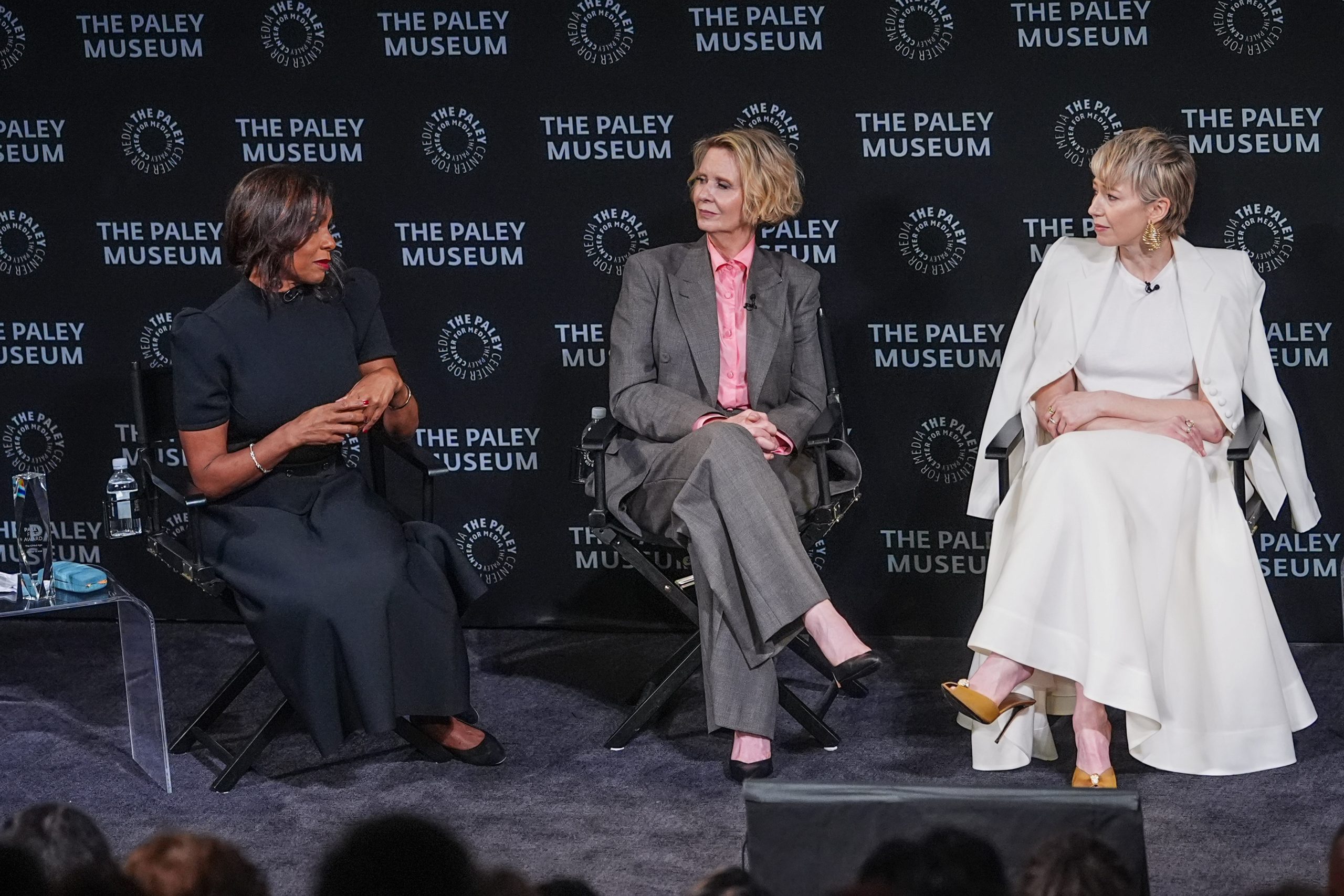
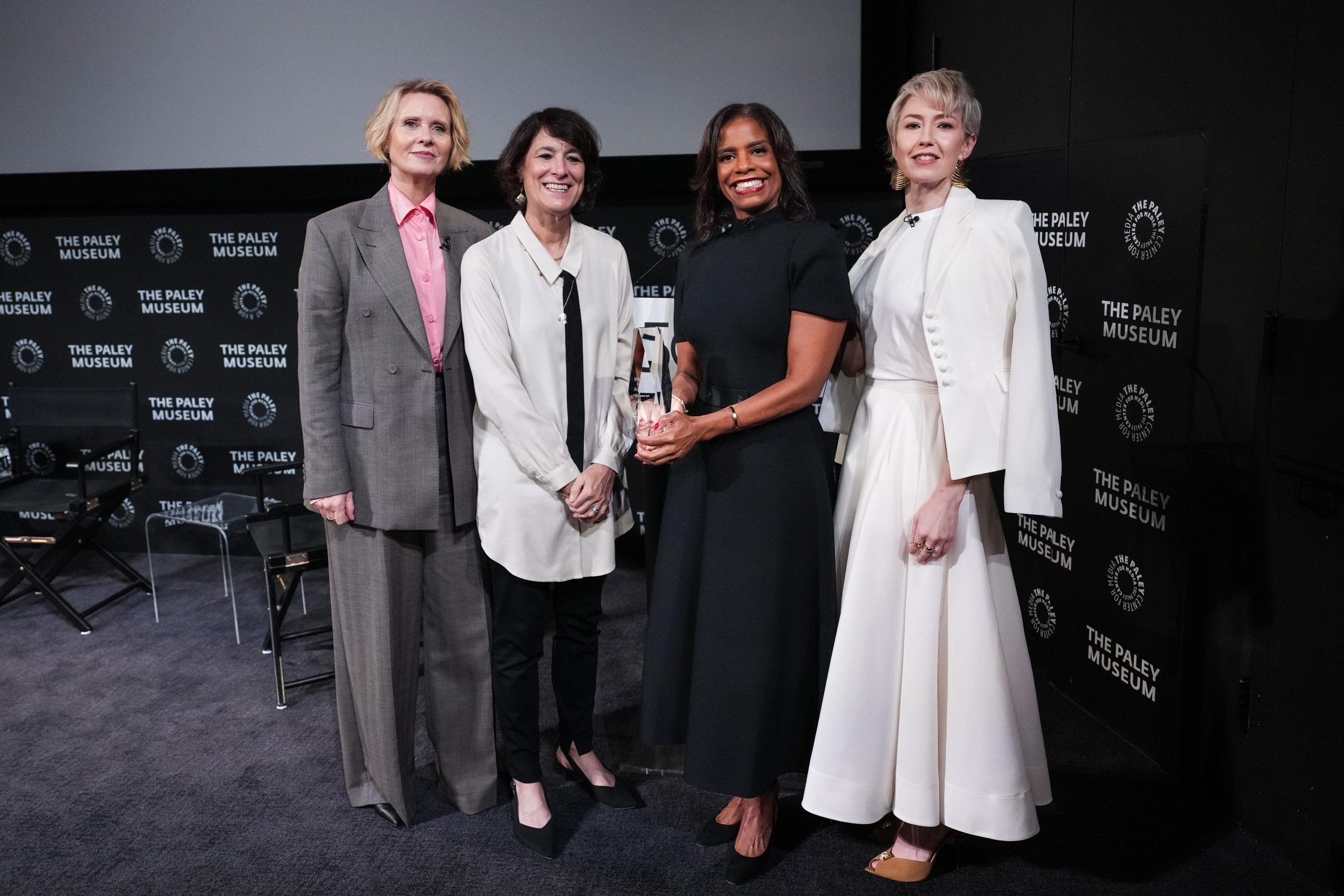
Carrie Coon, Cynthia Nixon, and executive producer Sonja Warfield bring wit, candor, and a little old-fashioned intrigue to a sold-out evening at The Paley Center for Media.
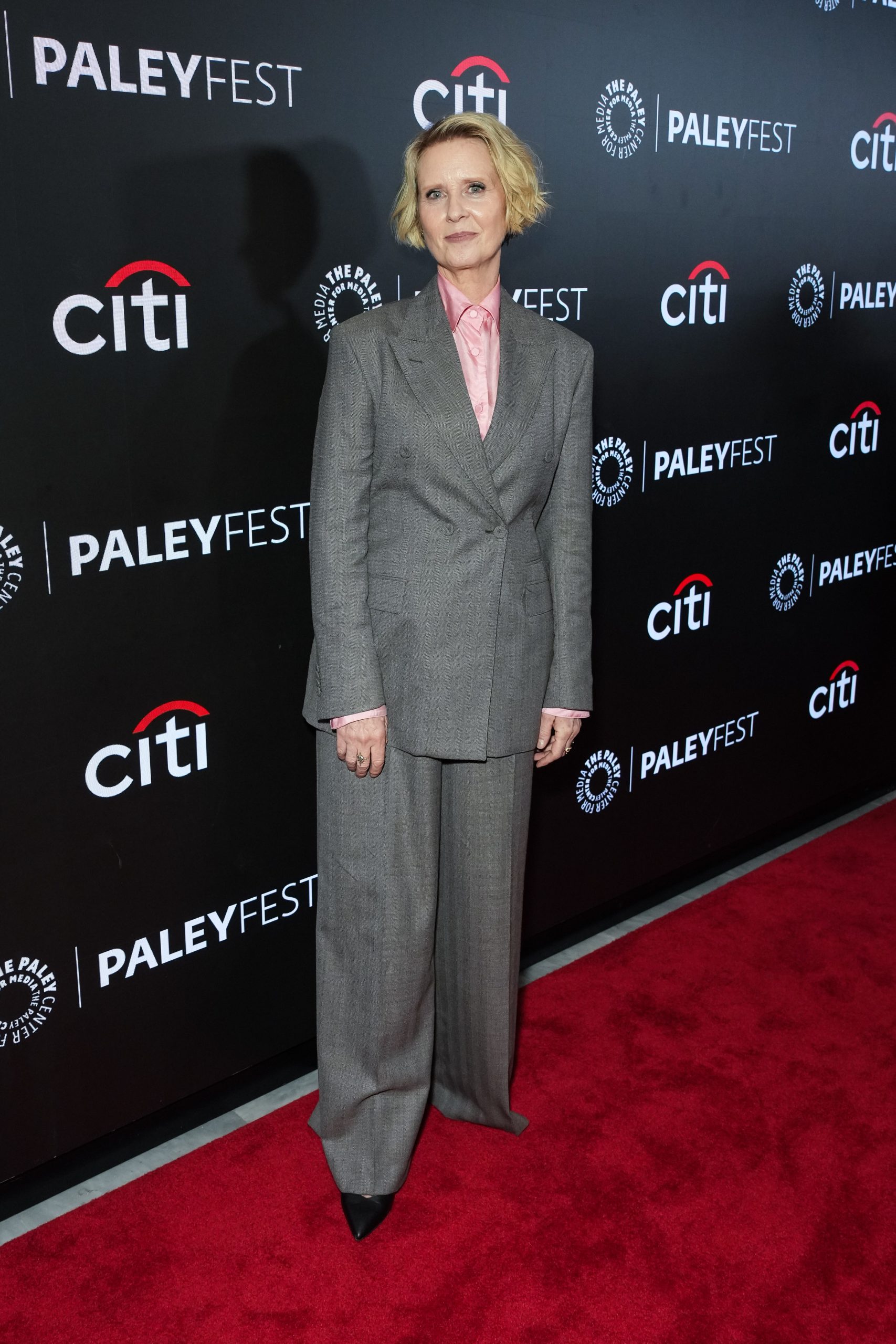
Cynthia Nixon
New York society has always been a spectator sport, and few television series understand its delicious combination of ambition, money, manners, and manipulation quite like HBO’s The Gilded Age. At this year’s PaleyFest NY, The Paley Center for Media rolled out the red carpet for an evening devoted to the Emmy-nominated drama, offering a glimpse behind the silk curtains as the series prepares for its fourth season.
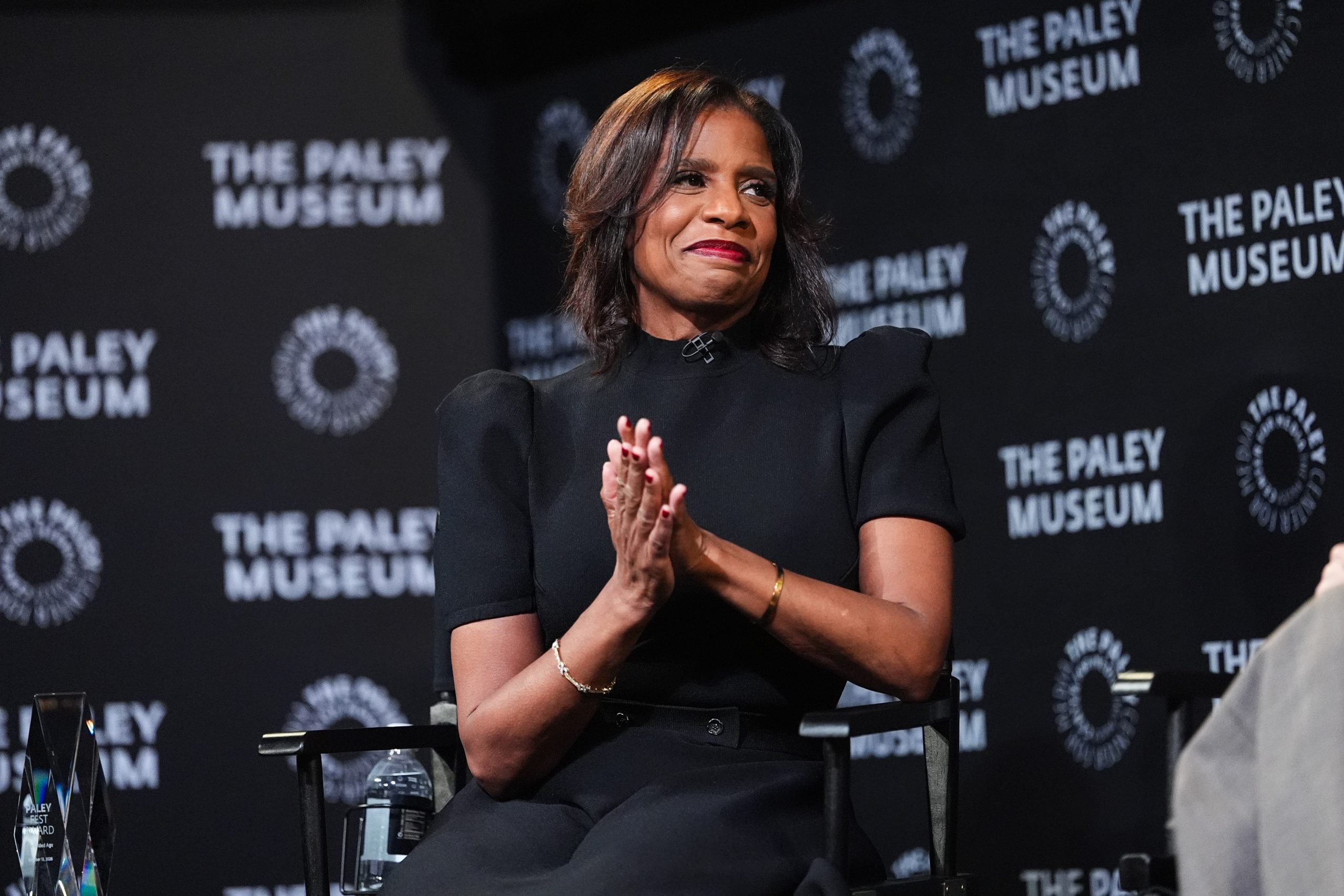
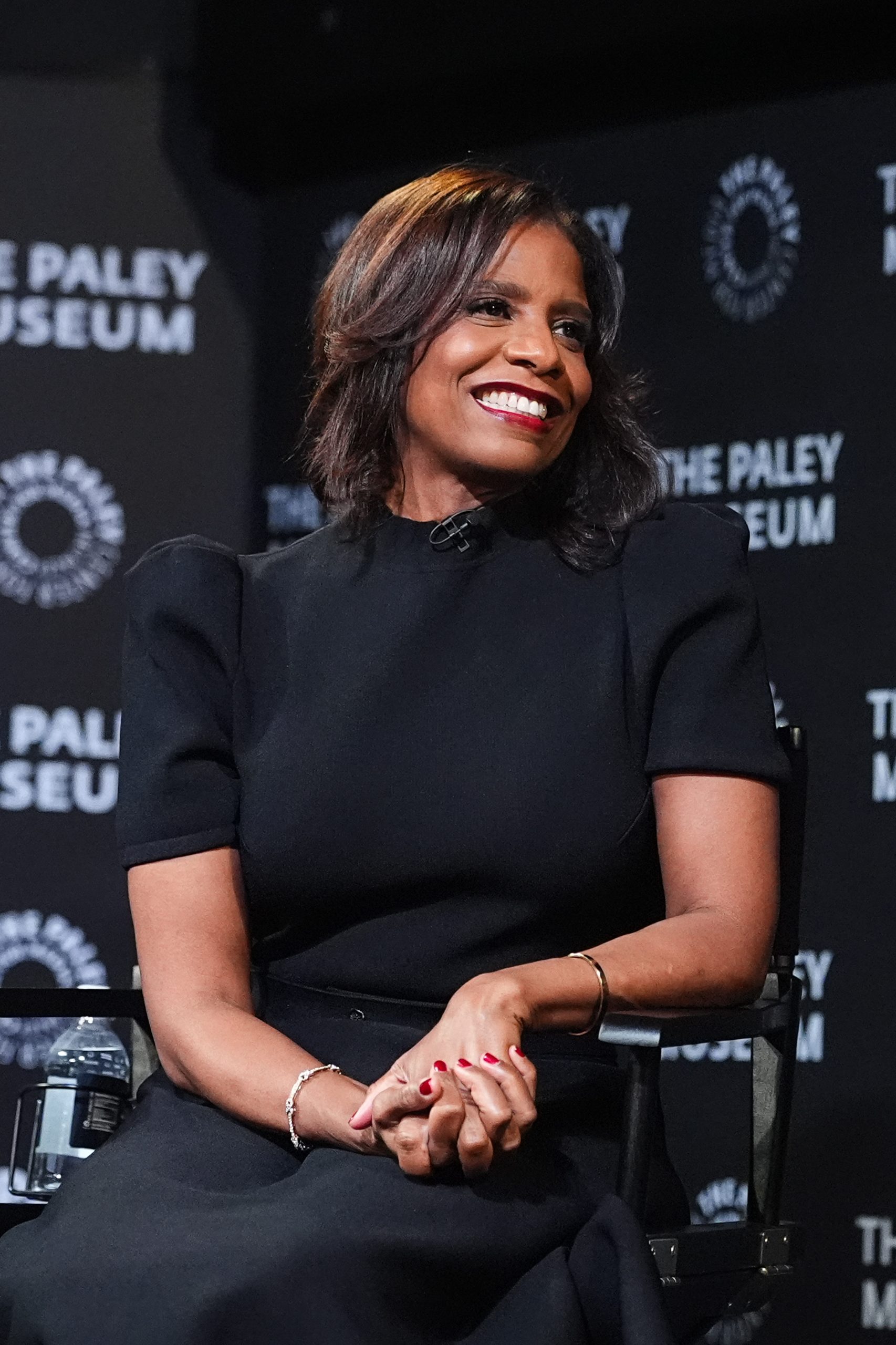
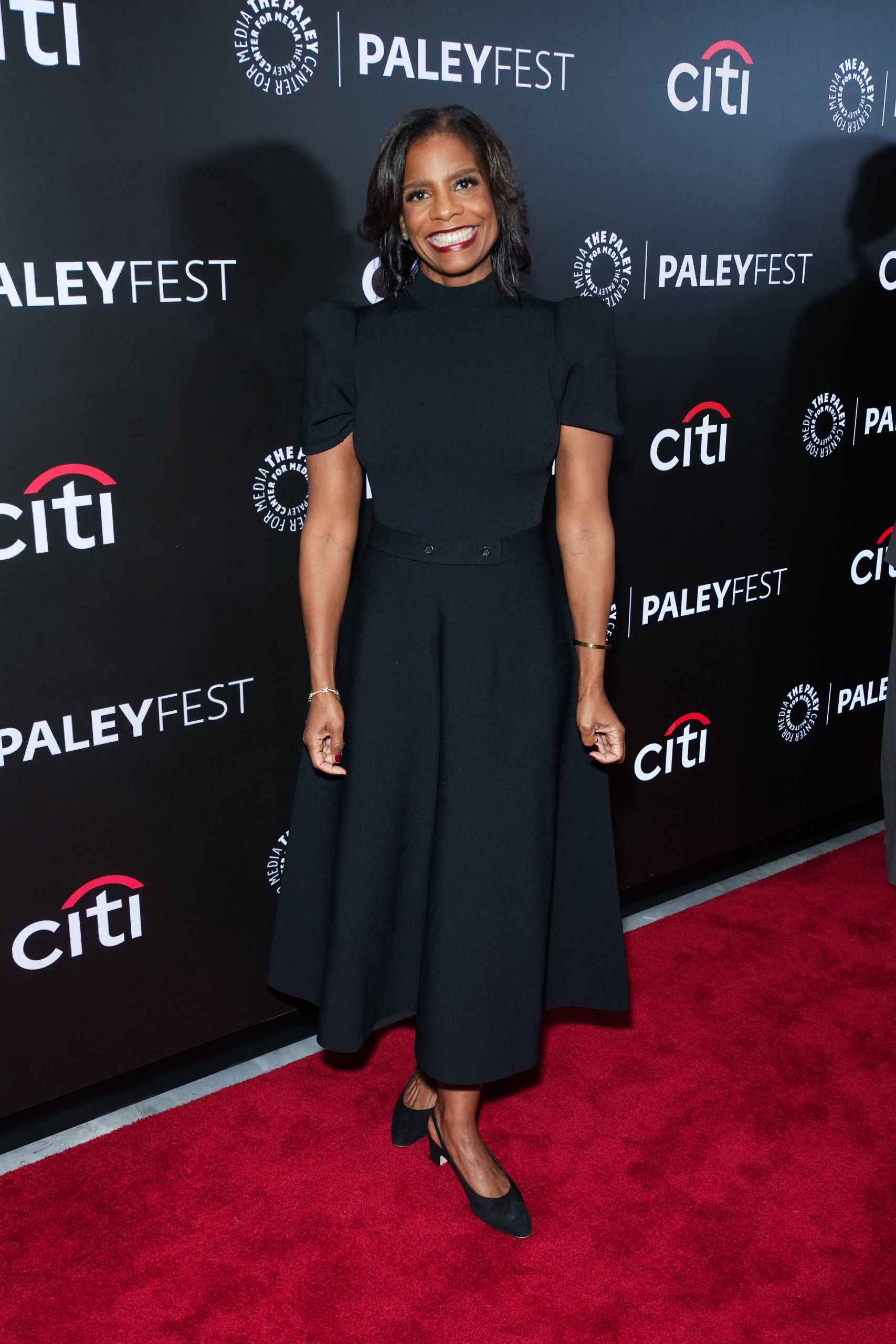
Sonja Warfield
The sold-out gathering at the Bennack Theater brought together Carrie Coon, whose formidable Bertha Russell has never met a social obstacle she couldn’t attempt to conquer; Cynthia Nixon, whose Ada Forte has emerged as one of the show’s most quietly compelling characters; and writer and executive producer Sonja Warfield, one of the creative minds responsible for keeping the machinations of Manhattan’s nineteenth-century elite so irresistible.
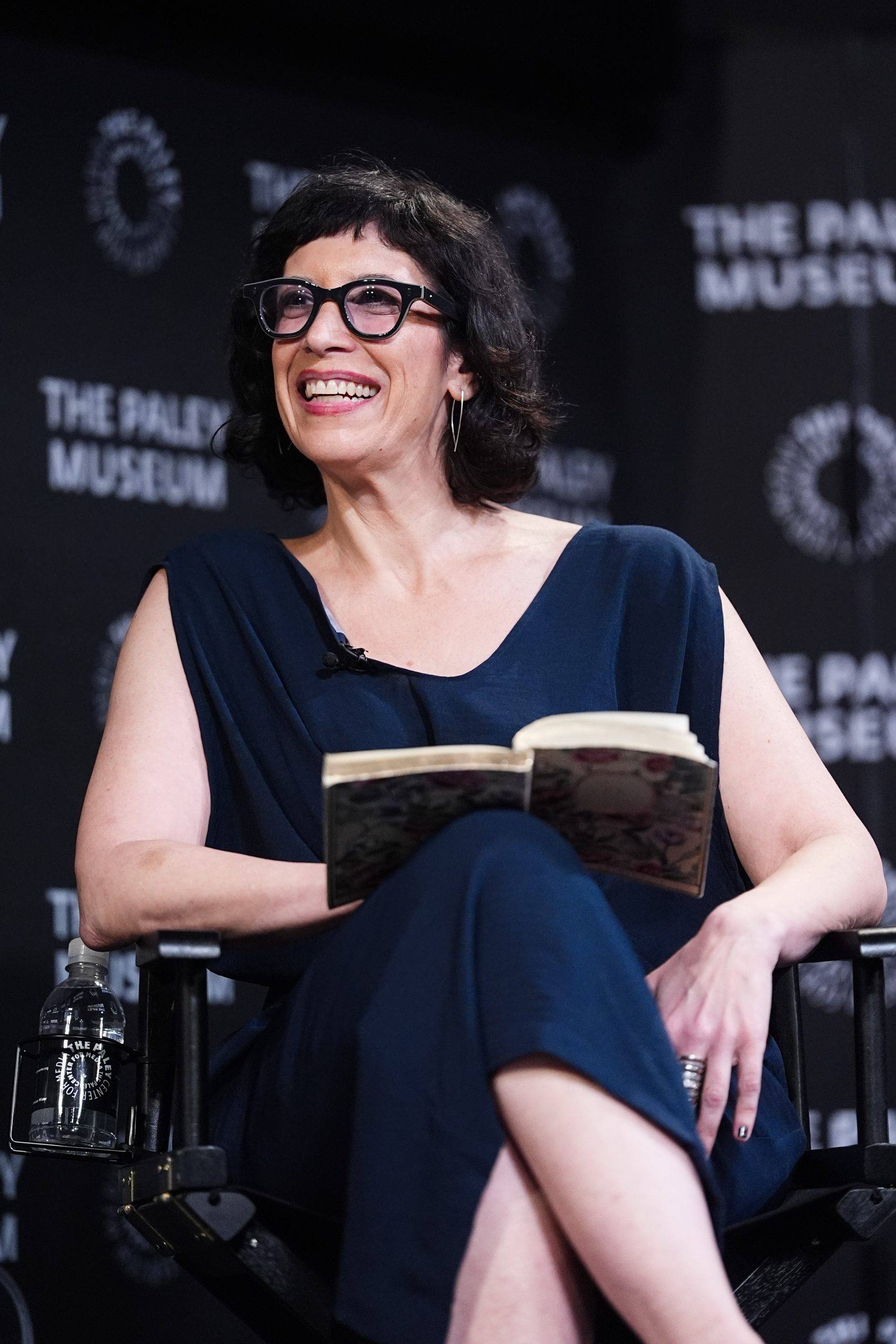
Jessica Shaw
Entertainment journalist Jessica Shaw moderated the conversation, which opened with a screening of the newly released trailer for the upcoming season. If there is one thing The Gilded Age has taught its audience, it is that beneath every beautifully arranged dinner table lies the possibility of social warfare.
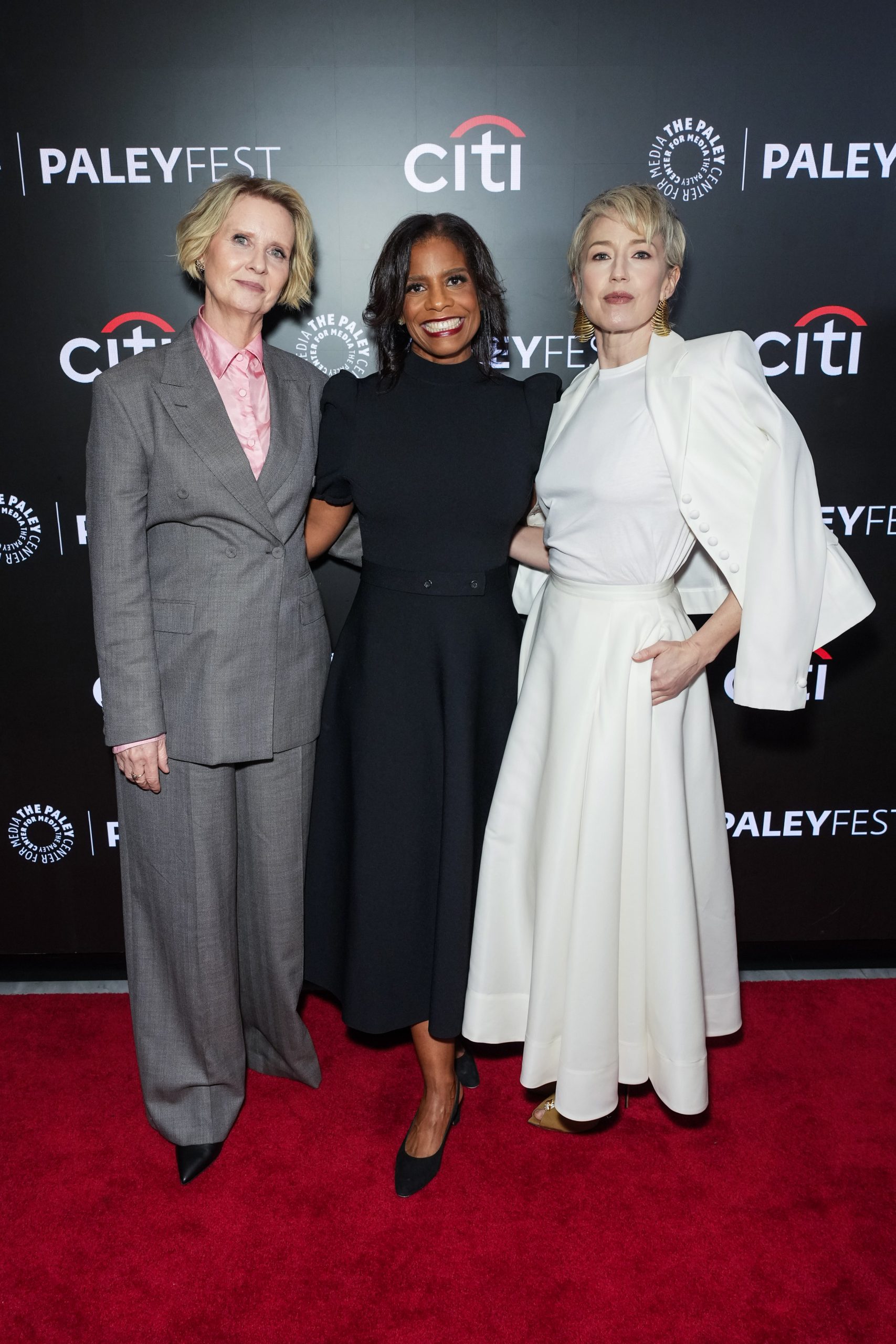
Cynthia Nixon, Sonja Warfield, Carrie Coon
The evening also marked a new chapter for PaleyFest NY, with the introduction of the PaleyFest Award, recognizing excellence in media, television, and entertainment. Presented to participating shows, the honor adds another distinction to a festival that has become an anticipated gathering place for television’s leading creative talents. Citi helped make the evening possible.
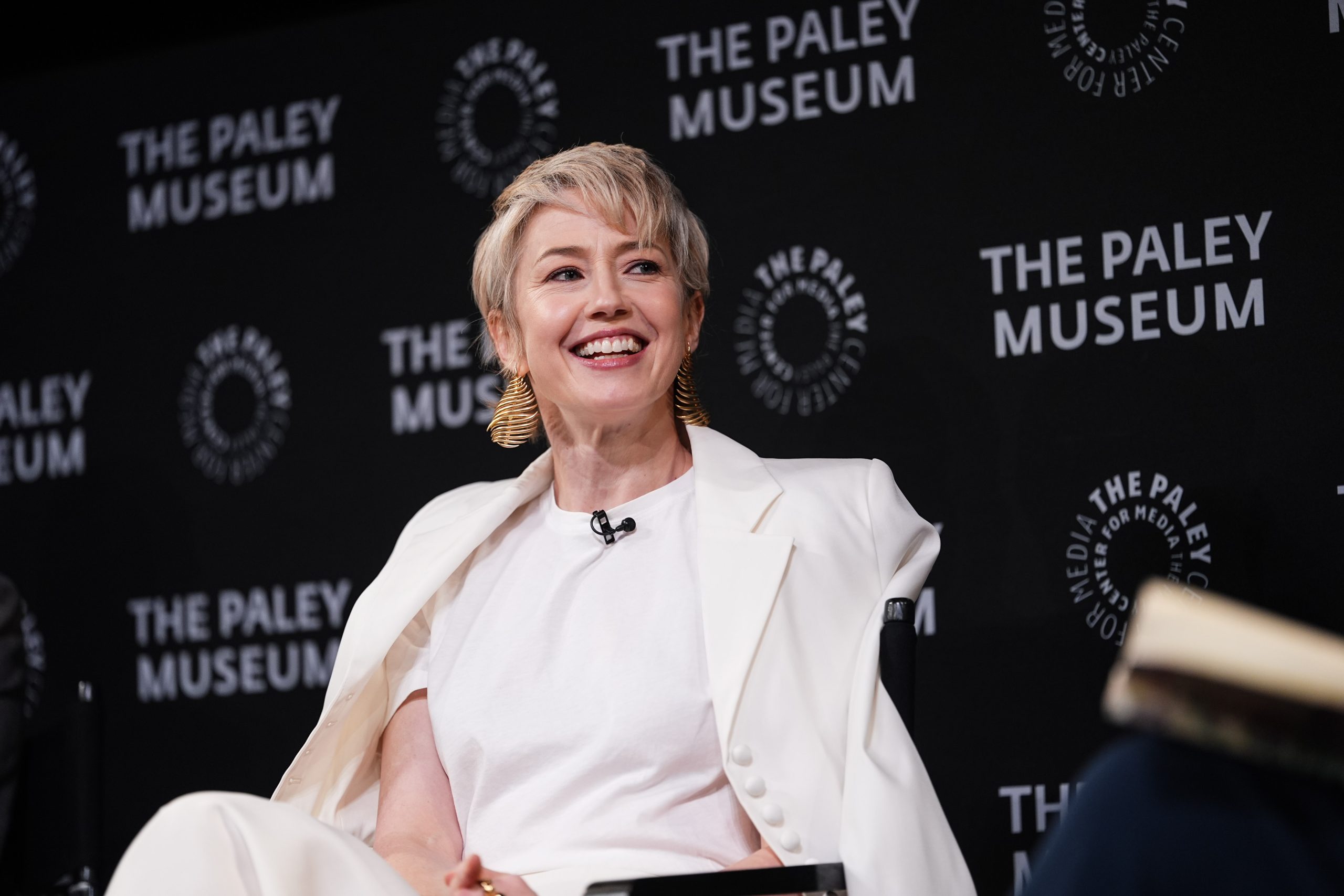
Carrie Coon
For Coon, Bertha Russell remains a fascinating study in contradictions. Here is a woman whose ambition is practically architectural, who has spent three seasons attempting to construct an empire of social influence as formidable as her husband’s financial one. Yet Coon finds some of her greatest satisfaction in the moments when Bertha’s armor slips.
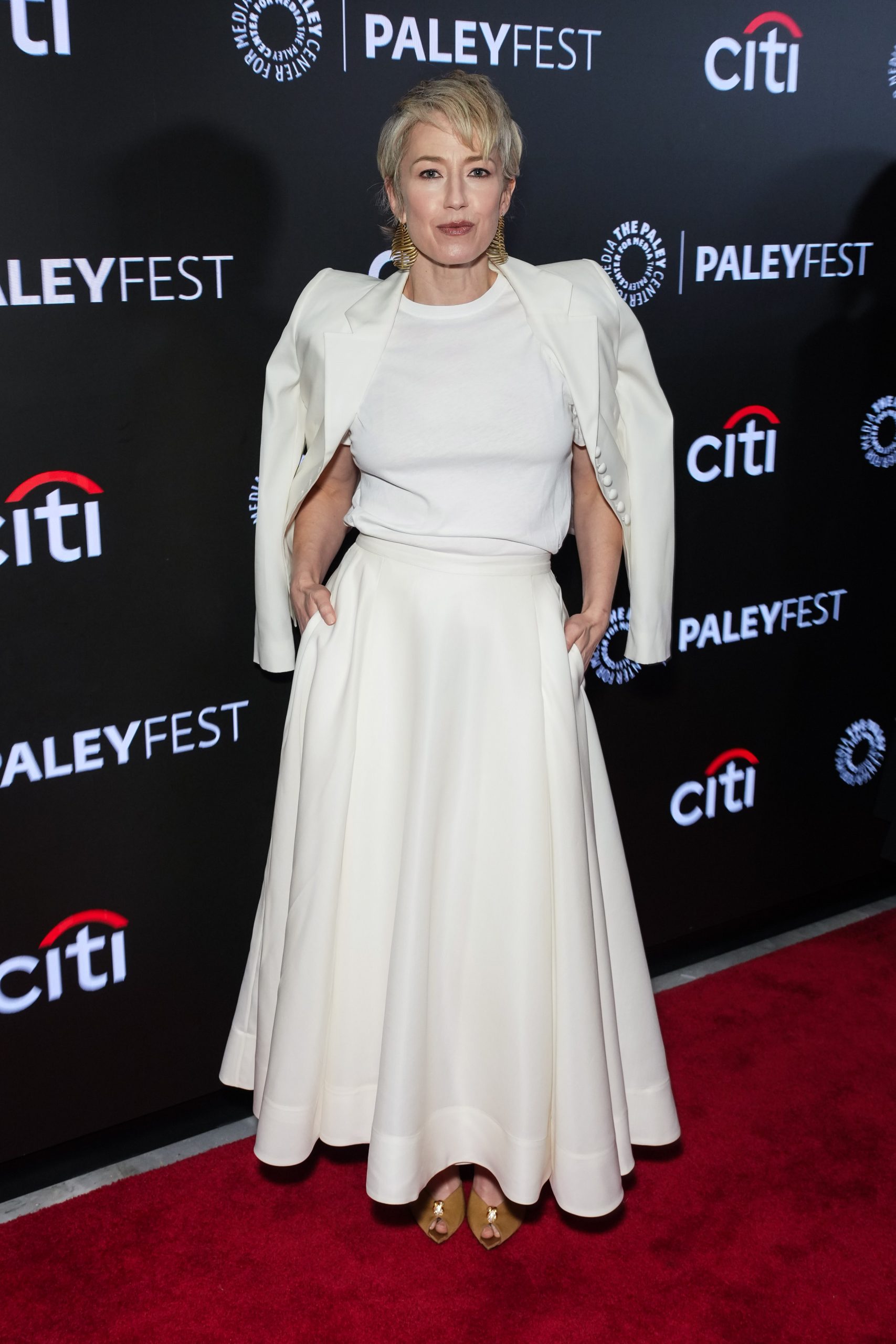
Carrie Coon
“I love Bertha’s vulnerability,” she explained. “She can be so brave and so ambitious, so when she gets to soften, I really love those moments.”
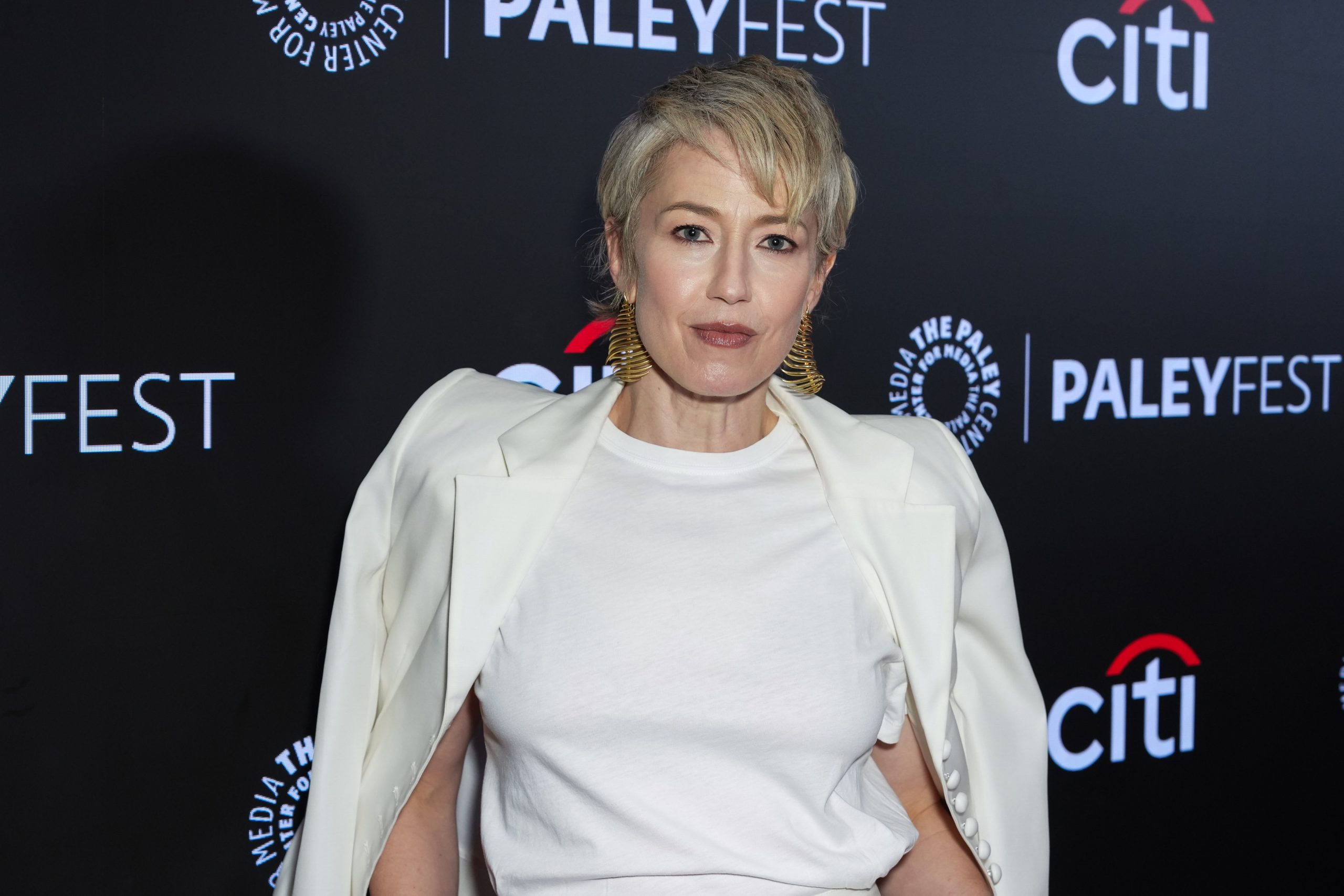
Carrie Coon
It is precisely that vulnerability that keeps Bertha from becoming merely a magnificently dressed social climber. Beneath the elaborate gowns, extravagant entertainments, and relentless determination is a mother who wants something better for her daughter, even when her methods of securing that future become questionable. Coon spoke about Bertha’s hopes for her daughter and her desire to see her enjoy opportunities that previous generations of women were denied.
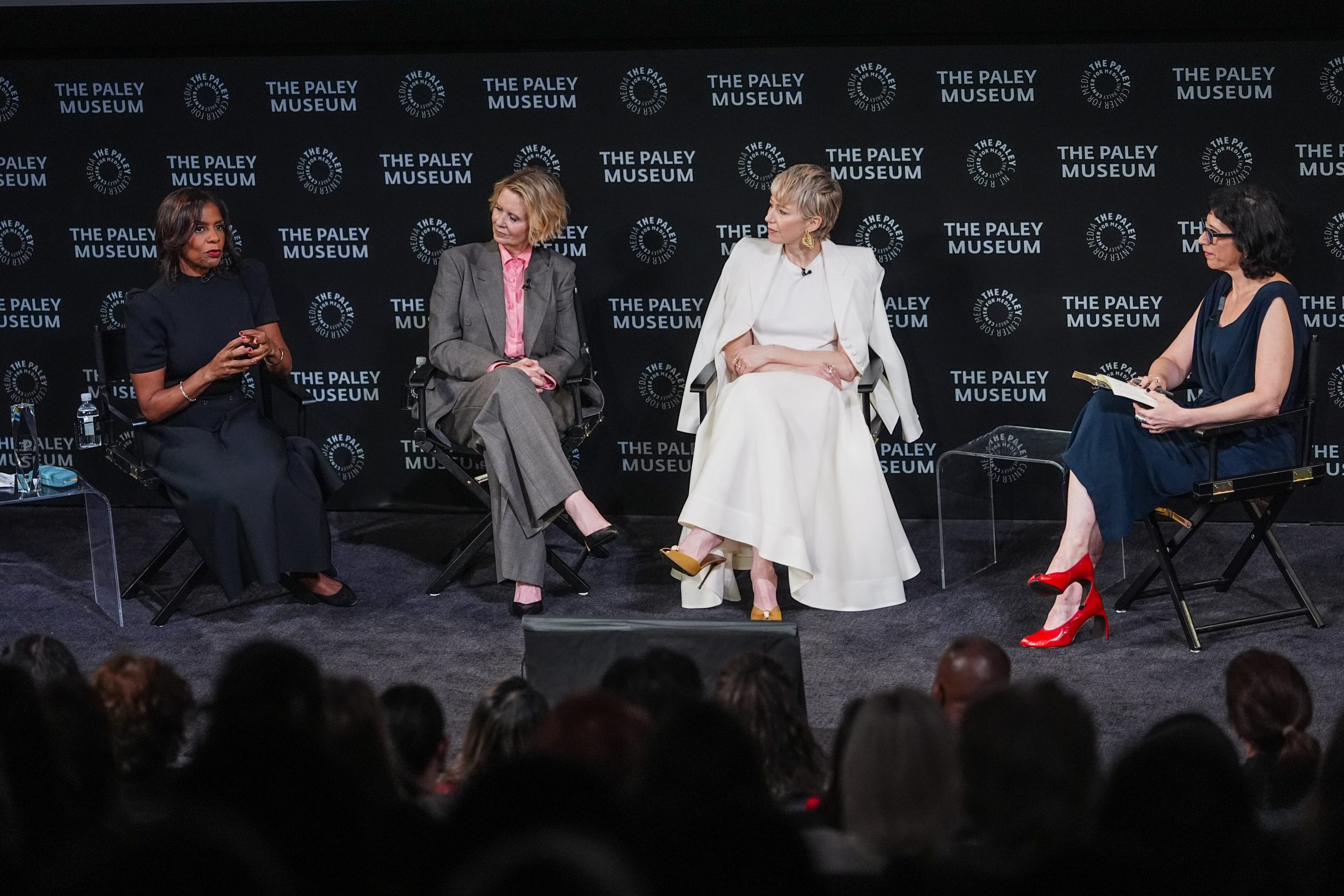
Sonja Warfield, Cynthia Nixon, Carrie Coon, Sonja Warfield, Carrie Coon
Nixon, meanwhile, explored Ada’s equally compelling evolution. Once overshadowed by her commanding sister Agnes, Ada has gradually revealed an emotional life that extends well beyond the polite confines of the Van Rhijn household.
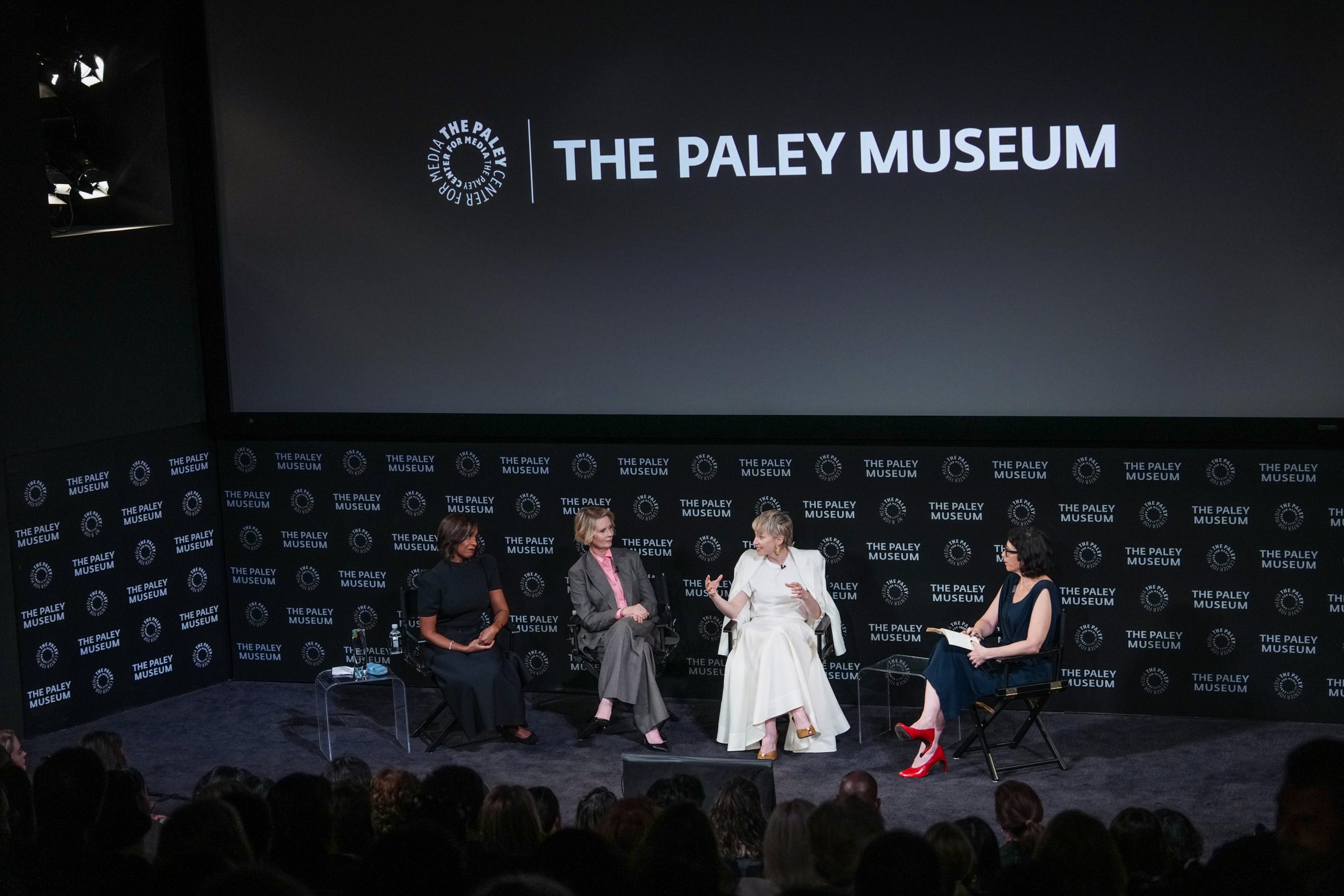
Sonja Warfield, Cynthia Nixon, Carrie Coon, Sonja Warfield, Carrie Coon
Nixon described Ada as someone “so hungry for youth, for a young person to help, a young person to nurture…a young person to live vicariously through.”
Cynthia Nixon, Sonja Warfield,, Sonja Warfield, Carrie Coon,
That longing for connection gives Ada a distinctly different kind of power from Bertha’s. Where Bertha attempts to bend society to her will, Ada seeks meaning through the people she loves. Both women, in their own ways, are negotiating how much control they can exercise over their lives in a world determined to define them.
Sonja Warfield
One of the evening’s most appealing revelations concerned Nixon’s extraordinary history with Christine Baranski, who plays the deliciously imperious Agnes van Rhijn. Their relationship stretches back more than four decades, providing a foundation that no amount of rehearsal could manufacture.
Sonja Warfield
“We are very lucky that we have our prior relationship. That we’ve known each other for 40 plus years… we don’t have to fake the intimacy,” Nixon observed.
That familiarity is evident onscreen. The sisters’ exchanges, whether affectionate, exasperated, or sharpened to a fine point, possess the effortless rhythm of two women who know exactly how to get under each other’s skin.
Behind the scenes, Warfield offered insight into the formidable task of keeping so many intertwined lives moving forward. With the third season leaving numerous storylines unresolved, the writers were hardly facing a shortage of material.
“There were so many threads that we left open in Season 3, so we knew we had a lot of supply,” she said.
And when the conversation turned to which characters come most naturally to her, Warfield singled out Agnes, whose aristocratic certainty and impeccable sense of social hierarchy apparently feel rather familiar.
“She is essentially my mother… I kind of grew up in that boujee world,” Warfield revealed.
It was a wonderfully revealing observation. The show’s humor works because its characters take their social rituals with deadly seriousness, while the audience is permitted to appreciate just how absurd those rituals can be.
Shaw captured that peculiar pleasure with a confession that surely resonated throughout the theater.
“I always love thinking about this show because I always start thinking about things I never thought I’d care about, like tassels.”
Indeed, The Gilded Age has accomplished the seemingly impossible: making the placement of a dinner guest, the acceptance of an invitation, or the details of a drawing room feel like matters of international diplomacy.
But its enduring appeal goes well beyond the spectacular costumes and lavish interiors. At its heart, the series is about power: who possesses it, who inherits it, who marries into it, and who is determined to seize it regardless of what society thinks.
For all its nineteenth-century elegance, those questions remain remarkably contemporary. The fortunes may be different, the rules of engagement more discreet, and the gowns considerably more elaborate, but the battle for influence is one New Yorkers still recognize.
As The Gilded Age looks toward its fourth season, the PaleyFest NY conversation offered an entertaining reminder of why audiences remain so invested in the fortunes of the Russells, the Van Rhijns, and their ever-expanding circle of allies and adversaries.
After all, in New York society, the only thing more entertaining than watching someone climb the social ladder is discovering who intends to pull it out from under them.
All photo’s Courtesy of The Paley Museum
Film
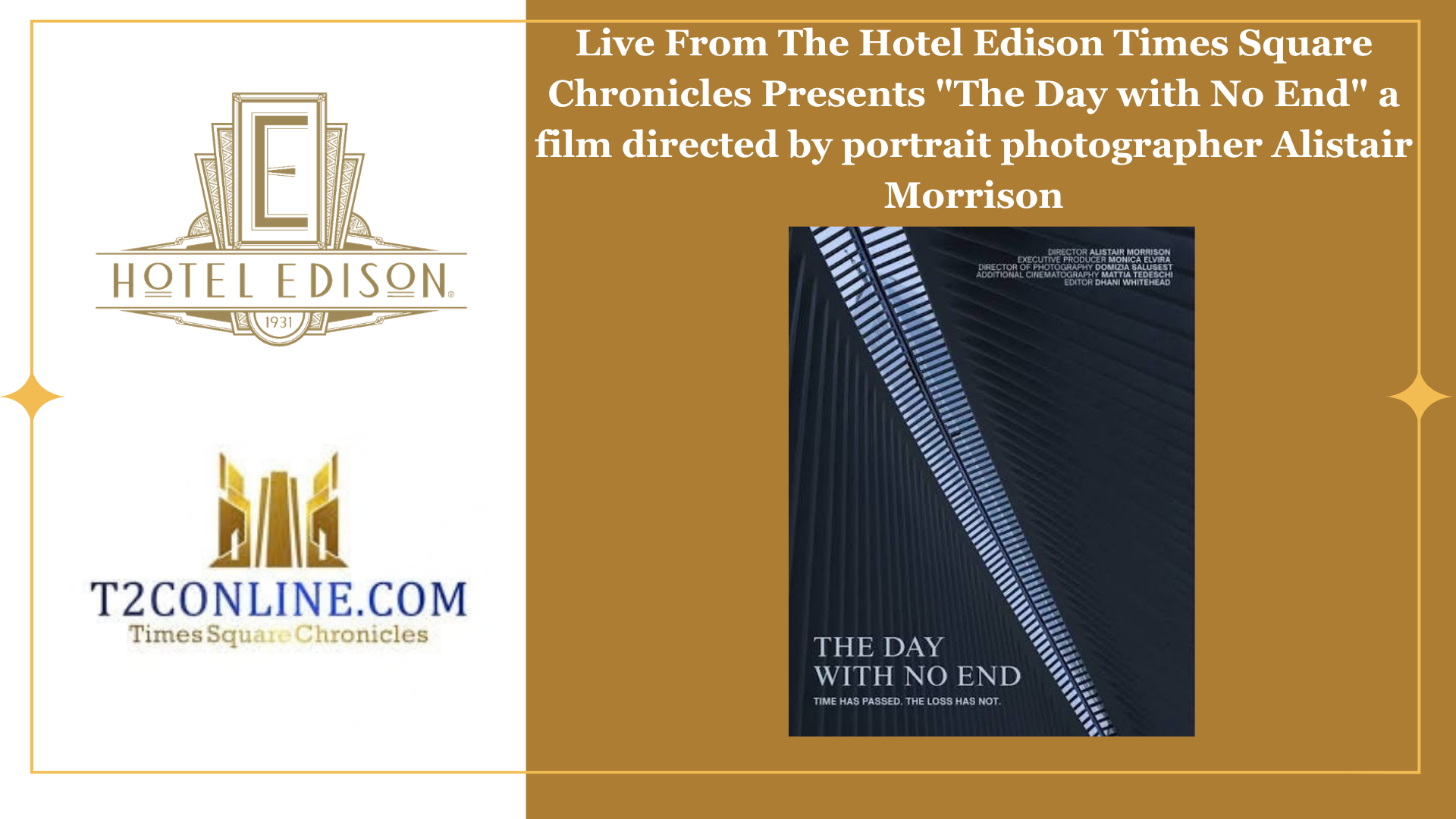
Live From The Hotel Edison Times Square Chronicles Presents The Day With No End a Film Directed by Portrait Photographer Alistair Morrison
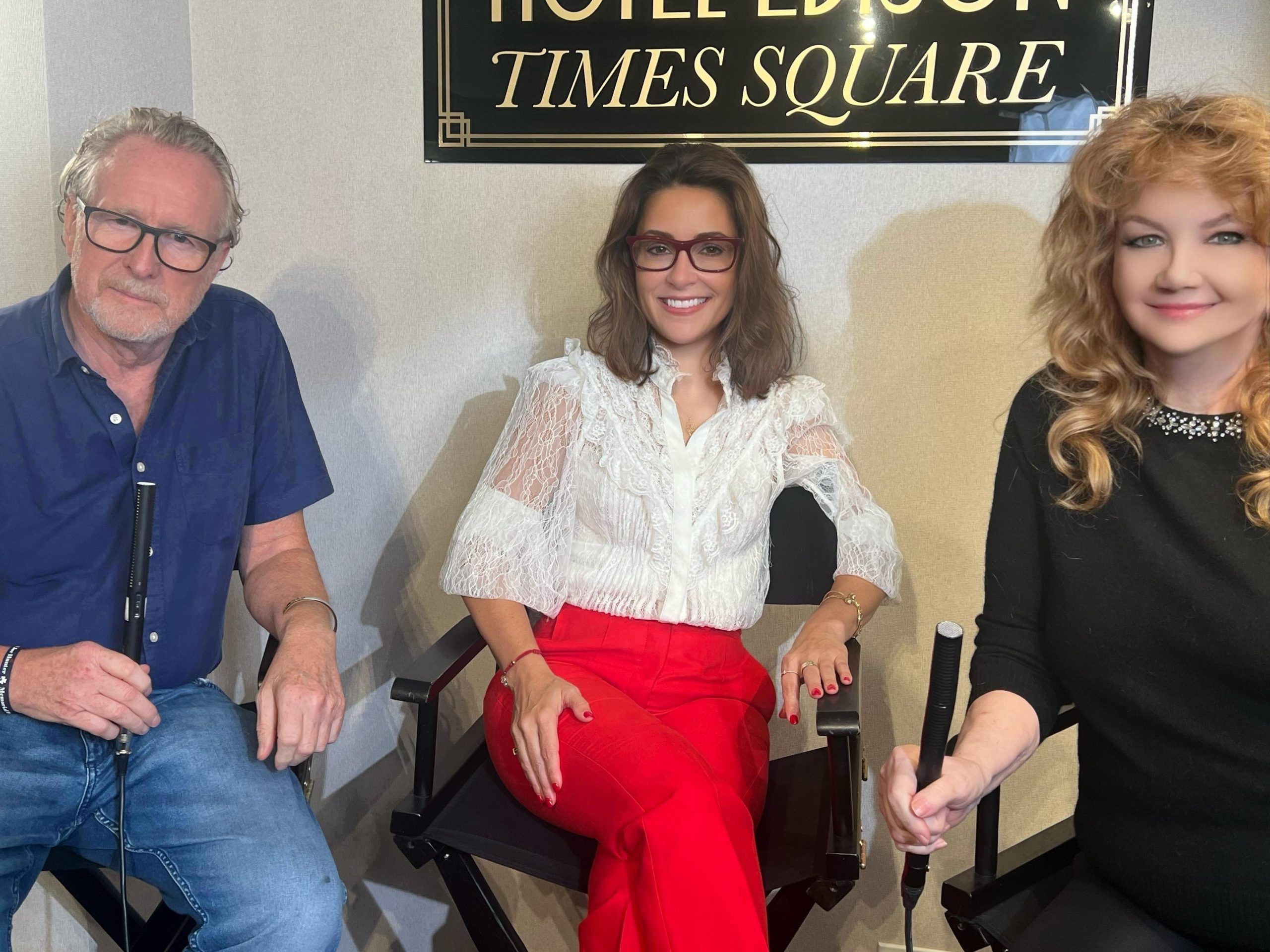
Live From The Hotel Edison Times Square Chronicles Presents, is filmed from the Hotel Edison and is a podcast extension of T2C. We are back after a small hiatus.
Today on Live From The Hotel Edison Times Square Chronicles Presents The Day With No End a Film Directed by Portrait Photographer Alistair Morrison. The Day With No End explores grief, mental health, illness, and legacy in the 9/11 community, focusing on the 25th commemoration of September 11, 2001. The film centers on the story of firefighter Joseph Hunter of FDNY Squad 288 (who died in the World Trade Center collapse) and weaves together accounts from his family, survivors, first responders, and individuals living with long-term health complications or toxic exposure from Ground Zero. Filmed exclusively in New York and Long Island. Rather than using dramatic archival news footage, the documentary relies on intimate, quiet conversations and shared emotional terrain between survivors, strangers, and the Hunter family.
The documentary initially debuted in September 2026 to mark the 25th anniversary of 9/11. Screenings have been held in coordination with survivor advocacy groups, including a featured presentation and symposium hosted by the Voices Center for Resilience in New York City.
Alistair Morrison is a British visual artist with 83 portraits held in the National Portrait Gallery, known for his work capturing the “extraordinary ordinary” with moral clarity
I am so grateful to Alistair Morrison and his film The Day With No End for his keeping alive the tragedy of 9/11 and his concern, love and care. We should never forget.
 We are so proud because the show and our guests are featured on the TV screens in the lobby and the hotel rooms.
Thank-you Magda Katz for videoing and creating the content to go live, Rommel Gopez and The Hotel Edison for their kindness and hospitality, Broadway HD and Dr K and at 200 West 54th Street for giving me back my health and my smile.
We have been named by Variety Entertainment News as one of Summer’s Best Picks in the category of Best Television, Radio, Podcasts. The company we are in, has made us so humbled, grateful and motivated to continue.
“The Daily Geek Report” named host Suzanna Bowling on the list of Most Engaging Hosts.
You can catch us on the following platforms:
Spotify:
Apple Podcasts:


Midnight: Todrick Hall Has Created a Musical Masterpiece That Broadway Cannot Afford to Ignore

Memoirs of Amorous Gentlemen: A Beautifully Decadent World With a Star at Its Center

Billy Crystal and Whoopi Goldberg Bring Laughter, Love and a Lifetime of Memories to PaleyFest NY

Retail Sales Are Rising. That Doesn’t Mean Customers Are Buying More.

High Society, Higher Stakes: The Gilded Age Takes Center Stage at PaleyFest NY

Live From The Hotel Edison Times Square Chronicles Presents The Day With No End a Film Directed by Portrait Photographer Alistair Morrison

The Glorious Corner

Prince Mario-Max Schaumburg-Lippe: All We Want Is Christmas Markets / NYC has them all!
Midnight: Todrick Hall Has Created a Musical Masterpiece That Broadway Cannot Afford to Ignore
Memoirs of Amorous Gentlemen: A Beautifully Decadent World With a Star at Its Center
Billy Crystal and Whoopi Goldberg Bring Laughter, Love and a Lifetime of Memories to PaleyFest NY
Retail Sales Are Rising. That Doesn’t Mean Customers Are Buying More.
High Society, Higher Stakes: The Gilded Age Takes Center Stage at PaleyFest NY
Live From The Hotel Edison Times Square Chronicles Presents The Day With No End a Film Directed by Portrait Photographer Alistair Morrison
The Glorious Corner
Prince Mario-Max Schaumburg-Lippe: All We Want Is Christmas Markets / NYC has them all!
-

 Cabaret5 days ago
My View: HER HEART BELONGS TO BROADWAY ANDREA McARDLE HOLDS COURT At The Laurie Beechman Theatre in Times Square
-

 Art4 days ago
Haring Under Glass: Monaco Meets Manhattan in Memory Of Places
-

 Entertainment4 days ago
Prince Mario-Max Schaumburg-Lippe & Mariel Padilla – Hollywood & Philippines Movie Stars Receive Honors By UN Icon Ambassador Monica Sanchez At A Tablet For Dream Gala In NYC!
-

 Cabaret4 days ago
Hello, Macon! A Musical Tribute to Jerry Herman
-

 Business4 days ago
Amazon Built Its Tablet Business on Cheap. Now It Wants Customers to Pay More.
-

 Broadway4 days ago
Falsettos Is Having a Love Affair With Its Audience—and Now It’s Going International
-

 Events3 days ago
Zohran Mamdani, Mayor of New York—Terms and Conditions Apply
-

 Celebrity3 days ago
The Glorious Corner