
Sports
The Best Exercise for Training all the Muscle Groups


Finding an exercise that works all the muscle groups is actually more difficult than you would have thought. There are several candidates, but they all have certain drawbacks. For example, there are Olympic weightlifting exercises that work a huge percentage of your muscles, but they are very difficult to learn without a coach and may be more trouble than they are worth.
Then you have exercises that are grouped together and called a complex. For example, you could have a kettlebell complex that would involve a single-arm row, followed by a kettlebell deadlift, followed by a kettlebell swing, and finished off with a kettlebell clean and press. This would work almost every muscle group but is overly complicated and technically not one exercise, but a collection of different ones.
Finally, you have the obvious body exercises that everyone thinks of when this question is asked (and indeed we will be mentioning two of them in this very article). But technically, none of these obvious answers would actually count as one that works every muscle group.
In this article we will try to identify one exercise that works all the muscle groups, and then explain why we believe it is the right one for the job. Many people will disagree with us, but hopefully, many more will agree that it is the only one that counts.
The Deadlift
The deadlift is the answer that most fitness professionals and regular gym goers would give you when asked what exercise works the most muscle groups. It is one of the three big compound movements and its main selling point is that it is effective at building both upper and lower body strength. Any lifter who is serious about getting results should have a deadlift variation in their repertoire.
But does the deadlift train all the muscle groups?
No, not even close.
The deadlift works all of the major muscles in the lower body, the glutes, hamstrings, calves, and the core muscles of the lower back and abdominals. But as an upper body exercise, the deadlift is overrated. Sure, it works the trapezius muscle, and some of the smaller muscles of your upper back, but it does not work the shoulders, the lats, the chest, or the upper arm muscles (triceps and biceps).
The deadlift is a truly fantastic exercise, but as a full-body workout on its own, it is distinctly overrated. Please, add deadlifts into your training program, but if you do then remember to add other upper body exercises into the mix!
Some people try to add an upper body exercise to the deadlift (creating a complex), but in our opinion this is a fool’s errand. The deadlift is difficult, really difficult, and it requires 100% of your focus. Adding in push ups or dumbbell rows to a set of deadlifts could cause injury.
The Kettlebell Swing
Compared the deadlift, the kettlebell swing is much closer to hitting each major muscle group. If you forget the calf muscles for a second, it works all of the same muscles as a deadlift (and the deadlift barely works the calves as it is). It hits the hamstrings, quads, glutes, as well as the lower back, and abdominals.
But the kettlebell also works the latissimus dorsi (your lats) and the deltoids. This is because the kettlebell swing performs the same hip-hinge movement as a deadlift but adds in the shoulders and back by swinging the kettlebell forward.
Sadly, the kettlebell swing does not work the pectorals, nor does it work the arms in any way. Meaning that it is not the complete exercise. It’s very close though, and a kettlebell swing should be in your program if you can fit it in.
The Burpee
No exercise is more controversial than the burpee, and among fitness professionals no exercise has been vilified to the same extent as this humble exercise. Let’s get one thing straight, if you are looking for an exercise that hits every major muscle group, then the burpees is the ideal choice. It works the calves, the quads, the glutes, the hamstrings, it works the abdominals as well as the other core muscles. But the burpees also works the chest, the back, the shoulders, and the arms.
So why is it so controversial?
This is a complicated question. The burpee is probably a victim of its own success. Because it worked every muscle group it became very popular with bootcamps and exercise classes. Due to the nature of these classes it was often abused. Unfit people were given way too many reps to do, form was not checked properly (ask any personal trainer whether it is possible to check the form of thirty people at once), and thus the exercise was usually performed terribly.
Now, a perfectly fine exercise was being abused left, right, and center and many in the fitness industry began rebelling against it. Part of this was due to the belief that burpees were unsafe, and part of this was (we suspect) down to gym snobbery. Burpees were seen as the type of exercise an under-qualified instructor would set their client.
But how dangerous are burpees?
When performed correctly, the burpee like any exercise is perfectly safe and can be very effective. If performed incorrectly, the burpee can be a physio’s nightmare (or dream depending on the ethics of the physio!).
We love the burpee because it works every major muscle group, is easy to teach and easy to learn, and once you’ve mastered the basics there are endless variations that you can try. Here is how to perform the burpee.
Start in the push up position with palms on the floor at shoulder-width apart, and your toes touching the ground. Your body should be in a straight line from your shoulders to your heels. Lower your chest towards the ground and pause just before it touches, then push up back to the starting position.
Once you have finished this push up, jump your feet forward until they are tucked under you. Now jump straight up in the air with arms raised aloft. When you land lower your hands back down to the ground and get back into the push up position. Repeat the process until you have completed the number of reps required.


G.H. Harding
CARREY IS MISSING — When The Mask came out in 1994 and introduced us to Jim Carrey, we immediately knew he was an actor of extraordinary talent. Directed by the late Chuck Russell, it was just masterful in every way. It also introduced us to a new actress named Cameron Diaz.
To be honest, I began to think of him as the best comic-actor since Andy Kauffman and then he went onto to do Man On The Moon (directed by Milos Forman) about Kauffman. Again, just a superlative role for him and a great tale about the late-comic.
The Truman Show (directed by Peter Weir) showed audiences he had just a terrific range. Not only was it a tremendous story, but again just a terrific performance. Ed Harris wasn’t that bad either!
Dumb and Dumber and Liar, Liar were great, but then he did Eternal Sunshine of a Spotless Mind which for me, proved once and for all, where he was headed. Carrey was a thinker and probably much more so than audiences thought. He paints, he draws … a true renaissance man.
But of late he’s gone silent and many say he’s departed acting for good. Sure, there’s a Grinch movie every so often, but I suspect that’s more for the huge payday, than the content.
Some personal travails have followed and probably given him even more reason for pause. The Telegraph in the U.K. ran an interesting piece the other day, which made me think about him and how much I miss him.
Take a read: https://www.telegraph.co.uk/films/2026/10/26/hollywood-extrovert-jim-carrey-fade/
Come back Jim … soon!

Tim Rice and Andrew Lloyd Webber
WEBBER VS. RICE — Andrew Lloyd Webber and Tim Rice first gained worldwide prominence with their stupendous Jesus Christ Superstar opera. in 1971 It was good, dammed good, but there was a constant rumor that side 2 was side 1 backwards. The opera had Ian Gillan as JC and Yvonne Elliman as Mary Magdalene. There even was a movie in 1973; many stage productions and a pretty grand TV production several years back.
 The fact remains that it’s a staggeringly good play with some terrific music. Webber and Rice would split years later but it was recently announced they’d re-group for a new work called Sherlock Homes and the 12 Days of Christmas. It would have been their first collaboration in 40 years.
Rice told the Times on Wednesday (October 21) that his former partner’s songs had been “ditched” after Lloyd Webber allegedly withdrew his score. Webber claims that Rice’s contract called for more than Webber wanted to give. It’s also note worthy that Rice’s children are producing the play.
Whatever the true reasons, this re-collaboration would have been monumental. The two have enjoyed success beyond their wildest dreams and unfortunately, with this latest development, the work they did collaborate on we won’t hear.
The play’s debut is set for late next month. Here’s more from Broadwayworld.com: https://www.broadwayworld.com/article/Andrew-Lloyd-Webbers-Songs-Cut-From-Musical-Written-With-Tim-Rice-Ahead-Of-London-Run-20261022
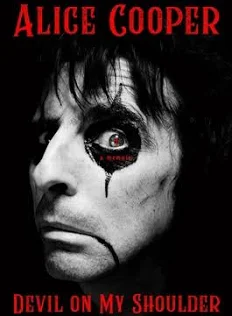 SHORT TAKES — We just got the new Alice Cooper memoir Devil On My Shoulder (Da Capo) and it looks like a great read. Stay tuned … Andy Burns from Toronto’s BiffBamPop did a superb Micky Dolenz interview. Take a read: https://biffbampop.com/2026/10/28/exclusive-interview-micky-dolenz-on-new-music-the-monkees-and-more/ … Beatles-engineer Phil McDonald has passed. From Mojo: https://www.mojo4music.com/articles/stories/the-making-of-all-things-must-pass/ … (Via Deadline) After running Star Wars for years, Kathleen Kennedy is now taking on the Olympics’ opening and closing ceremonies that aren’t anywhere near a galaxy far far away.
 In fact, with less than two years to go before LA28 kicks off on July 14, 2028 at both SoFi Stadium and the L.A. Memorial Coliseum, the former LucaFilm boss and now independent producer has to hit the ground running. As of today, multiple Oscar nominee Kennedy will take over Peter Rice’s old job as Head of Ceremonies and Content for the LA28 Olympic and Paralympic Games … RIP Kenny McPherson
NAMES IN THE NEWS — Man Parrish; Mark Berry; Raul Rodriguez; Tom & Lisa Cuddy; Ernesto Baldaro; Vinny Rich; Melissa Davis; Carol Ruth Weber; Mark Berry; Steve Thompson; Nile Rodgers; Maureen Van Zandt; Joel Diamond; Robey; Tommy Mottola; Daryl Hall; Ace Huttonson; Thomas Jay; Mike Wilkinsen; Kayla Espiritu; John Hughes; Bruce Glikas; Stormy; Vinny Rich; and BELLA!
Images on this page have been licensed under the Creative Commons Attribution-Share Alike 4.0 International license

Somewhere along the way, watching sport stopped being only about the sport. The final score still matters, but it now arrives wrapped in music, lighting, storylines, and a second screen full of reaction. The game became a show.
 Photo by Howard Bouchevereau on Unsplash
That shift is why sports media platforms such as thsport sit closer to entertainment than to the old sports page. This piece looks at how the spectator experience turned into full-blown entertainment, and how fans enjoy it wisely. It is written for adults of legal age, and any mention of betting is general information, not advice. Betting laws differ by country and state, and it is not legal everywhere.
When Did Watching Sport Become a Show?
The change was gradual, then sudden. Television first taught sport to perform for a camera, adding replays, graphics, and narrative. Streaming and social media then finished the job.
A content event is a spectacle produced as much for viewers at home as for the crowd in the stadium. Today the biggest tournaments are built that way from the start. Once you accept that sports consumption has evolved into entertainment, the elaborate production around each game makes perfect sense.
What Makes a Game Feel Like Content?
Modern sport borrows freely from film, music, and television. A spectacle is an event staged to impress and entertain, and the production around a game now aims squarely at that. The result is designed to be shared.
Several ingredients turn a match into content:
- Rivalries and comebacks framed like drama.
- Stars marketed as characters, not just players.
- Lights, music, and graphics worthy of a stage.
- Clips built to travel across social feeds.
The overlap with other media is now explicit. Competitive gaming events now draw audiences comparable to major sporting events, and that same audience logic shapes how leagues package their product. Stars and clubs are managed like brands, their names protected as trademarks and licensed worldwide. That commercial machinery is part of the show too. Sport competes for attention with every other kind of entertainment.
How Has the Live Venue Changed?
The stadium changed to keep pace with the screen. For years, the broadcast offered more comfort and information than a seat, so venues had to answer. They became destinations, not just grounds.
Upscale lounges, gourmet food, and premium views now compete with the living room. A modern sports-watching experience can rival a night at the theater, with the game as the headline act. The point is no longer just to see the match, but to enjoy an evening built around it.
Why Do Fans Crave the Full Production?
Because a bigger experience feels more meaningful. When a game is wrapped in atmosphere and story, the emotional payoff grows, win or lose. Fans are buying a feeling, not only a result.
The modern spectator wants several things at once:
- The result. The genuine drama of an uncertain outcome.
- The story. A narrative that gives the game stakes.
- The atmosphere. Sights and sounds that raise the pulse.
- The connection. A shared moment with other fans.
That appetite explains the whole shift. Leagues, venues, and broadcasters all compete to deliver the richest version of the night. The spectator, at home or in the seats, is the one who benefits.
Where Does Betting Enter the Entertainment?
Betting has become part of the show, and that deserves a clear-eyed look. Odds now flash on screen beside the score, presented as one more layer of engagement. The house edge is the built-in advantage that guarantees the operator profits over time. It comes from the margin built into every set of odds, so most bettors lose over time.
That framing can hide real risk. The line between hyped entertainment and costly speculation is thin, a point captured well by writing on how resale speculation now mirrors gambling. Treat any betting as paid entertainment, on a strict budget, and never as income.
Guardrails matter here. Gambling rules differ by country and state, and in the United States each state sets its own. Groups such as the National Council on Problem Gambling push for safer-play standards and point people toward help. Warning signs include betting more than planned or hiding it. Free help exists, and in the United States the National Problem Gambling Helpline runs 24 hours a day at 1-800-522-4700.
The Spectator’s New Era
Watching sport has never been richer, and that is worth celebrating. The game is now the center of a full entertainment experience, on screen and in the stands. Enjoy the spectacle, embrace the story, and pick the viewing setup that suits you. Keep any betting small and firmly in check, and the new age of the spectator stays pure fun.
Frequently Asked Questions
Has Turning Sport Into Entertainment Ruined It?
Most fans would say no. The core drama of an uncertain result is untouched, while the production around it adds atmosphere and reach. Purists sometimes miss the simpler days, but the richer experience has drawn in millions of new fans who might never have watched otherwise.
Why Are Live Venues Becoming So Luxurious?
To compete with the living room. For years a broadcast offered better views and comfort than many seats, so venues responded with premium lounges, quality food, and a real sense of occasion. The aim is to make attending an event that rivals, rather than loses to, watching at home.
Is Sports Betting Now Unavoidable for Fans?
It is more visible than ever, but far from mandatory. Odds appear in broadcasts and apps, yet millions of fans enjoy sport without placing a single bet. Betting is one optional layer of the entertainment, and treating it as strictly optional is the healthiest approach.
How Do I Enjoy the Show Without Overspending?
Set your limits before the event, not during it. Decide what you will spend on tickets, food, and any betting, and stick to it. Treating a night of sport like any other entertainment budget lets you enjoy the full spectacle without the regret that unplanned spending can bring.

MLB spreads are different because baseball is played one pitch at a time. In MLB, the spread-style market is commonly called the run line, which uses a set number of runs, usually 1.5, rather than the point spreads used in football and basketball. Each game is shaped by at-bats, pitching changes, defensive plays, and innings.
Baseball spreads focus on the number of runs between two teams and how that margin affects the result. A team may be given a 1.5-run advantage, while a favored team usually needs to win by at least two runs to cover the line. This differs from sports where scoring can change quickly during continuous play and point spreads are used to measure the margin.
Pitching Has a Major Effect on MLB Spreads
Starting pitchers are an important factor when evaluating an MLB run line. A strong starting pitcher can limit how many runs the opposing team scores, especially during the early innings. Teams may also use different pitchers as the game moves from one inning to another. This makes pitching information important when reviewing a baseball matchup.
Starting pitcher statistics can include earned run average, strikeouts, walks, innings, and opponent batting numbers. Recent performance can also show how a pitcher has performed leading up to an upcoming game. Bullpen depth also matters because relief pitchers can take over for the starter and cover the remaining innings. These factors can provide useful context when evaluating an MLB run line.
MLB Spreads Depend Heavily on Matchup Data
Baseball matchups can be influenced by how hitters perform against different types of pitchers. This type of matchup information can be useful when reviewing MLB spreads and comparing the strengths of each lineup. A hitter’s results against right-handed or left-handed pitchers can help show how the batter has performed against different pitching styles.
Other useful numbers include runs scored, home runs, hits, on-base percentage, and slugging percentage. Team batting numbers can show how well a lineup performs in different situations, while defensive statistics provide context about how teams perform in the field. Because MLB teams play many games across a long regular season, analysts and fans have plenty of historical data to consider when reviewing each matchup.
Ballpark Factors Matter Differently in Baseball
Home field conditions can have a clear role in MLB games. Ballpark dimensions are not the same across the league, and each stadium has its own layout. Some parks have shorter distances to certain parts of the outfield, while others have larger areas to cover. These differences can affect how the ball travels and how certain types of plays develop.
Weather can also influence a baseball game, particularly through factors such as wind direction and temperature. These conditions can affect how the ball travels and how certain plays develop. A team that regularly plays at a particular park may also be more familiar with its field conditions.
Run Lines Put More Weight on One-Run Games
The standard 1.5-run line gives close finishes particular importance. A favorite laying 1.5 runs needs more than a one-run victory, while an underdog receiving 1.5 runs can still cover after losing by a single run. That makes the final margin especially important in games that remain close into the later innings.
This also means two teams can have very different run-line outcomes even when the winner is never in doubt. A late run can move the final margin from one run to two, changing the spread result without changing which team wins. That sensitivity to small scoring margins is one reason MLB run lines behave differently from wider point spreads in higher-scoring sports.
Baseball Pace Changes How Spreads Work
Baseball has a different scoring structure because teams have separate opportunities to bat rather than maintaining continuous possession. Each team gets its own half-inning to score before the other team bats. This creates a game flow that differs from sports built around continuous periods of play and changing possession.
The number of innings also creates a different structure for MLB spreads. Teams have repeated chances to score, but each half-inning ends after three outs, giving the opposing team its own opportunity to bat. Pitching changes, substitutions, and defensive decisions can also change the flow of a game. These features make baseball spreads closely tied to the way individual innings develop.
MLB Spreads Reflect Baseball’s Unique Structure
MLB spreads are shaped by the way baseball is played, with runs, innings, pitching, and individual matchups all playing a role. The 1.5-run line also works differently from point spreads used in sports such as football and basketball. These differences make MLB run lines closely connected to the details of each matchup.
Understanding those differences can make MLB spreads easier to follow. Pitching stats, team scoring, batting numbers, ballpark conditions, and recent results can all provide useful context for a matchup. Looking at these factors helps explain how MLB run lines differ from spread markets in other sports.


During Climate Week NYC, New York is awash in conversations about saving the planet. There are panels and pledges, statistics and speeches, dire predictions and ambitious promises. But at the heart of The Footprint of Life Gala, held September 24 at CORE Club, was a considerably more personal question: What are you going to leave behind?
 Hosted by Green Vision Foundation co-founders Amy Green and Gary Green, the annual black-tie evening brought together environmentalists, philanthropists, athletes, scientists, business leaders, artists and advocates around the idea that influence carries responsibility. We all leave a footprint. The question is whether that footprint simply records where we have been or actually improves what remains after us.
That distinction gave the evening its purpose. The Footprint of Life was created to harness the collective power of its guests to protect the planet, transform lives and create a lasting legacy for generations to come. This year, its focus expanded the conversation by bringing together sport, philanthropy and global leadership—not as separate worlds, but as forces capable of moving people in ways institutions alone often cannot.

Amy Green

Adam Mett, Amy Green
The evening honored Adam Met, founder and executive director of Planet Reimagined, whose rather unusual résumé makes perfect sense in this context. Musician, educator and climate advocate, Met has taken the reach afforded him by one world and applied it to another. Through Planet Reimagined, he has brought researchers, advocates, policymakers and partners together with the goal of moving climate ideas beyond conversation and into scalable, actionable solutions.
The second honoree came from an entirely different arena. Legendary big-wave surfer Garrett McNamara was recognized for using sport as a force for change, accepting the honor on behalf of Laureus Sport for Good. As a Laureus Ambassador, McNamara represents an organization built around the premise that sport can be far more consequential than competition. Laureus works with children and young people around the world, using sport to help overcome violence, discrimination and disadvantage.
That partnership also made an intriguing point about environmentalism. We tend to separate issues into convenient categories—climate over here, poverty over there, education somewhere else, human rights in another room entirely. Real life isn’t nearly so tidy. Environmental degradation affects communities. Poverty affects opportunity. The health of oceans affects livelihoods. The future of children cannot really be separated from the future of the world they will inherit. The Footprint of Life placed those connections at the center of the evening rather than treating conservation as an isolated cause.
“The Footprint of Life is about recognizing that every one of us leaves an impact—and deciding together what we want that impact to be,” Amy Green told guests. “By bringing extraordinary people into one room, we had an opportunity to turn conversation into collaboration and individual influence into collective action. This evening was ultimately about the world we leave behind and the lives we have the power to change now.”
And it was quite a room.
Among those gathering for the black-tie dinner was legendary oceanographer and Mission Blue founder Dr. Sylvia Earle, whose presence alone provided a living connection to decades of ocean conservation. She was joined by philanthropist and Giving Back Foundation founder Meera Gandhi, television personality Melissa Gorga, former New York City Mayor Eric Adams, Lava for Good founder and CEO Jason Flom, Bank of America Executive Vice Chair Julian Mylchreest, MLB All-Star Joey Votto, former NBA player and coach M.L. Carr, and human-rights advocate Ilwad Elman.

my Green

Amy Green
Fashion and design were represented by Alejandra Alonso Rojas, Andrew Kwon and Nicole Fuller, while actor and filmmaker Randall Batinkoff, environmental justice advocate Saad Amer, We The Planet founder Kunal Sood, real estate developer and entrepreneur Tony Cho, and Laureus U.S. Ambassador Kely Nascimento were among the evening’s other guests.
It made for the kind of eclectic guest list that could only really happen in New York: oceanographers beside athletes, fashion designers beside human-rights activists, financiers beside environmentalists. Yet that was precisely the point. Solving enormous problems requires people who don’t normally inhabit the same rooms to begin talking to one another.
There is always a danger with galas devoted to serious causes that the glamour overwhelms the reason everyone has gathered. Champagne is considerably easier than climate change. A beautiful dinner is easier than conservation. A photograph beside a step-and-repeat is certainly easier than changing the way we live.
But glamour and purpose don’t have to be enemies. A room filled with people who possess money, visibility, expertise, access or influence is also a room filled with resources. The real measure comes afterward: what happens when everyone goes home?
The Footprint of Life is built around that question. Not whether we leave a footprint—we have no choice about that—but what kind of footprint it will be.
Because legacy isn’t ultimately what we say we cared about.
It is what is different because we were here.
 The Footprint of Life was presented in partnership with Laureus Sport for Good and supported by Cerity Partners, The Twenty Five, Privé and Worth Magazine.

Gliding past coral reefs, exploring sunken shipwrecks and coming face-to-face with marine life can seem like stepping onto another planet. But before you take the plunge, it helps to understand what scuba diving actually costs.
The upfront investment to start scuba diving can seem steep, especially when you add up certification, gear and travel. If the numbers give you pause, a $10,000 personal loan is one option some people explore to spread out higher gear costs over time.
Keep reading to decide whether diving fits your budget and your goals.
The costs of getting started
Certification is essential for new divers. Most beginners start with an open-water course, which typically costs several hundred dollars, depending on the dive school, location and what the price includes. Through classroom or online learning, confined-water practice and supervised open-water dives, you’ll develop the skills needed to use your equipment, manage common problems and dive safely.
Next comes gear. You can rent equipment early on, but many divers eventually buy their own.
Essential gear you’ll want to own:
- Mask, snorkel, and fins for a proper fit
- A wetsuit or exposure suit suited to your dive conditions
- A dive computer to track depth and time
Gear you can often rent or buy later:
- Tanks, which many dive shops fill and store for you
- A regulator and buoyancy control device
- Weights and other accessories
Buying your own fit-focused items early makes sense. Bigger-ticket items like tanks and regulators can wait until you know diving is a long-term passion.
Long-term costs to remember
The upfront price tag isn’t the whole story. Diving comes with ongoing expenses that add up over the years.
Maintenance is the first one. All of your gear needs regular servicing to stay safe and reliable. Skipping this isn’t worth the risk when your equipment is keeping you breathing underwater.
Travel another factor. The most beautiful dive sites often sit far from home, which means flights, lodging, boat charters and dive fees. Popular spots like the Caribbean, Southeast Asia, and the Great Barrier Reef offer unforgettable dives, but they come at a price. If travel is part of your plan, budget for it the same way you would any vacation.
Benefits that go beyond the price tag
So what do you get for all that spending? Quite a lot, actually.
The experiences alone draw many people in. You’ll explore marine reserves, drift through kelp forests and see creatures most people only watch on a screen. Few hobbies deliver that kind of wonder.
Controlled breathing, steady movement and swimming against gentle currents build endurance and improve lung capacity over time. It’s exercise that rarely feels like a chore. There’s a mental payoff, too. Diving sharpens your problem-solving skills, teaches you to stay calm under pressure and deepens your awareness of ocean conservation. Many divers say the sport changes how they see the natural world.
Whether diving is worth it comes down to you. For some, the personal satisfaction and sense of adventure easily justify the expense. For others, the costs may outweigh how often they’d realistically get in the water.
If you want to enjoy diving without draining your budget, a few strategies help:
- Rent gear until you’re sure diving is a lasting hobby
- Join a local dive club for member discounts and shared trips
- Watch for off-season deals on travel and courses
- Buy quality essentials once, rather than replacing cheap gear repeatedly
Certification, equipment and dive trips can add up, so decide what you can comfortably pay upfront and whether you might want to borrow to cover some costs. If you’re considering a loan, understanding the difference between APR vs. interest rate can help you better understand the total cost of borrowing to make a choice that works with your budget.
Making the decision that’s right for you
There’s no universal answer to whether scuba diving is worth the money. The right choice depends on your budget, your interest and how committed you are to sticking with the hobby.
Before making a major investment, spend time on the water in other ways. Try a snorkeling trip, sign up for a single guided dive or talk with local instructors and dive communities. Doing your homework on both the experience and the costs helps you dive in with confidence, knowing you’ve made a choice that fits your lifestyle.
Notice: Information in this article is for informational purposes only and does not necessarily reflect the views of OneMain Financial or its employees. Always consult with financial advisors for personalized advice.


Macy’s Thanksgiving Day Parade Celebrates 100 Years With a Star-Studded Holiday Spectacular and Performers Galore

Theatre News: Bryan Cranston Returns to Broadway, Julia Roberts Finds Silence, Alec Baldwin Heads To The Tank, Hadestown Heads Home and John Kander at 100

Prince Mario-Max Schaumburg-Lippe: MariBelle And The Chocolate Factory!

Restaurants Are Upgrading the Food. Customers Need to Taste the Difference.

Why Silicone Wedding Bands Are a Smart Pick for Active Lifestyles

What Paycom Reviews Can Reveal Before Choosing Training Software

Carlsbad’s Changing Traffic Landscape Highlights the Importance of Local Road Safety Awareness

Disability Insurance for Wall Street Executives Covers the Bonus Pay Group Plans Exclude
Macy’s Thanksgiving Day Parade Celebrates 100 Years With a Star-Studded Holiday Spectacular and Performers Galore
Theatre News: Bryan Cranston Returns to Broadway, Julia Roberts Finds Silence, Alec Baldwin Heads To The Tank, Hadestown Heads Home and John Kander at 100
Prince Mario-Max Schaumburg-Lippe: MariBelle And The Chocolate Factory!
Restaurants Are Upgrading the Food. Customers Need to Taste the Difference.
Why Silicone Wedding Bands Are a Smart Pick for Active Lifestyles
What Paycom Reviews Can Reveal Before Choosing Training Software
Carlsbad’s Changing Traffic Landscape Highlights the Importance of Local Road Safety Awareness
Disability Insurance for Wall Street Executives Covers the Bonus Pay Group Plans Exclude
-

 Entertainment5 days ago
Prince Mario-Max Schaumburg Lippe Celebrates Legendary Photographer Patrick McMullan at One Art Space Tribeca Manhattan!
-

 Out of Town5 days ago
All Playgrounds Are Fun – Gruesome Playground Injuries
-

 Cabaret5 days ago
Live From The Hotel Edison Times Square Chronicles Presents Shana Farr And Craig Rubano Talking All Things Jerome Kern
-

 Business4 days ago
Google Releases Gemini 4 Hydrogen, and It Changes the Math on Business AI Costs
-

 Business4 days ago
Prince Mario-Max Schaumburg-Lippe: How To Resolve The Microsoft Outage and Outlook Outage. Ending The Problems, We Got The Troubleshooting For You!
-

 Cabaret3 days ago
My View: Photos… “Here’s To Life”….Ann Hampton Callaway at 54 Below
-

 Business5 days ago
Secondhand Gifts Are Winning Shoppers. New Products Have to Earn the Price Gap.
-

 Broadway4 days ago
Theatre News: Broadway’s Next Big Stars, a New Home for Creativity, and Some Very Familiar Faces