
Broadway
Dramatis Personae: The Passing Show


Over the course of my many years in New York, I met a lot of cool people, as well as a few oddballs. I have written about some of them in my chapter on Samuel French, but there are many more.

When I was the Editor at Samuel French, I used to get a lot of walk-ins, mostly actors looking for help in finding a scene to work on in class or a new monologue to use for auditions. Sometimes, playwrights would drop by and ask if I would read their work. Several years ago, I was called out to the reception area, and there stood a nattily dressed elderly gentleman who was about the best-looking geezer I had ever seen, with a full head of silvery white hair. He looked rather like Douglas Fairbanks, Jr., only shorter. “May I help you,” I said. “Mr. Harbison?” he asked. “Yes.” “My name is Guido Nadzo.” I was flabbergasted. “The Guido Nadzo?” I blurted out. “Yes,” he said. “I see you have heard of me.”
The name “Guido Nadzo” is something of a jokey footnote in Broadway theatre history. As the story goes, when George S. Kaufman was casting The Royal Family, which he co-wrote with Edna Ferber and which he directed, he travelled out of town (to Philadelphia, I think) to see a play featuring a young actor named Guido Nadzo, who had been recommended to him for the “juvenile role,” which is what they called the young man who was not the lead in those days. Supposedly, he sent the following telegram back to New York: “Guido Nadzo was nadzo guido.” When the story got around, young Guido Nadzo found himself such a joke that he had to give up acting. And here before me stood that very same Guido Nadzo.
Mr. Nadzo had written a play and asked if I would read it. I said I would be glad to, of course. Then, I couldn’t resist. I asked him about the story. He chuckled and told me that it was completely untrue. When the story started circulating, Kaufman contacted him and told him that he never sent such a telegram. Furthermore, he told everyone in the business that the story was untrue, even though he did not cast Nadzo in the play. Guido Nadzo continued his acting career until the onset of World War II, when he joined the Office of Strategic Services, serving there until the war’s end, at which time he decided he liked this line of work and remained — in his words – in “government service” until he retired. After the war, the O.S.S. became the Central Intelligence Agency. In other words, Guido Nadzo spent the second half of his working life as a C.I.A. spy.
We had a very pleasant chat. I have forgotten what Mr. Nadzo’s play was about, or even if it was any good; but I’d like to set the record straight about this strange myth.
Sometime in the early 1980s, I was sitting in my office one day when a guy from the Order Dept. came in to tell me that there was a woman who wanted to see me. I went out to the reception area and there she was. She appeared to be in her 50s, heavily made up, elegantly dressed, with curly black hair. “You wanted to see me?” I asked. “Mr. Harbison?” she asked. “Yes,” I replied. She stretched out her hand and said in a thick Italian accent, “I am a-Gina Lollobrigida.”

You may be too young to know the name, but not me. Gina Lollobrigida was an Italian film star in the 1950s and 1960s. In those days, foreign film actors were hot in Hollywood. Of particular interest to Hollywood were extraordinarily beautiful women, often referred to as “Sex Goddesses,” and Ms. Lollobrigida was one of the most beautiful. She came over here at pretty much the same time as another Italian Sex Goddess, Sophia Loren, and became just as big a star. She starred in several American films, such as “Solomon and Sheba” with Yul Brynner and “Buona Sera, Mrs. Campbell.” She was Esmeralda in “The Hunchback of Notre Dame,” with Anthony Quinn as Quasimodo. And there she was, standing before me.

I managed to stammer, “What can I do for you?” She told me that a Broadway producer named Harry Rigby who had recently produced Sugar Babies, a huge hit starring Mickey Rooney and Ann Miller, was looking for a play for her. Apparently, he had suggested that she come to see me, as even then I was known in the biz as a guy who knew a lot of plays. I immediately thought of Tennessee Williams’ The Rose Tatoo, as the lead character, Serafina, is Italian. Politely, she shot that idea down. The reason? Williams wrote the play for his longtime friend Anna Magnani. Although she got cold feet and didn’t do it on Broadway (the role was played instead by Maureen Stapleton) she starred in the film version, which was one of her most famous roles. No Italian actress would dare go up against La Magnani. It would be like an American actor daring to appear in an iconic Brando role, such as Terry Molloy in “On the Waterfront.” Side note: a stage version of this film was presented on Broadway, with highly regarded young actor Ron Eldard in the Brando role, and this pretty much derailed his career, even though he was quite good.

and Gina Lollobrigida
I suggested a few other plays to her (I have forgotten what they were) and asked a guy in the Order Dept. to pull them. I offered to give them to her, but she insisted on paying for them. Then, we had a nice chat. She was absolutely charming and very intelligent. I asked her if she was still acting; but she said, no, she was now a highly sought-after photojournalist and a successful sculptor. I asked, was she worried about returning to acting after so many years? “Absolute-a-not!” she replied. She left with her scripts. I never saw her again.
While I was writing this chapter, I found out from Peter Hagan, an old friend and colleague who was an agent before he became the President of Dramatists Play Service, that his client, the great set designer John Lee Beatty, whom he still represents, was actually hired by Harry Rigby to design the set for The Rose Tatoo, to star Miss Lollobrigida, to be directed by John (“Joey”) Tillinger — so she must have changed her mind and did decide to do the play. The plan was to open out of town, play a couple of other venues and then open on Broadway. Then, she told the team that she had hired a top Italian fashion designer to design her costumes (which was common in the Italian theatre, apparently). Mr. Beatty told me that these were completely inappropriate for the American South, let alone the character; and, anyway, a costume designer had already been hired. Miss Lollobrigida was adamant that they must use her designer’s costumes. When they told her “no way” she ditched the production. What a shame. I think she would have been brilliant. She’s still alive, and will turn 93 this year (2020).
Shortly thereafter, Harry Rigby died – so that was that.

Broadway
Macy’s Historic 100th Thanksgiving Day Parade Postponed: Exclusive Rehearsal Photos and Can Broadway Still Deliver?

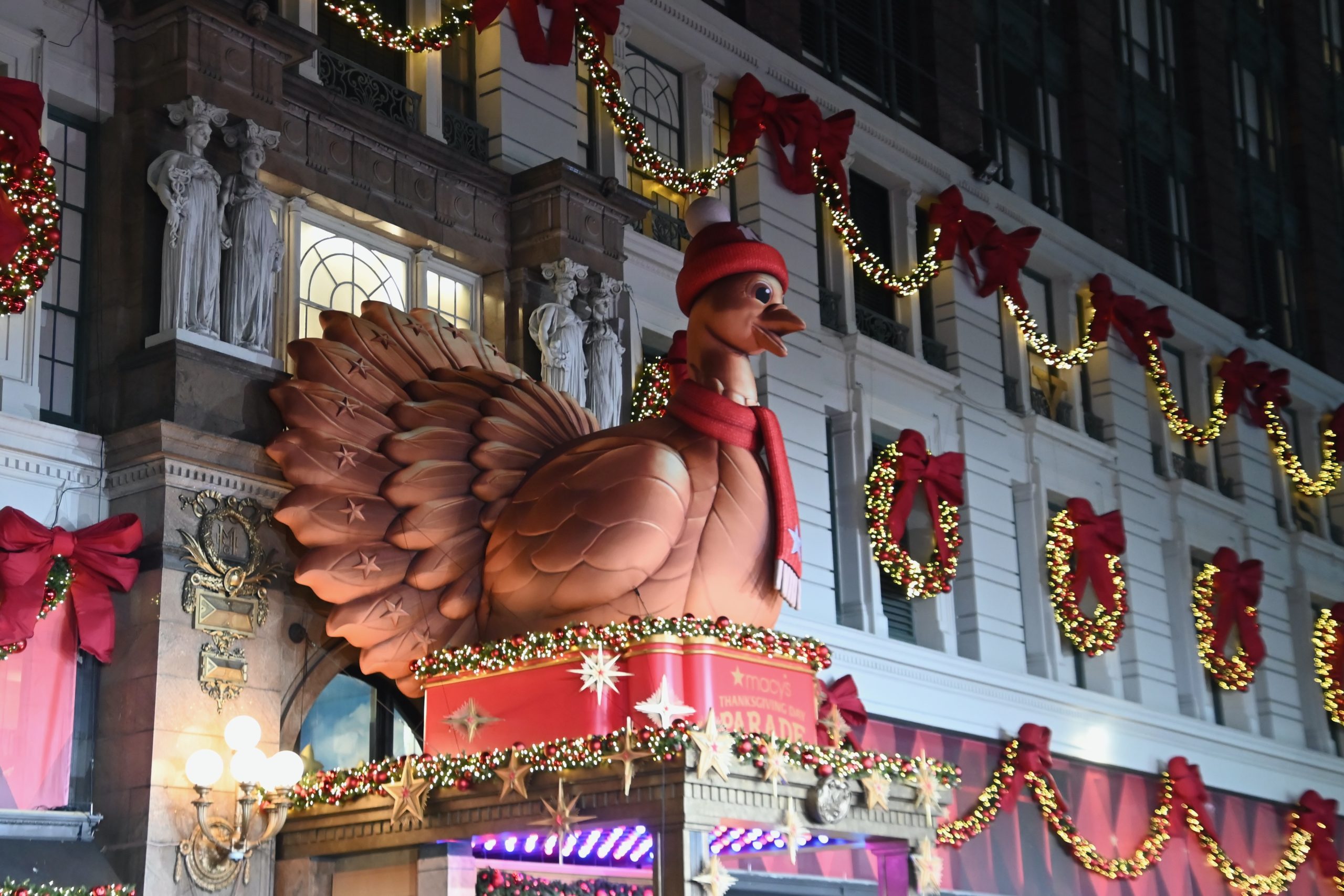
What was supposed to be a historic Thanksgiving celebration has become an unprecedented logistical challenge. For the first time in its history, the Macy’s Thanksgiving Day Parade has been postponed due to weather. With a powerful coastal storm threatening New York City, Macy’s, NBC and city officials have moved the centennial celebration from Thursday, November 26, to Saturday, November 28, beginning at 8:30 a.m.
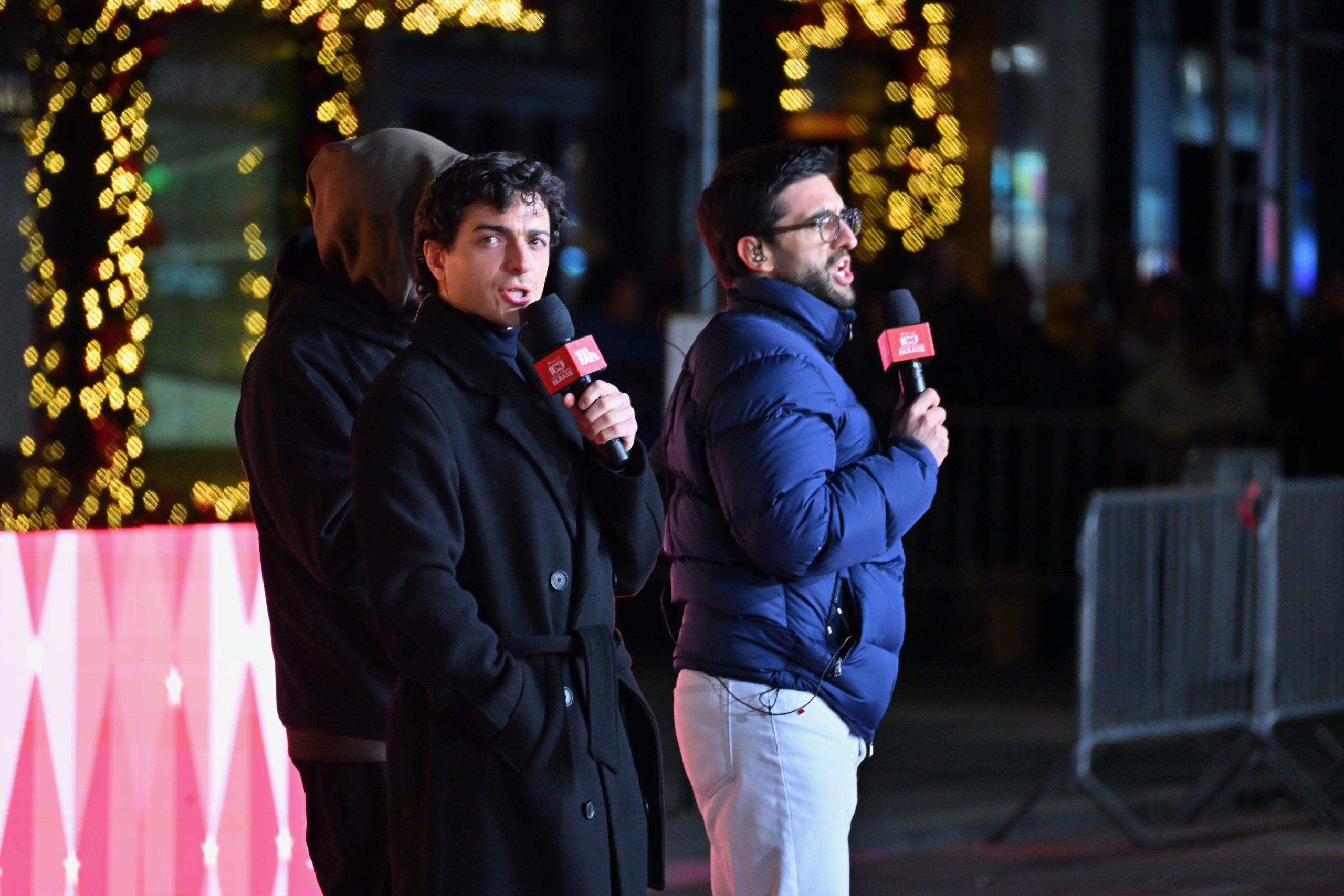
Il Volo

Natalie Merchant
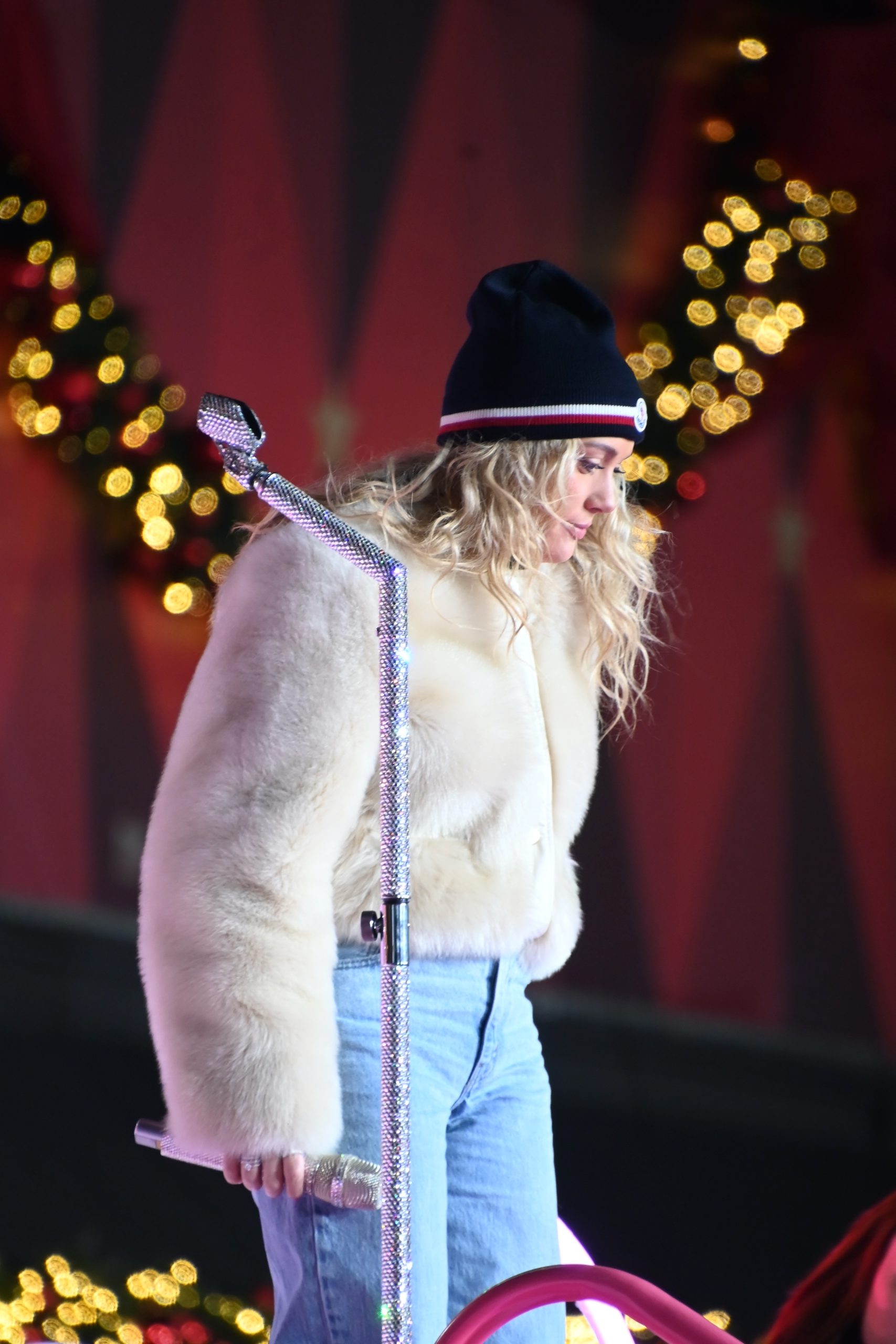
Megan Moroney
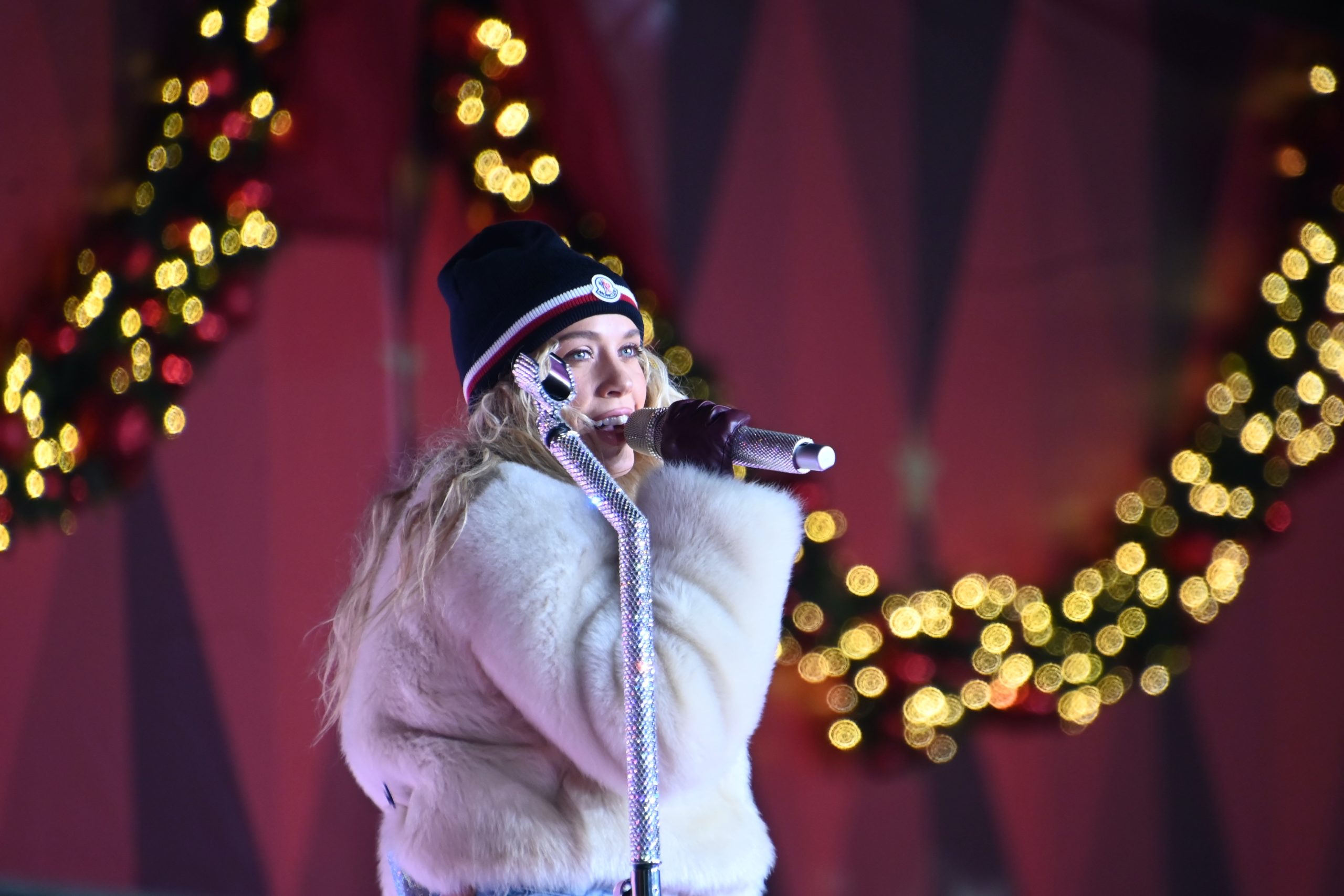
Megan Moroney
The decision, made in the interest of public safety, comes after two days of elaborate rehearsals outside Macy’s Herald Square. T2C’s Genevieve Rafter Keddy was there capturing the preparations, with Leslie Odom Jr., Anthony Ramos, Jarrod Spector, Queen Latifah, Natalie Merchant, Teddy Swims, Megan Moroney, Il Volo, Devo, Smash Mouth, Icona Pop, McKenna Grace and others preparing to participate in what was intended to be a landmark television event.
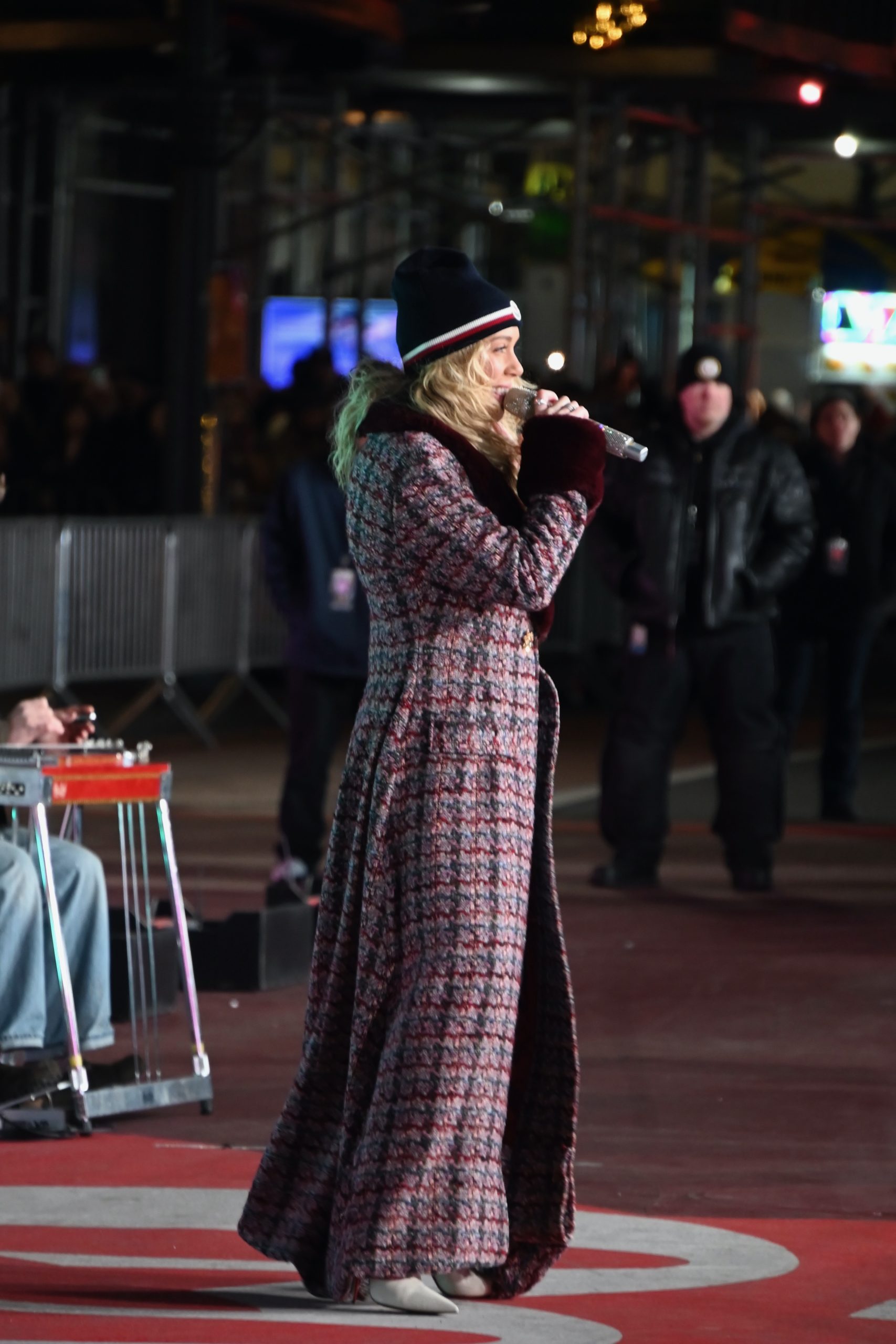
Megan Moroney
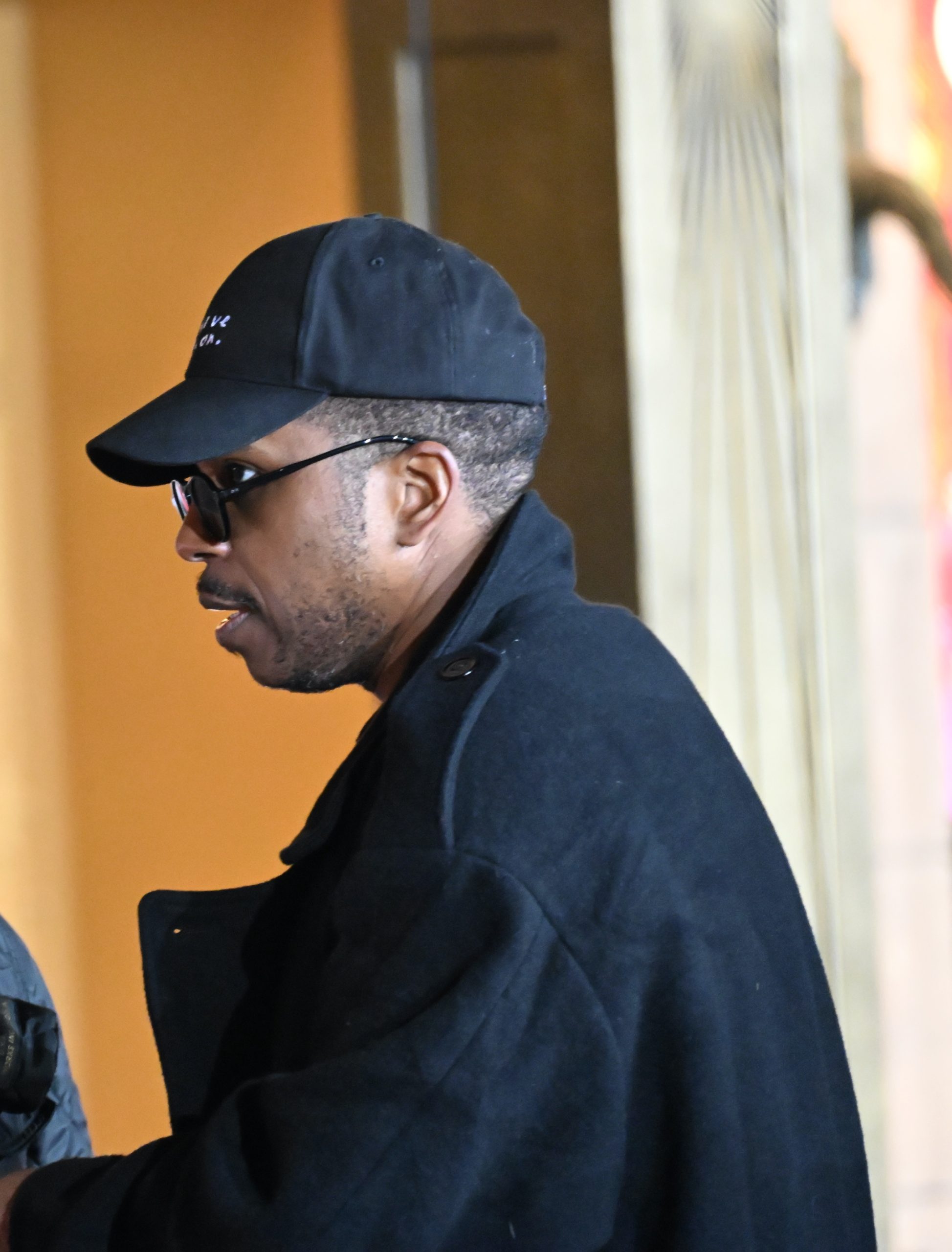
Leslie Odom Jr.
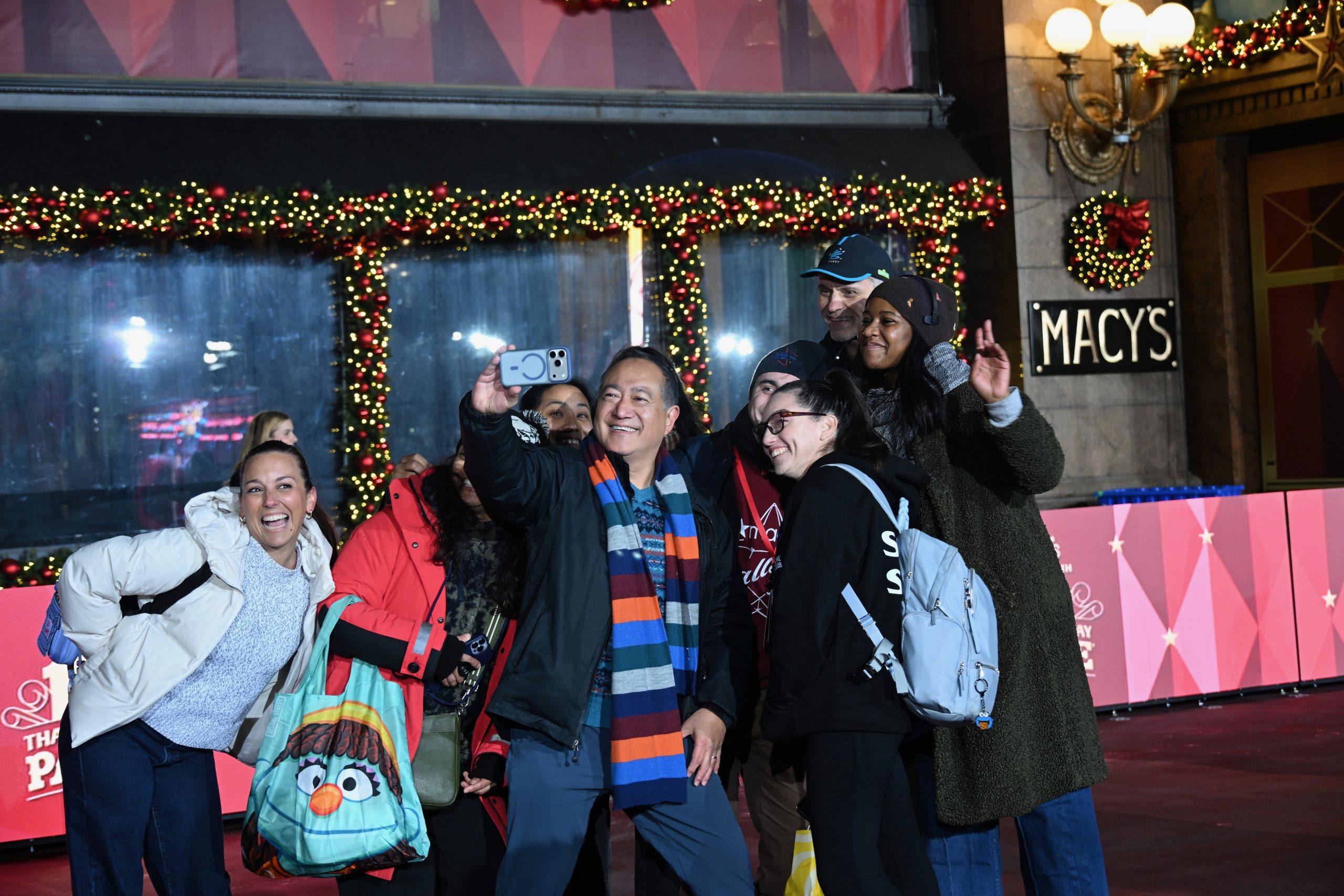
Alan Muraoka and Cast Members of Sesame Street
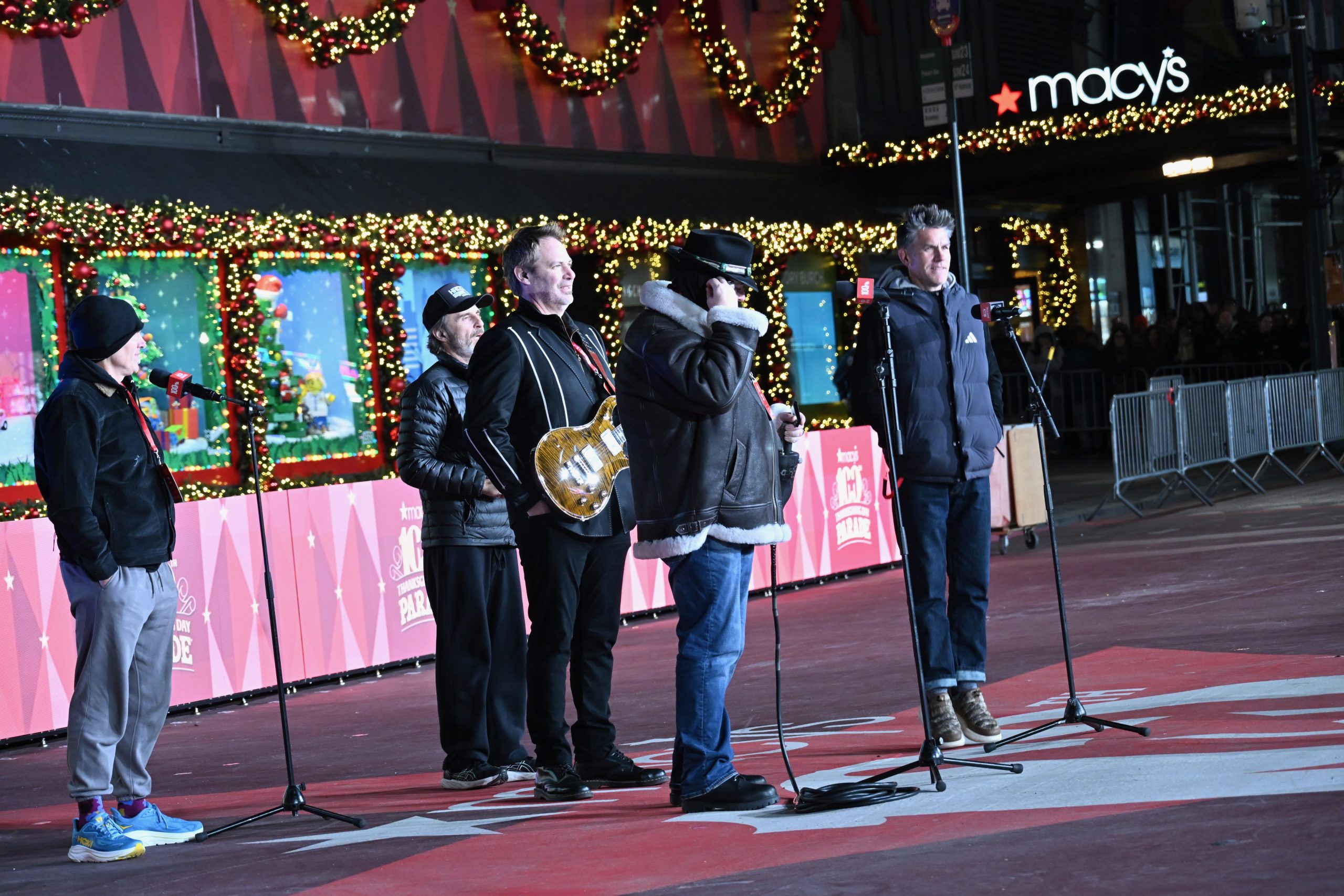
Blues Travelers
Now comes the considerably more complicated question: how much of that meticulously rehearsed entertainment can actually be delivered on Saturday?
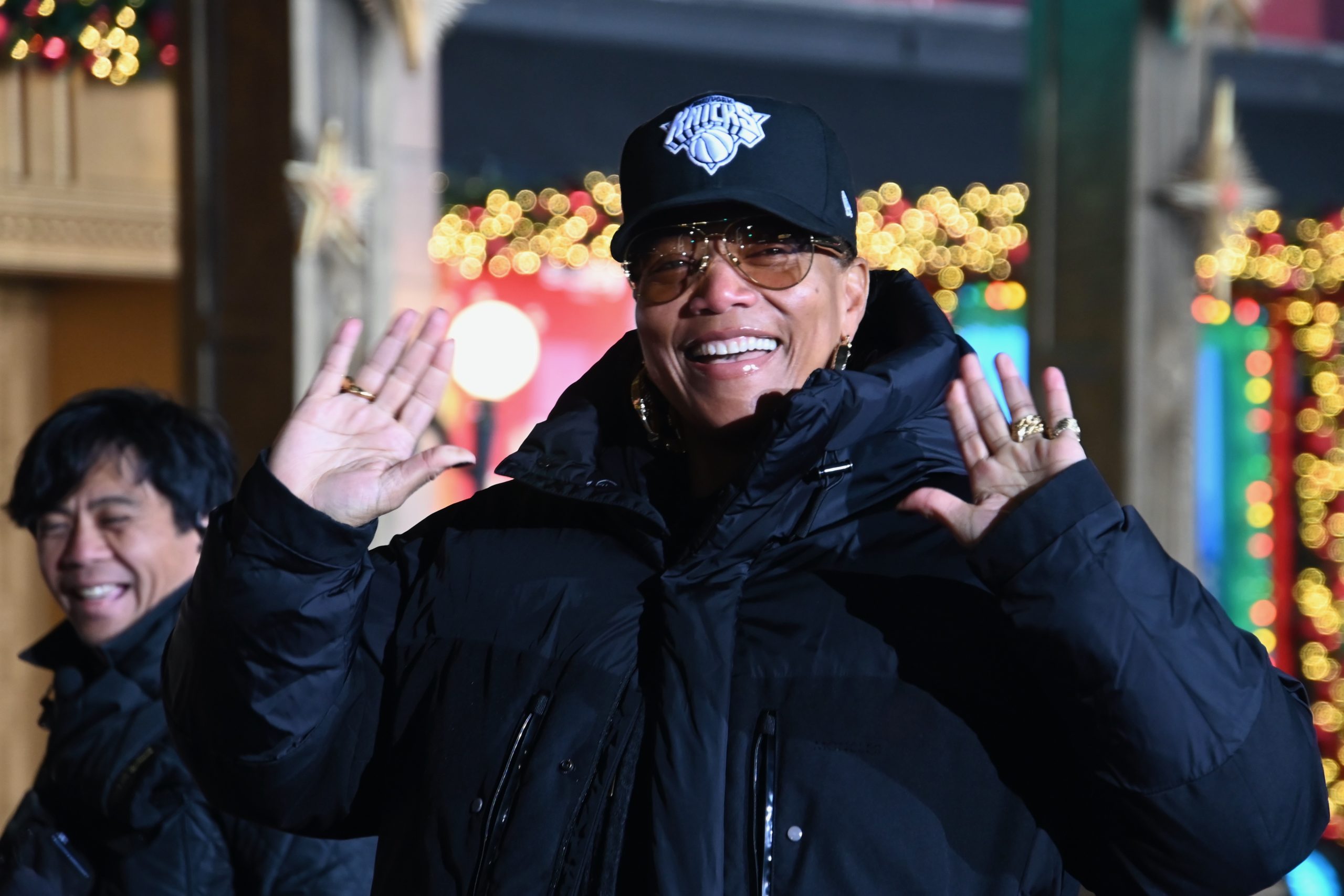
Queen Latifah
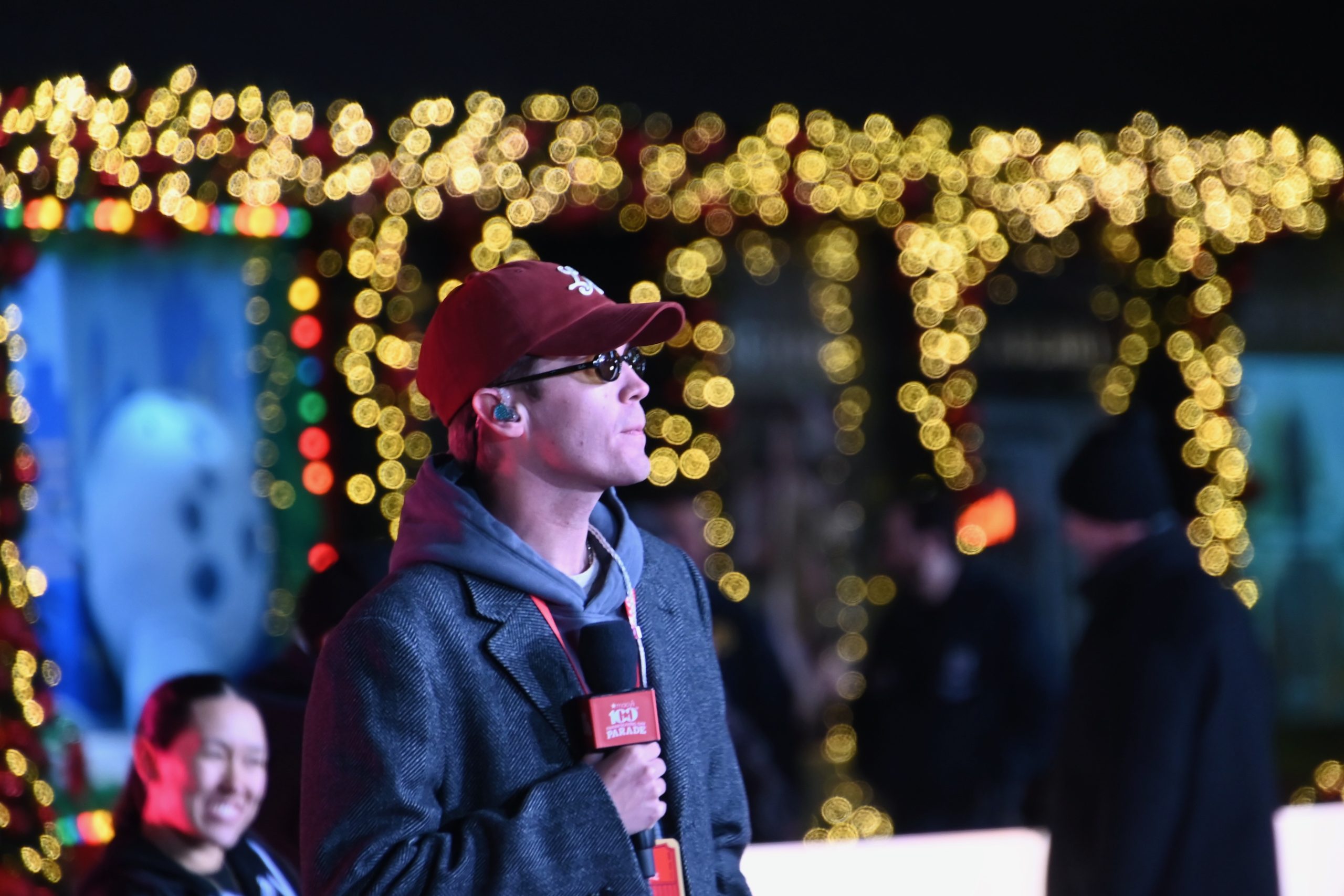
Jamie Miller

Mckenna Grace
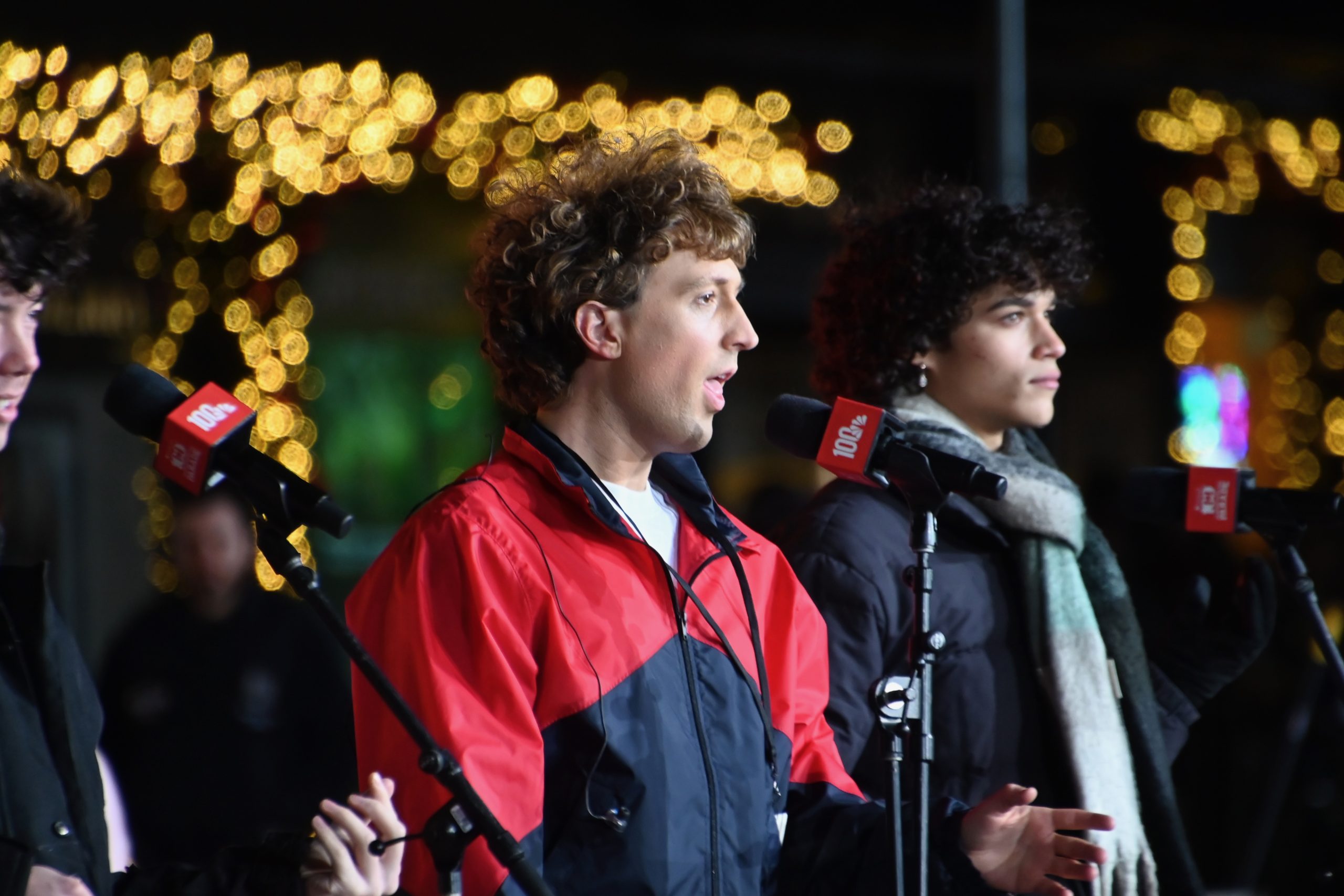
Ryan Peter Murphy
As T2C previously reported, Broadway’s presence at this year’s parade was already a departure from tradition. Rather than showcasing individual productions, Macy’s consolidated nine musicals into a single ten-minute extravaganza. Featuring performers from The Book of Mormon, Chicago, Disney’s Aladdin, Hamilton, The Lost Boys, Rent, Richard O’Brien’s The Rocky Horror Show, Schmigadoon! and Wicked, the celebration was designed to honor Broadway’s past and present.

Anthony Ramos

Teddy Swims

Teddy Swims
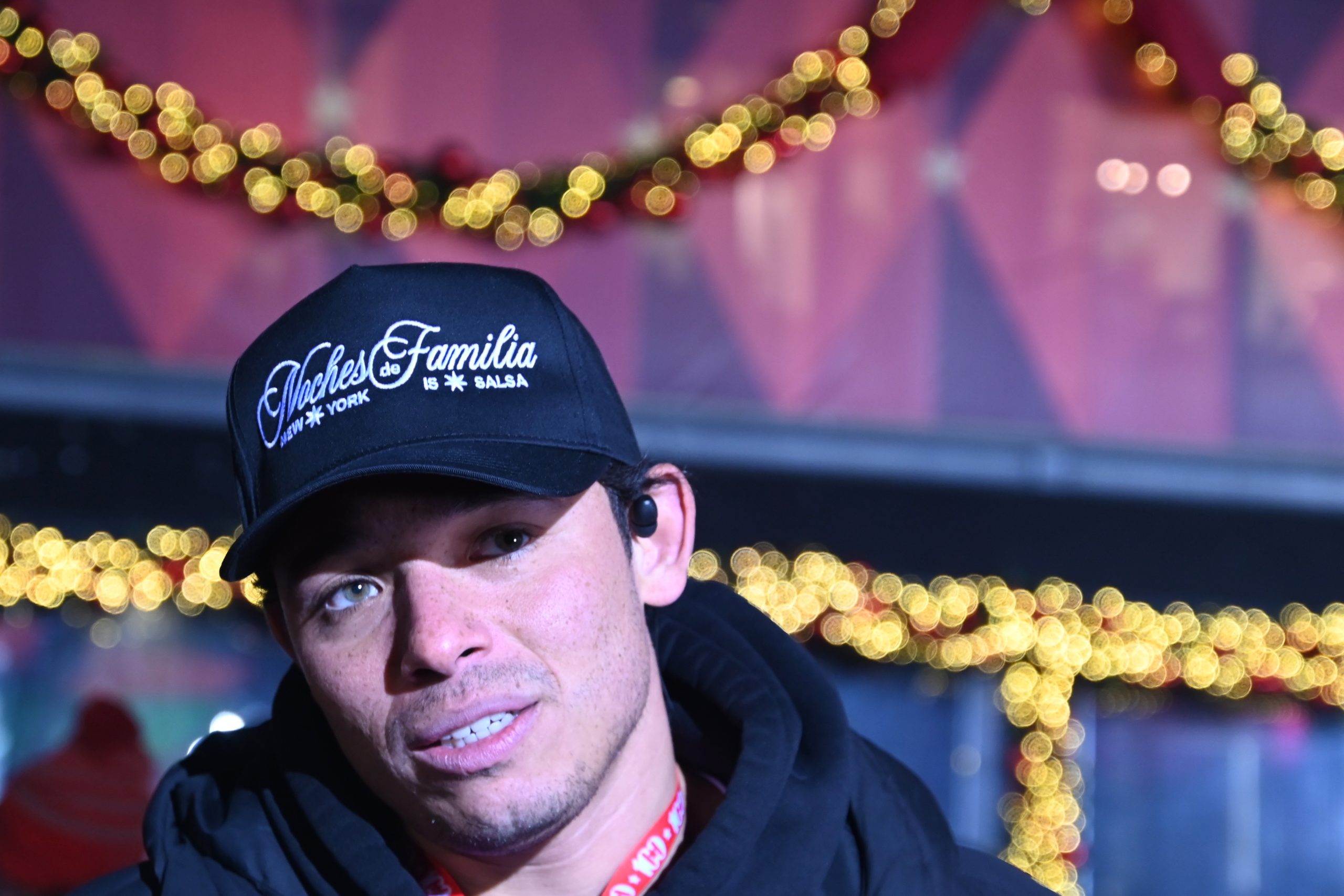
Anthony Ramos
Introduced by Julianne Hough, with musical arrangements by Tom Kitt and Sarah O’Gleby serving as creative producer, the ambitious undertaking required considerable coordination. The Broadway-bound Paddington the Musical and the Radio City Rockettes were also scheduled to appear.

Icona Pop
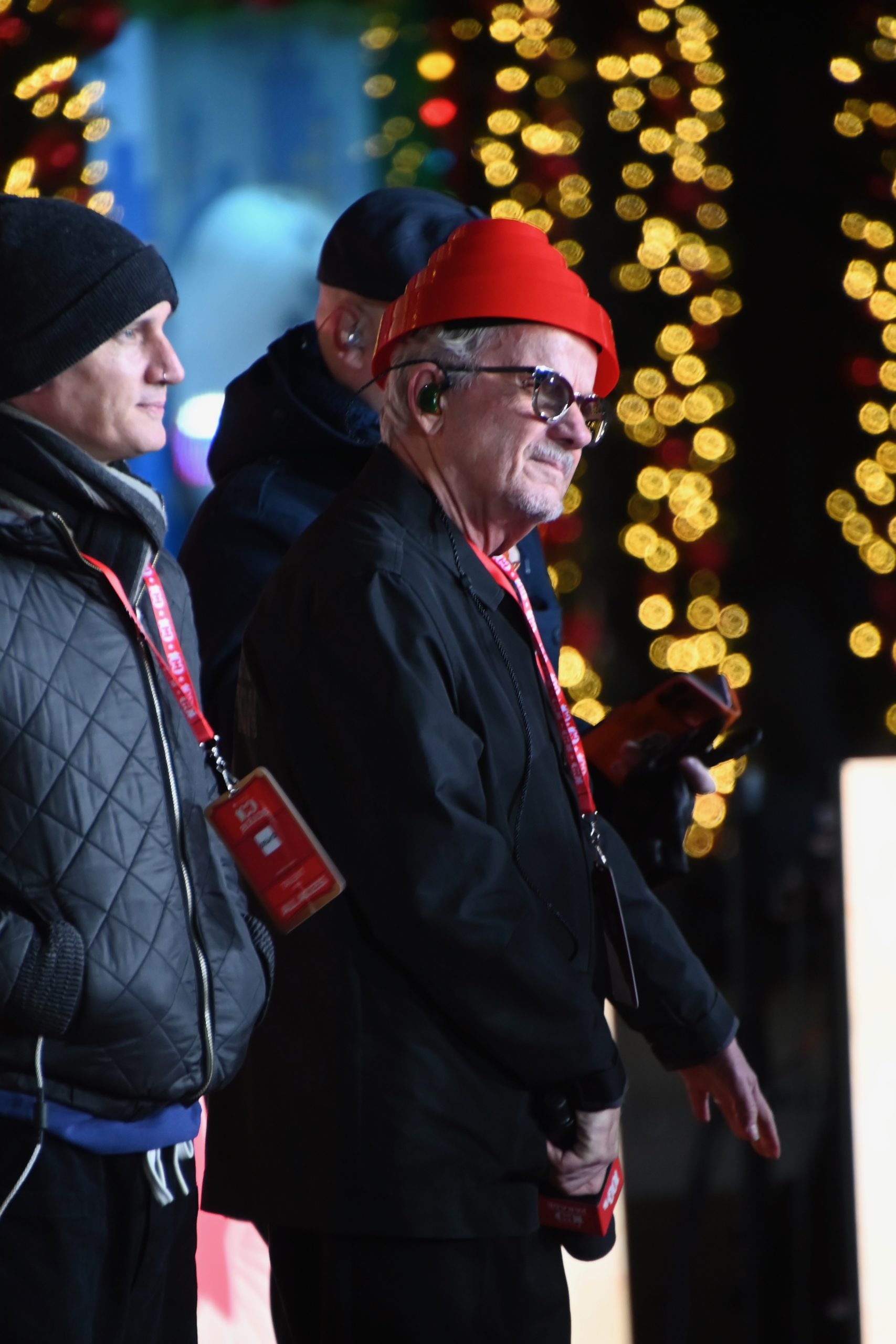
Devo
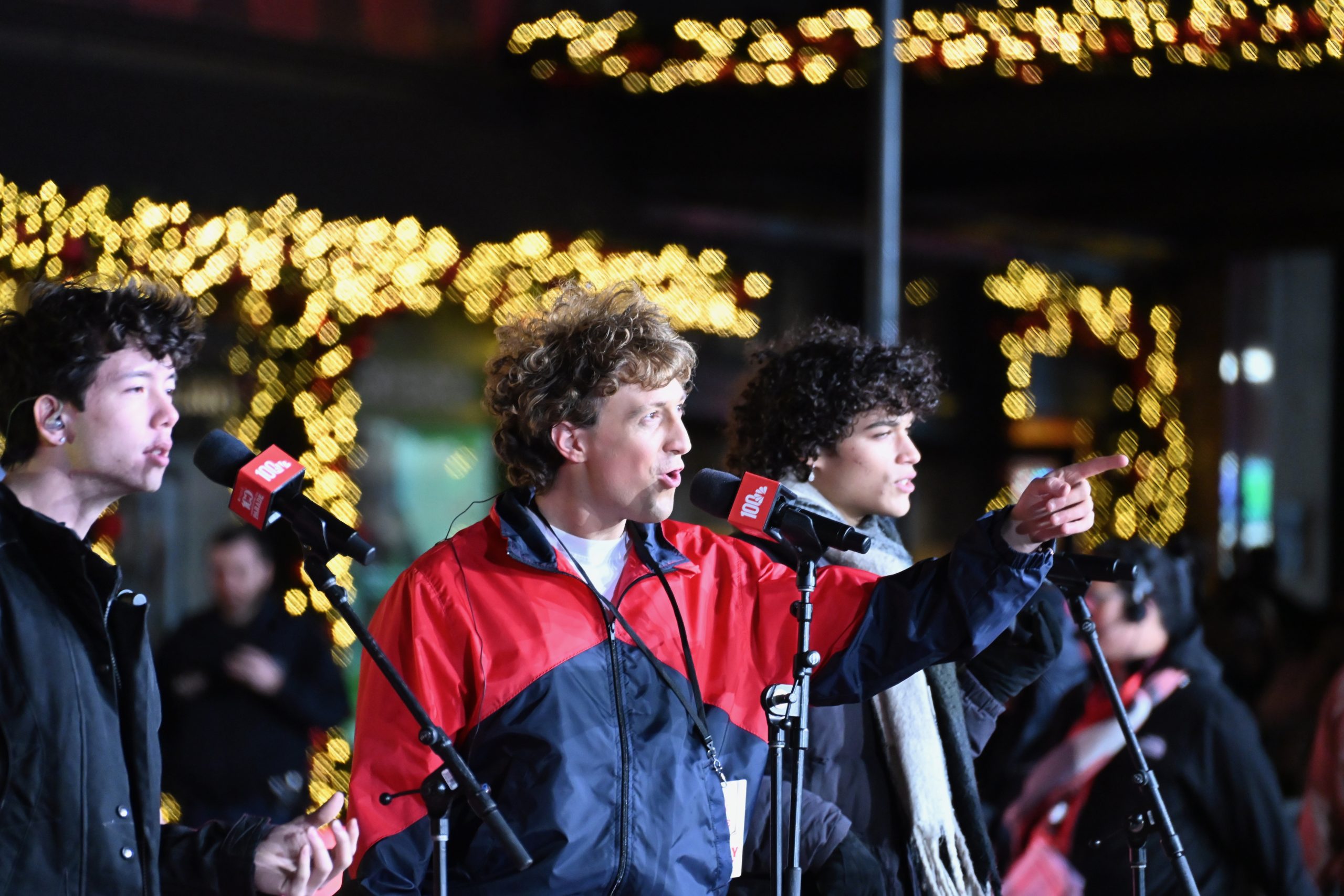
Ryan Peter Murphy
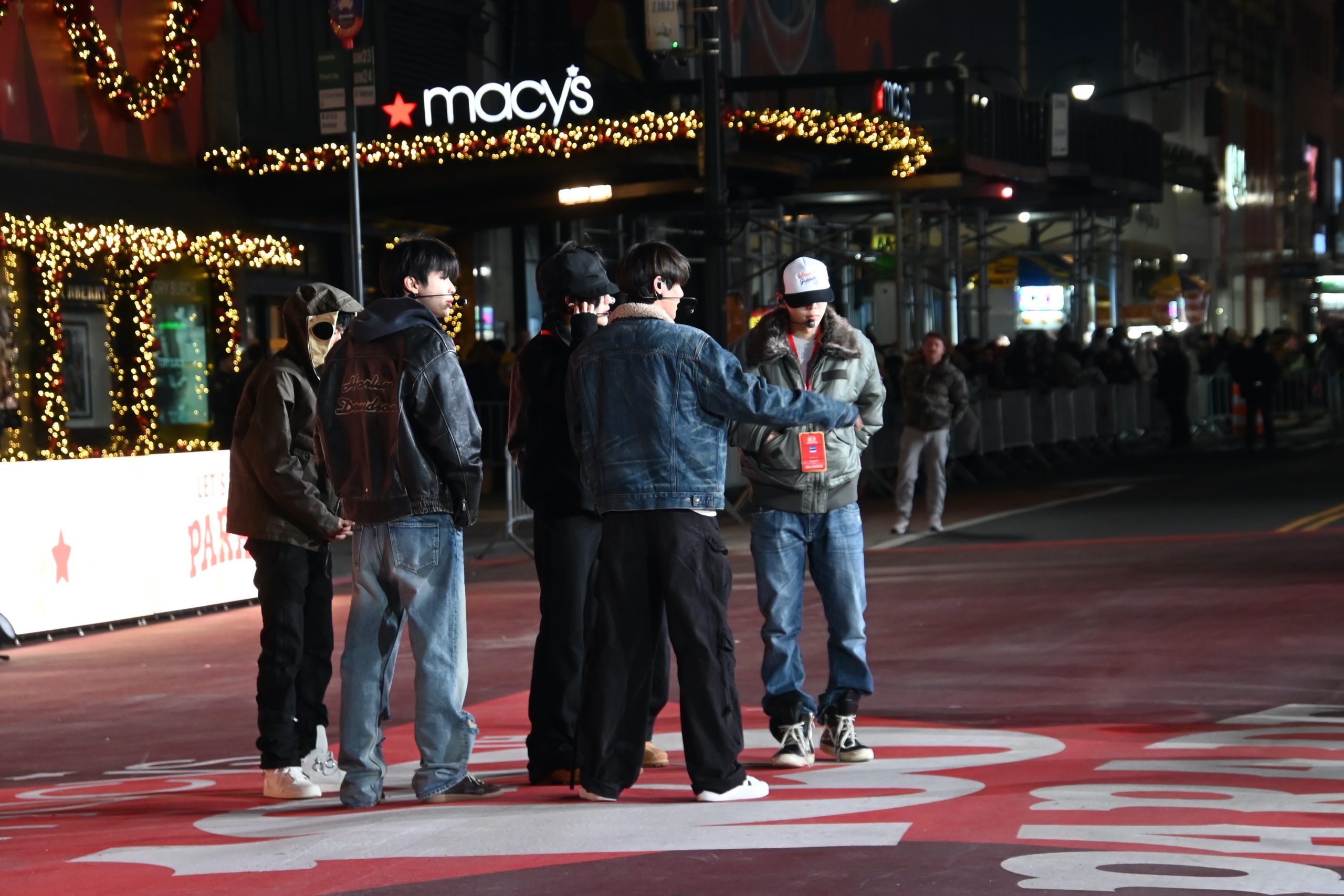
Baha Men
Moving the parade to Saturday, however, presents a challenge that extends well beyond rearranging television programming. Thanksgiving weekend is one of Broadway’s most lucrative periods, with theatres accommodating holiday crowds and many performers facing both matinee and evening performances on Saturday.

Smash Mouth
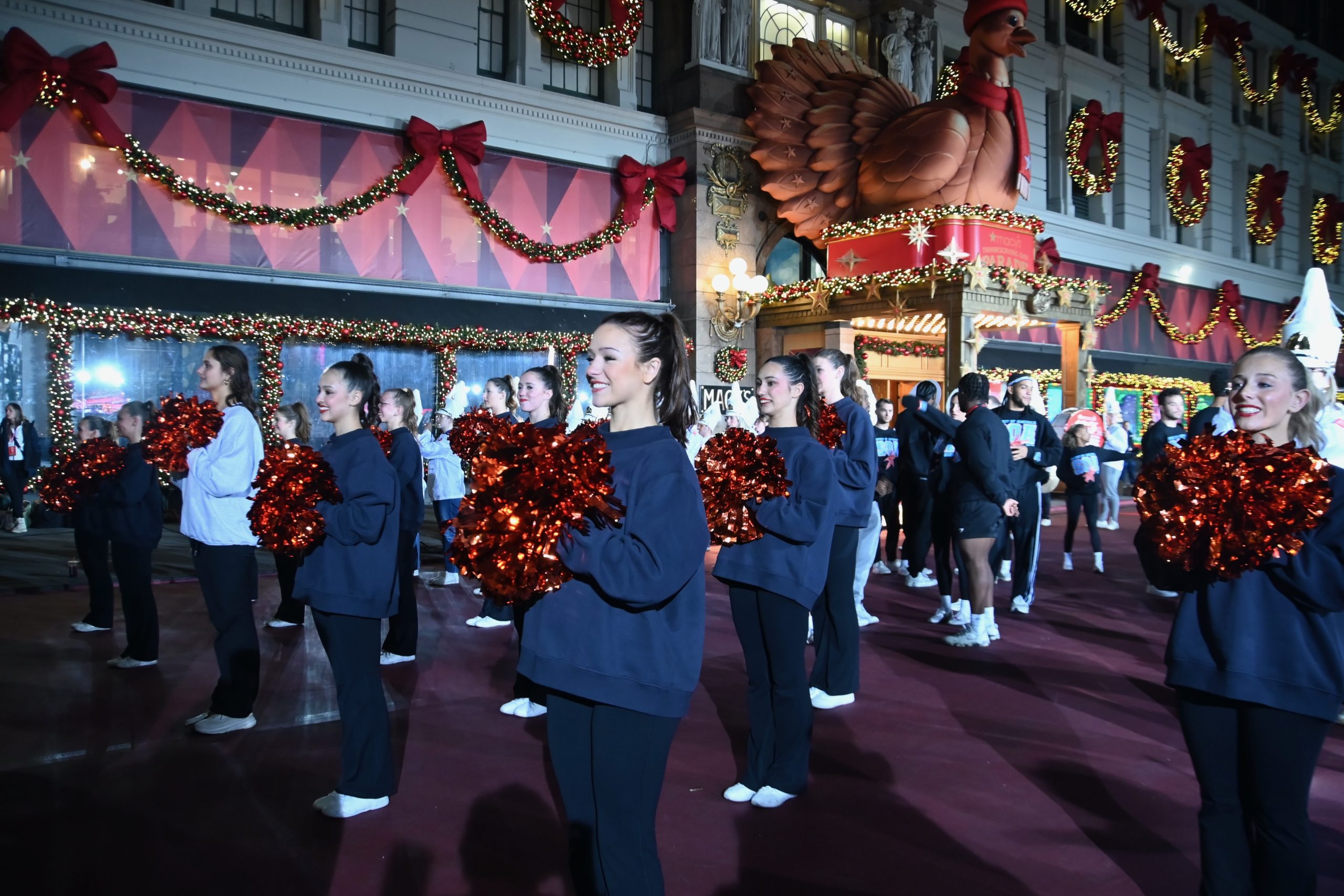
Divine Nine Unity Step Group

Jamie Miller
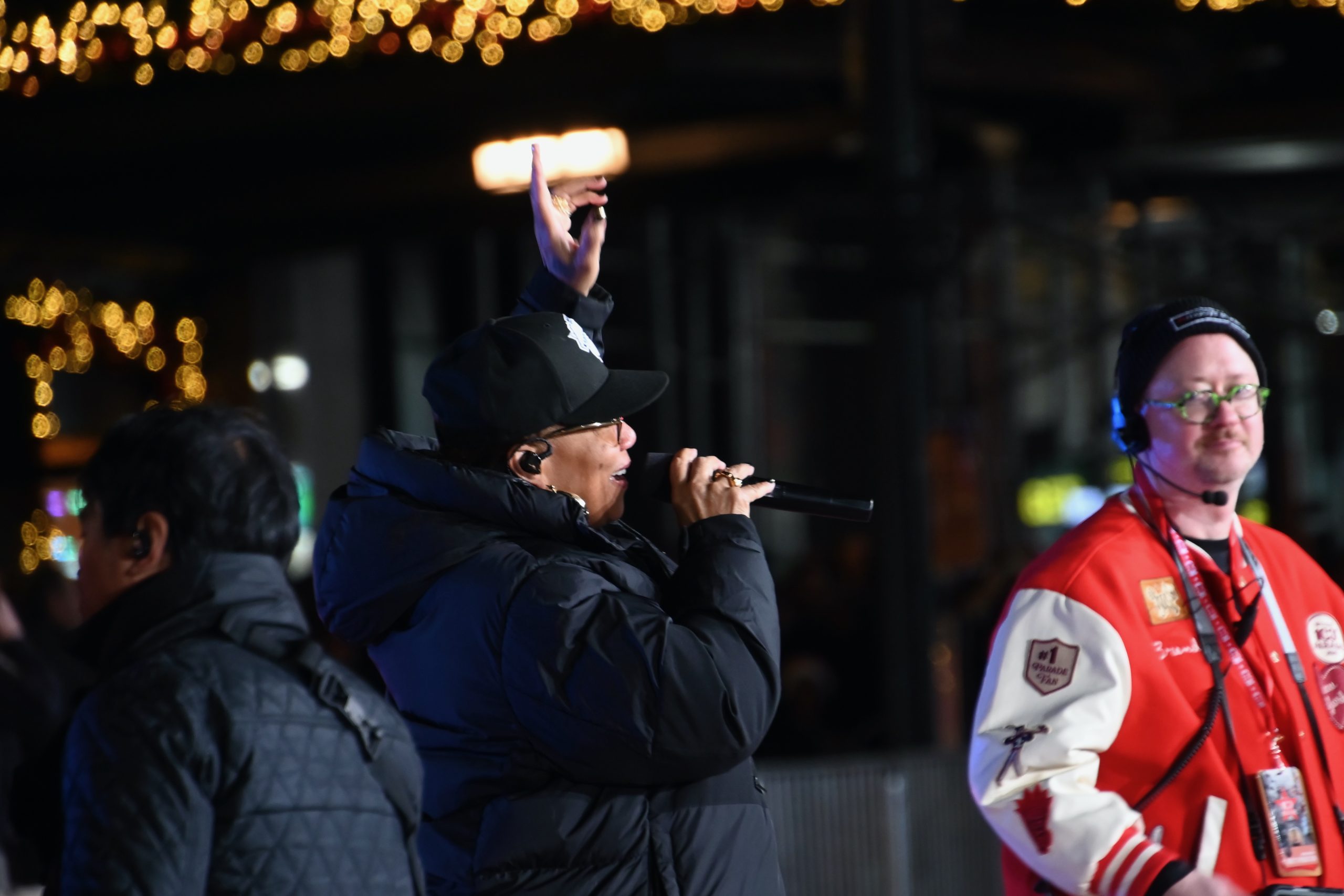
Queen Latifah
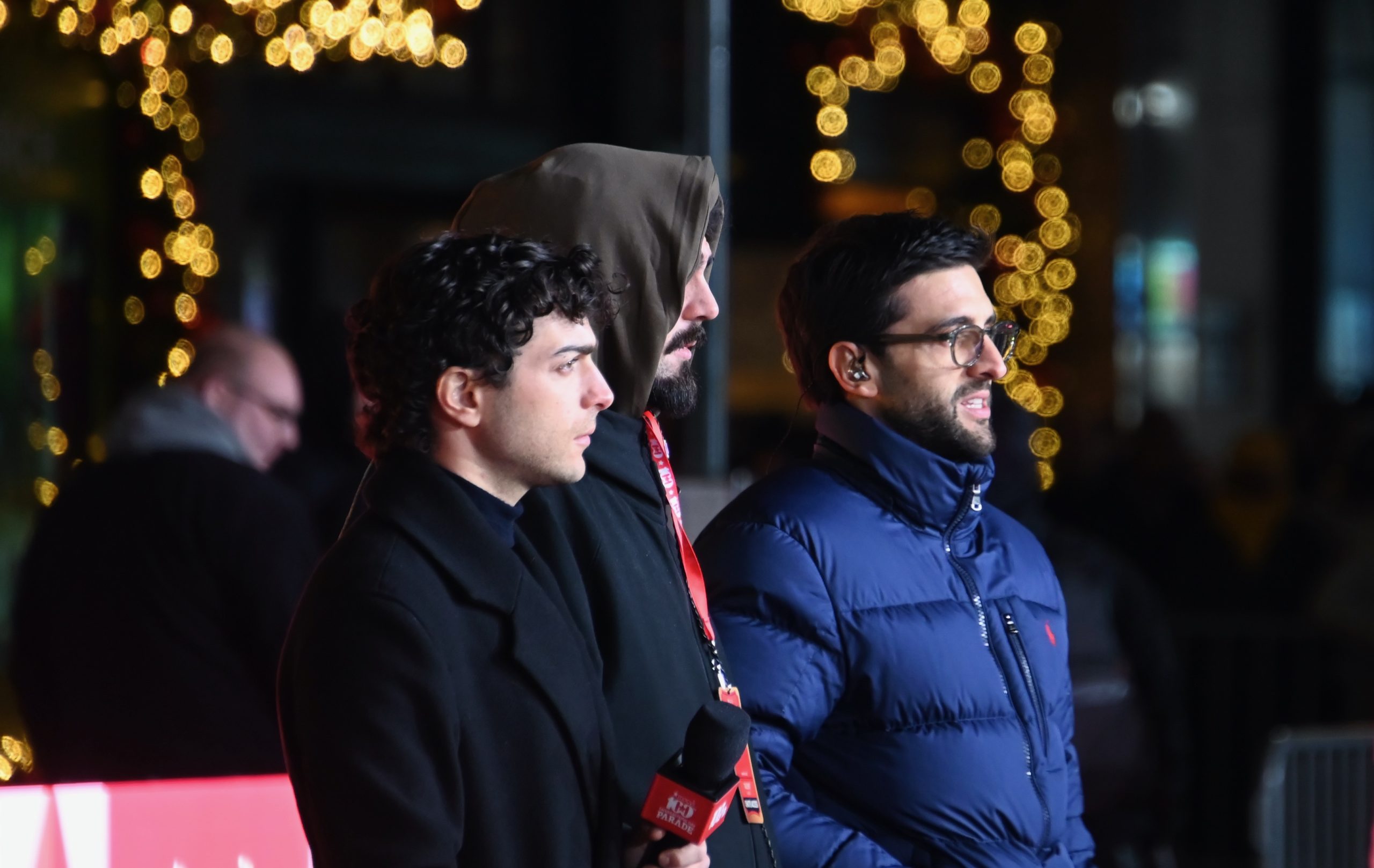
Il Volo
An 8:30 a.m. parade start does not mean an 8:30 a.m. call time. Television preparations, sound checks, costumes, makeup, choreography and staging require performers to arrive considerably earlier. Add to that theatre call times, contractual rest periods and the physical demands of performing two full Broadway shows, and what appears to be a simple change of date becomes anything but.
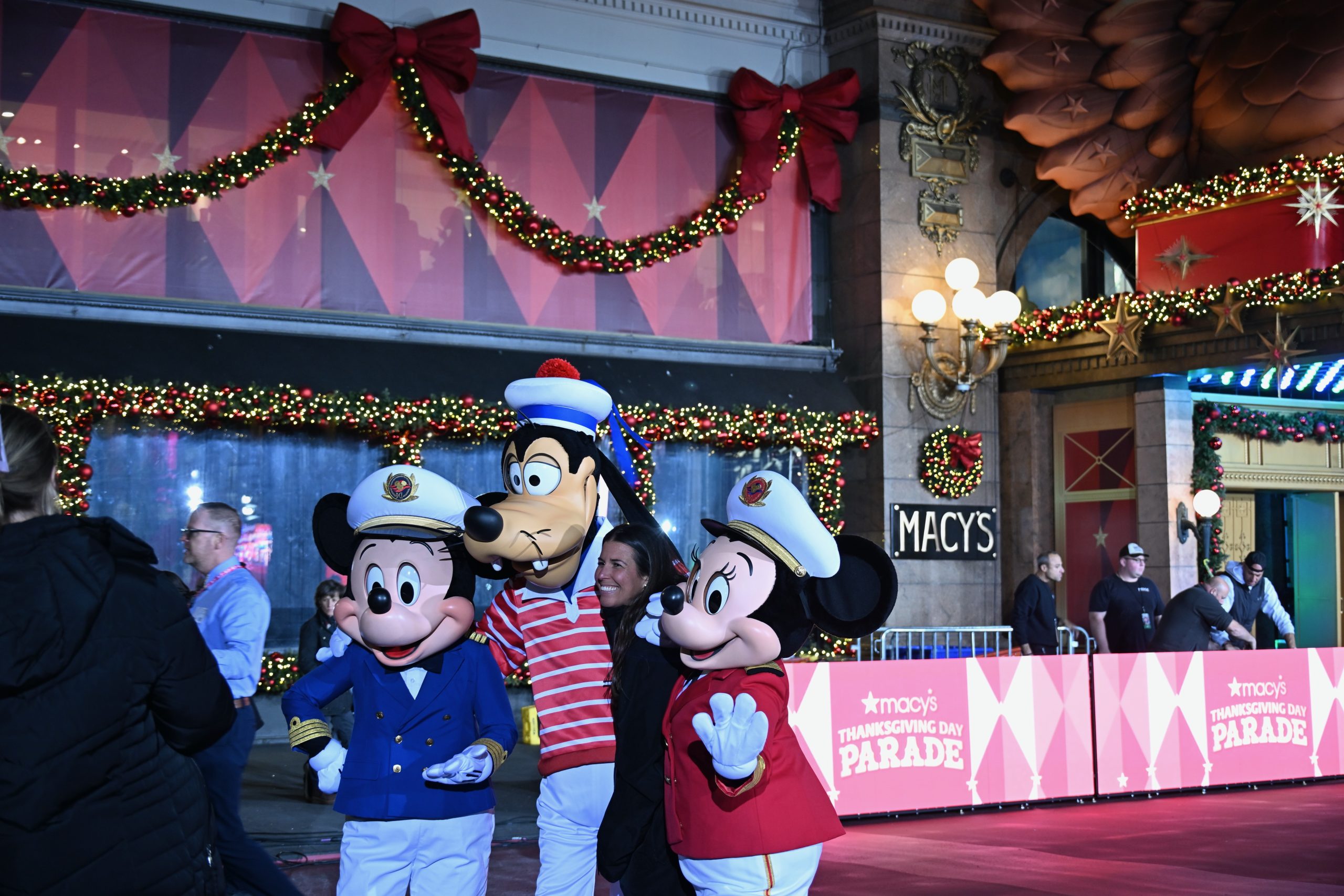
Mickey Mouse, Goofy and Minnie Mouse
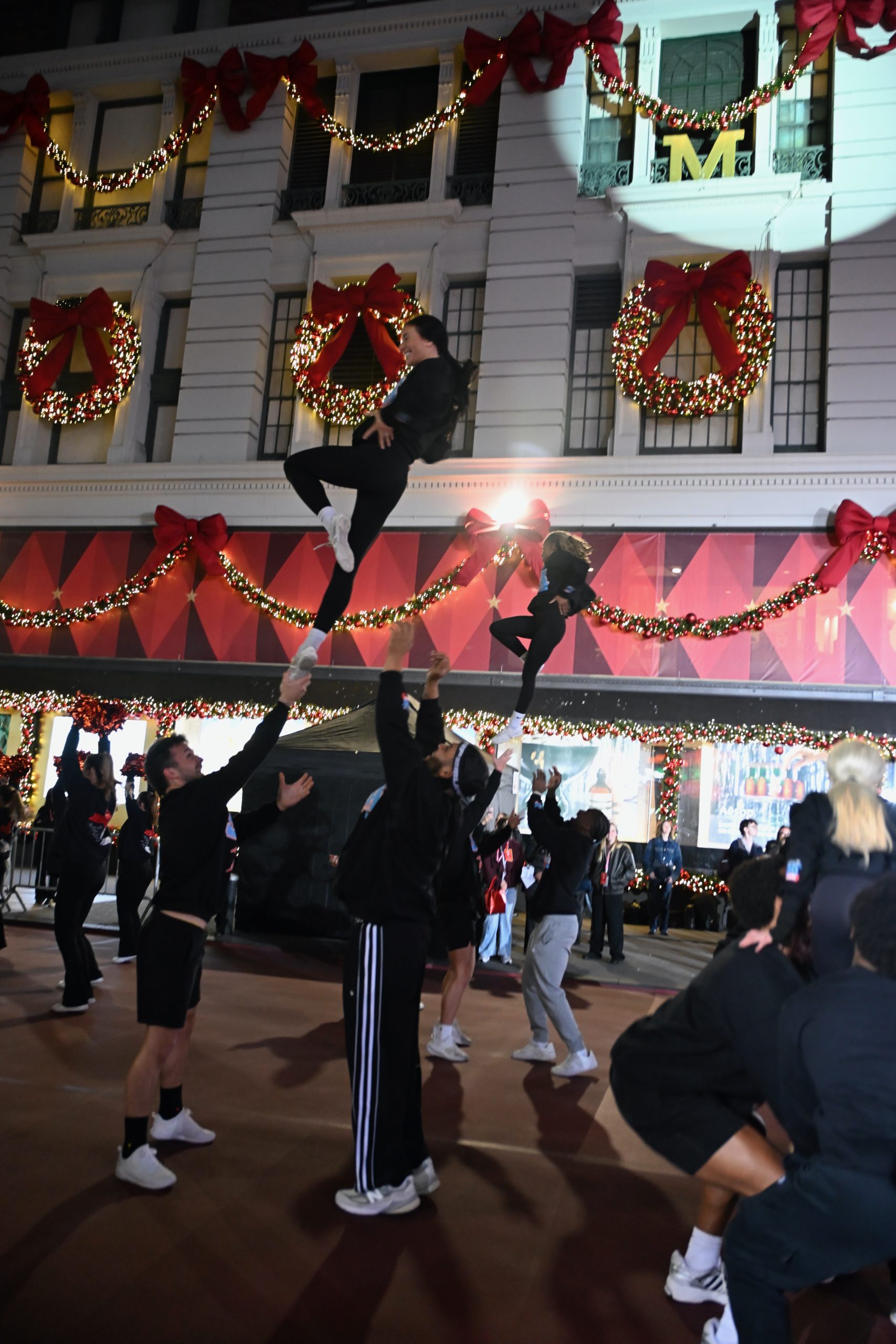
Spirit of America Cheer

Alex Wong
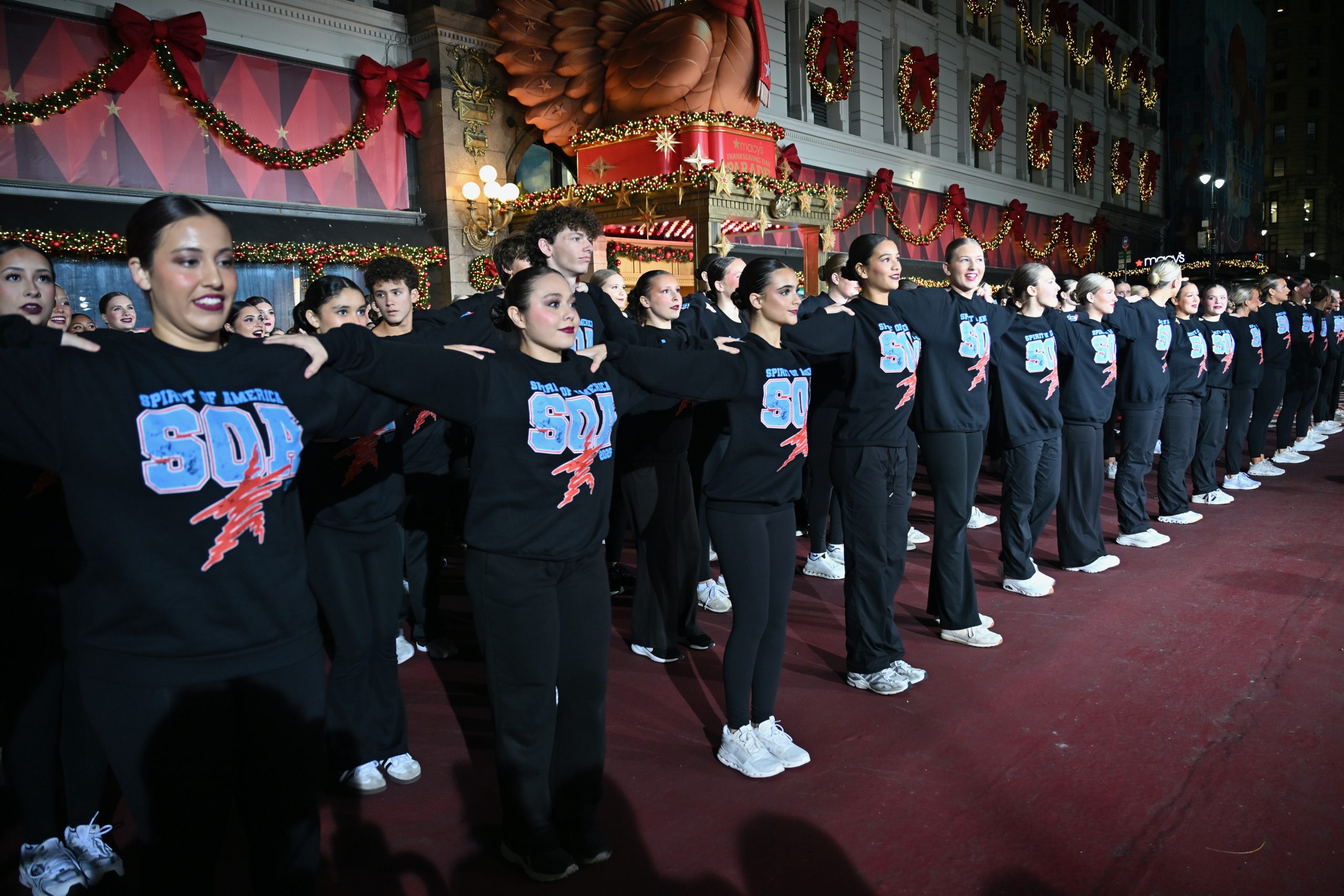
Spirit of America Cheer
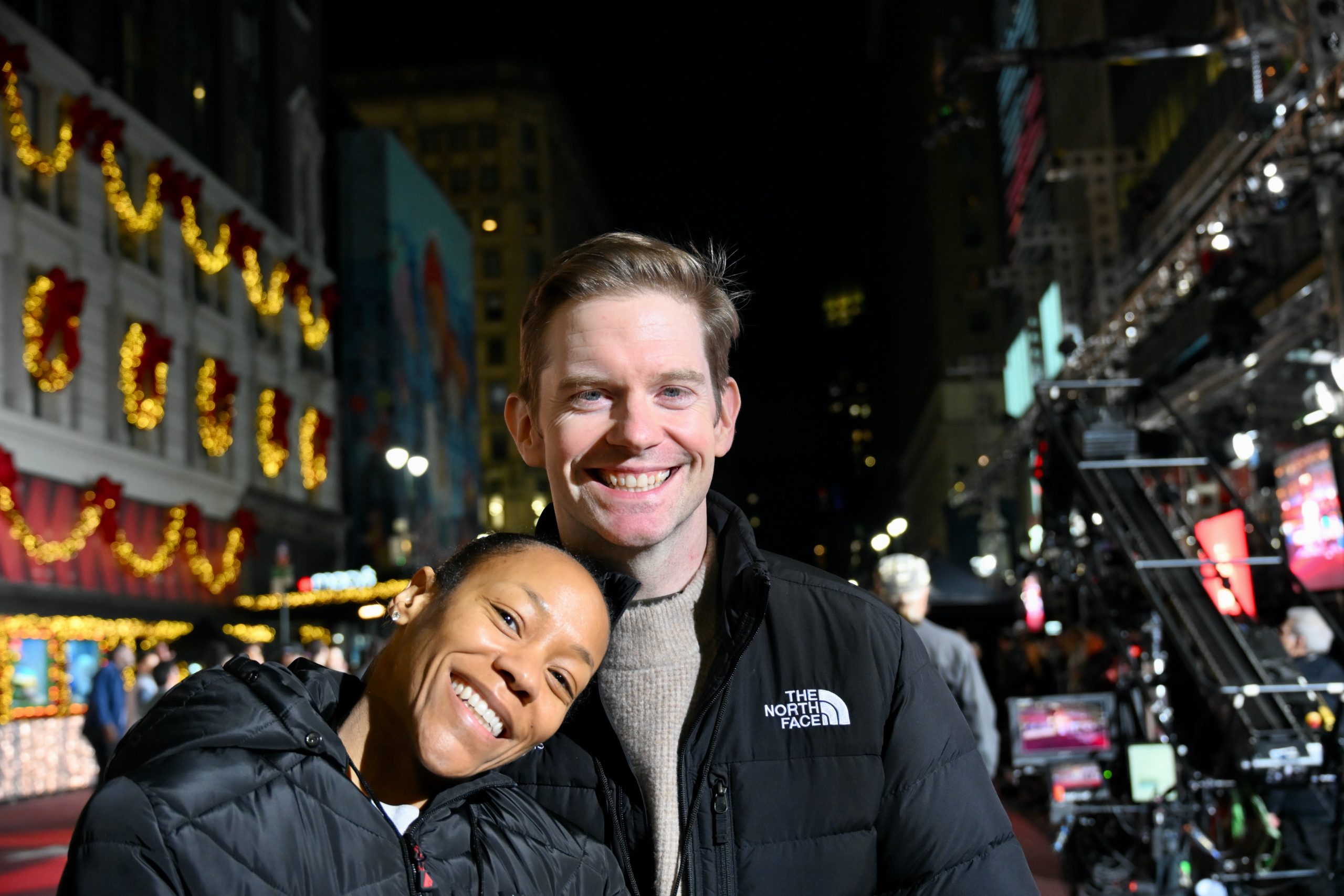
Nikki M. James and Rory O’Malley
Can producers accommodate the additional demands on their casts? Will Actors’ Equity need to negotiate special arrangements? Will understudies or alternate performers be called upon? Can the originally assembled Broadway medley remain intact?
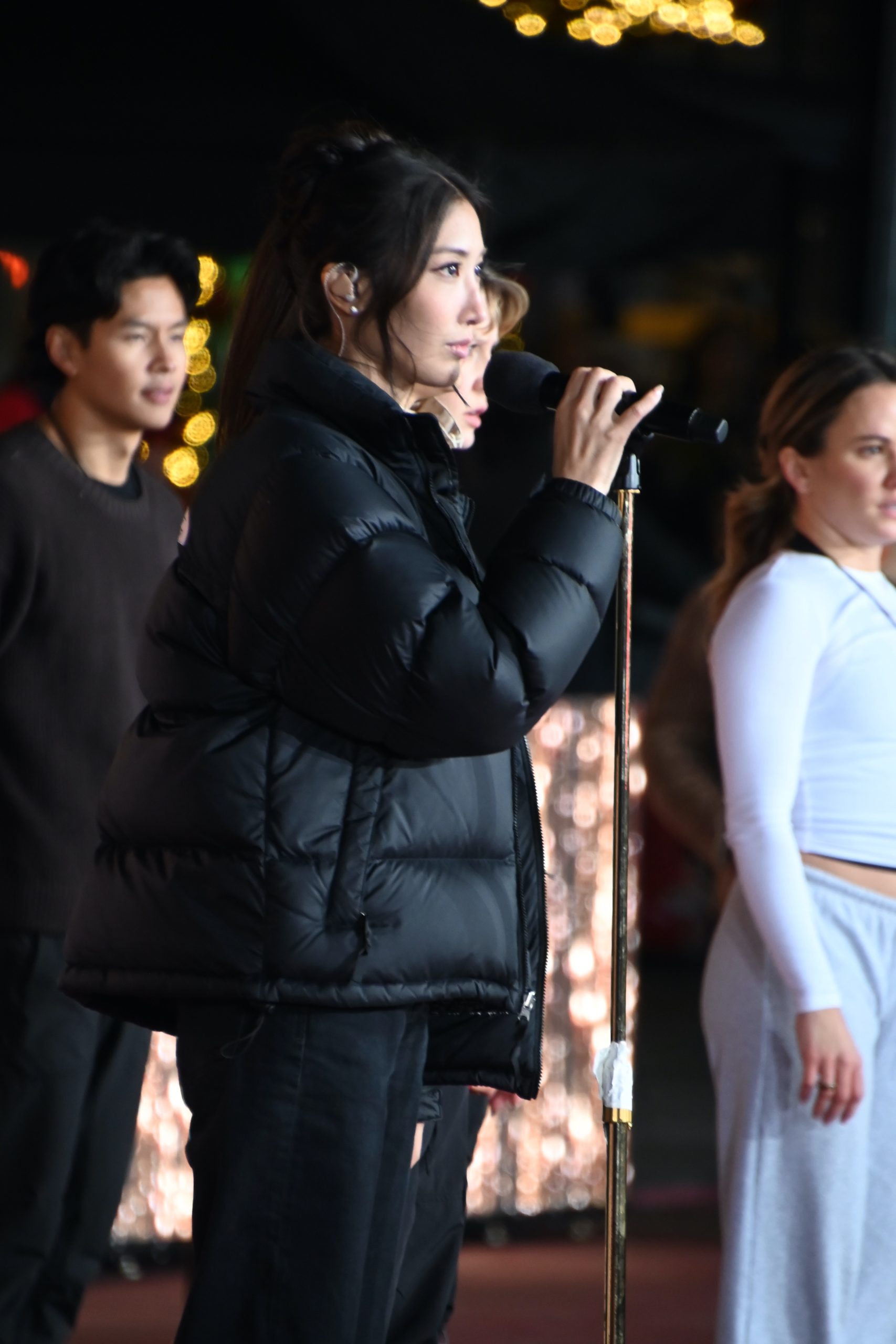
EJAE
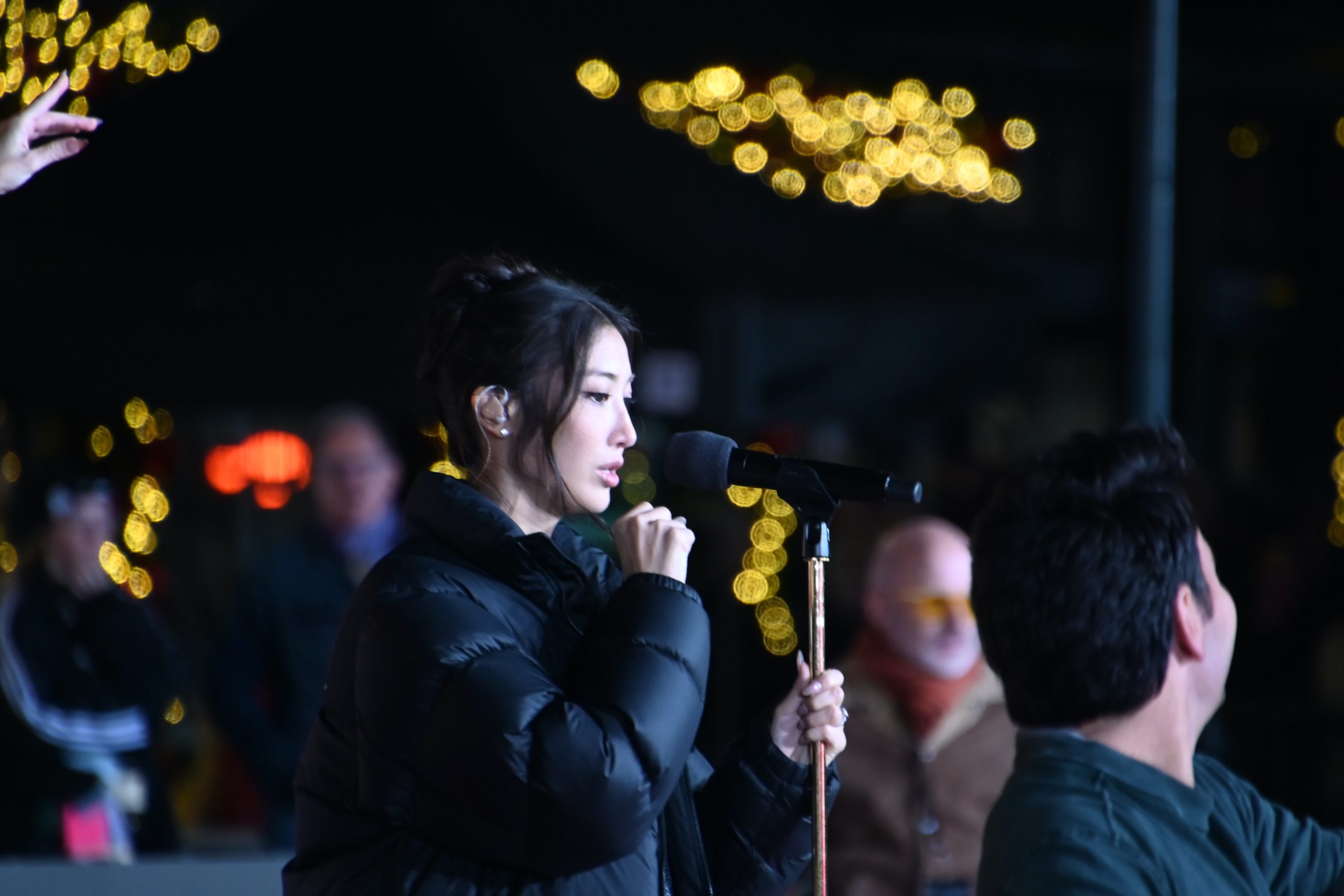
EJAE
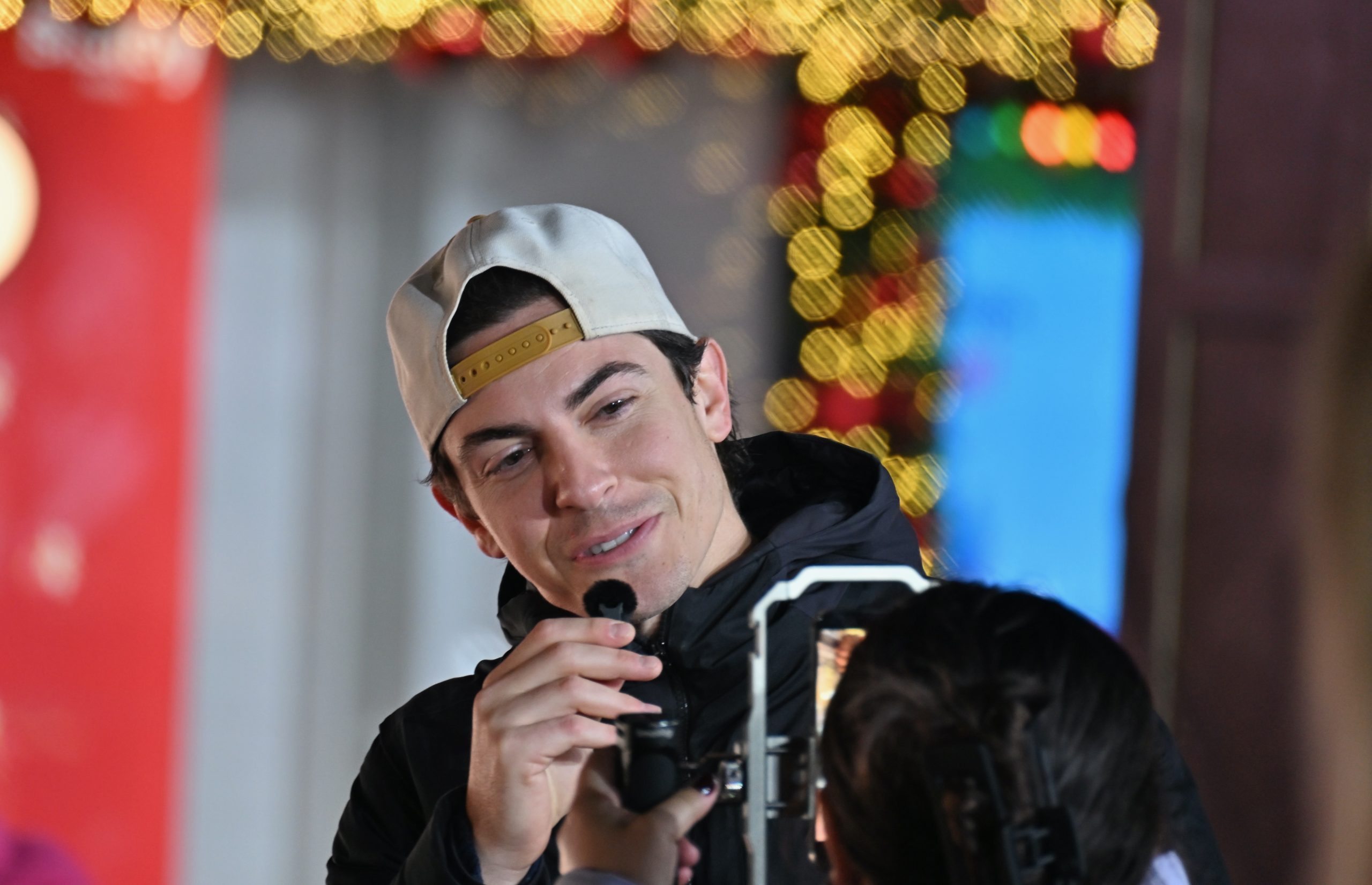
Derek Klena

Michael Arden
The Rockettes face their own demanding holiday performance schedule at Radio City Music Hall. Celebrity performers, touring musicians, marching bands and visiting performance groups may have commitments, transportation arrangements and accommodations that cannot easily be extended or rearranged.

Brad Oscar
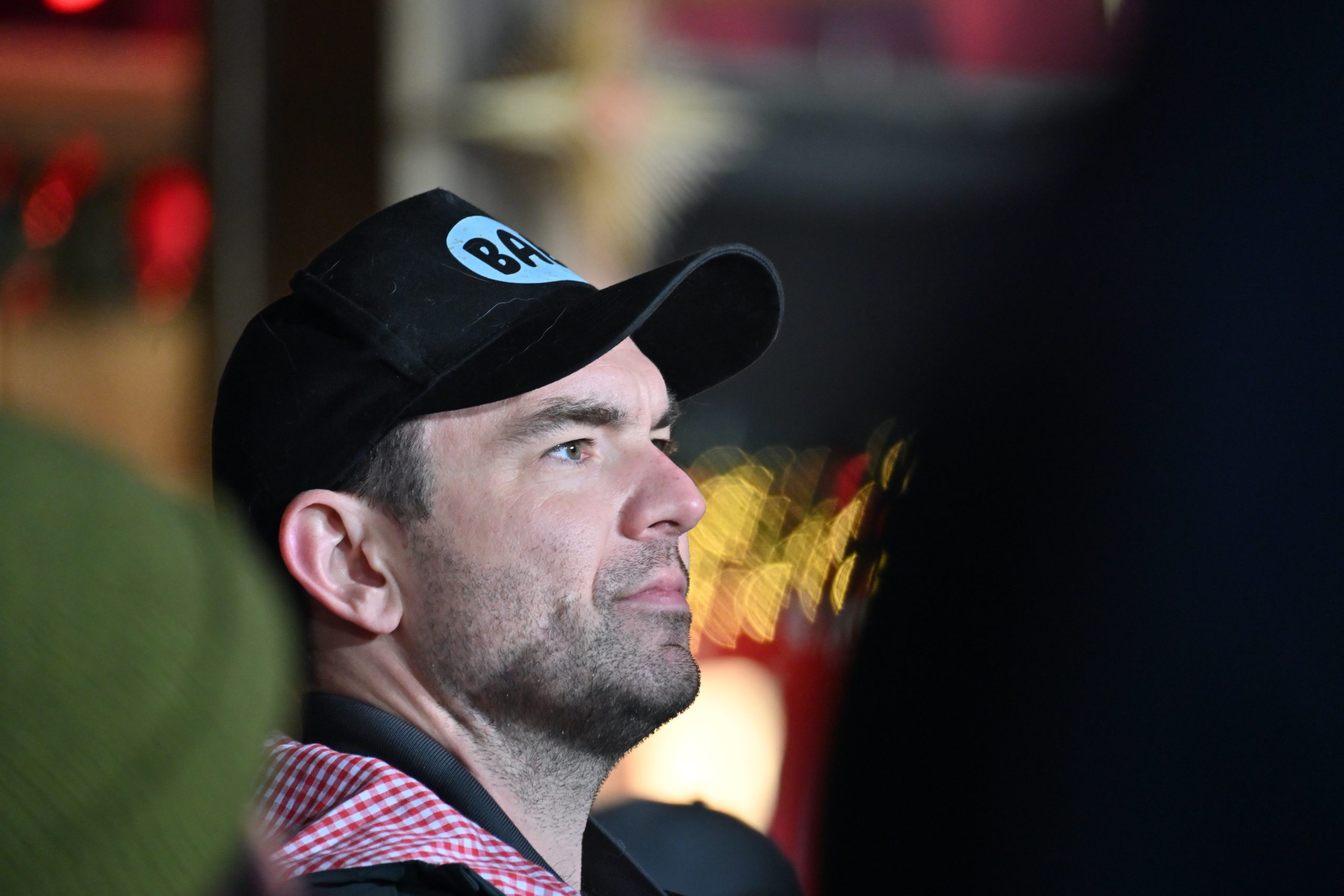
Max Clayton
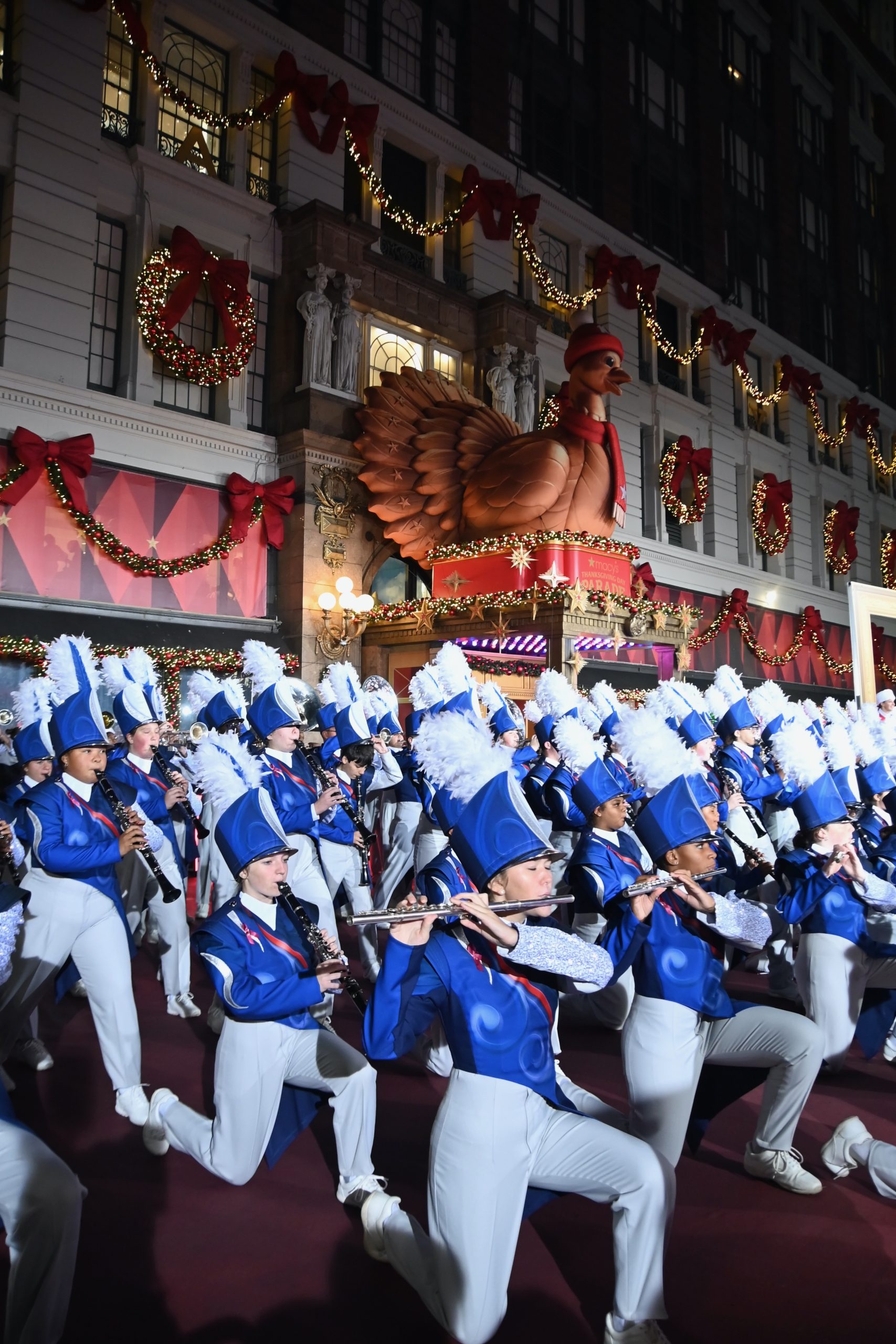
James Byrne High School Marching Band
As of this writing, no revised Broadway lineup has been announced.
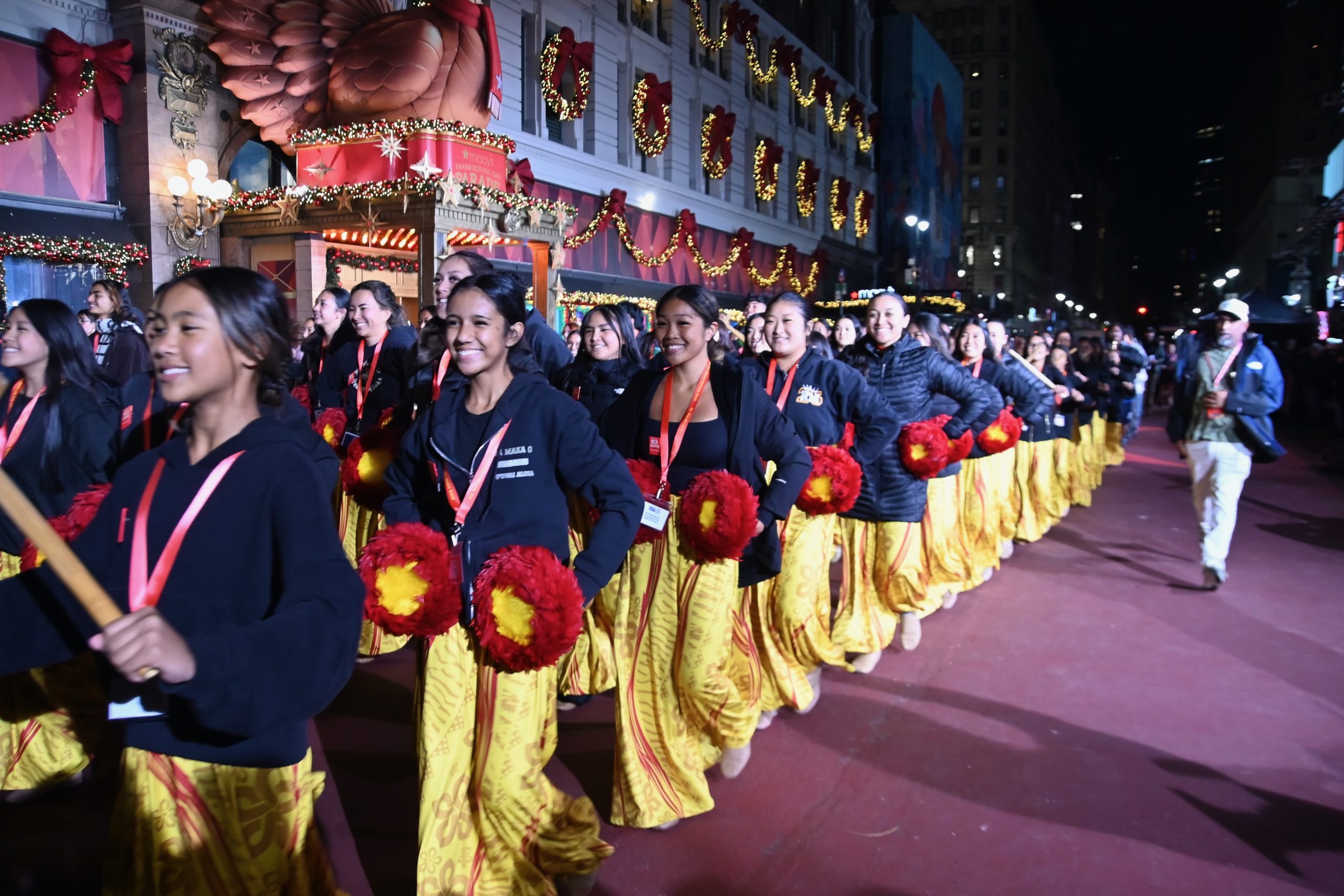
Na Koa Ali’l Hawaii All State Marching Band
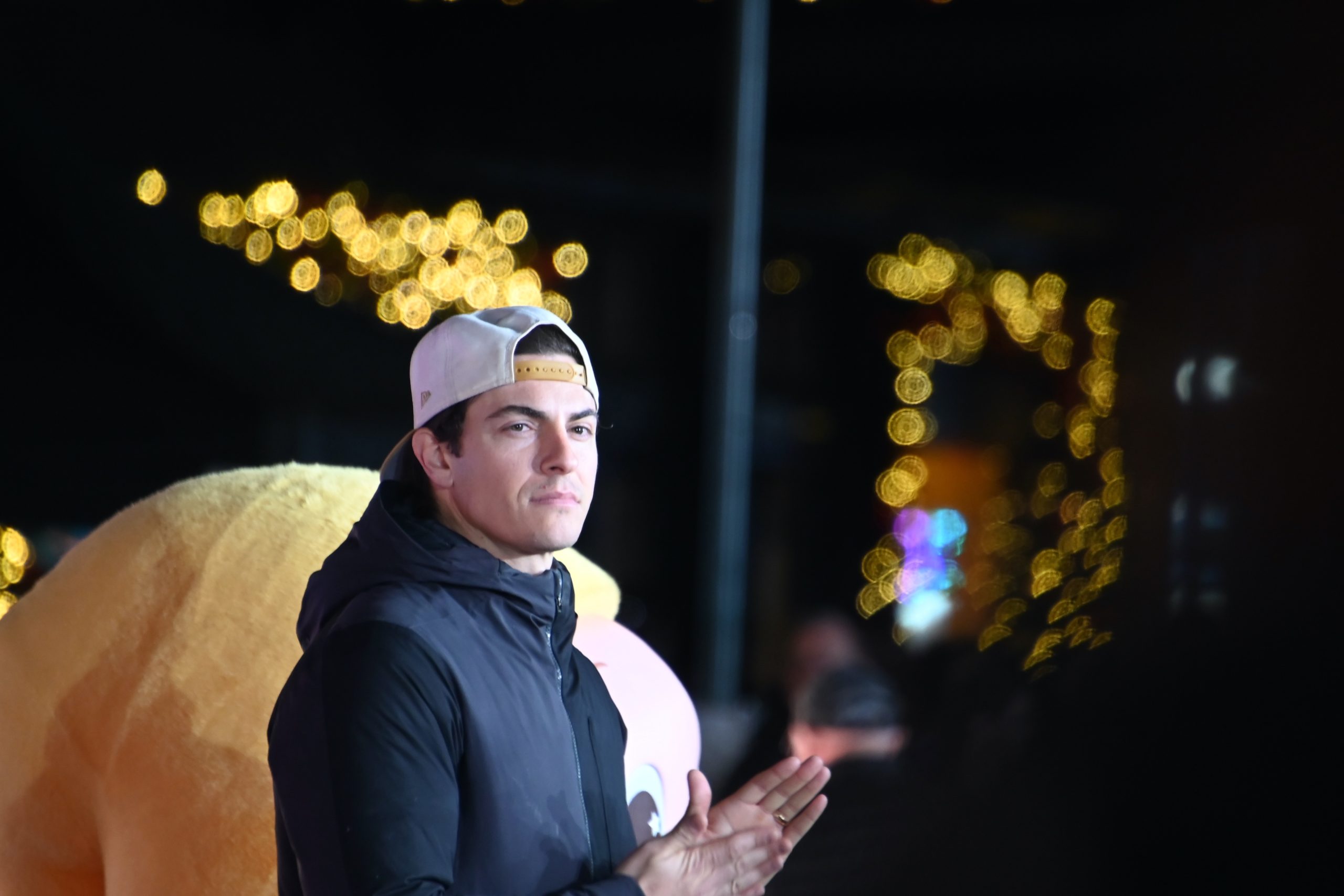
Derek Klena
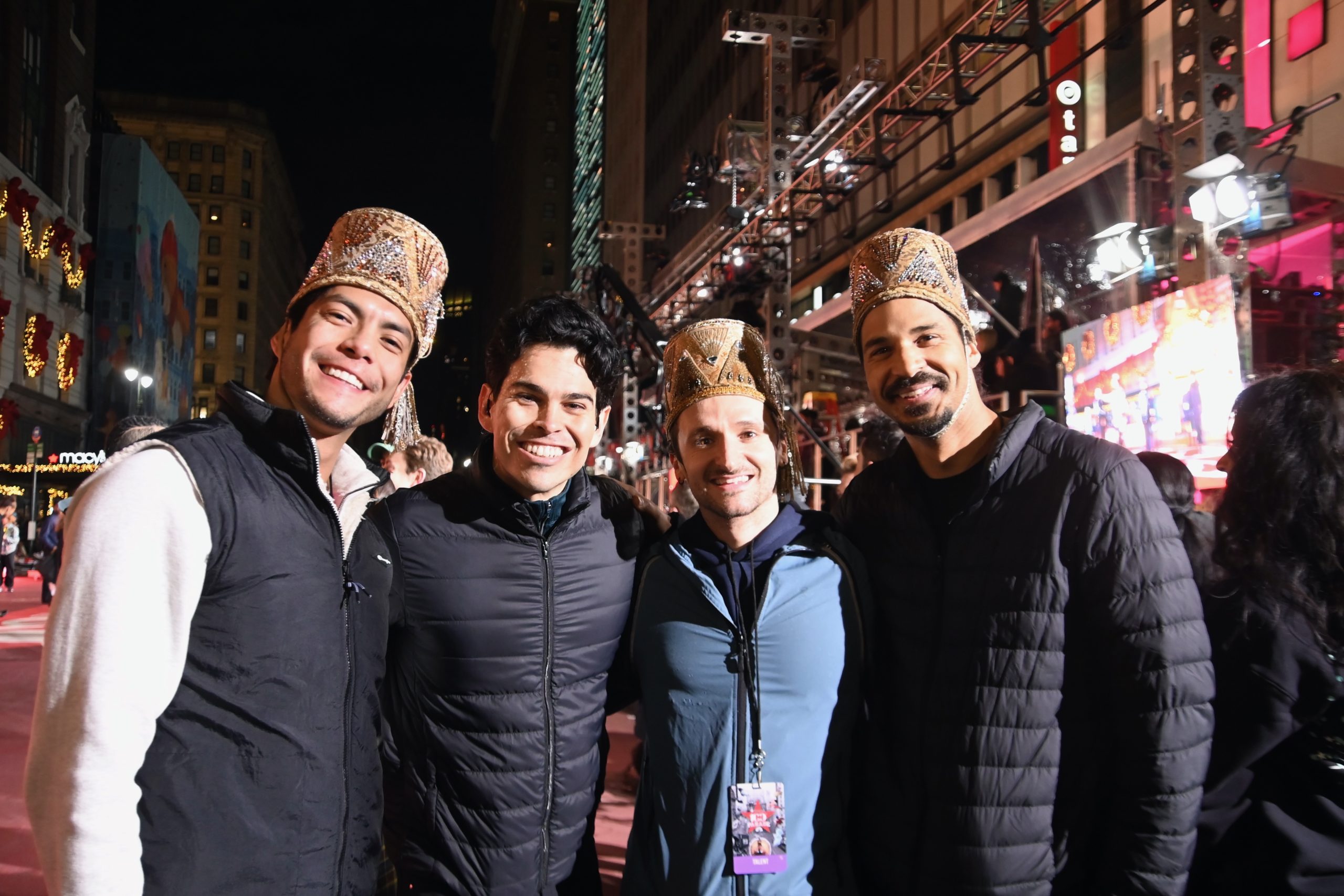
Hugo Pizano Orozco, Rodney Ingram, Michael Bullard and Jaz Sealey
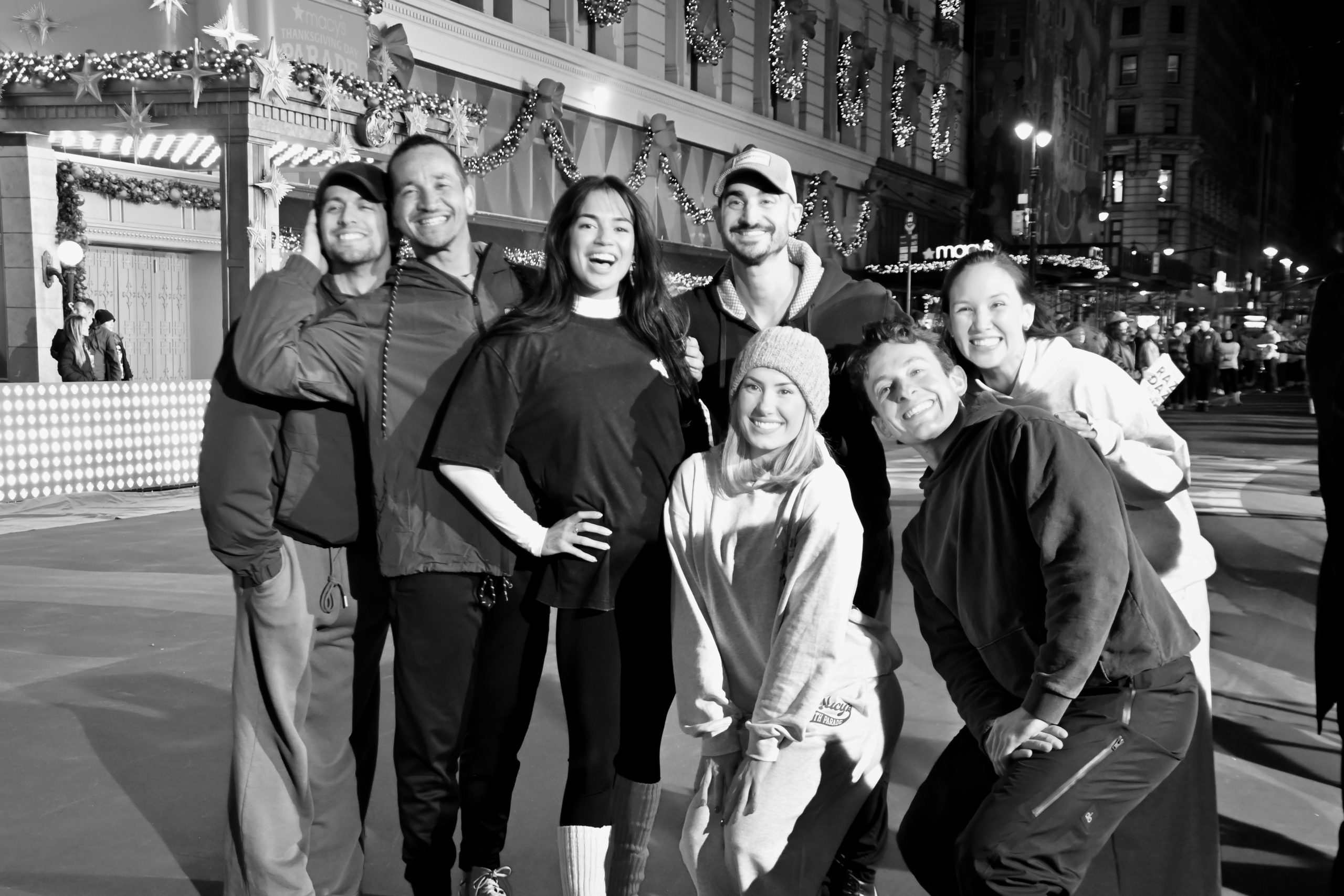
Schmigadoon Cast
There is also the considerable economic impact on a city that will now have to accommodate one of its largest annual public gatherings on the Saturday following Black Friday, when Midtown Manhattan is already inundated with holiday shoppers, tourists and theatregoers.
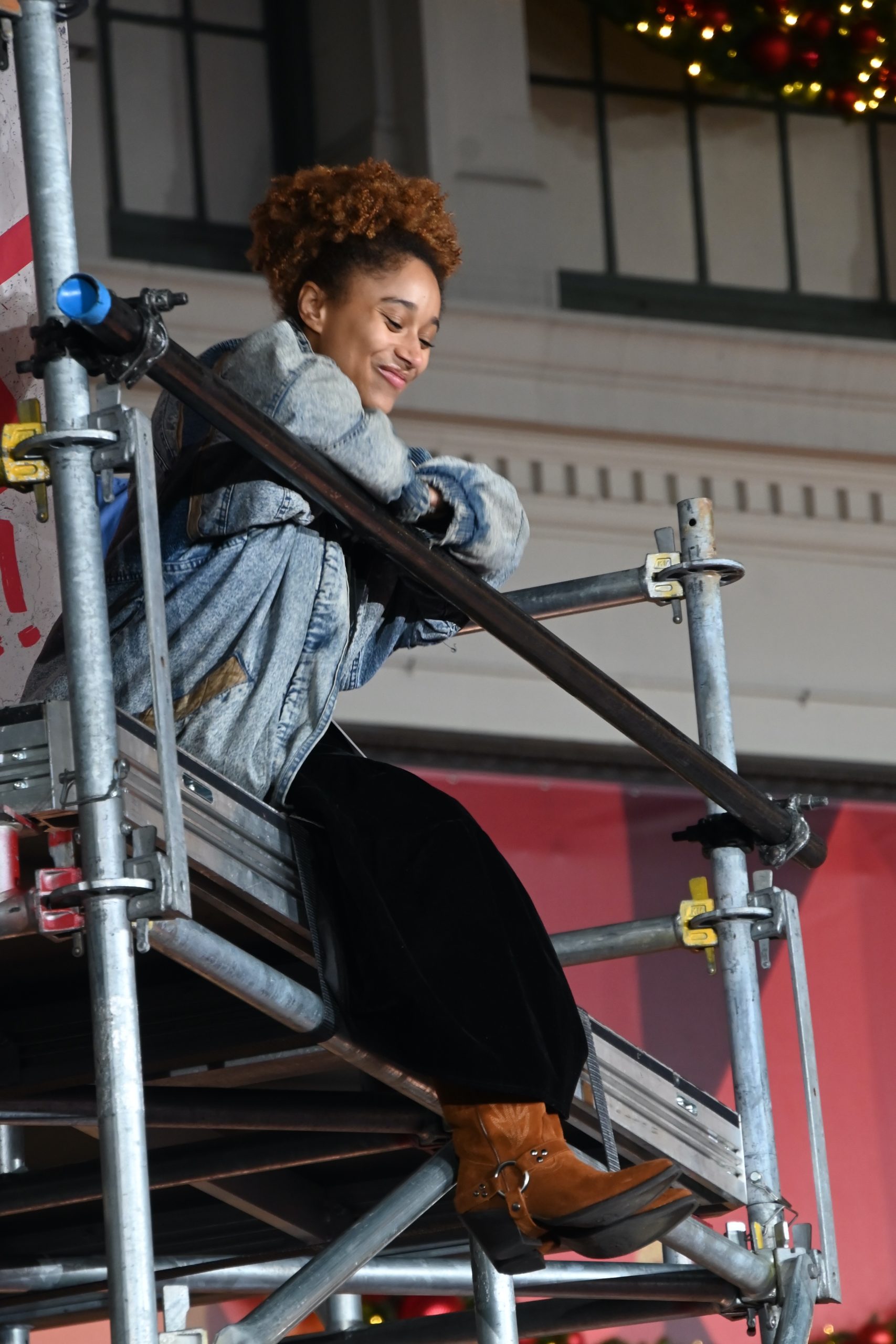
Maria Wirries
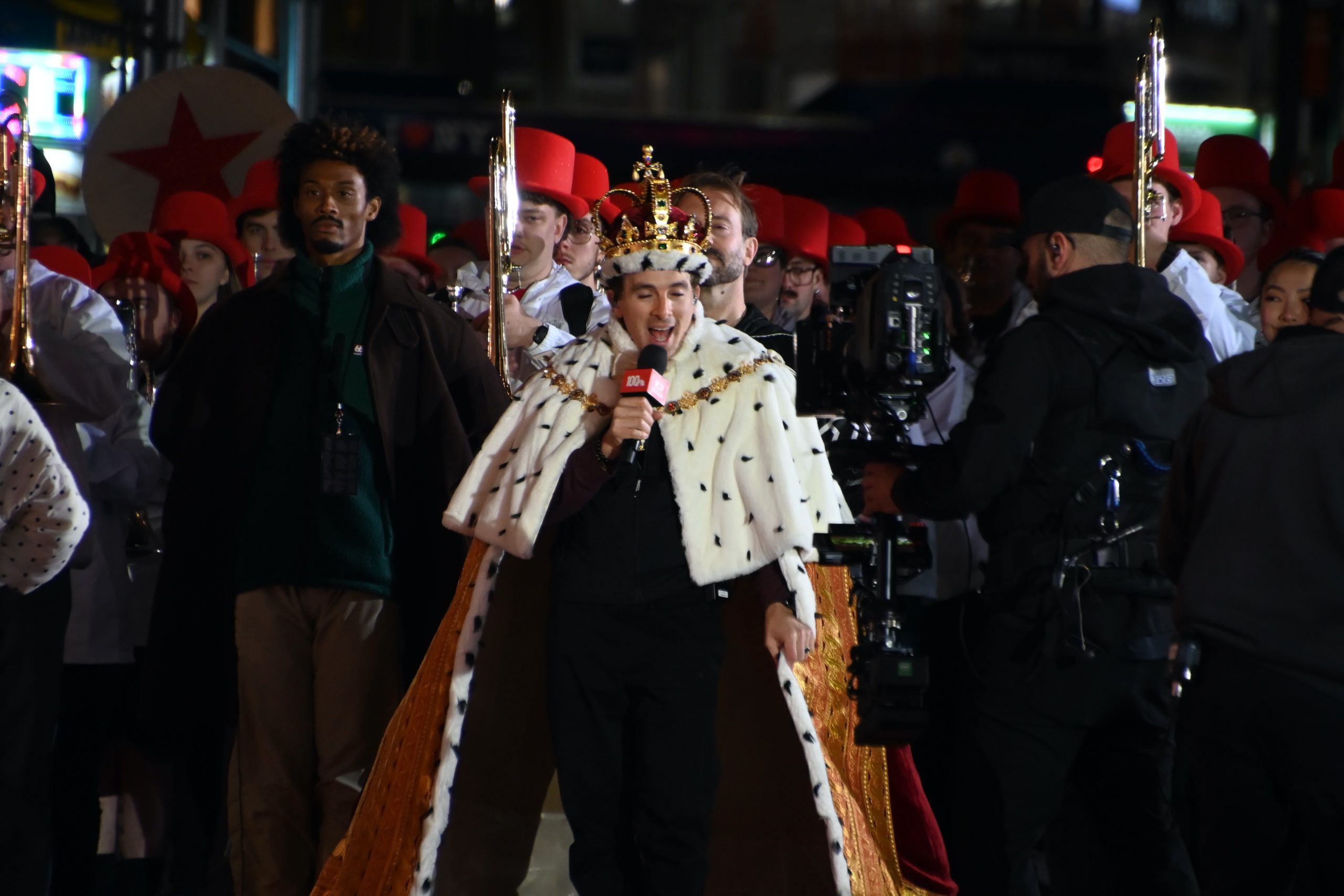
Jarrod Spector
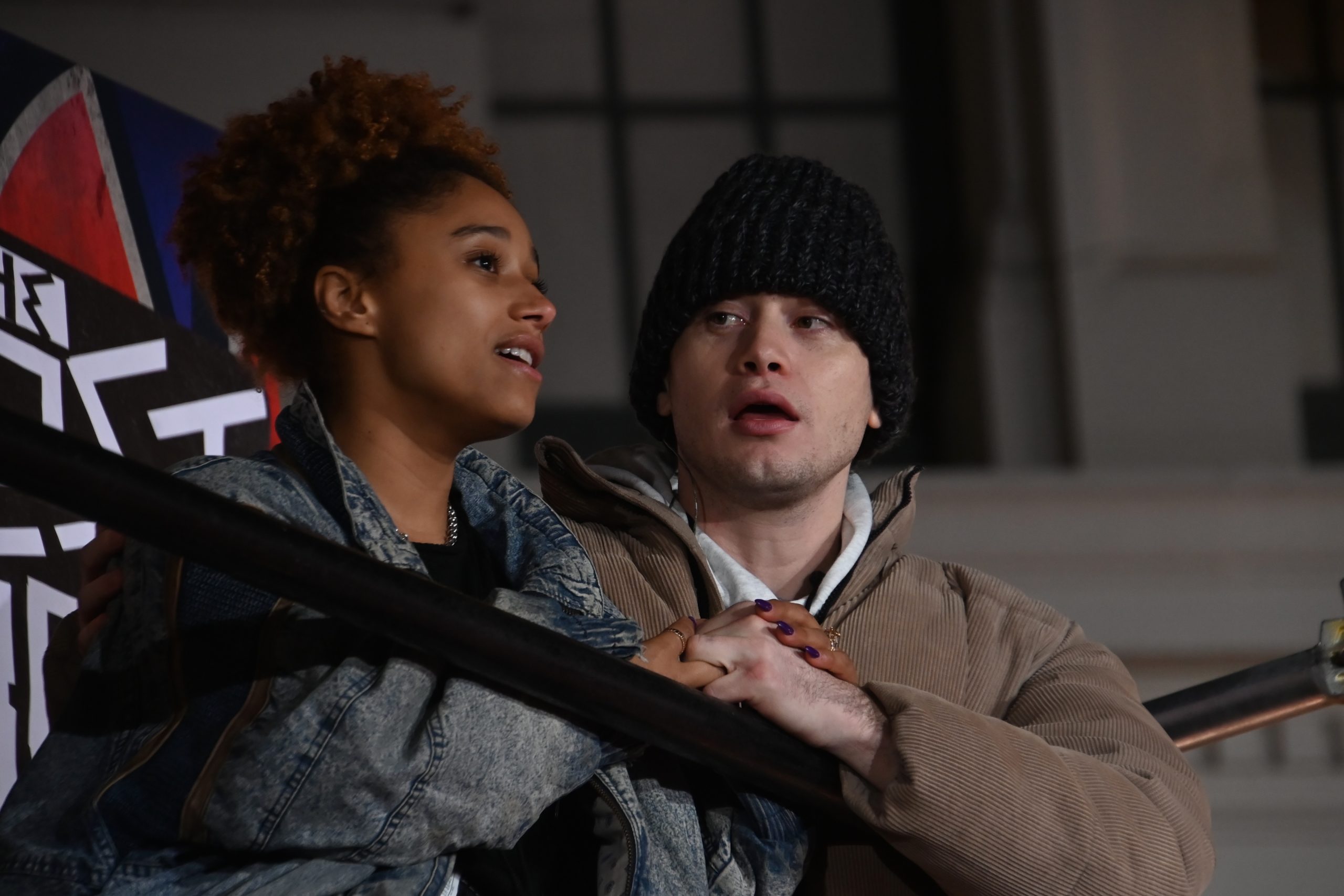
Maria Wirries and LJ Benet
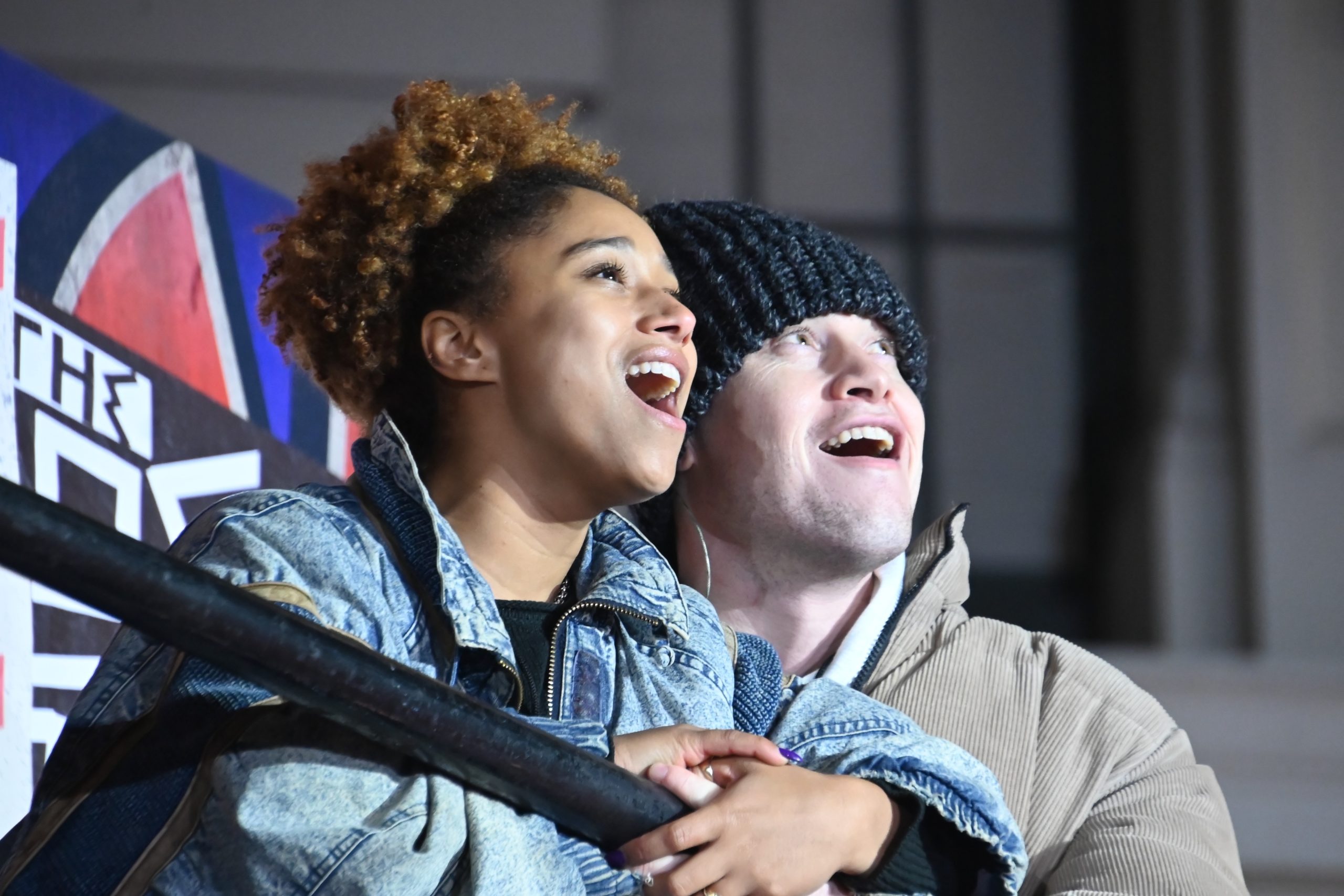
Maria Wirries and LJ Benet
Safety must unquestionably come first. The giant character balloons cannot operate safely in extreme wind conditions, and the risks to spectators and participants are far too serious to dismiss. Nevertheless, the extraordinary complexity of moving an event of this magnitude with such little notice cannot be underestimated.
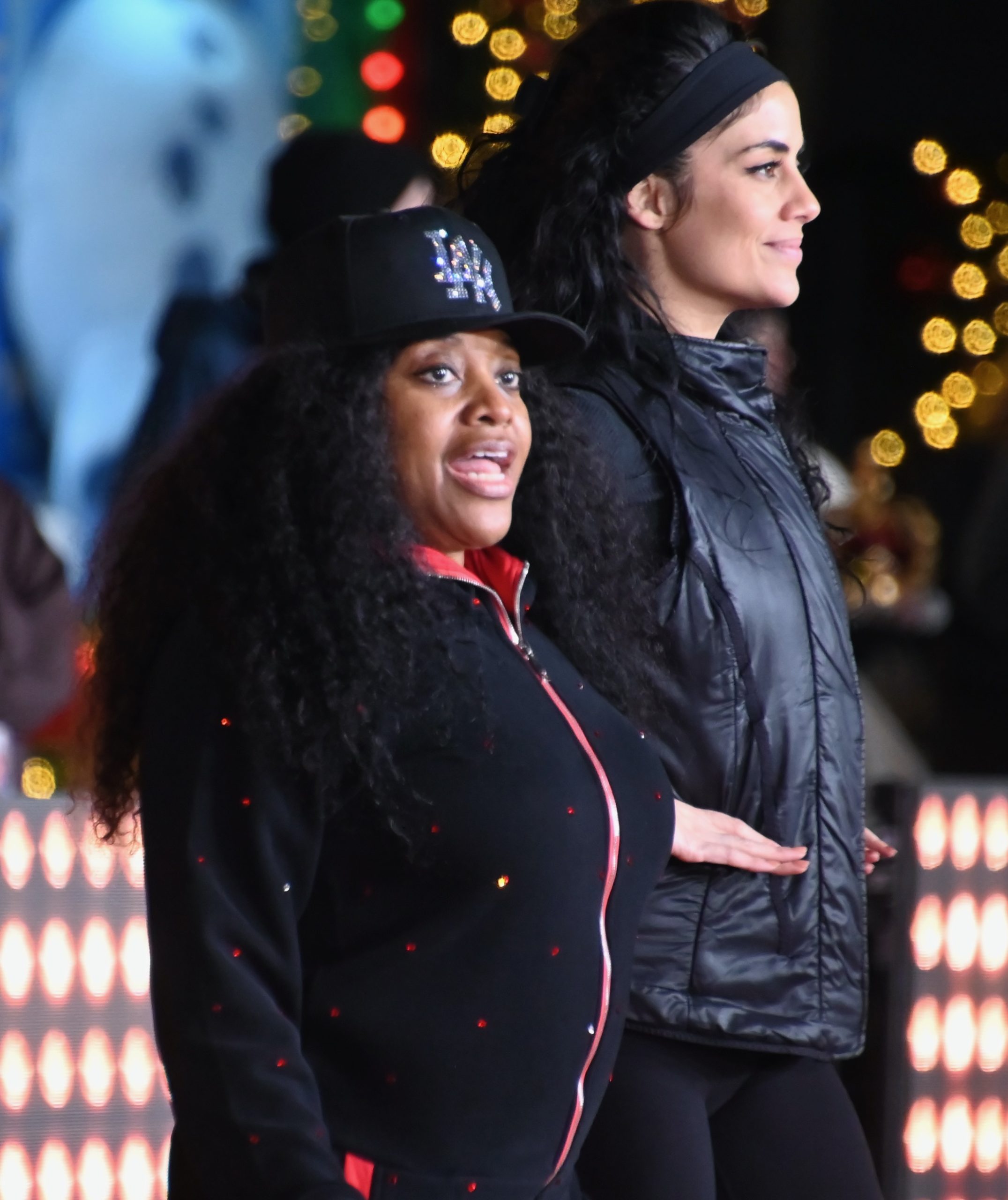
Sherri Sheperd
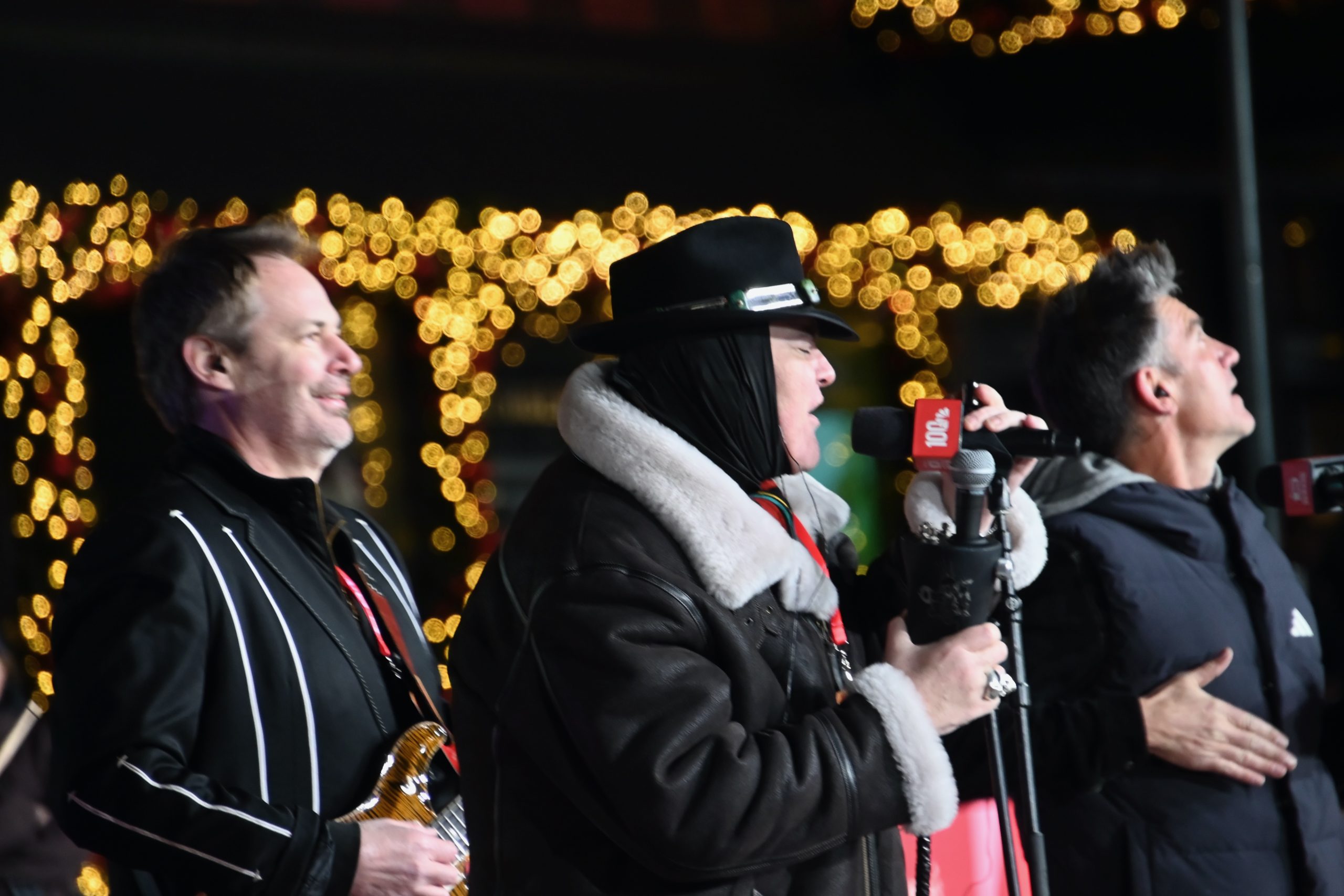

For now, Genevieve Rafter Keddy’s photographs offer a behind-the-scenes glimpse of the talent, preparation and enthusiasm that went into creating this historic celebration.
The first 100 years of the Macy’s Thanksgiving Day Parade have produced countless memorable moments. Its centennial edition is already making history, although hardly in the manner its organizers envisioned.
Broadway has long maintained that the show must go on. This Thanksgiving weekend, that adage is about to be put to an extraordinary test.

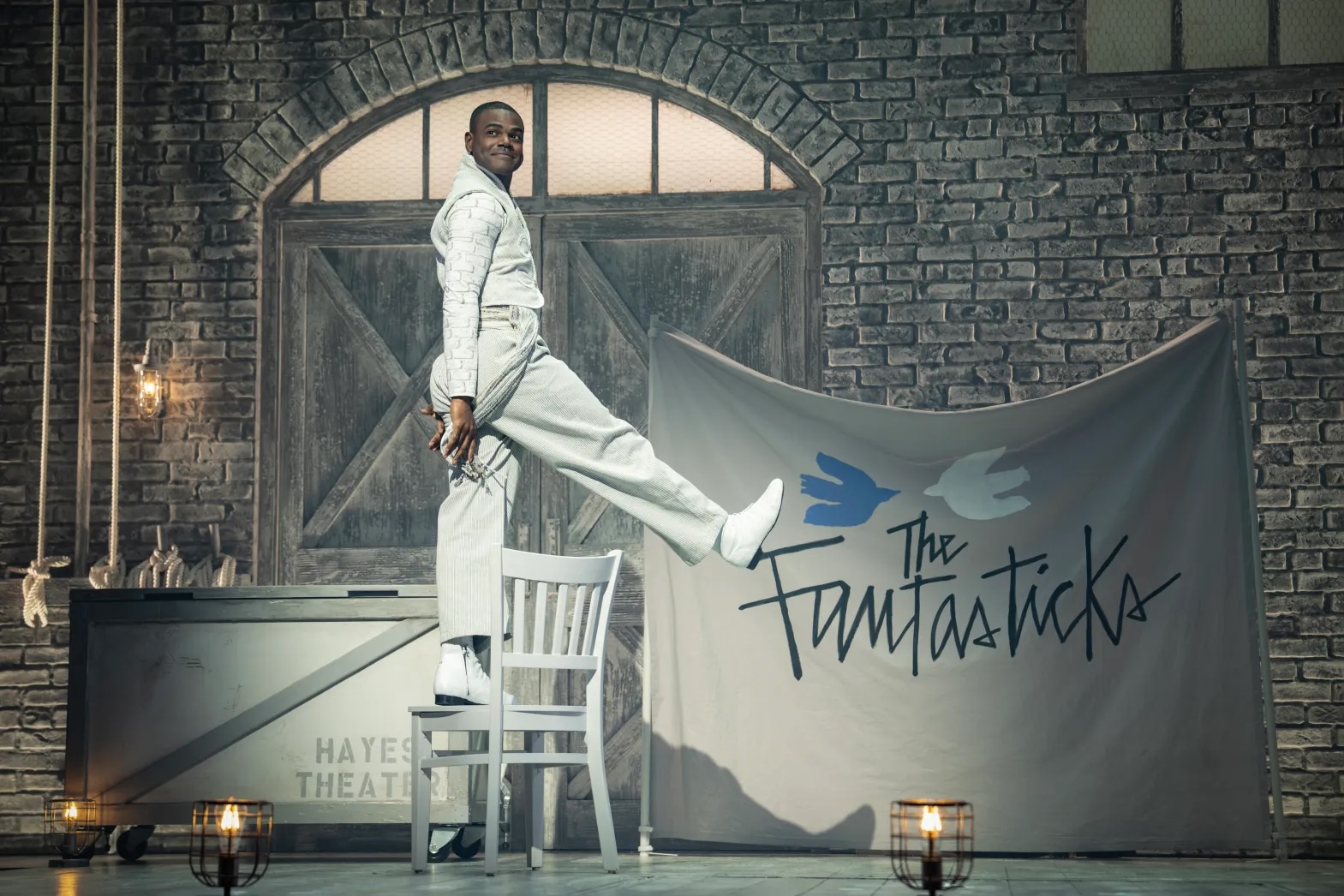
Having done Tom Jones and Harvey Schmidt’s The Fantasticks four times, I have a rather intimate relationship with this musical. Its score is extraordinarily close to my heart, and I confess I approached Second Stage Theater’s Broadway premiere with considerable trepidation. I was not convinced that a musical whose very identity was rooted in simplicity and intimacy needed reinventing. Christopher Gattelli has not only proven me wrong, but has given me an entirely new appreciation for a show I thought I knew inside and out. This production is positively magical.
When The Fantasticks opened in 1960 at the diminutive 135-seat Sullivan Street Playhouse, no one could have anticipated its extraordinary 17,162-performance run. In 2006, the musical found another home at the Jerry Orbach Theater, where it played an additional 4,390 performances. Generations of high school students, college performers and community theatre actors have discovered its charms. Its modest production requirements made it accessible, but it was the extraordinary marriage of Jones’ poetic lyrics and Schmidt’s exquisite melodies that made it immortal. Sixty-six years after its New York debut, The Fantasticks has finally arrived on Broadway at the Hayes Theater.
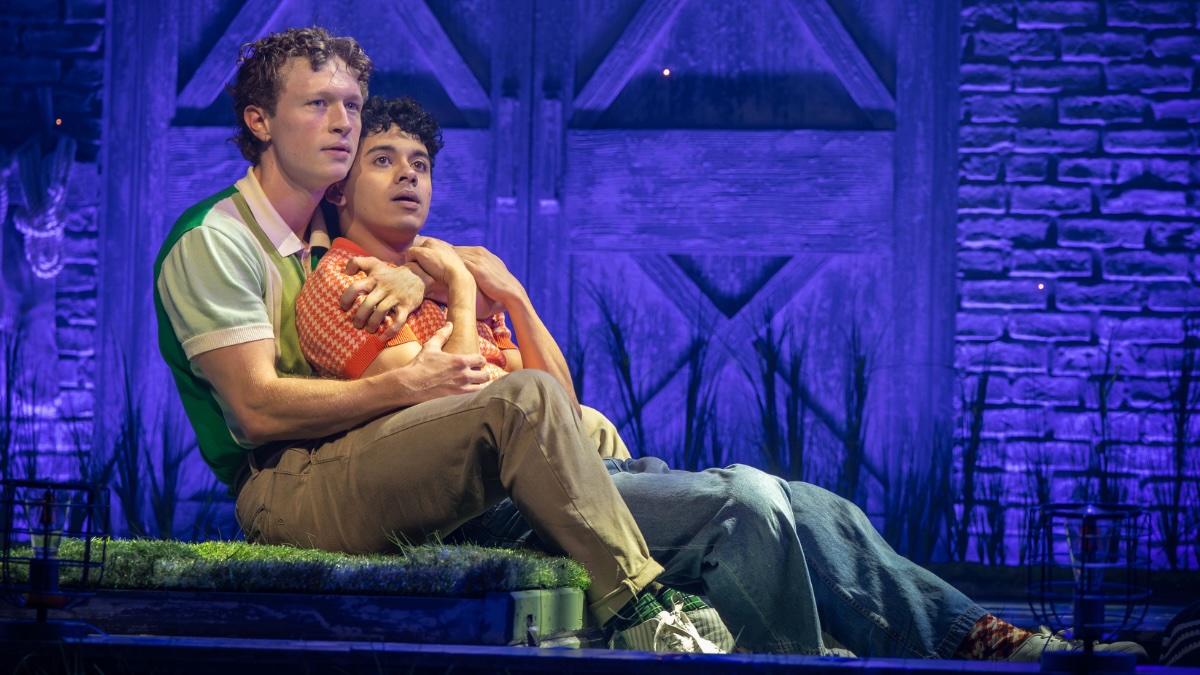
Maxim Chlumecky, Nathan Levy Photo by Joan Marcus
For this incarnation, Jones himself reconceived the musical’s central romance. Matt and Luisa have become Matt and Lewis, while their ostensibly feuding fathers have been transformed into two deliciously manipulative mothers. The premise remains intact. Two neighboring parents manufacture a feud, erect a wall between their properties and employ reverse psychology to encourage their children to fall in love. An elaborate staged abduction seals the romance, but what happens when the moonlight fades and the realities of daylight intrude is where the musical acquires its emotional depth.
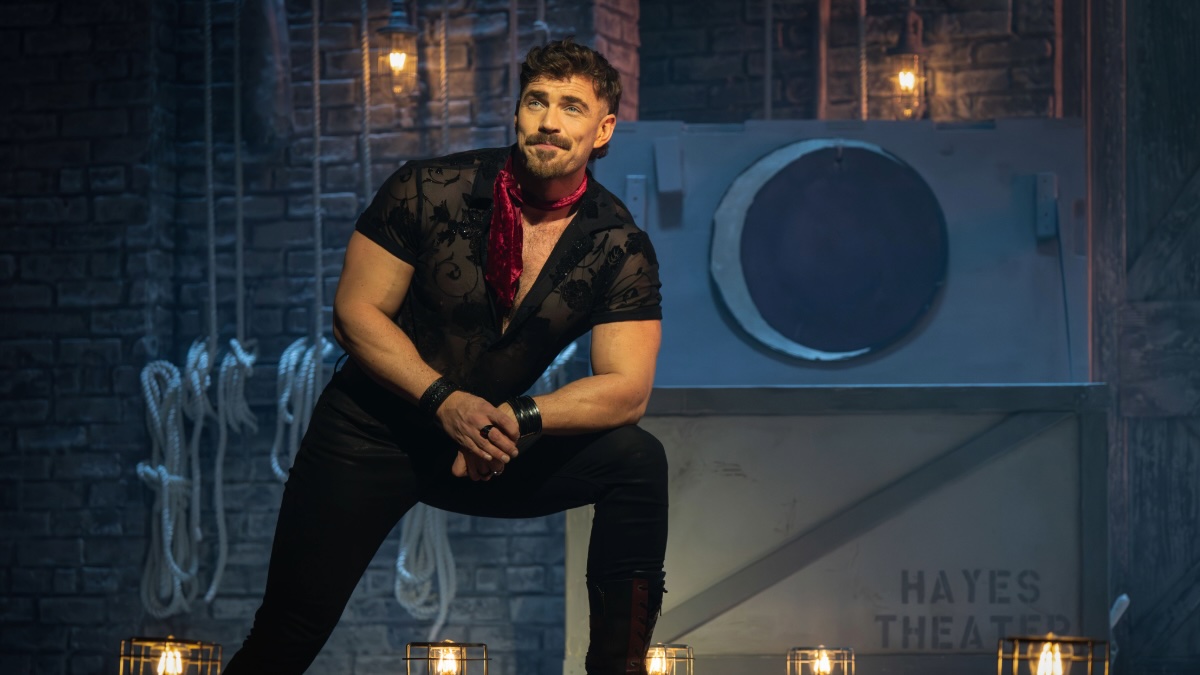
Zane Phillips Photo by Joan Marcus
What is so refreshing about this reinterpretation is that the relationship between two young men never feels imposed upon the material. The universality of first love, romantic idealism, disillusionment and ultimately reconciliation remains beautifully intact. Love is love, but this production understands that the journey from innocence to experience is considerably more complicated than that familiar declaration suggests.
Maxim Chlumecky as Matt is nothing short of brilliant. There is an endearing vulnerability to his performance, an exuberance that captures the intoxicating recklessness of youth and an emotional honesty that makes his journey particularly affecting. Nathan Levy’s Lewis is equally adorable, and together they possess the youthful charm necessary to make us invest in this improbable romance. Their delightfully giddy “Metaphor” captures the sheer absurdity of two young people discovering that ordinary language is insufficient to describe what they are feeling.
Then comes “Soon It’s Gonna Rain.” I have lived with this song for decades, performed it and heard countless interpretations, yet I will never look at it quite the same way again. Gattelli’s direction, Jason Sherwood’s scenic design and Jen Schriever’s exquisite lighting converge to create one of those rare theatrical moments when the individual elements cease to exist independently and become something transcendent. It is romantic, visually intoxicating and breathtakingly beautiful. This is what musical theatre can accomplish when music, movement, light and storytelling speak the same language.
Schmidt’s score has always possessed an extraordinary musical architecture beneath its seemingly uncomplicated melodies. Sam Davis’ lovely new orchestrations expand the musical accompaniment to eight players without sacrificing the delicacy that made the original so distinctive. Under Rick Hip-Flores’ musical direction, the score retains its intimacy while acquiring additional colors and textures. From the familiar strains of “Try to Remember” to the aching tenderness of “They Were You,” this is music that deserves to be heard and savored.
There were, however, moments when the balance between the voices and the expanded musical accompaniment needed greater attention. Whether the performers were minimally amplified or the sound design was deliberately attempting to replicate the acoustic intimacy of the original, the result was generally refreshing in an era of frequently overamplified Broadway musicals. Occasionally, however, the lyrics and vocal interplay became casualties of that approach. This was particularly apparent in “This Plum Is Too Ripe,” one of my favorite numbers in the score, where the addition of tap dancing, entertaining as it was, further obscured the vocals. Several of the duets suffered similarly. With a lyricist as clever as Tom Jones and a composer as musically inventive as Harvey Schmidt, every word and every musical counterpoint deserves to be heard.
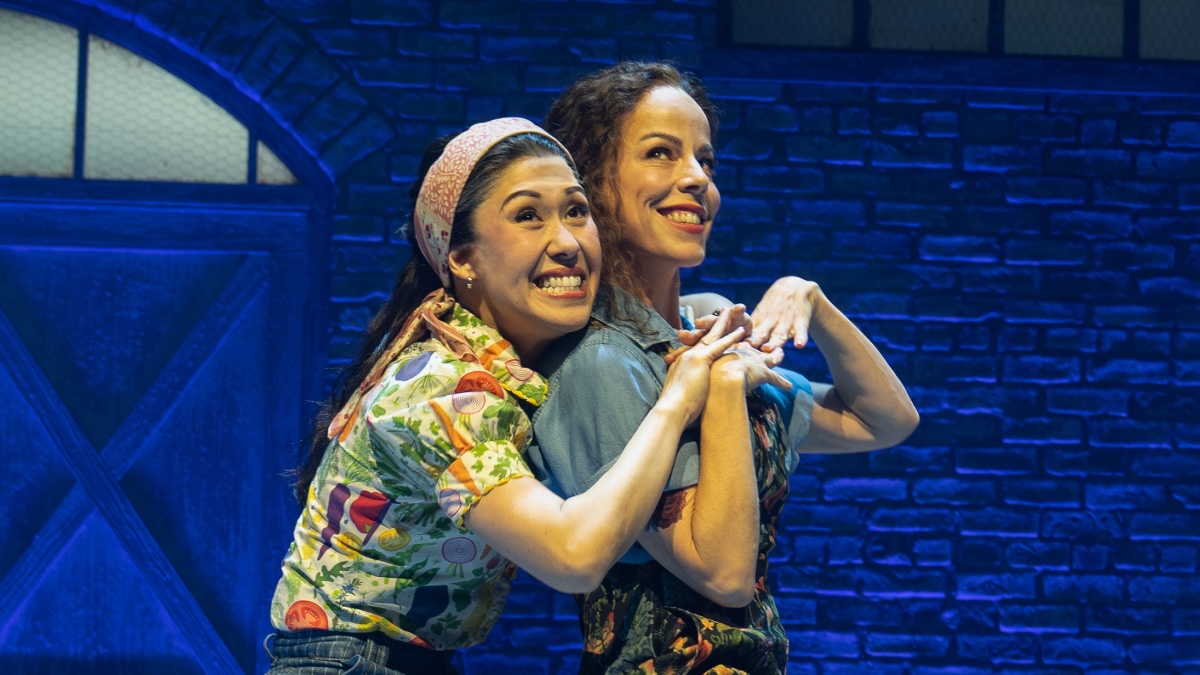
Leslie Rodriguez Kritzer, Ruthie Ann Miles Photo by Joan Marcus)
One of the greatest revelations of this production is Leslie Rodriguez Kritzer and Ruthie Ann Miles as the mothers. I have never been particularly enamored of the fathers in the original musical, nor have their musical numbers ranked among my favorites. Kritzer and Miles have completely altered that assessment. Their comic timing, musical intelligence and gloriously conspiratorial relationship nearly allow them to abscond with the entire production. “Never Say No” and “Plant a Radish” become vaudevillian gems in the hands of these two consummate performers. Who knew horticulture could be this entertaining? Jones’ deliciously inventive lyrics have found two actresses who know precisely how to exploit every comic possibility without sacrificing the musicality.
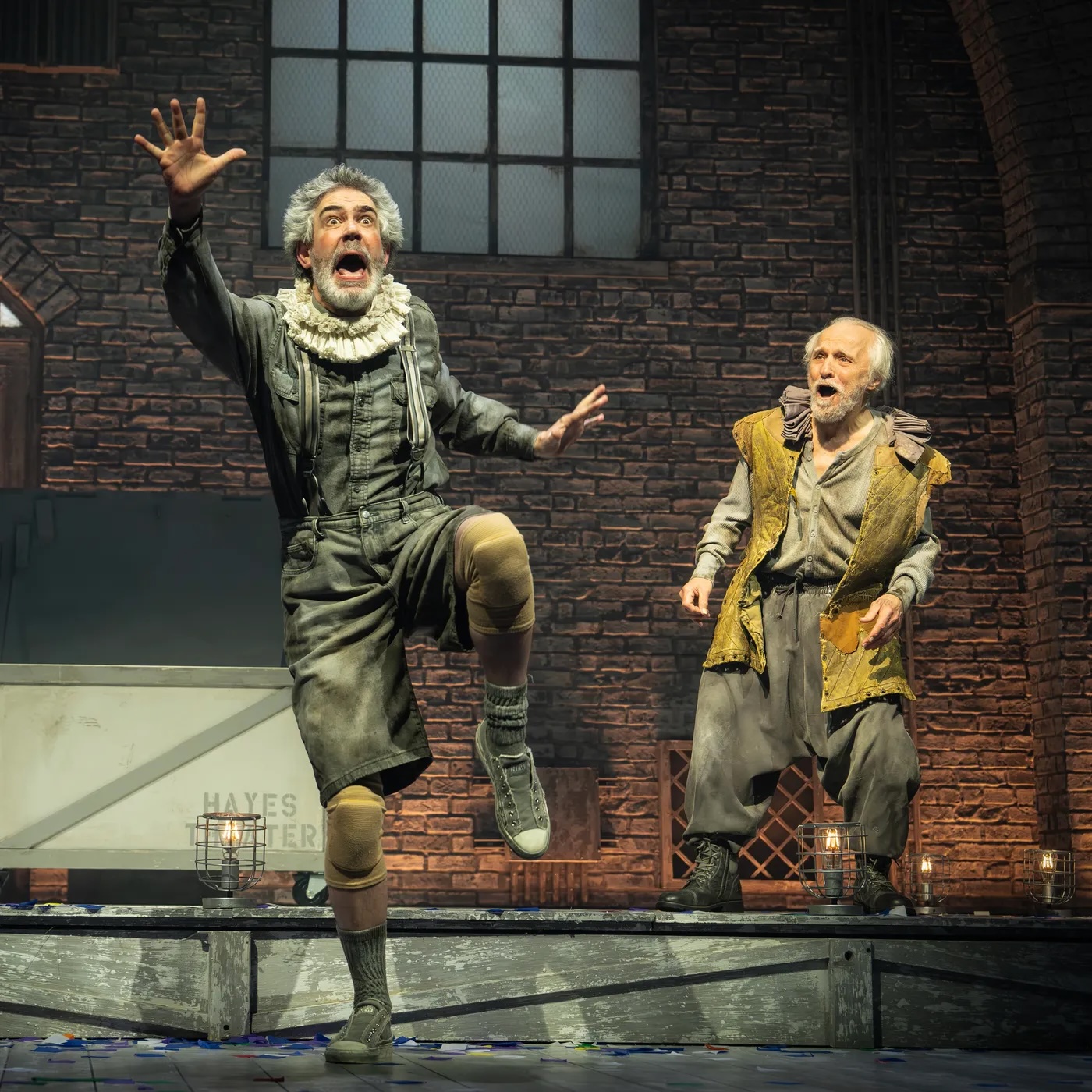
Kevin Del Aguila, David Patrick Kelly Photo: Joan Marcus
Equally delightful are David Patrick Kelly as Henry, the Old Actor, and Kevin Del Aguila as Mortimer, the Man Who Dies. Kelly is the quintessential character actor, while Del Aguila possesses the kind of comic instincts that make even the most ridiculous theatrical conceits irresistible. Together they celebrate the glorious absurdity of theatre itself.
For me, however, one of the evening’s most extraordinary performances belongs to the one character who never utters a word. Ahmad Simmons as the Mute is simply fabulous. With his expressive physicality, incandescent smile and remarkable stage presence, Simmons communicates volumes without the benefit of dialogue. His ability to command attention while remaining an integral part of the storytelling is mesmerizing. Watching him, I found myself mentally casting him as the Leading Player in Pippin. If he possesses the vocal prowess to match his extraordinary physical expressiveness, somebody needs to make that happen.
Zane Phillips, making his Broadway debut as El Gallo, initially left me less enamored. Phillips did not immediately possess the enigmatic allure I associate with this character. El Gallo requires an intriguing combination of seduction, danger, theatrical authority and worldly wisdom. Phillips gradually grew on me as the evening progressed, although his performance was the one element that did not entirely captivate me.
Gattelli’s affection for the original is evident throughout, right down to the reproduction of Harvey Schmidt’s distinctive handwritten logo. What he understands, however, is that honoring a classic does not mean preserving it under glass. Sherwood’s scenery, Schriever’s luminous transitions from moonlight to sunrise, Linda Cho’s costumes and Nevin Steinberg’s sound design create an environment in which theatrical imagination can flourish. The production expands the visual vocabulary of the musical without losing the essential simplicity of its storytelling.
Gay audiences from here to God’s half acre are going to adore this production. It is gay musical theatre heaven, unapologetically romantic, gloriously theatrical and blessed with one of the most beautiful scores in the American musical theatre canon. Its appeal, however, extends far beyond the community it so joyously embraces. Anyone who has ever fallen in love, had their illusions shattered and discovered something more meaningful on the other side will recognize themselves in this story.
After four productions and decades of loving this musical, I thought I had discovered everything The Fantasticks had to offer. Christopher Gattelli and this remarkable company have reminded me that great musical theatre, like love itself, still has the capacity to surprise us.
Try to remember? I suspect this time I will find it impossible to forget.
The Fantasticks: Second Stage Theater, Hayes Theater, 240 West 44th Street. Through February 7, 2027.
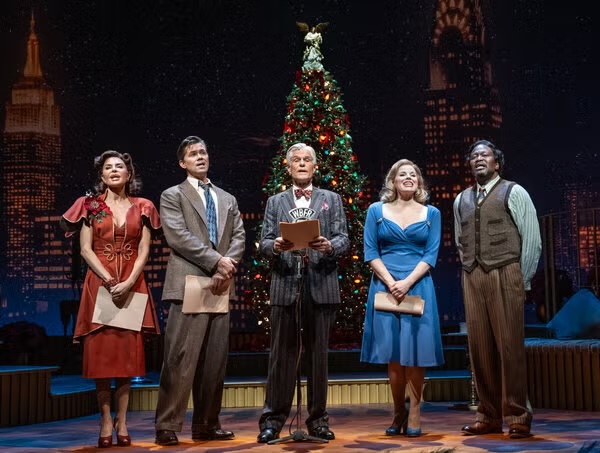
There is something wonderfully comforting about stepping into the Broadhurst Theatre this holiday season. Before a single line of dialogue is spoken, It’s a Wonderful Life: A Live Radio Play transports us to a time when Christmas seemed a little less commercial, a little more intimate and infinitely more magical. Frank Capra’s beloved 1946 film, adapted for the stage by Joe Landry and directed by the incomparable Jerry Zaks, reminds us that sometimes the greatest gifts are the ones we fail to recognize.
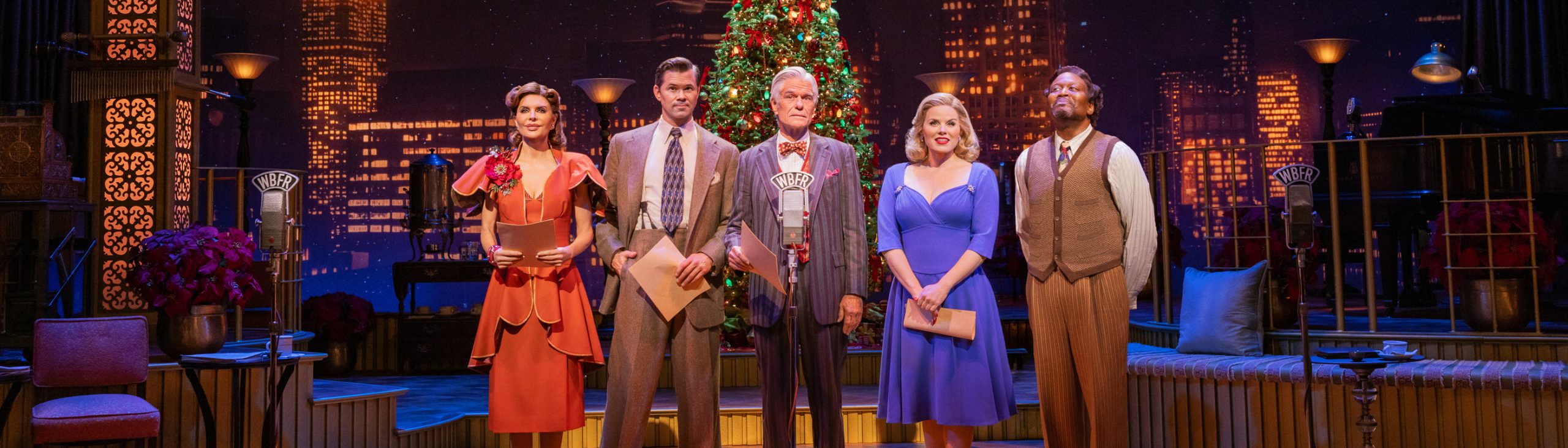
Lisa Rinna, Andrew Rannells, Harry Hamlin, Megan Hilty, Tituss Burgess, Photo by Matthew Murphy and Evan Zimmerman
They have hauled out the holly, and thanks to the artistry of scenic and costume designer Santo Loquasto, a 1940s Manhattan radio broadcast comes enchantingly to life. Period costumes, festive decorations, beautifully rendered holiday carols under the musical direction of Andy Einhorn
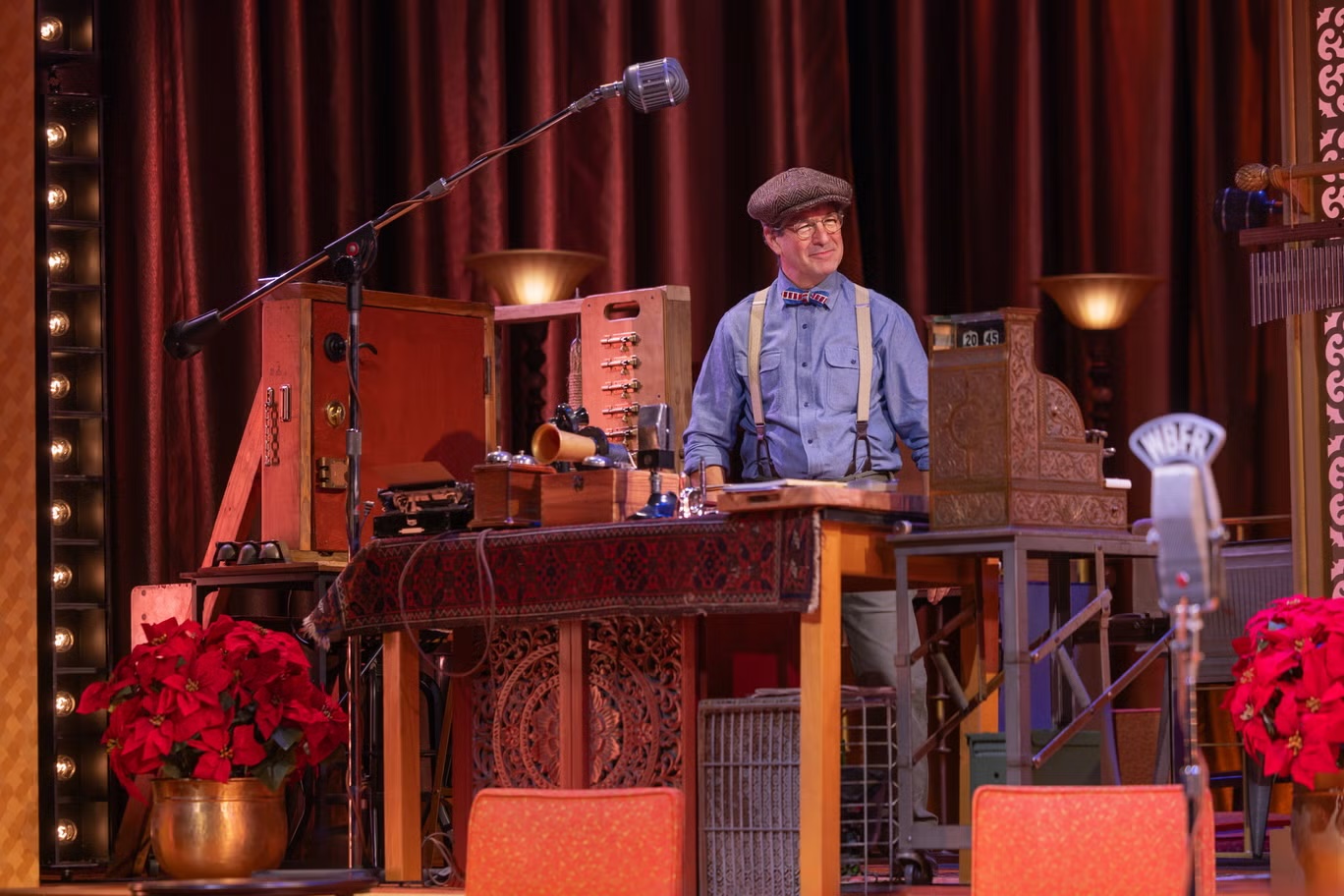
Leslie Bloom Photo by Matthew Murphy and Evan Zimmerman
and the ingenious live sound effects of Leslie Bloom create an atmosphere steeped in nostalgia. Watching the mechanics of radio storytelling unfold is a delight in itself, reminding us how much imagination can accomplish without the elaborate technology upon which contemporary entertainment has become so dependent.
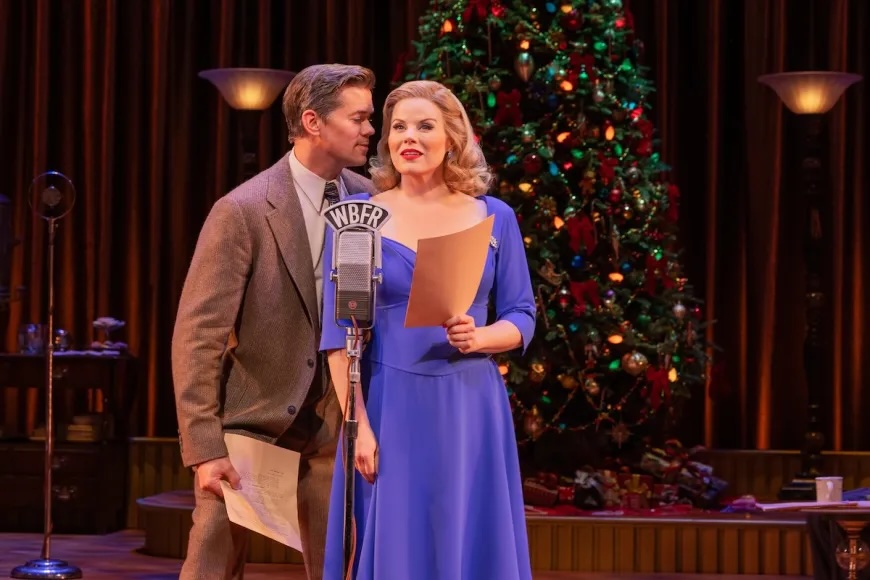
Andrew Rannells, Megan Hilty, Photo by Matthew Murphy and Evan Zimmerman
For those unfamiliar with the story, George Bailey is a man whose dreams of escaping the small town of Bedford Falls are continually sacrificed for the welfare of others. When financial disaster threatens everything he has built, George questions the value of his own existence. Enter Clarence, an Angel Second Class who must demonstrate to George what the world would have been like had he never been born, in the process earning his long-awaited wings.
Zaks has assembled a star-studded cast featuring Andrew Rannells as George Bailey, Megan Hilty as Mary Hatch, Tituss Burgess as Clarence and others, Harry Hamlin as Freddy Fillmore, Mr. Potter and assorted characters, and Lisa Rinna as Lana Sherwood, Violet and a delightful assortment of Bedford Falls residents.
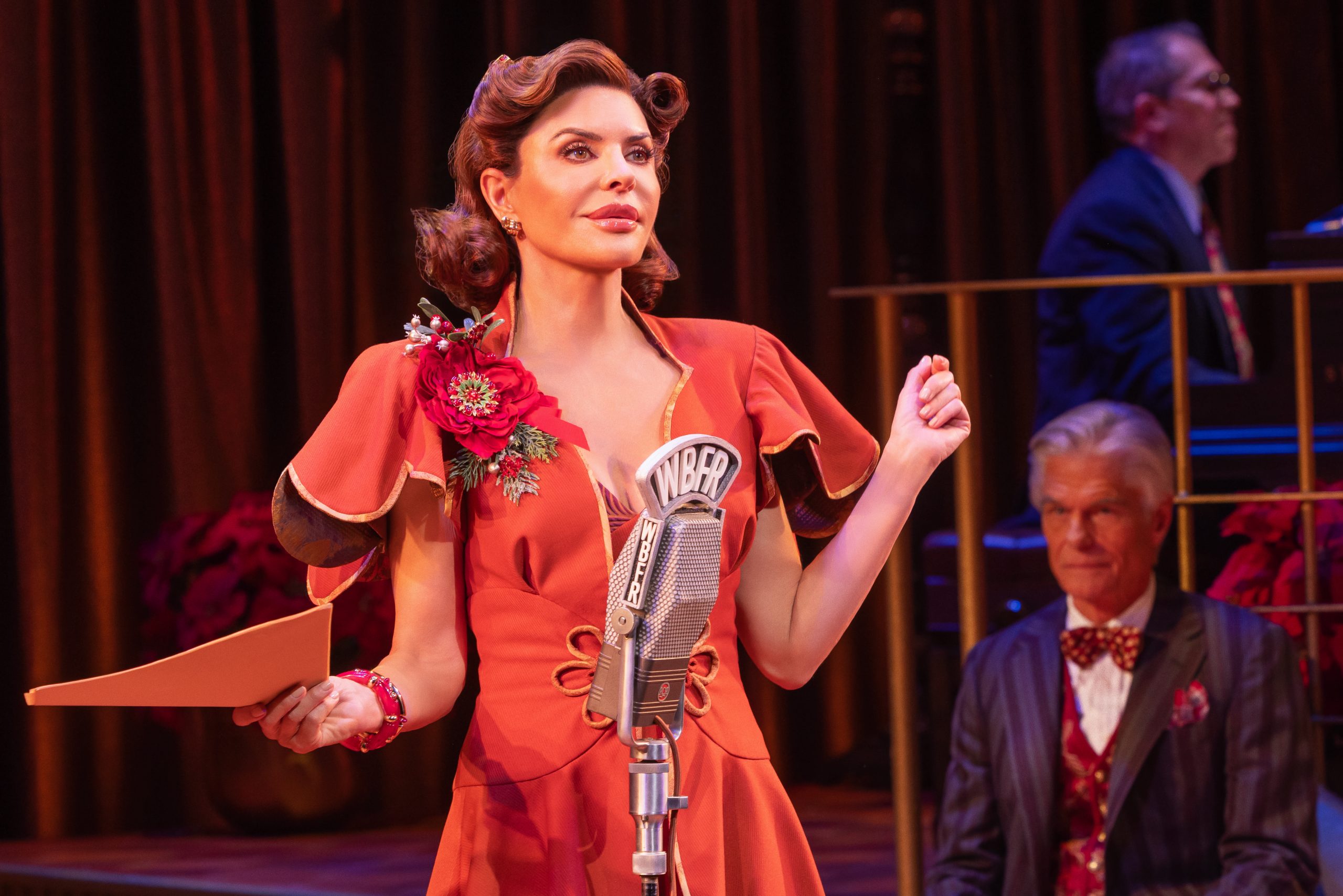
Lisa Rinna Photo by Matthew Murphy and Evan Zimmerman
The evening’s unexpected revelation is Rinna, who practically walks away with the broadcast. From the flirtatious, boy-crazy Violet to the utterly adorable little Zuzu, Rinna demonstrates an impressive facility for vocal characterization. Men, women and children emerge with distinct personalities, rhythms and inflections, each instantly recognizable. There is an infectious relish in her performance and an understanding that radio acting requires far more than simply changing the pitch of one’s voice. She is everything one could wish for in a voice actor.
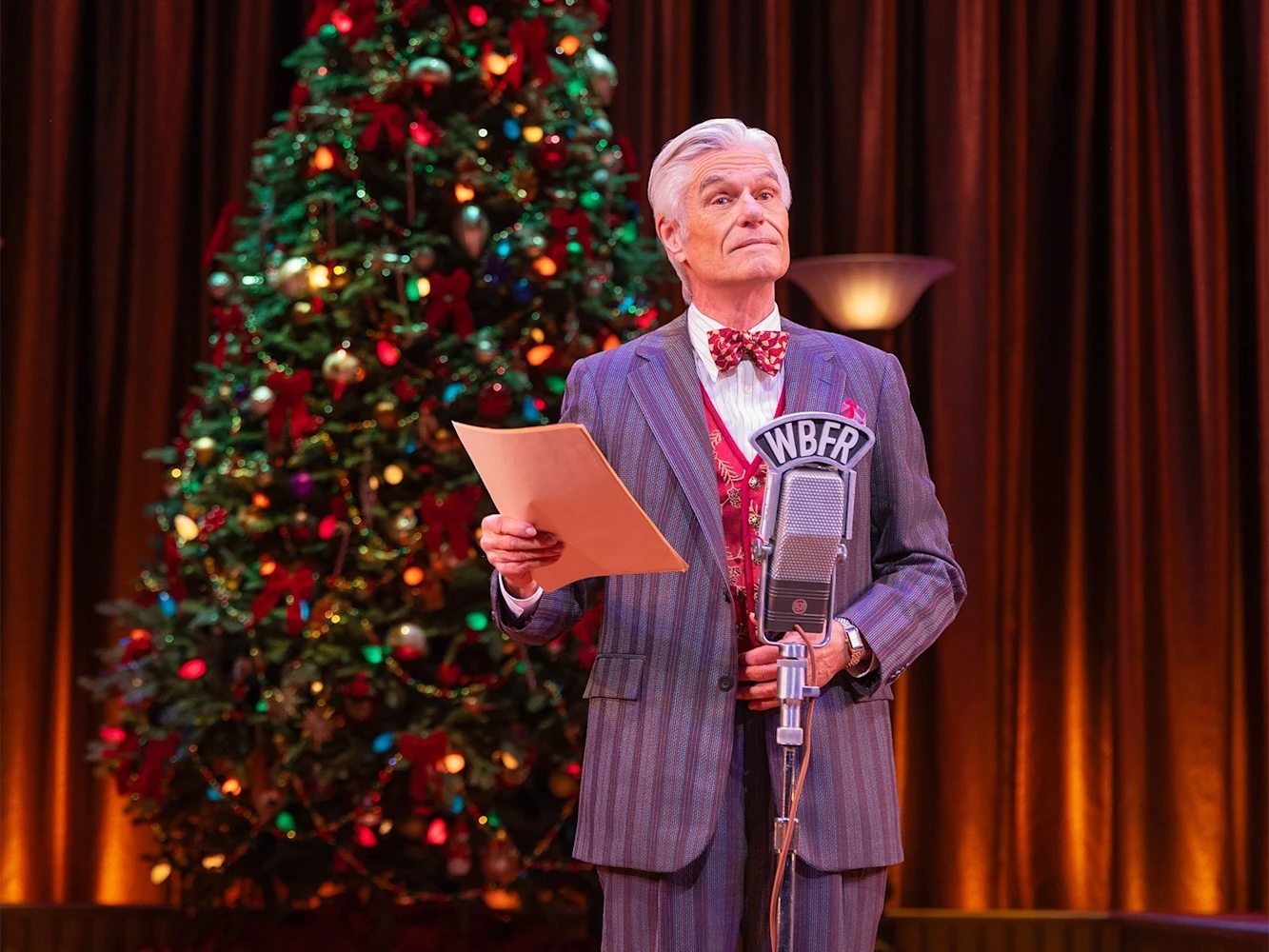
Harry Hamlin Photo by Matthew Murphy and Evan Zimmerman
Her real-life husband, Harry Hamlin, is considerably less adept at navigating multiple characters. Where Rinna creates an entire population through vocal dexterity, Hamlin lacks the differentiation necessary to make his various personalities equally convincing.
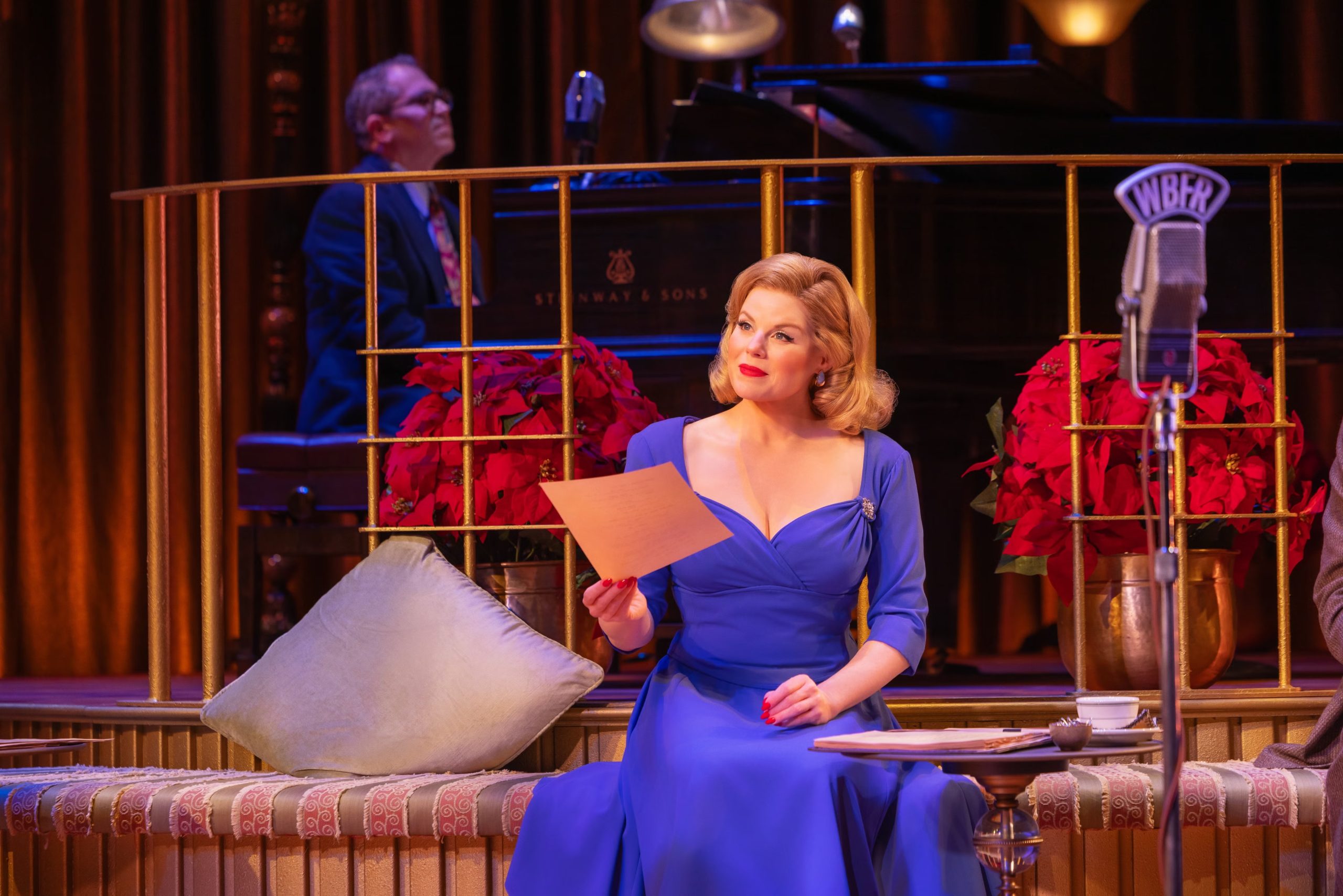
Megan Hilty Photo by Matthew Murphy and Evan Zimmerman
Rannells effectively captures George’s mounting desperation, eliciting sympathy as a lifetime of deferred dreams and self-sacrifice threatens to overwhelm him. Hilty, an actress and vocalist of considerable gifts, is frustratingly underutilized. Mary is something of a thankless role in this adaptation, leaving one wishing the material afforded Hilty more opportunities to exercise her considerable talents.
Burgess brings his considerable comic instincts to Clarence, although I missed the endearing haplessness of an Angel Second Class who has spent more than two centuries trying to earn his wings. There is an innocence and bewilderment inherent in Clarence that makes his eventual triumph particularly touching. Burgess is entertaining, but that essential vulnerability is less apparent.
Despite these reservations, the production accomplishes precisely what it sets out to do. It made me cry, and it put me in the Christmas spirit. There is something particularly poignant about revisiting a story that measures the worth of a life not by wealth, celebrity or professional achievement, but by the lives that existence has touched. In an increasingly transactional world, George Bailey’s discovery feels more relevant than ever.
Jerry Zaks understands the emotional architecture of this enduring story, allowing its sentiment to emerge without overwhelming it. The beauty of the radio-play format is that it invites us to participate in the storytelling, supplying through our own imaginations what the microphones, voices and sound effects suggest.
For all its nostalgia, It’s a Wonderful Life offers a decidedly contemporary reminder that kindness has consequences, generosity leaves an imprint and the significance of our lives cannot always be measured by what we can see.
Besides, in a world that seems increasingly determined to extinguish our sense of wonder, couldn’t we all use a little Christmas?
It’s a Wonderful Life: A Live Radio Play: Broadhurst Theatre, 235 West 44th Street. Opened November 23, 2026, and runs through January 3, 2027.

Desire has never been particularly interested in good judgment, and when the Greek gods intervene, the consequences are rarely civilized. Manhattan Theatre Club is assembling a formidable trio of actors for one of the more intriguing theatrical offerings of 2027, as two-time Obie Award winner April Matthis and the distinguished Campbell Scott join Academy Award winner Julianne Moore in the world premiere of Sarah Ruhl’s Faydra, directed by Tony Award nominee Les Waters.
 Performances begin February 2, 2027, with an official opening on February 25 at New York City Center Stage I. The production brings together artists whose collective theatrical pedigree promises something considerably more provocative than a conventional retelling of Greek mythology.
In Ruhl’s reimagining of the ancient myth of Phaedra, Aphrodite unleashes an arrow of love with devastating precision. Its recipient, Faydra (Moore), finds herself consumed by desire for the one man she should not want: her soon-to-be stepson. Matthis takes on the role of Oenone, Faydra’s confidante, while Scott portrays Theseus. Casting for the pivotal role of Hippolytus remains to be announced.
In the hands of Ruhl, a playwright whose work navigates the delicate territory between the metaphysical and the intimately human, this centuries-old tragedy becomes an examination of the collision between reason and desire, morality and appetite, female autonomy and the consequences of refusing to suppress one’s longing. The Greeks understood that desire could dismantle kingdoms. Ruhl brings that dangerous proposition into a contemporary conversation.
Moore, whose cinematic career has been distinguished by an extraordinary ability to illuminate the complexities of women living beneath the weight of expectation, seems particularly well suited to the material. From Far from Heaven, The Hours and The End of the Affair to her Oscar-winning performance in Still Alice and her unsettling turn in May December, Moore has made an art of revealing the emotional architecture beneath a character’s carefully constructed exterior. Her return to the New York stage is an event in itself.
Matthis, one of the most compelling actresses working in the American theatre, brings considerable intellectual and emotional precision to the proceedings. Her Broadway appearances in Amy Herzog’s Mary Jane and August Wilson’s The Piano Lesson, alongside her extraordinary title performance in Toni Stone and work in the Pulitzer Prize-winning plays Primary Trust and Fairview, have established her as an artist of exceptional versatility.
Scott, equally accomplished onstage and onscreen, brings a formidable classical and contemporary theatrical sensibility to Theseus. His Broadway credits include Long Day’s Journey Into Night, The Real Thing, Noises Off and A Christmas Carol, while his Drama Desk-nominated solo performance in The Atheist demonstrated his command of psychologically intricate material. His film work includes Longtime Companion, Roger Dodger and the exquisite Big Night, which he also co-directed.
Equally enticing is the reunion of Ruhl and Waters, whose artistic partnership has yielded such distinctive theatrical experiences as Eurydice, For Peter Pan on Her 70th Birthday and the Tony Award-nominated In the Next Room (or the vibrator play). The production also reunites Waters with Moore, more than three decades after their collaboration on Caryl Churchill’s Ice Cream with Hot Fudge at the Public Theater in 1990.
There is something particularly timely about revisiting a myth that has fascinated dramatists from Euripides and Seneca to Racine. What happens when desire refuses to obey the social order? Who bears responsibility when longing becomes destructive? Is acknowledging desire an act of liberation, or does freedom reside in determining what we do with it? These are questions the ancient Greeks understood all too well, and contemporary society has hardly resolved.
With Ruhl’s singular imagination, Waters’ theatrical intelligence and three actors of this caliber, Faydra already ranks among the most anticipated Off-Broadway premieres of the coming year.
Presented by Manhattan Theatre Club, under Artistic Director Nicki Hunter and Executive Director Chris Jennings, in association with No Guarantees Productions, Faydra will play a strictly limited engagement at New York City Center Stage I, 131 West 55th Street.
Tickets are currently available exclusively to MTC subscribers and patrons. For information, call 212-399-3050 or visit ManhattanTheatreClub.com.

For its landmark 100th edition, the Macy’s Thanksgiving Day Parade should be celebrating one of the quintessential New York institutions that has helped define its identity: Broadway. Instead, what has traditionally been a national showcase for individual Broadway productions has been condensed into a ten-minute medley. For an industry that relies heavily on tourism and national visibility, this is more than a disappointing programming decision. It is a missed opportunity of considerable magnitude.
Traditionally, Thanksgiving morning has offered Broadway productions something that even the most ambitious advertising budgets struggle to purchase: direct access to millions of potential theatregoers across America. Individual musical numbers allow viewers to discover new productions, experience their scores, meet their stars and decide which shows they want to see when they visit New York. For many families, these performances are as much a part of Thanksgiving morning as the balloons, the Rockettes and Santa Claus.
This year, Broadway is being packaged as a retrospective. Introduced by Julianne Hough, who is set to star in Damn Yankees, the medley will feature performers from The Book of Mormon, Chicago, Disney’s Aladdin, Hamilton, The Lost Boys, Rent, Richard O’Brien’s The Rocky Horror Show, Schmigadoon! and Wicked. Arranged by Tony, Emmy, Grammy and Pulitzer Prize-winning composer Tom Kitt, alongside creative producer Sarah O’Gleby, the presentation is designed to celebrate Broadway’s past and present but in 10 minutes how much can you do? A line here, a phrase there?
With Kitt involved, there is little doubt that the musical arrangement will be exceptional. That, however, is not the issue. Nine musicals in ten minutes amounts to an average of barely more than a minute per production. Subtract transitions and introductions, and what remains is essentially a theatrical highlight reel rather than a meaningful introduction to individual shows.
Last year, Buena Vista Social Club, Just in Time and Ragtime received individual showcases. In 2024, Death Becomes Her, Hell’s Kitchen and The Outsiders were afforded similar opportunities. Audiences were given a taste of each production’s distinct musical and theatrical identity. This year, that format has disappeared from the announced Broadway programming.
Where is Galileo? Where is Wanted? Where are Blue Man Group and The Fantasticks? Where is the opportunity to introduce audiences to the next generation of New York theatre rather than relying predominantly on established properties with considerable name recognition?
Broadway does not survive on nostalgia alone. It survives by creating new work, cultivating new audiences and giving people a reason to purchase tickets. In an increasingly challenging economic climate for theatrical productions, eliminating these individual showcases seems remarkably shortsighted.
Meanwhile, the Radio City Rockettes retain their place in the festivities, joined by Megan Moroney, Teddy Swims, Natasha Bedingfield, Baha Men, Blues Traveler, DEVO, Jimmy Fallon & The Roots, Feid, EJAE, McKenna Grace, Indigo Girls, Icona Pop, JoJo, Wyclef Jean, Queen Latifah, Il Volo, Natalie Merchant, Jamie Miller, Ryan Peter Murphy, Leslie Odom Jr., Keke Palmer, Anthony Ramos, RIIZE and Smash Mouth.
Special appearances include Jack McBrayer, Janet McTeer, John Stamos, Melissa Joan Hart, Holly Robinson Peete and Rodney Peete, with Megan Hilty participating in a tribute to Dolly Parton. Interestingly, Paddington the Musical, the British import scheduled to arrive on Broadway in 2027, has secured a separately announced appearance. Nothing against the marmalade-loving bear, but how did a musical that has yet to open on Broadway warrant its own billing while productions already employing New York actors, musicians, dancers, stagehands and theatrical personnel have been left out?
The inclusion of Broadway veterans among the celebrity performers is certainly welcome, but showcasing Broadway talent is not the same as showcasing Broadway productions. There is an important economic and artistic distinction between the two.
According to Macy’s and NBC, more than 100 theatrical productions have performed during the parade’s history. One would think that such a legacy, particularly during a centennial celebration, would warrant an expansion of Broadway’s presence rather than its consolidation into a single musical montage.
Where is the Broadway League in this conversation? Where are the producers advocating for an industry that contributes billions of dollars to New York City’s economy? Was this a creative decision, a financial one or a shift in broadcasting priorities? Whatever the reasoning, the theatrical community deserves an explanation.
The 100th Macy’s Thanksgiving Day Parade airs Thursday, November 26, from 8:30 a.m. to noon on NBC and Peacock.
Three and a half hours of national television, and Broadway, one of New York City’s greatest cultural exports, has been allotted a collective ten minutes for its traditional musical showcase.
For a parade celebrating a century of New York history, reducing Broadway to a greatest-hits medley is hardly something to applaud.


December Events 2026: New York City Dressed in Holiday Splendor

Cabaret and Talks For December

Countdown to Christmas: 27 Days to Go — The Gift of Gorgeous Skin

Black Friday Spending Rose Online. Store Visits Went the Other Way.

From Macy’s Holiday Magic to Black Tap’s Gourmet Indulgence: A New York Experience

December 2026 Astrology: Between What We Believe and What We Build

Countdown to Christmas: 28 Days to Go — The Gift of a Fabulous Lip

Prince Mario-Max Schaumburg-Lippe: Macaulay Culkin Is Back And We Got The Exclusive Scenes Tour For You!
December Events 2026: New York City Dressed in Holiday Splendor
Cabaret and Talks For December
Countdown to Christmas: 27 Days to Go — The Gift of Gorgeous Skin
Black Friday Spending Rose Online. Store Visits Went the Other Way.
From Macy’s Holiday Magic to Black Tap’s Gourmet Indulgence: A New York Experience
December 2026 Astrology: Between What We Believe and What We Build
Countdown to Christmas: 28 Days to Go — The Gift of a Fabulous Lip
Prince Mario-Max Schaumburg-Lippe: Macaulay Culkin Is Back And We Got The Exclusive Scenes Tour For You!
-
 Events4 days ago
Thanksgiving Day Playlist
-
 Events4 days ago
Happy Thanksgiving From T2C
-
 Events5 days ago
Count Down To Thanksgiving: Bourbon Pecan Pie With Or Without Chocolate
-
 Broadway5 days ago
The Fantasticks: Broadway Discovers a Whole New Kind of Magic
-

 Business5 days ago
AI Shopping Agents Are Now Buying From Business Websites, and Bot Rules Could Cost You Holiday Sales
-
 Broadway4 days ago
Macy’s Historic 100th Thanksgiving Day Parade Postponed: Exclusive Rehearsal Photos and Can Broadway Still Deliver?
-
 Entertainment4 days ago
Prince Mario-Max zu Schaumburg-Lippe & His Royal Family Wish America A Happy Thanksgiving!
-
 Entertainment3 days ago
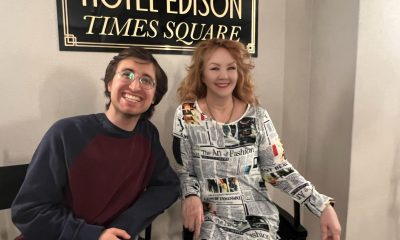
Live From The Hotel Edison Times Square Chronicles Presents Actor Performer and New Composer Oliver Richman